 Search


- Dubai Airport has been awarded a total of 21.8 billion US dollars in contracts, with two Chinese companies undertaking the construction
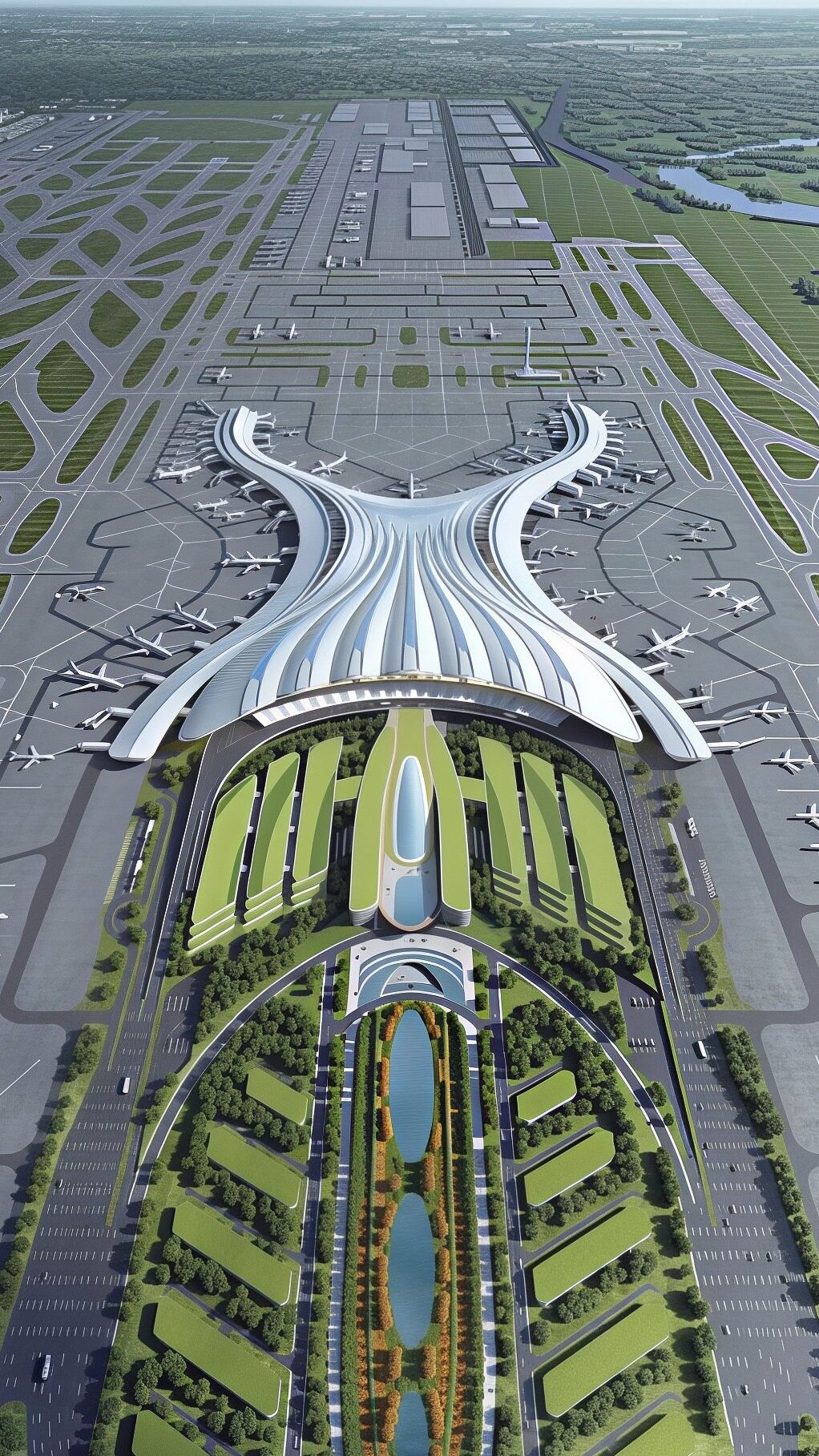
On November 26, 2026, Dubai Crown Prince Hamdan bin Mohammed announced a new batch of construction contracts for the expansion of Al Maktoum International Airport, with a total amount of approximately 56.5 billion dirhams, equivalent to approximately 15.4 billion US dollars. Adding to the previously awarded approximately 23.815 billion dirhams project package, the cumulative contract value of this airport has been pushed up to approximately 80 billion dirhams, or approximately 21.8 billion US dollars. As soon as the award news came out, the airport expansion shifted from early preparation to large-scale construction phase.
Winning the bid and speeding up construction
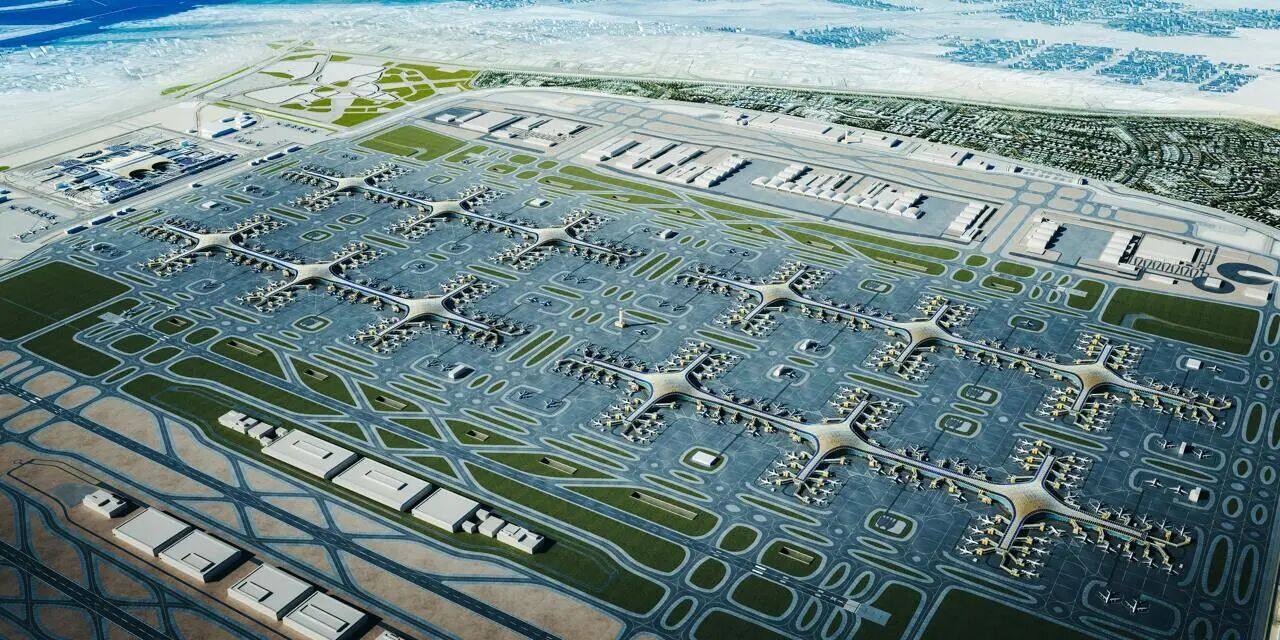
The new contract covers the underground structure of the terminal building, the main building of the waiting pier, the power system, and airport transportation facilities. Al Maktoum International Airport is located in Dubai's central aviation city and is the core project of Dubai's future air transportation system. In April 2024, the Dubai government approved a terminal expansion plan costing 128 billion dirhams, with the goal of creating aviation facilities with an annual passenger throughput of 150 million over the next decade. The ultimate plan is to achieve an annual passenger throughput of 260 million and an annual cargo processing capacity of 12 million tons. The airport will undertake the business of Emirates Airlines, Dubai Airlines, and international transfer flights.
Two Chinese enterprises split into a consortium
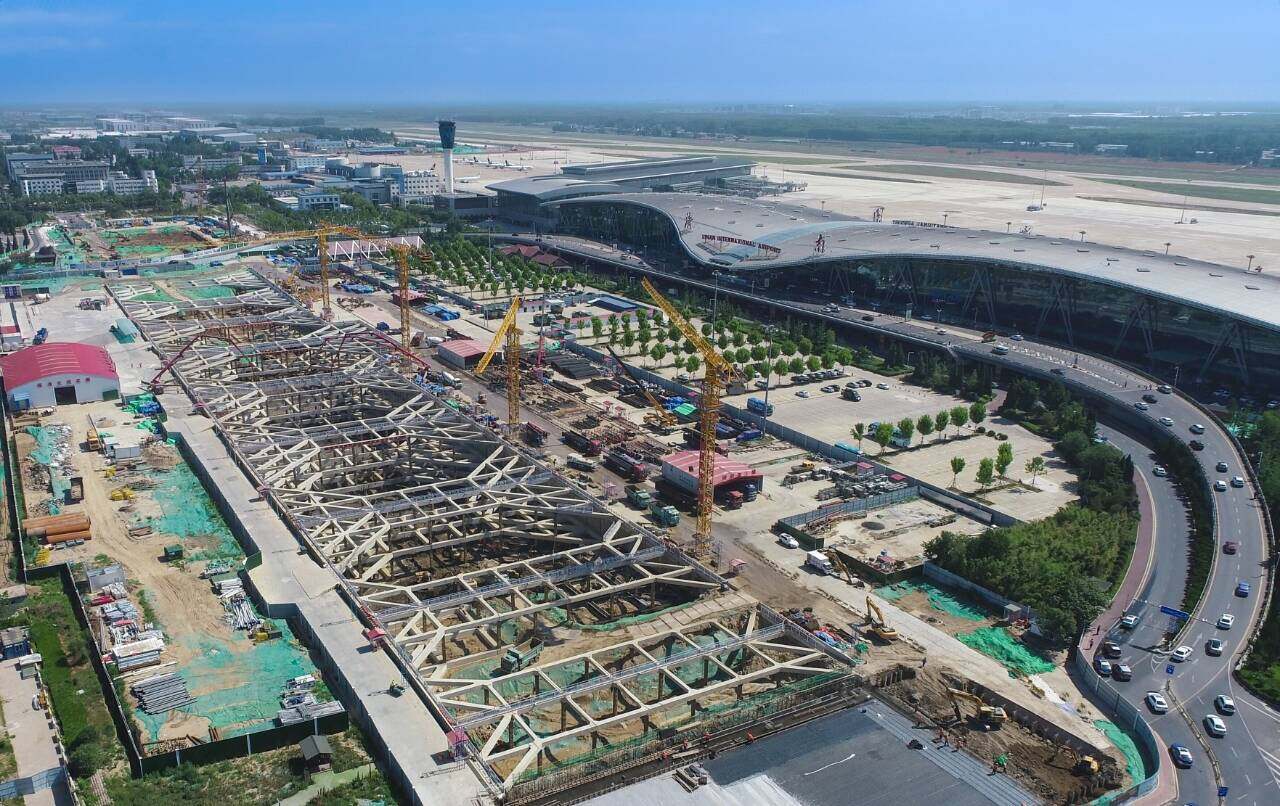
China Harbour Engineering Co., Ltd. and China Civil Engineering Group Co., Ltd. appeared on the list of contractors awarded this round of contracts. MEED, a Middle East engineering information platform, disclosed that Innovo Group, headquartered in the UK, has formed a consortium with China Harbour Engineering to obtain the above ground main structural engineering of the 2nd and 3rd waiting piers, including the main building of the waiting piers, steel structure bridges, large-span steel roof trusses, building facades, mechanical and electrical installations, and airport specific systems. China Civil Engineering Group and Tristar Engineering&Construction in Abu Dhabi have formed a consortium to be responsible for the underground structural engineering of Terminal 4, including the basement, tunnel, vehicle passage, and underground infrastructure connecting the baggage handling system. MEED previously estimated that the value of the underground structure section of Terminal 4 Concourse is about 10 billion dirhams, equivalent to approximately 2.7 billion US dollars. Keywords: Infrastructure news and information, Middle East, Airport infrastructure

Simultaneously spreading underground and above ground
In addition to the sections involving Chinese companies, the new contract also covers the underground infrastructure of the West Terminal and Terminal 1, as well as two 132/11 kV main substations and related power networks. Dubai Airlines Engineering Project Company stated that the existing construction area of the airport has completed over 24.23 million cubic meters of earthwork excavation, 5.2 million cubic meters of backfilling, and 7635 pile foundation construction. More than 875600 cubic meters of concrete have been poured, and the installation of steel bars has exceeded 226200 tons. There are currently about 14000 workers in the relevant construction sections, with a cumulative working hours of over 21.3 million hours. The preliminary construction of the 2nd and 3rd airport waiting corridors and the central area is nearing completion, creating conditions for the subsequent construction of the main structure. For Chinese engineering contracting enterprises, such large-scale airport projects involve complex underground transportation systems, steel structures, mechanical and electrical equipment, and multi-disciplinary construction coordination, requiring high international project management and engineering delivery capabilities. China Harbour Engineering and China Civil Engineering will participate in this project as a consortium, and the actual project revenue in the future will depend on the division of labor, contract terms, and construction execution of the consortium.Editor/Gao Xue
Comment


 Praise
 Collect
 Comment

 Share


Write something~