 Search


- Tanzania proposes 2030 power generation target and plans for renewable energy increment
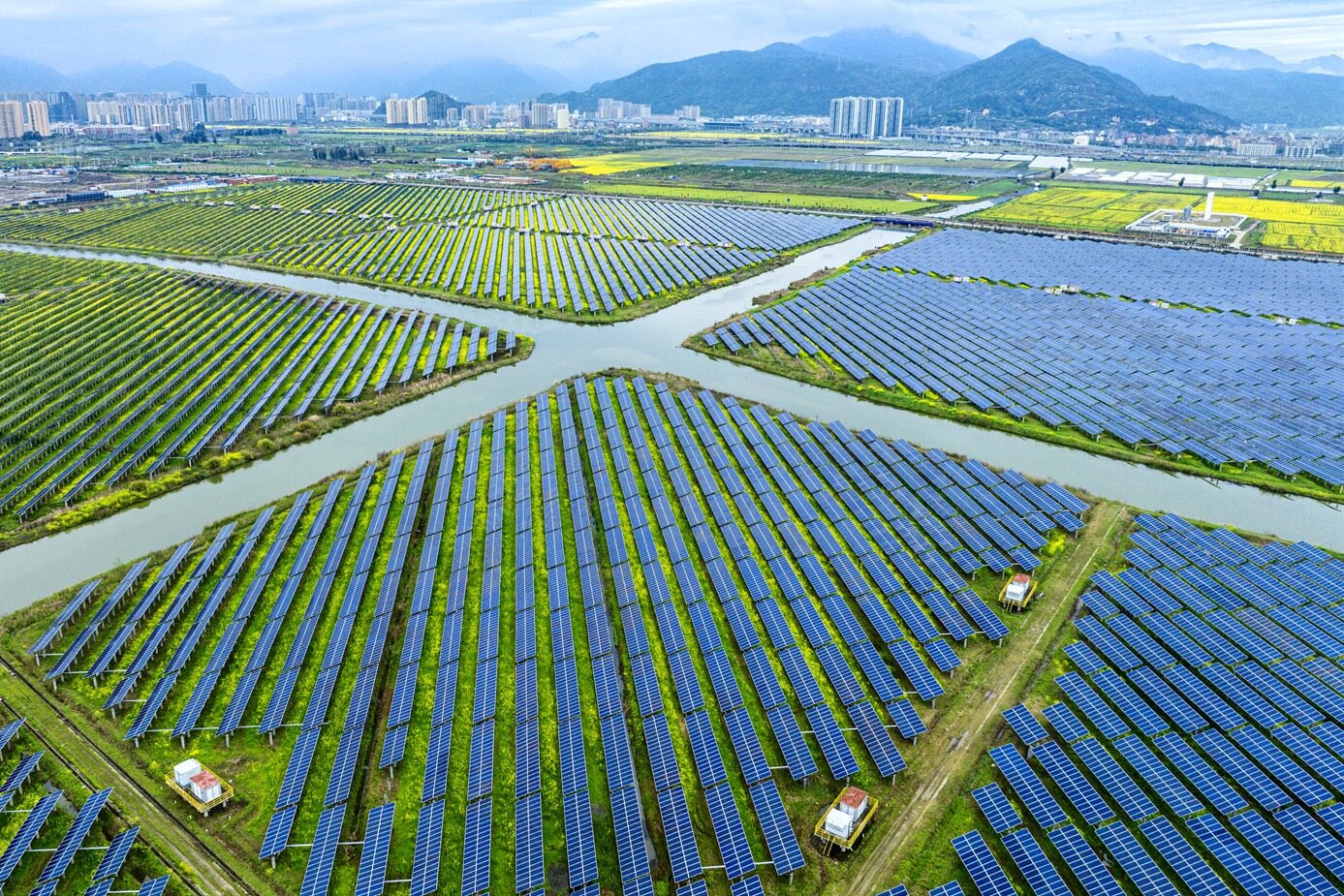
At the Renewable Energy Week conference held in Dar es Salaam, Tanzania's Ministry of Energy unveiled its energy development plan, which outlines the country's long-term blueprint for power transformation. Tanzania hopes to continue to increase the national installed capacity of power generation, vigorously develop clean energy such as solar energy, wind power, biomass, etc., and fill the gap in electricity supply. However, it should be noted that the relevant goals belong to the top-level vision, and there are still a lot of uncertainties in funding, power purchase agreements, and grid consumption, which cannot be directly equated with confirmed new projects. At present, hydropower and natural gas are still the main power sources in China, while the stock scale of photovoltaic and wind power is relatively small, and the infrastructure for transmission and distribution is weak, which is a key bottleneck restricting the implementation of new energy projects.
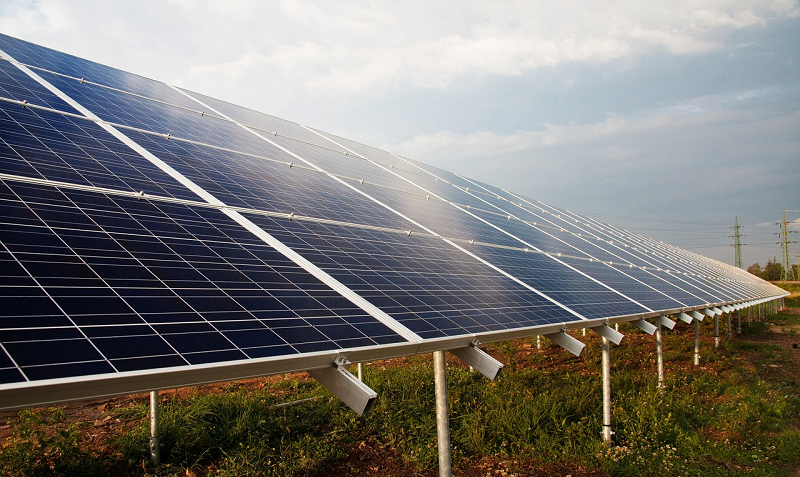
Project pattern differentiation
In the initial stage of centralized photovoltaics in Tanzania, breakthroughs were achieved by Chinese enterprises. The Xiniyanga 50MW photovoltaic power station was constructed by China Power Construction and has been successfully connected to the grid, making it a benchmark project in the local area. The subsequent competition pattern in the market tends to be diversified, and the Jishap Phase II project is awarded to the European African consortium, no longer contracted by Chinese enterprises. Zuzu 130MW is in the procurement stage, and some wind and geothermal projects are only in the early lead stage without a clear bidding time. The local new energy EPC bidding is greatly influenced by multilateral funding and grant rules, and Chinese enterprises do not have a natural competitive advantage.
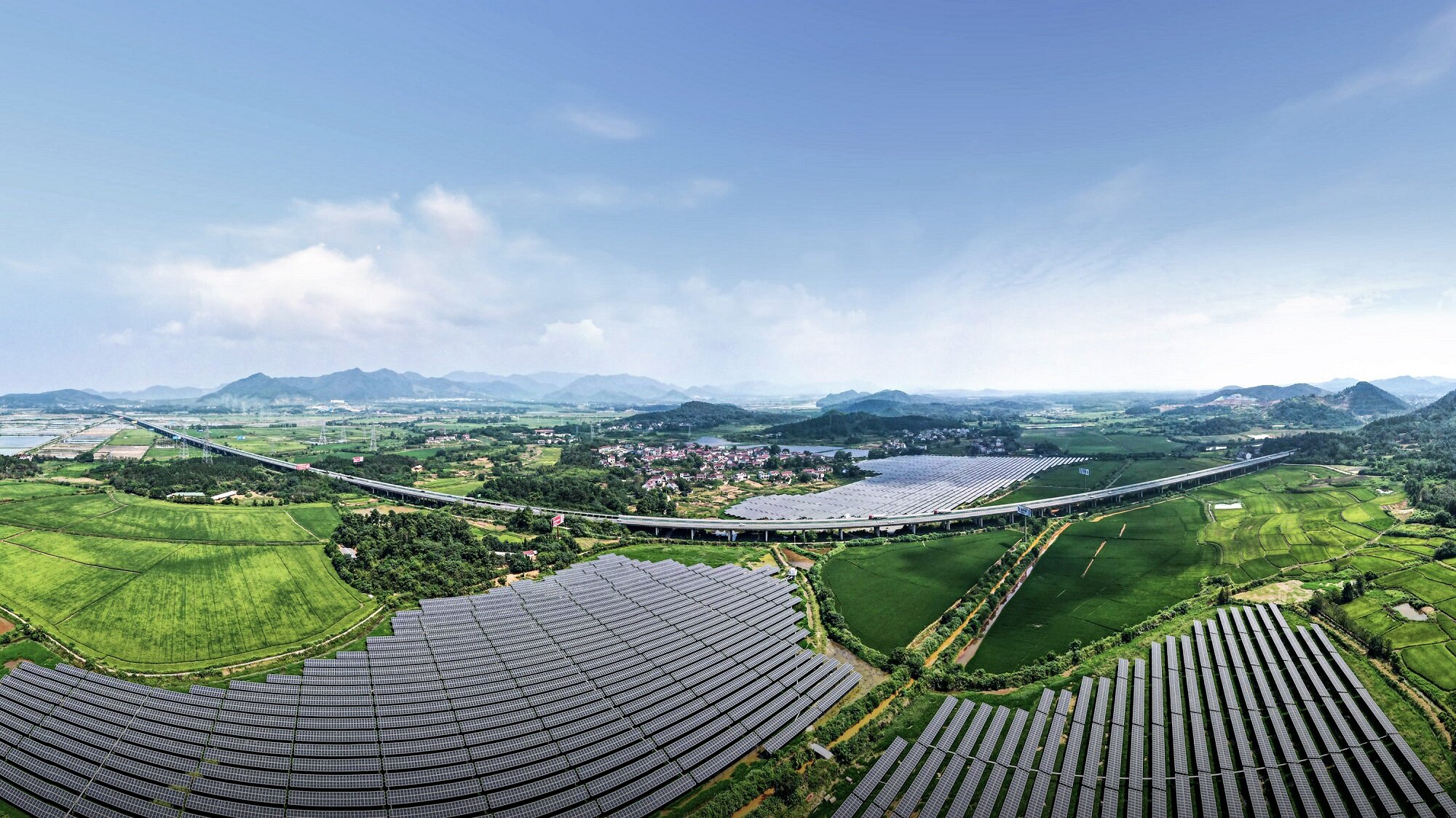
Hidden entry barriers
Tanzania's photovoltaic related equipment is exempt from import tariffs and value-added tax, which may seem beneficial to foreign trade enterprises, but tax exemption does not mean smooth access. The equipment must obtain TBS Tanzania Standards Bureau certification to meet local testing and technical specifications, and policy implementation fluctuations may also bring additional implicit costs. The local power grid company has opened up an IPP proposal channel, and private capital can independently submit proposals. However, the proposal approval chain is long, the PPA signing and financing loop are difficult, and the project landing conversion rate is low. Keywords: Tanzania's new energy, photovoltaic going global, renewable energy
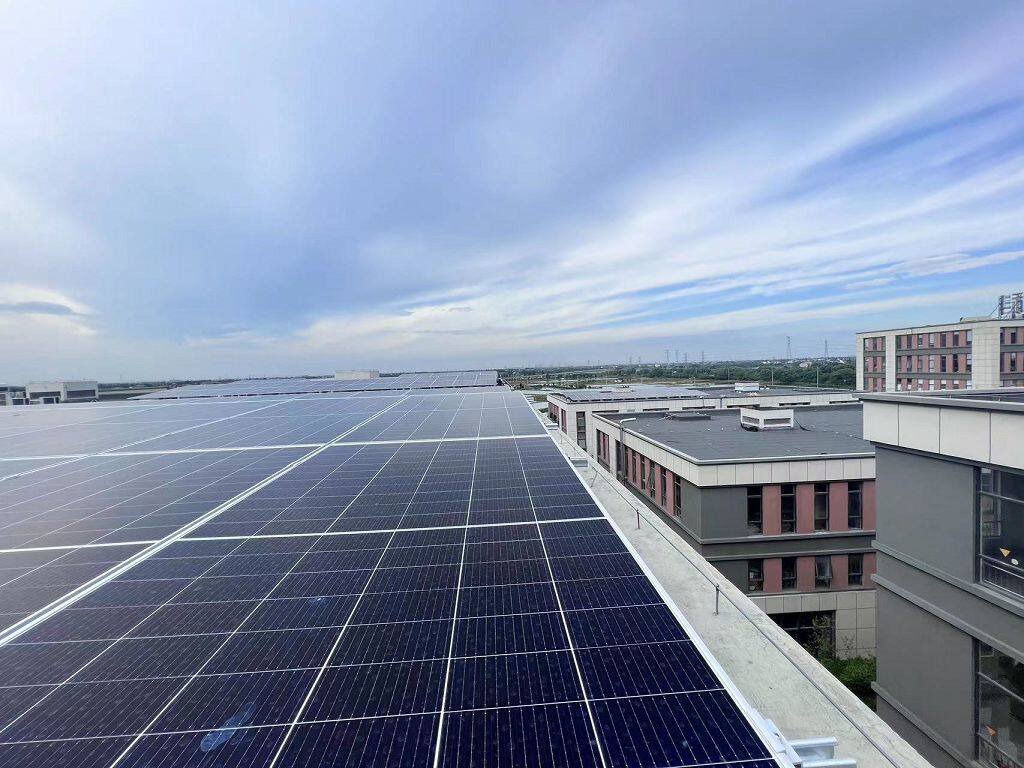
Assessing opportunities for going abroad
The Zuzu 130MW project is currently in the procurement stage, and equipment manufacturers are focusing on connecting with bidding developers' supply chains, with limited efficiency in directly quoting to owners. The general contractor for Phase II of Jishap has been confirmed, and there is a risk of equipment procurement being locked in by the financing party and the home country's supply chain. The subcontracting list can be tracked to maintain rational expectations. Developers with strong financial strength can lay out IPP projects in the long term. The demand for off grid photovoltaics is real, but the project size is small and payment collection is slow, making it more suitable for traders with local distribution networks.Editor/Li Xiaohua
Comment




 Praise
 Collect
 Comment

 Share


Write something~