 Search


- India's loss-making moves seem very arrogant, but in fact, for us, it is not painful at all, but it is a huge blow to India itself

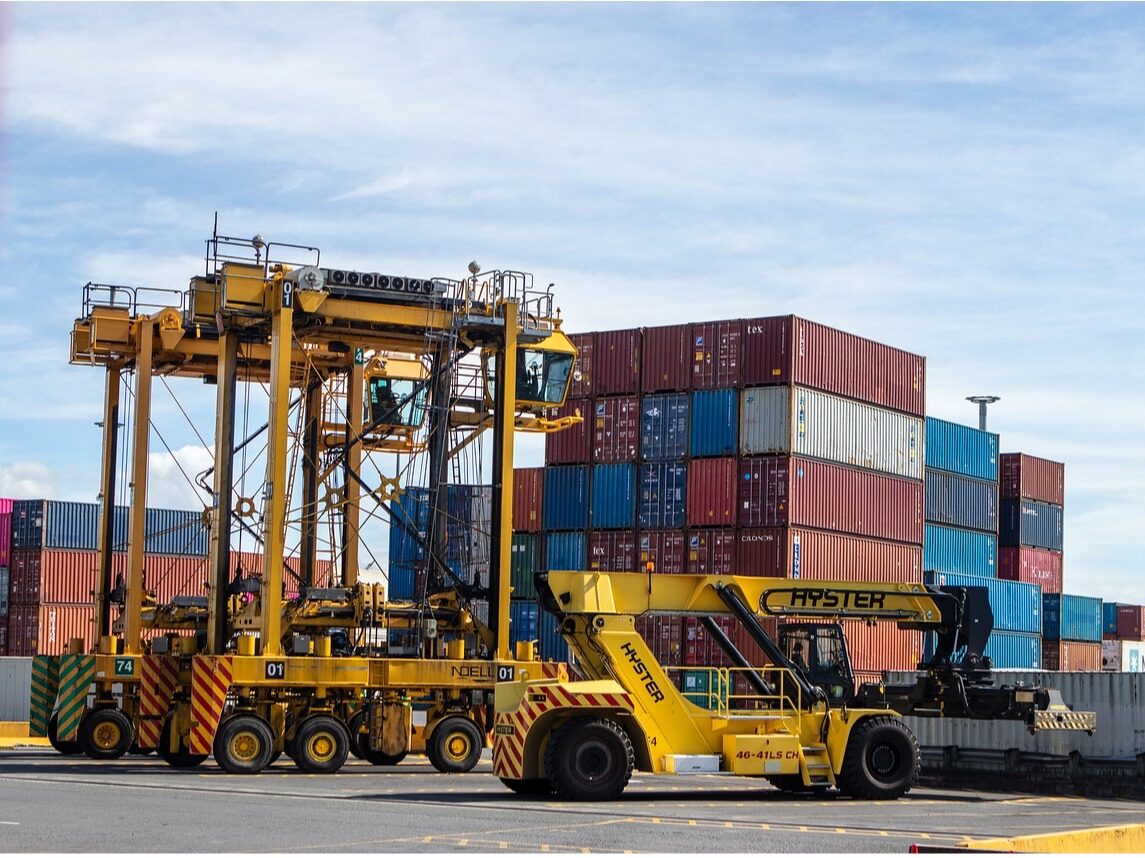
After the conflict with China in the Gallevan Valley, India frequently launched a series of anti-China measures, including the ban on more than 50 Chinese mobile phone applications and the ban on Chinese-funded enterprises from participating in road construction projects in India. Goods imported from China have recently encountered customs clearance obstacles at some ports in India. The Ministry of Electric Power of India also said that Indian companies will need government permits to import power supply equipment and components from China.
Indian Ministry of Electricity: Prohibition of importing power equipment from China
The Ministry of Electric Power of India recently announced that India will inspect all imported products related to the power supply to see if they pose a cyber threat. According to a report by Indian Television on the 3rd, Indian Minister of Electricity Singh said: "We will no longer allow states to import anything from China and Pakistan." In addition, Singh also speculated: "Imported products may contain malware or ' The Trojan Horse' can remotely paralyze India's power system."
All along, India's dependence on China's power products is not low. According to data from the Indian Electrical Appliance Manufacturers Association, in the 2018-2019 fiscal year, India’s total imports of power products were approximately 710 billion rupees, of which approximately 210 billion rupees came from China.
Reuters reported that India has long relied on Chinese equipment for power generation and transmission, providing electricity at affordable prices. Although this new regulation will benefit some Indian companies, in the long run, this may also lead to higher domestic electricity prices in India.
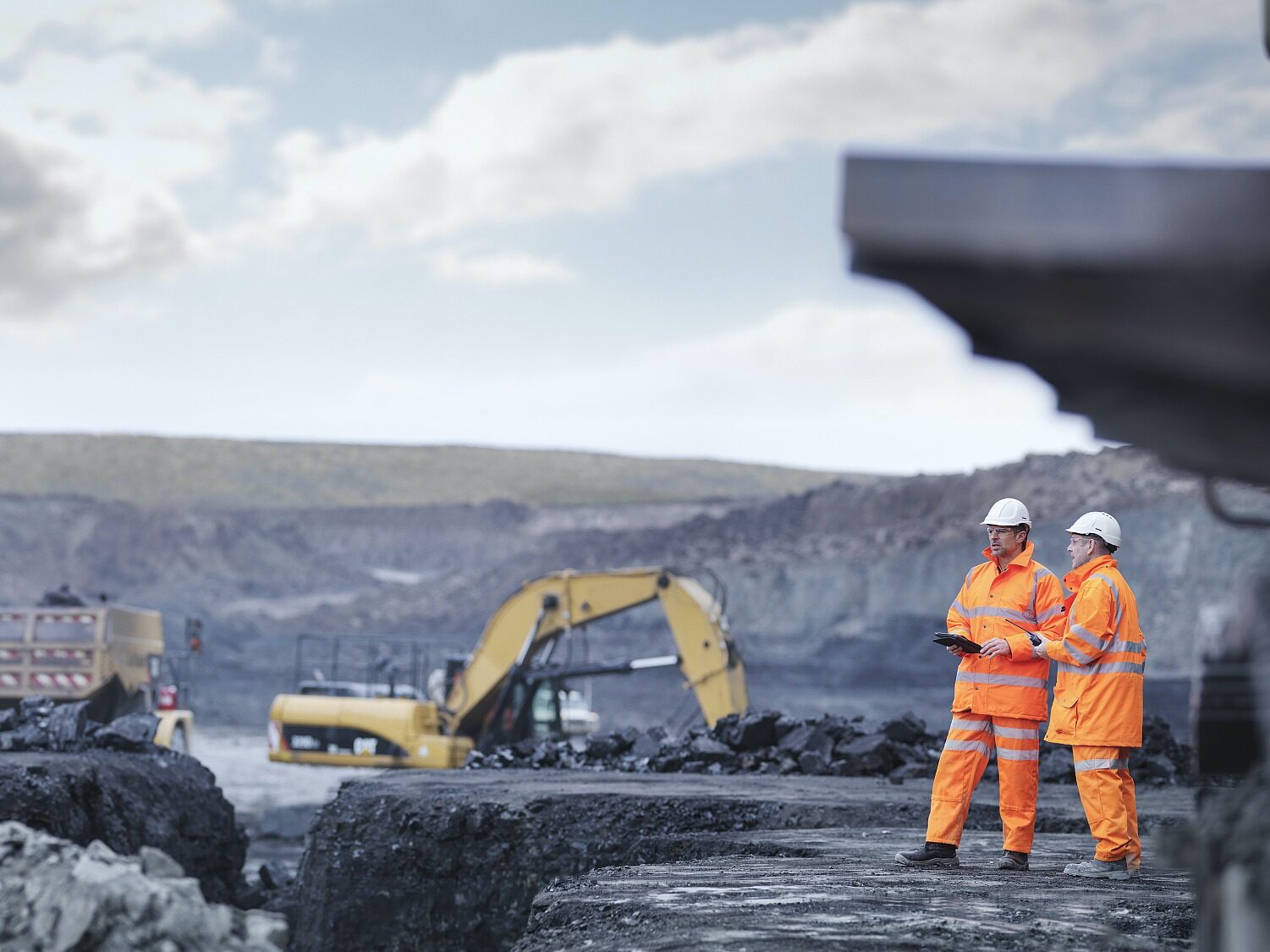
In addition, India's move may affect its air purification projects, because China is selling flue gas desulfurization equipment to India, this equipment can reduce sulfur dioxide emissions. At present, most coal-fired power plants in India are about to miss the final date for installing flue gas desulfurization devices. The Indian power sector is considering approval to extend the deadline.
Indian netizen: "I really want to cry"
On June 29th, the Ministry of Information Technology of India issued an announcement, deciding to prevent some Chinese mobile phone applications from being used in India on the grounds that the activities undertaken are detrimental to India’s sovereignty and integrity, Indian defense, national security and public order. These applications Including TikTok (Douyin Overseas Version), WeChat, UC browser, etc. with many users in India.
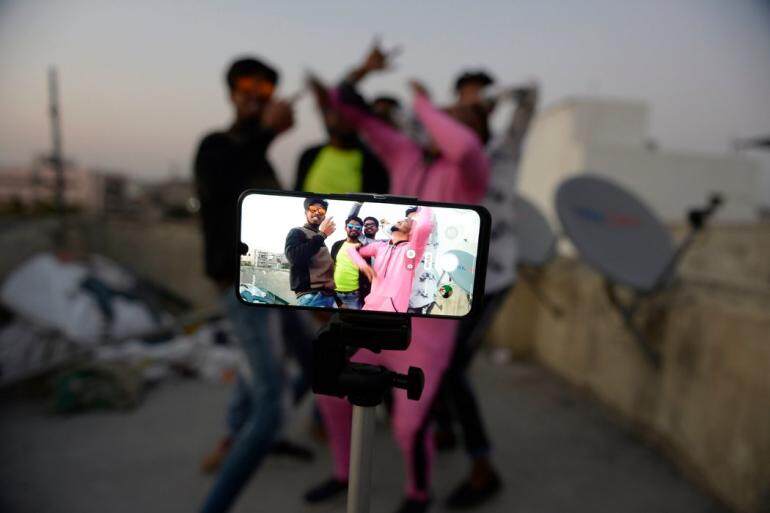
In July and February, Hyderabad, India, locals are using TikTok to record short videos
"New York Times" reported on the 1st that after the Chinese mobile phone application was disabled, some Indian users were hit. Anumita Duta from Kolkata, India, has been using TikTok for three years and has accumulated more than 350,000 followers on the platform. Duta believes that TikTok has connected her to the wider world, and India’s decision to ban some Chinese mobile apps has disappointed her.
Saddam Khan, 2, is a porter at New Delhi Railway Station. He is also a content creator on TikTok and has more than 40,000 fans. When he heard that India had banned the app, he was working at the train station with two briefcases of customers on his head. Saddam Khan said: "At that time, I really wanted to throw the bag and cry."
"Indian Express" previously reported that for many Indian creators on social media platforms, disabling apps means they will lose their only source of income. In addition, many application companies have set up offices and hired Indian employees in India. Disabling these applications may endanger thousands of jobs.
The German media quoted Banaji, a student of the National Law University and Judicial College of Assam, India, as saying: "China is one of India's largest trading partners. (If such measures are taken) many investments will stall and Indian trade will suffer. Deficit."
"New York Times" pointed out that the Chinese mobile phone applications are banned in India, which means that the global Internet is further divided. The media quoted Dave Carrey, a partner of venture capital firm Lightspeed India, as commenting that India’s ban on Chinese mobile phone applications is, to some extent, a populist, “self-consolation” act.
The BBC quoted analysts' comments and pointed out that India is currently facing a series of problems such as the epidemic and the locust plague, which can be described as "internal and external problems."
Indian technical experts: the implementation of the ban is more difficult
The Times of India reported that some digital technology experts said it would be difficult to enforce the ban on Chinese applications. Because this requires Internet service providers to blacklist every host name and domain name associated with these applications, it also requires Google and Apple to remove these applications from their stores.
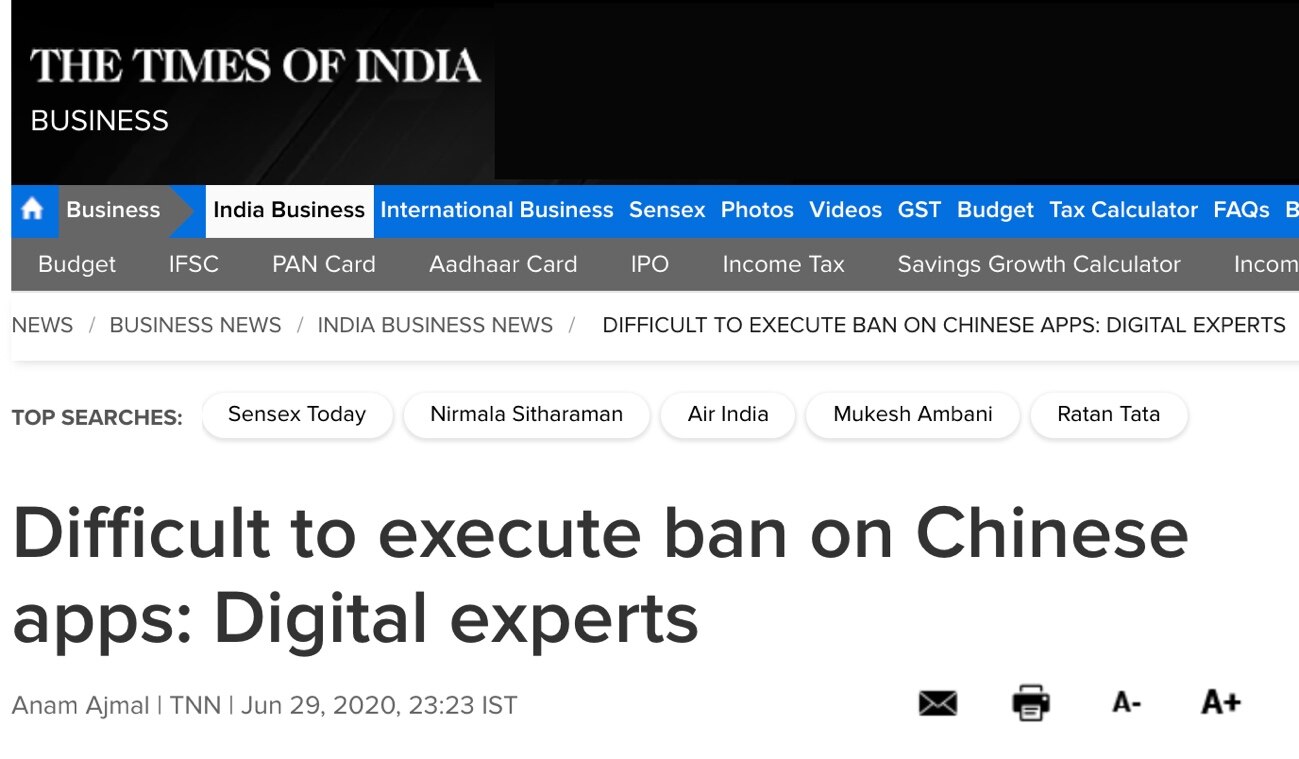
Shashenke Mohan, a technology policy researcher at the National University of Law in Delhi, India, said: "The application of the ban is difficult to enforce, and the government has not yet explained how these applications threaten Indian sovereignty."
Another digital researcher Pratek Wag said the feasibility of the ban is still in doubt. Because requiring an Internet service provider (ISP) to block these applications requires someone to determine all relevant host names, which may lead to "excessive blocking, affecting the normal use of other applications."
China: Will take necessary measures to safeguard the legitimate rights and interests of Chinese enterprises
On July 2, Gao Feng, a spokesman for the Chinese Ministry of Commerce, said that China has not taken any restrictive and discriminatory measures against Indian products and services. The relevant Indian practices violated the relevant WTO rules and India’s commitments in the WTO, and hoped that the Indian side would immediately correct the discriminatory practices against China and Chinese enterprises.
At the regular press conference of the Chinese Ministry of Foreign Affairs on the 3rd, Foreign Ministry Spokesperson Zhao Lijian pointed out that the pragmatic cooperation between China and India is essentially mutually beneficial and win-win. Setting up obstacles for the pragmatic cooperation between the two countries violates the relevant WTO rules and will also damage And the Indian side’s own interests. China will take necessary measures to safeguard the legitimate rights and interests of Chinese enterprises. Editor/Huang Lijun
Comment




 Praise
 Collect
 Comment

 Share
Share


Write something~