 Search


- The largest transportation infrastructure project is approved, and the China-Pakistan Economic Corridor will continue to develop
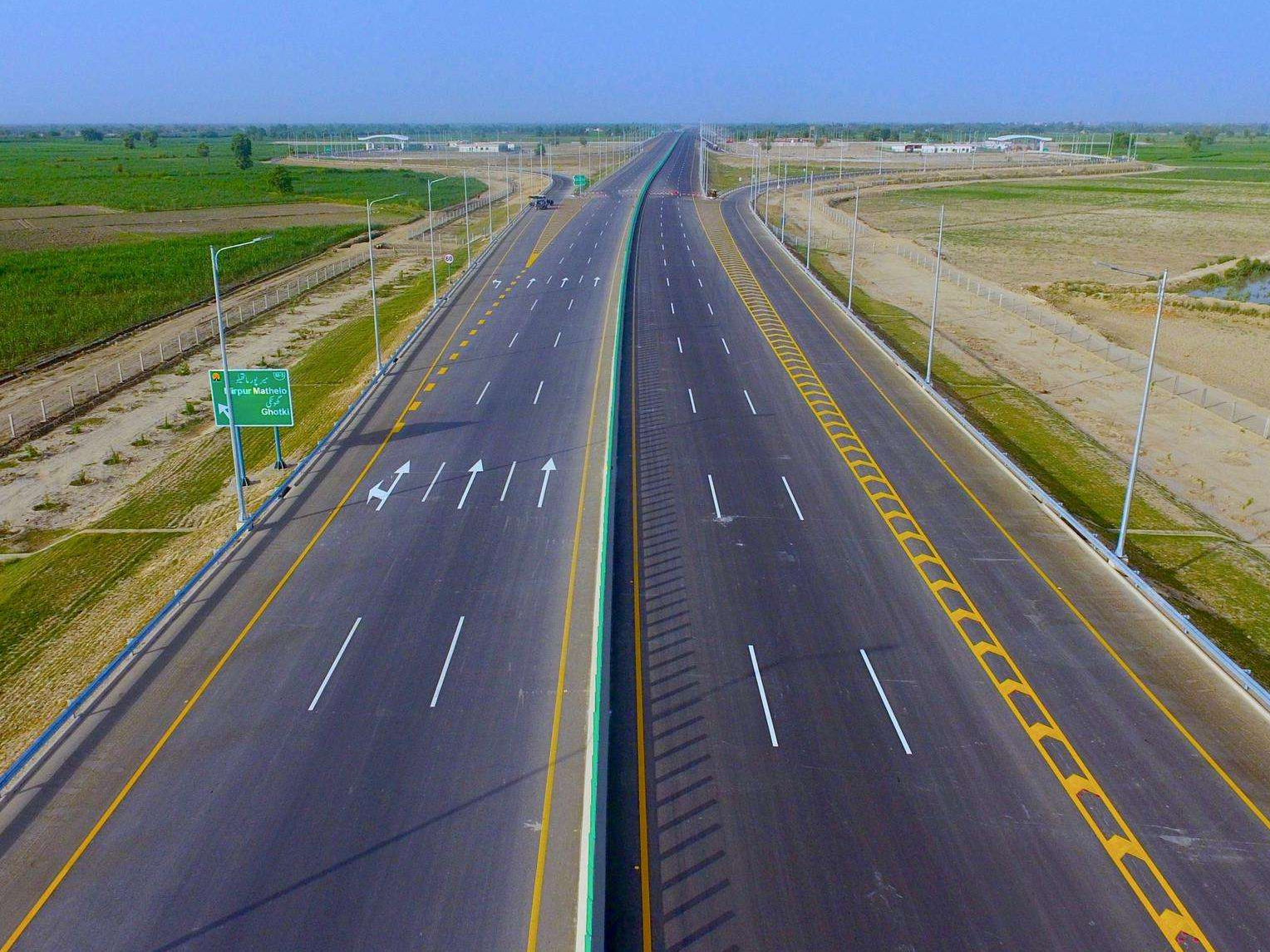
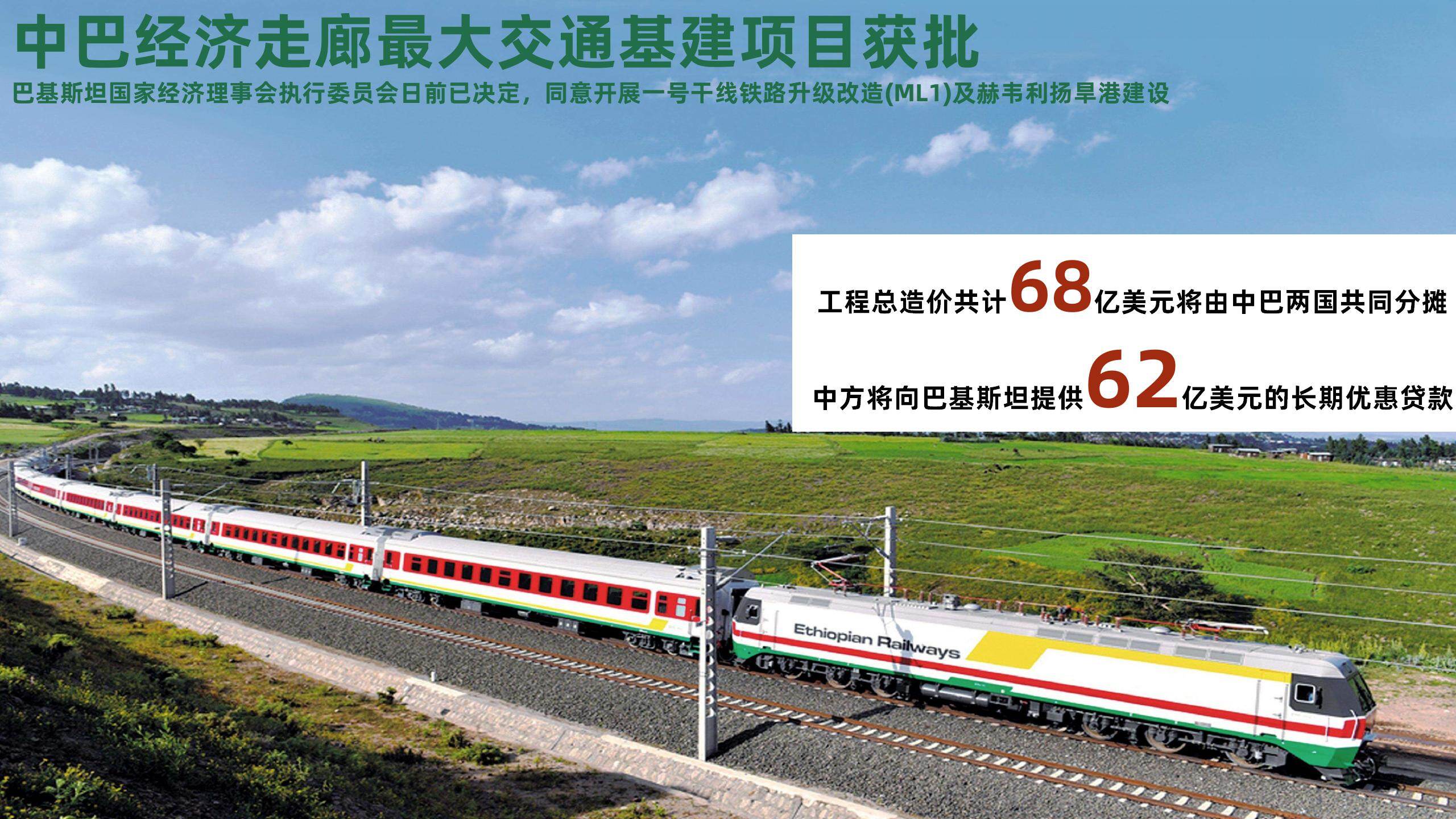
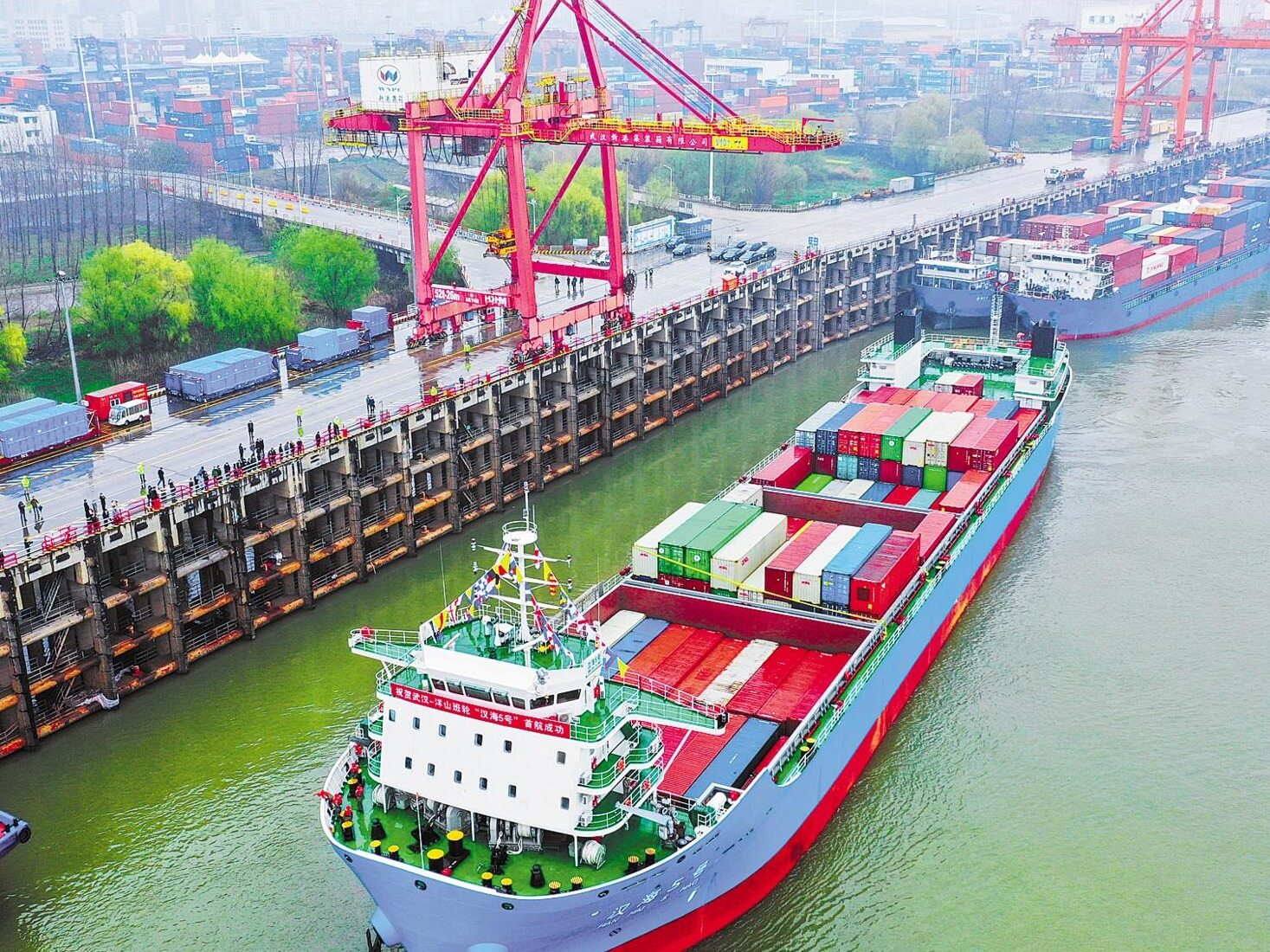
The construction of the China-Pakistan Economic Corridor aims to further strengthen China-Pakistan connectivity and promote the common development of the two countries. According to news on August 17, the Executive Committee of the National Economic Council of Pakistan has recently decided to agree to carry out the upgrade of Route 1 Railway (ML1) and the construction of the dry port of Haveliyan. The total cost of the project is US$6.8 billion (approximately RMB 47.1 billion). ), which will be shared by China and Pakistan. Among them, China will provide Pakistan with long-term concessional loans of US$6.2 billion (approximately RMB 43 billion).
The China-Pakistan Economic Corridor, through all-round and multi-field cooperation, will help to further close and strengthen the China-Pakistan all-weather strategic cooperative partnership. Currently, the construction of the China-Pakistan Economic Corridor has achieved phased results, and the construction of the China-Pakistan Economic Corridor is in line with the two countries. The development strategy will help the two countries develop their economies, improve people’s livelihood, and promote the common development and prosperity of the region.
After 1 year and 4 months, the largest transportation infrastructure project of the China-Pakistan Economic Corridor was approved!
According to the report, the project will be implemented in three phases. The construction cost of the first phase will be controlled at 2.4 billion U.S. dollars, and the construction costs of the second and third phases will be 2.7 billion and 1.7 billion U.S. dollars respectively. . In addition, the report also pointed out that ML1 has a total length of 2655 kilometers. After this upgrade, the operating speed of passenger trains will be greatly increased from the current 65 kilometers to 110 kilometers to 165 kilometers per hour, and the capacity will also increase from the current Daily one-way 34 columns increased to 171 one-way daily. It can be said that ML1, the largest and strategically significant transportation infrastructure project under the framework of the China-Pakistan Economic Corridor, has made substantial progress.
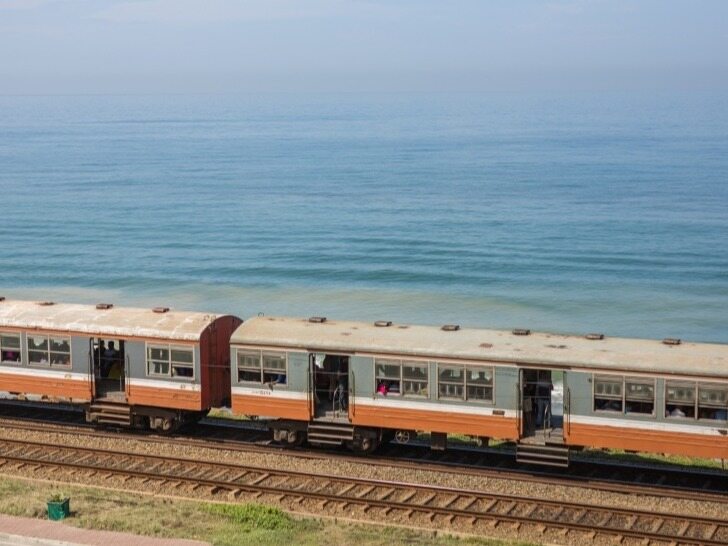
What needs to know is that ML1 is the most important north-south trunk railway in Pakistan. The reason why the country chose to cooperate with China can be traced back to 2018. Prior to the ML1 upgrade plan, Pakistan's railway infrastructure had been "advanced" for decades. Outdated railway facilities, backward management, and low capacity have almost become its "failure". Solving the hidden dangers caused by the lack of maintenance of railway facilities, improving the safety standards of railway transportation, alleviating serious operating losses and its own inability to invest, have become Pakistan’s “immediate needs”.
To this end, Pakistan first improved the status quo by vigorously opening more trains. From the end of 2018 to July 2019, Pakistan successively opened 24 pairs of passenger trains, reducing the loss of the Pakistan Railway from 227 million US dollars to 202 million US dollars; The “Saeed Express” from Rawalpindi to Karachi was opened; 225 new carriages were also planned to be purchased from abroad to be used in the operation of the newly opened passenger line... It can be said that the Pakistani government aims to develop its own Railway transportation has done everything possible. But unfortunately, simply increasing the number of driving times can only solve the temporary difficulties, and it is not a long-term solution.
Based on this, Pakistan reached an ML1 upgrade project cooperation with China in April 2019. What needs to know is that the country’s railways are suffering huge losses. Attracting foreign investment is Pakistan’s best choice for railway financing. Because of this, Pakistan has high hopes for the ML1 upgrade project led by China.
Can create 150,000 jobs, ML1 project becomes an important opportunity for the modernization of Pakistani railway
From Pakistan’s point of view, the construction of this project will not only bring large investments to the country, but will also directly drive the country’s economy. For example, US$4.1 billion (approximately RMB 28.4 billion) of the project cost will be used to purchase materials, equipment and labor in the country. This will not only indirectly create profits for the country’s related suppliers, but also create a large number of them for the country. Jobs, related reports show that this will create about 150,000 jobs in Pakistan.
More importantly, the development of the ML1 project will break the vicious circle of “no capital to invest in construction-no source of income-no income” for the Pakistan Railway. Some analysts even pointed out that the construction of ML1 is a modernization of the Pakistan Railway. An important opportunity.
From a Chinese perspective, as mentioned above, the ML1 upgrade is the largest transportation infrastructure project of the China-Pakistan Economic Corridor. The China-Pakistan Economic Corridor's vision will not only open up a new trade route for the inland areas of western China, but also It can be said that the China-Pakistan Economic Corridor is of great strategic significance to provide China with a route that does not need to detour to the Straits of Malacca. Through ML1, Chinese businesses can not only shorten the transportation distance, but also directly reach the resource-rich Middle East. In other words, ML1 plays a key role in the China-Pakistan Economic Corridor.
"The construction of the China-Pakistan Economic Corridor will not only benefit the people of the two countries, but also the entire region," said Qassim Suri, deputy speaker of the National Assembly of Pakistan. It can be seen that the China-Pakistan Economic Corridor is a mutually beneficial and win-win situation for China and Pakistan. It is foreseeable that with the support of China and Pakistan, the China-Pakistan Economic Corridor will continue to develop smoothly. Editor/Sang Xiaomei
Comment

 Praise
 Collect
 Comment

 Share
Share


Write something~