 Search


- Germany's Federal Network Agency will build more natural gas power plants to make up for the power supply gap
- With only 3GW of natural gas power plants currently being planned or built in Germany, the German government must create more incentives to cover the 18GW shortfall

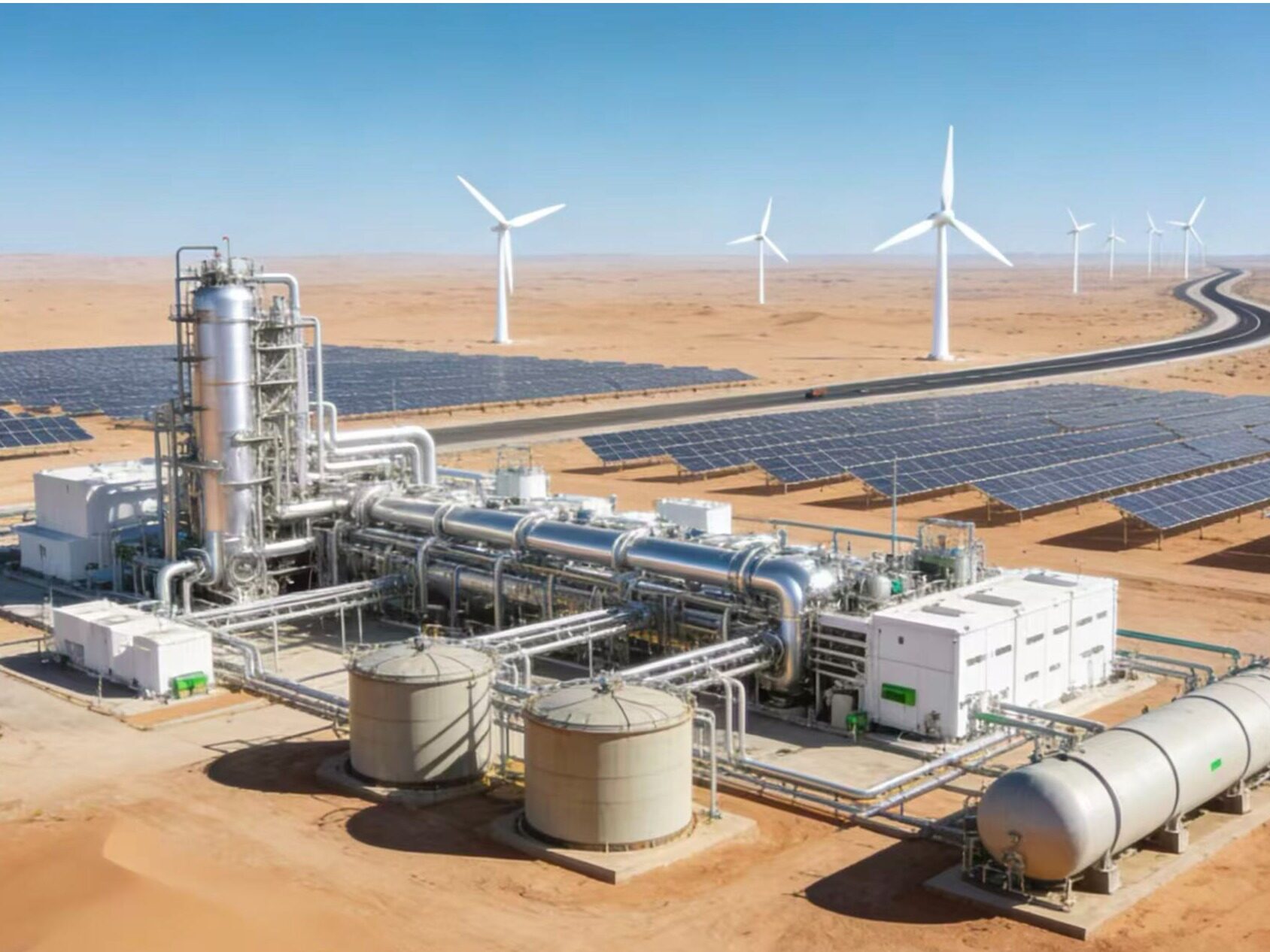
The research report pointed out that if Germany does not build new hydrogen-fired power plants as soon as possible, there will be a power gap of 30GW by 2030. Using 15 indicators, the index quantifies Germany's progress in implementing the energy transition and compares it internationally. On the issue of energy supply, the authors of the report pointed to the fact that Germany is phasing out fossil fuel power generation facilities and nuclear power facilities as one of the reasons for the power supply gap in the country. Renewable energy, energy storage systems and gas-fired power plants are not developing fast enough in Germany, and the electrification of the heating sector and the transport sector are also creating additional loads. The natural gas power plant operated by Germany's RWE in Emsland may use hydrogen as fuel in the future.
Reduced from 105GW to 90GW
Germany's electricity market in 2010 had 105GW of available peak capacity, a figure that will only remain at 90GW by 2022. Peak loads generated in Germany could exceed available capacity by 4GW by 2025, with a power shortfall of 30GW by 2030.

Thomas Vahlenkamp, a senior partner at McKinsey & Company, said that Germany has always been the leader in the EU power market, but now the decline in power generation capacity and the increase in peak load caused by electrification may lead to power supply shortages. Even with a nationwide shift to renewable energy, further steps will be needed to stabilize the electricity system.

Electricity imports, building natural gas power plants, and deploying battery storage could help. The country's planned cross-border imports of electricity alone could reduce its power supply gap to 20GW. The planned installation of 10GW of battery energy storage systems will also help, including about 8GW of battery energy storage systems installed in conjunction with rooftop photovoltaic systems, and 2GW of grid-scale battery energy storage systems deployed independently. On the demand side, switchable loads lead to a peak load reduction of 8GW, which does not include electric vehicles and heat pumps. Flexible demand for heat pumps can reduce peak loads by 5-20GW.
Natural Gas Power Plants Bridging Electricity Supply Gap
The German Federal Network Agency expects 21GW of natural gas power plants to be connected to the grid by 2030. However, McKinsey & Company is skeptical about Germany's actual progress in building gas-fired power plants. In addition to the security of electricity supply, McKinsey & Company also noted a serious deterioration in three indicators in the report. These are all related to costs in the energy market. Large increases in electricity prices for households have increased the share of total energy costs in household expenditures. In particular, the cost of grid regulation peaks and valleys has risen sharply, and the control power is usually provided by gas-fired power plants. For example, the cost of peak-to-valley grid regulation increases from €9.6/MWh in 2021 to €27/MWh in 2022. Rescheduling charges for the third quarter of 2021 totaled EUR 55 million.
The situation in the transport, heating and industry sectors
Although the number of electric vehicles is currently increasing, with a total of 1.6 million electric vehicles, this figure is still far behind the 3.5 million that Germany needs to meet its climate goals. There has also been little progress in scaling up the German grid. In the past two quarters, Germany has only added 290 kilometers of new transmission lines, while the existing power lines are only 2,292 kilometers, far behind the goal of eventually reaching 5,553 kilometers.

Electrification of the heat sector improved slightly in Germany. Last year, the share of renewable energy in heating and cooling energy consumption increased by 1.5% to 18%. There was also some good news for the German industrial sector. Although industrial electricity prices also increased in 2022, the gap with other European markets has narrowed. But industrial electricity prices in Germany are still 16.5 percent higher than the European average.Editor/XingWentao
Comment



 Praise
 Collect
 Comment

 Share
Share


Write something~