 Search


- Change the single pattern of Namibia's manufacturing backward economy overly relying on mining and agriculture
- In the field of infrastructure, funds will be focused on the construction of the three major networks of transportation, energy, and water conservancy
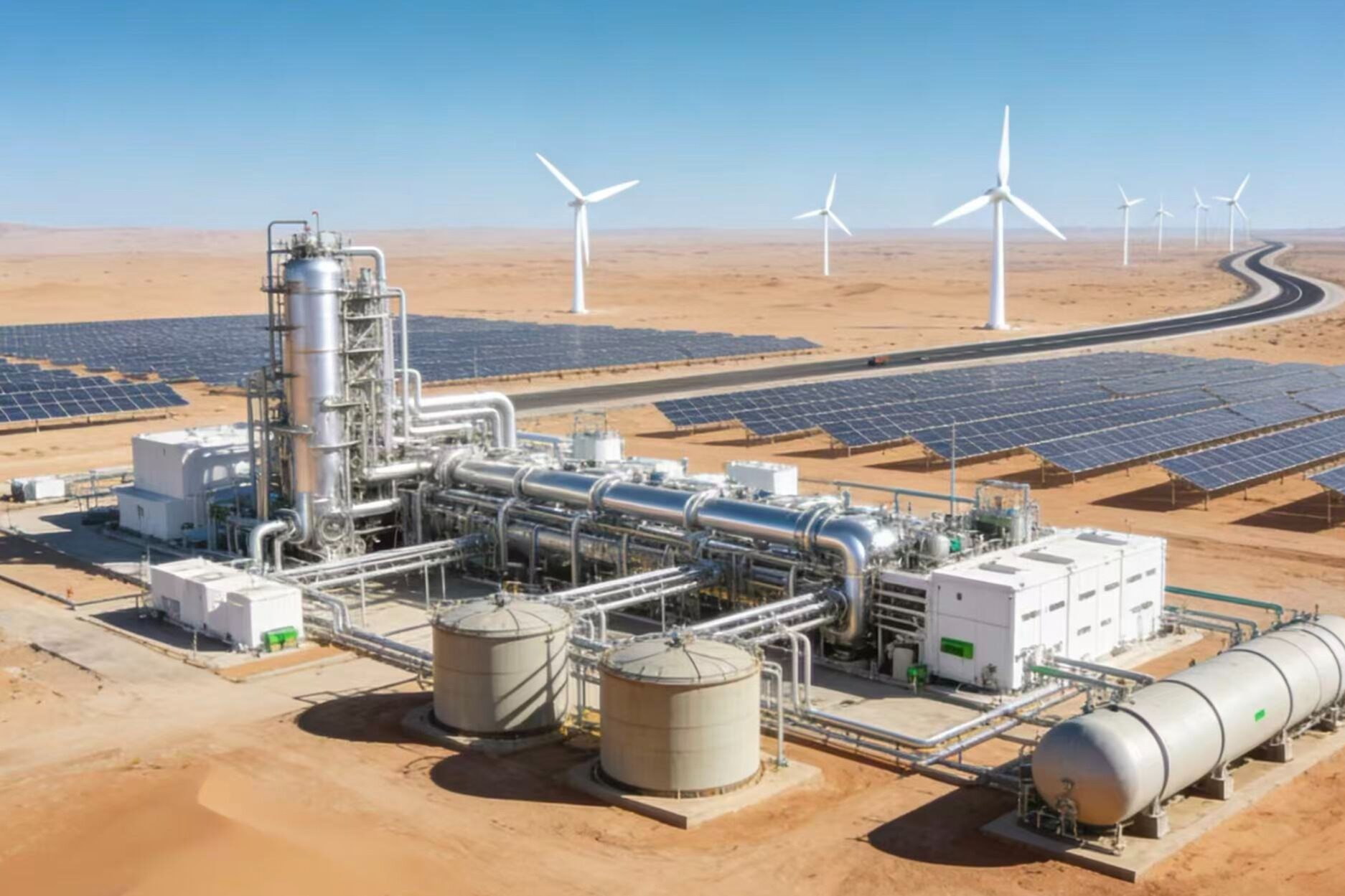
In the Port of L ü deritz in southern Namibia, young engineer Carly is busy every day on the site of the Green Hydrogen pilot project - a project that carries the hope of the country's energy transition, but has long been limited by funding shortages and weak infrastructure. In the capital city of Windhoek, hundreds of kilometers away, newly graduated college student Mbaru is struggling to find a job that matches his major and has joined up to 40% of the youth unemployment force. This land, which is rich in minerals such as diamonds and uranium, but is deeply mired in the global poverty gap, is ushering in a crucial development turning point. Recently, the African Development Bank (AfDB) officially approved Namibia's National Strategy Paper (CSP) for 2025-2030, with an injection of $1.78 billion in special financing, which will open up a new channel for this southern African country to break the "resource curse" and achieve inclusive growth.
Dual wheel drive solves the development imbalance
The $1.78 billion strategic plan launched by the Bank of Africa this time is not a general injection of funds, but a precise targeting of the core pain points of the Namibian economy, driven by the dual wheels of "infrastructure upgrading+human capital empowerment", to directly address the root causes of development imbalances.
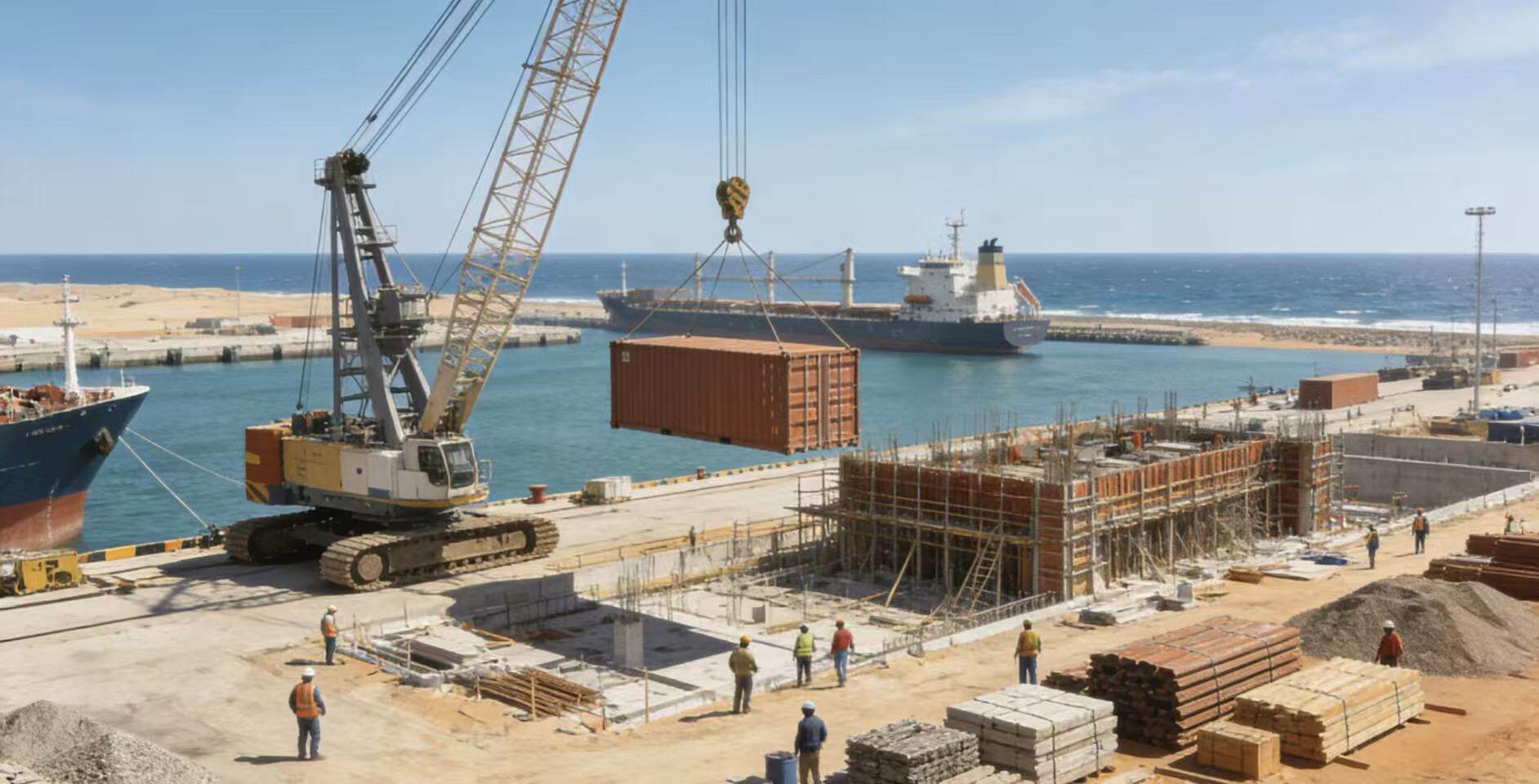
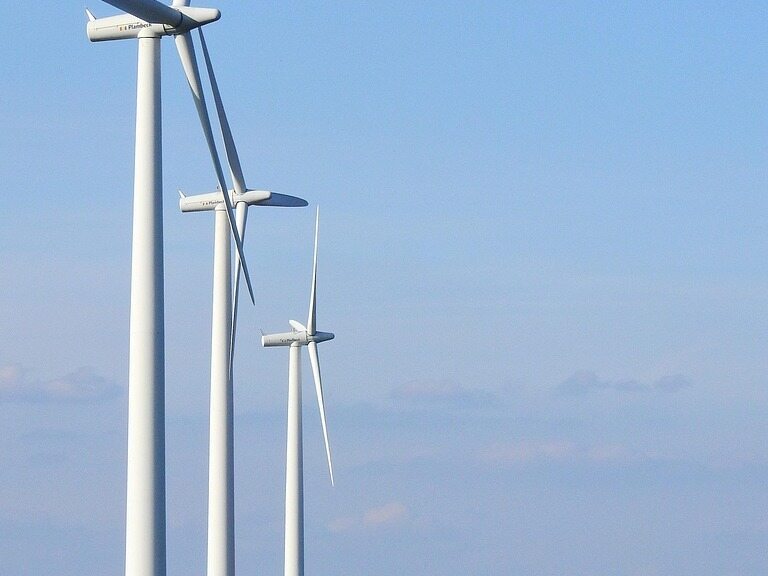
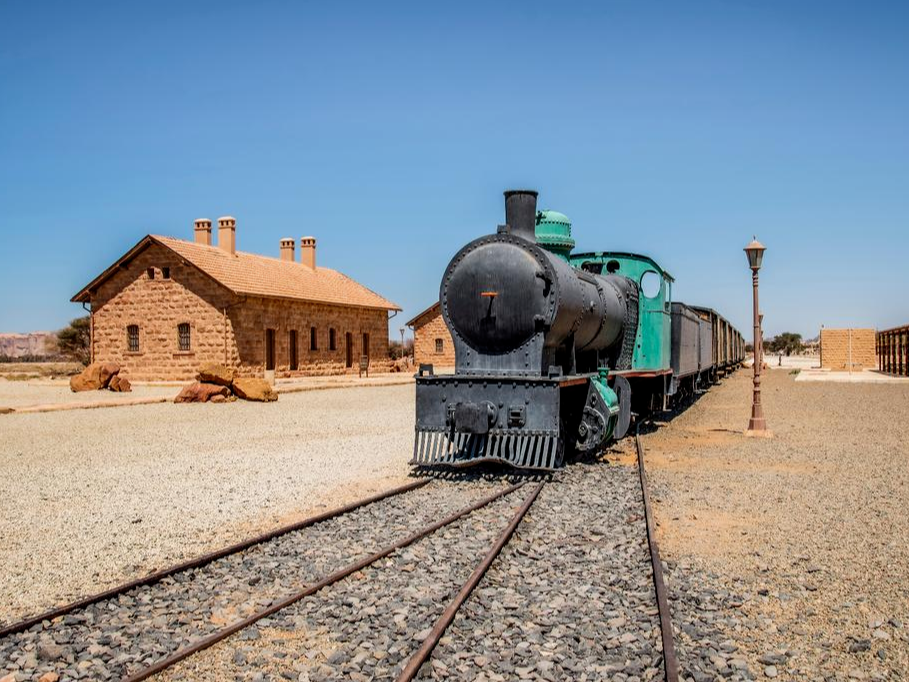
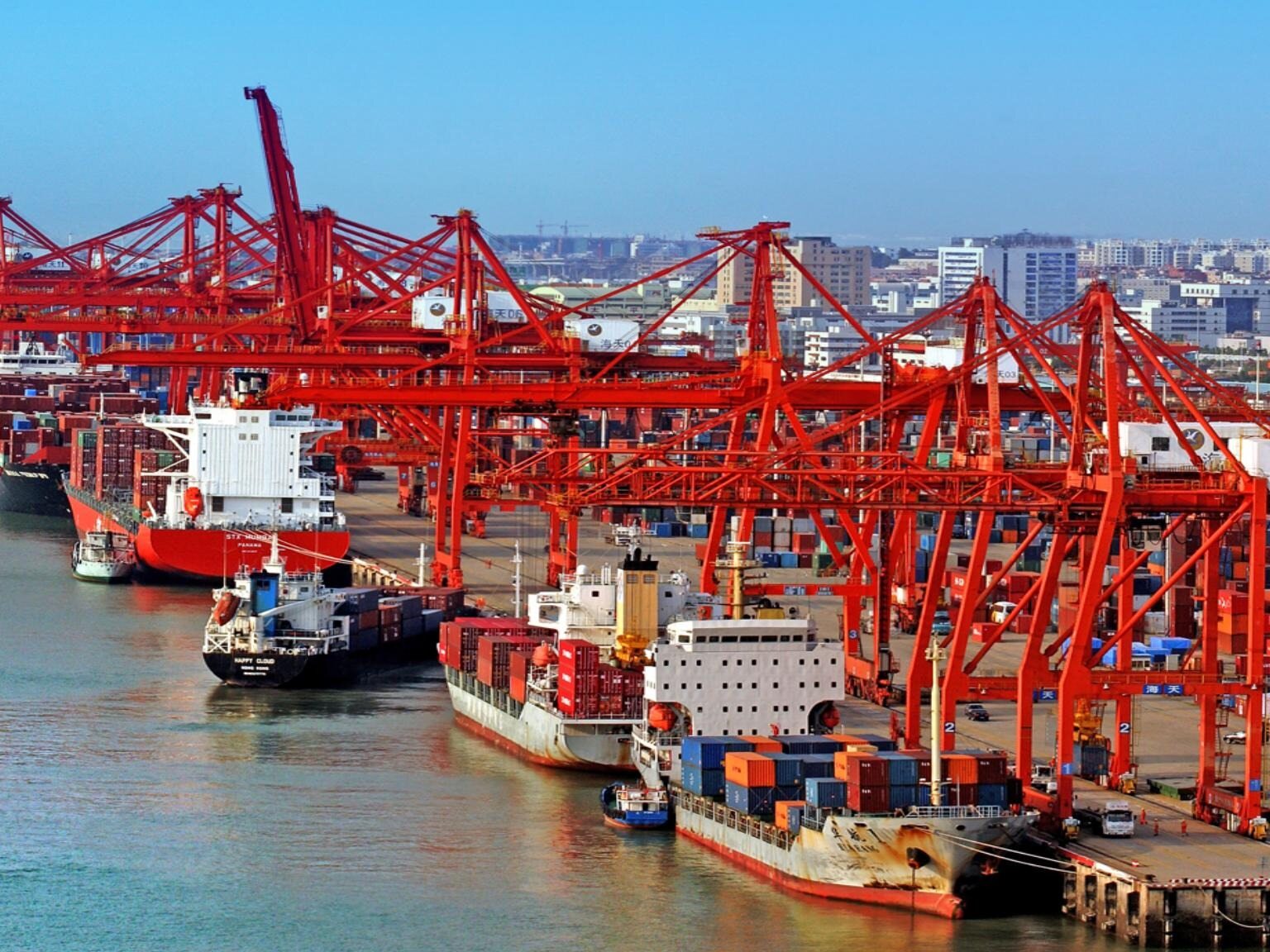
In the field of infrastructure, funds will be focused on the construction of three major networks: transportation, energy, and water conservancy. In terms of transportation, we will continue to promote the expansion of Walvis Bay Port and the upgrading of cross-border railways, opening up trade channels between Namibia and neighboring countries such as Angola and Zambia, helping them rely on the framework of the African Continental Free Trade Zone to build a regional logistics hub in southern Africa, and reducing the transportation costs of core resources such as mineral products and green hydrogen. In the energy sector, the focus is on renewable energy substitution. While increasing the existing 59.5% electricity penetration rate to universal coverage, the emphasis is on supporting the development of the green hydrogen industry chain. Leveraging Namibia's abundant solar and wind energy resources, we will promote the landing of hydrogen production plants and energy storage facilities, and help the country build a regional green hydrogen industry benchmark. In terms of water conservancy, we will expand the coverage of clean water and sanitation facilities in rural areas, break through the bottleneck of development in arid areas, and lay a solid foundation for sustainable agricultural development and improvement of people's livelihoods.
Enhance economic resilience
The launch of this strategic plan coincides with a critical juncture when Namibia is facing multiple external challenges. The recent imposition of tariffs and reduction of official development assistance by the United States have put additional pressure on this highly dependent economy, while global mineral price fluctuations continue to affect the stability of its export revenue. Our strategic core is to provide a 'bulletproof vest' for the Namibian economy by diversifying export markets, strengthening regional integration, and enhancing domestic production capacity, "said Moono Mupotola, Deputy Director General for Southern Africa and Country Manager for Namibia at the African Development Bank
In fact, the cooperation between the Bank of Africa and Namibia has already laid the groundwork. Over the past decade, the Bank of Africa has invested a total of 658.1 million US dollars to support the expansion of the Walvis Bay Port, railway upgrades, and the construction of 27 educational institutions in the country, laying a solid foundation for cooperation in this large-scale financing. The new strategy is highly aligned with Namibia's 2030 Vision and Africa 2063 Agenda. Through infrastructure connectivity and industrial diversification transformation, it will promote Namibia's transition from a "resource exporting" to a "value creating" economy. It is expected to create thousands of direct and indirect jobs and gradually reverse the downward trend of per capita income from $5942 in 2012 to $4240 in 2024.
Creating a new benchmark for development
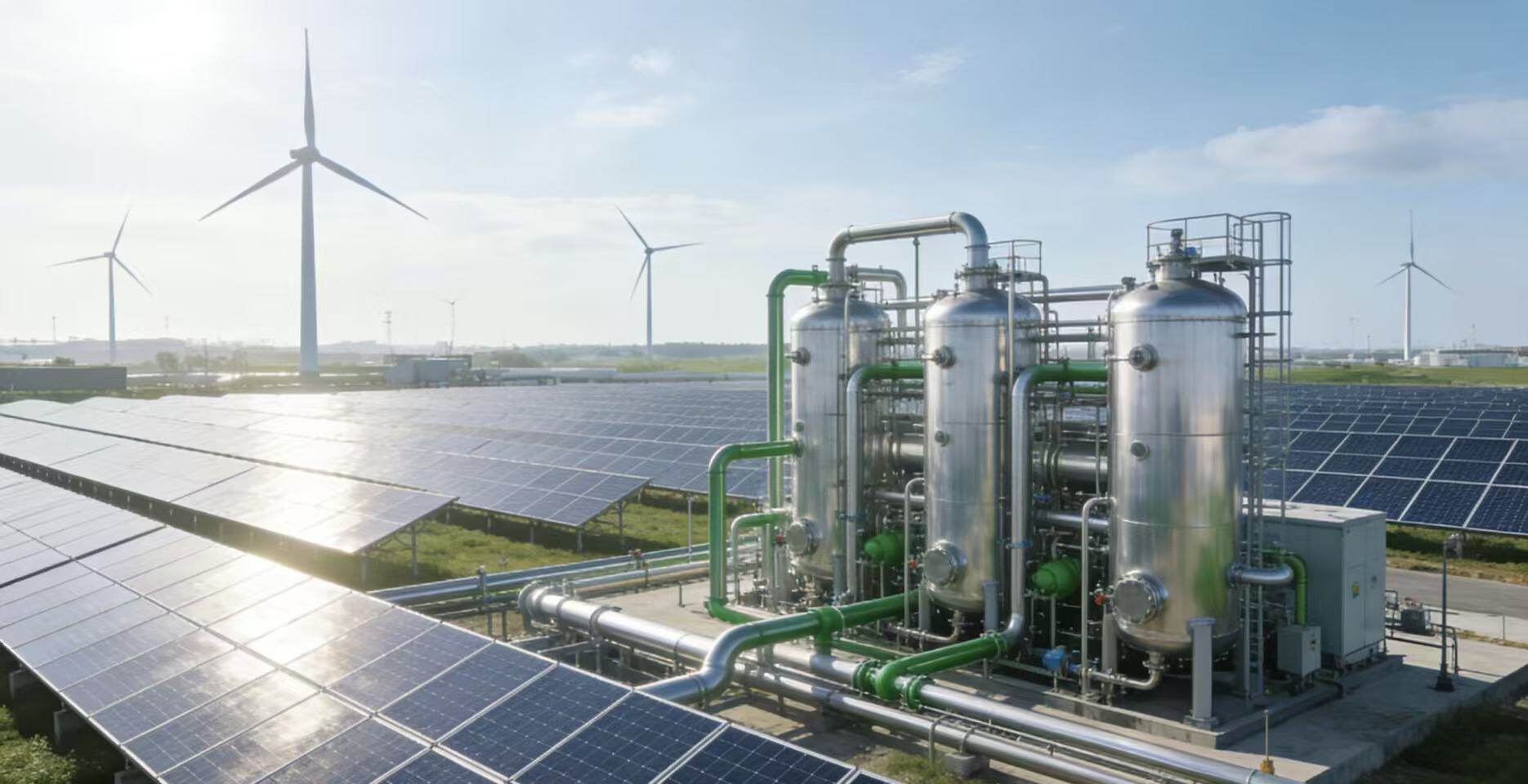
In Namibia's transformation blueprint, the green hydrogen industry is undoubtedly the most dazzling growth point, and it is also the area that the non bank funds are focusing on this time. As one of the top five wind and solar energy resources in the world, Namibia has launched the Southern Corridor Development Initiative (SCDI) Green Hydrogen Plan, planning to build a globally leading green hydrogen production base. The injection of $1.78 billion in funding will accelerate the implementation of this vision.
The transformation path of Namibia has also provided vast cooperation opportunities for Chinese enterprises. China and Nepal have already accumulated a deep foundation of cooperation in infrastructure, energy and other fields. Projects such as the Northern Highway and Youth Training Center, which China has assisted in building, have become models of cooperation. Commercial projects such as CGN Hushan Uranium Mine are also steadily advancing.
The strategy has been officially launched and the first batch of projects are expected to be implemented in early 2026. The injection of 1.78 billion US dollars is not only a combination of numbers, but also the determination and confidence of Namibia to overcome its development difficulties. In the future, with the improvement of infrastructure, the rise of the green hydrogen industry, and the enhancement of human capital, this "rich mineral poor country" will eventually overcome its imbalance and become a benchmark for sustainable development on the African continent with a new attitude of economic diversification and inclusive growth. This transformation journey will also witness more win-win stories of international cooperation.Editor/Bian Wenjun
Comment

 Praise
 Collect
 Comment

 Share
Share


Write something~