 Search


- As a symbol of Germany's infrastructure, the complete restart of Deutsche Bahn is a national reputation saving action
- This round of restructuring aims to streamline the board of directors and reduce management levels, directly promoting faster decision-making and clearer responsibilities for Deutsche Bahn
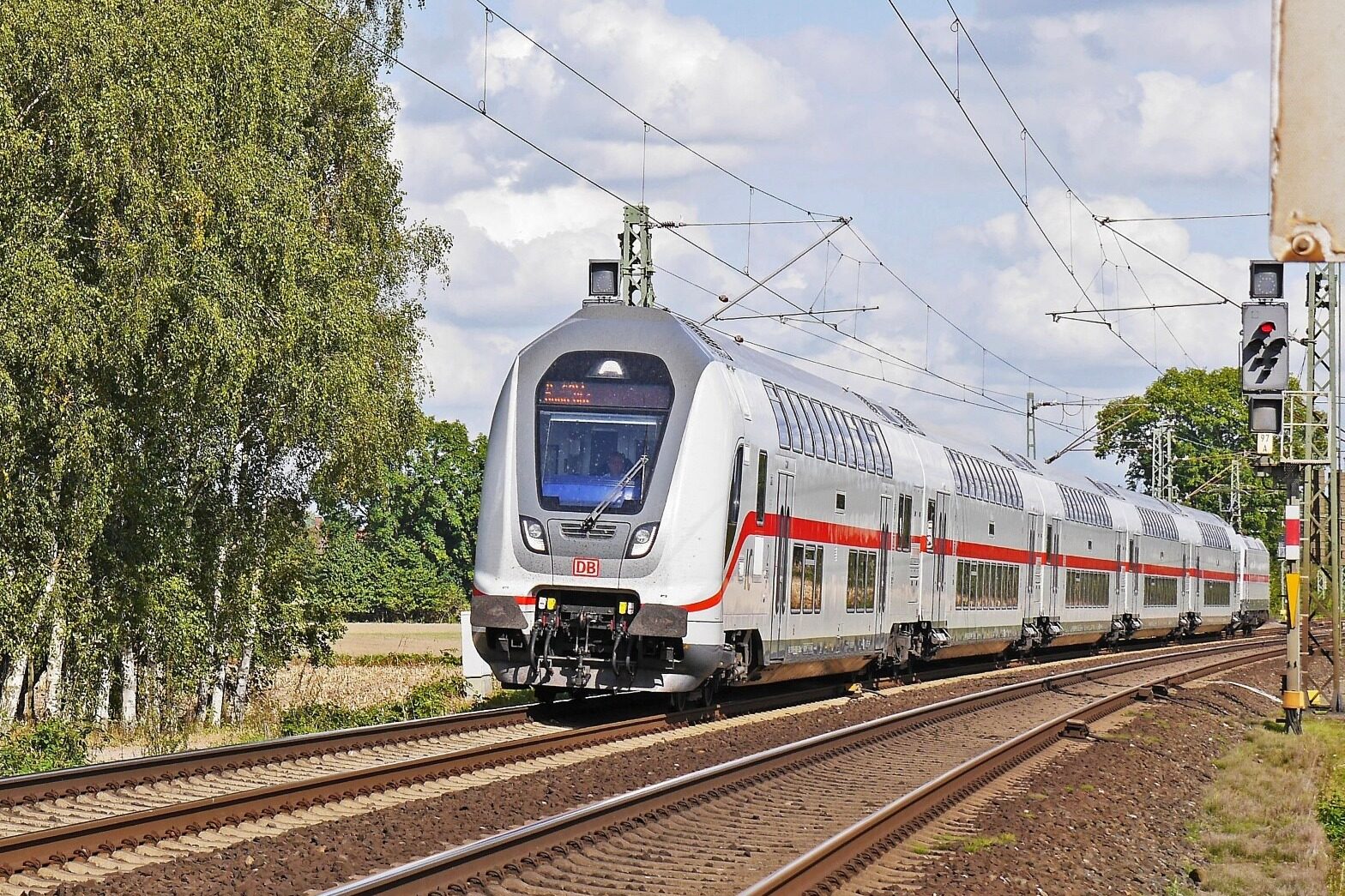
For many Germans who rely on railway transportation, Deutsche Bahn is a love hate relationship. It is the blood vessel that connects cities and rural areas, but in recent years, delays, cancellations, and unreliability have almost become synonymous with it.
In August of this year, Richard Lutz, the former CEO who had served for eight years, was dismissed by the Minister of Transportation due to the company's continued losses and declining service quality. Subsequently, Evelyn Parra, a female executive from South Tyrol, Italy, was appointed in a crisis and officially took over one of the largest railway companies in Europe on October 1st.
This new CEO, described by the German newspaper Bild as coming to save our crisis ridden railway, announced a far-reaching restructuring plan in December after more than two months in office.
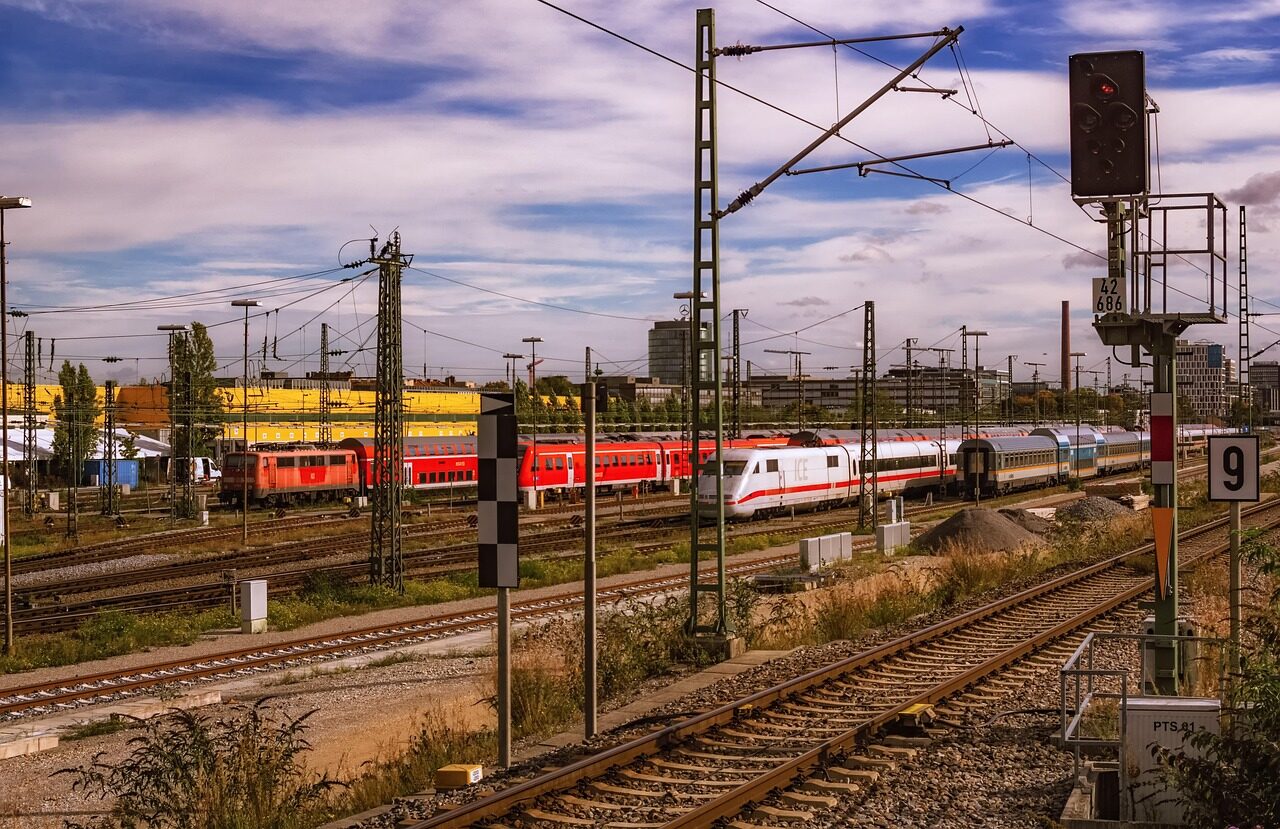
From hitting bottom on time to huge losses
The difficulties faced by German railway companies are comprehensive. At the service level, its core indicator - on-time performance - has fallen to a historical low. According to reports, the punctuality rate of Deutsche Bahn's long-distance trains in 2024 was only 62.5%, setting the worst record in at least 21 years. An analysis comparing Deutsche Bahn with other railway companies in Europe shows that its reliability ranks second to last among 27 operators.
Financially, Deutsche Bahn is also struggling. In the first half of 2025, the overall loss of the company reached 760 million euros. Its freight subsidiary DB Cargo has also been in a long-term deficit and is facing pressure from the European Commission to achieve profitability by 2026.
Behind these appearances are deeper structural issues: bloated bureaucratic systems, aging and poorly maintained infrastructure, and complex corporate structures intertwined with operational and infrastructure functions.
Large scale restructuring, streamlining architecture and improving efficiency
The answer given by the new CEO Para in the face of the difficult situation is a thorough rethinking and a unanimous restart. Its core strategy is to surgically streamline and restructure this massive state-owned enterprise. According to the plan, starting from January 1, 2026, Deutsche Bahn will implement a completely new corporate architecture. The number of members on the executive board of the group will be reduced from 8 to 6, with the technology and digitalization department and infrastructure department being disbanded.
At the management level, the entire intermediate layer between the board of directors and the first management level will be abolished. The number of organizational units at the first management level will be significantly reduced from 43 to 22. These measures aim to reduce redundancy, simplify decision-making processes, clarify responsibility allocation, and bring organizations closer to the front line of business.
Dual approach of restructuring and investment
Para's reform is not just about subtraction. Along with the announcement of the restructuring, there are three immediate action plans aimed at directly enhancing passenger experience, with plans to invest over 140 million euros in additional funds for this purpose.
These plans focus on improving the comfort of long-distance trains, enhancing customer communication, and strengthening station safety and cleanliness. This indicates that the core goal of the restructuring is ultimately aimed at reshaping a customer-centric service culture. In addition, a key direction of structural adjustment is to strengthen the independence of infrastructure manager DB InfraGO to support the federal government's long-term goal of separating railway operations from infrastructure management. The management committee members of DB InfraGO will also be reduced from 8 to 6.
Any management reform without substantial hardware improvements is difficult to fundamentally reverse the situation. Fortunately, Parra's reforms were supported by an unprecedented infrastructure investment plan by the German government. The German government has launched a national infrastructure fund with a total amount of 500 billion euros. As a top priority, the railway system will receive up to 10.5 billion euros in funding by 2025. This funding will be used for a large-scale renovation and digital upgrade of the aging German railway network. Deutsche Bahn has signed long-term framework agreements worth over 6.3 billion euros with companies such as Alstom, planning to upgrade digital signal and train control systems for at least 1890 interlocking units by 2032.
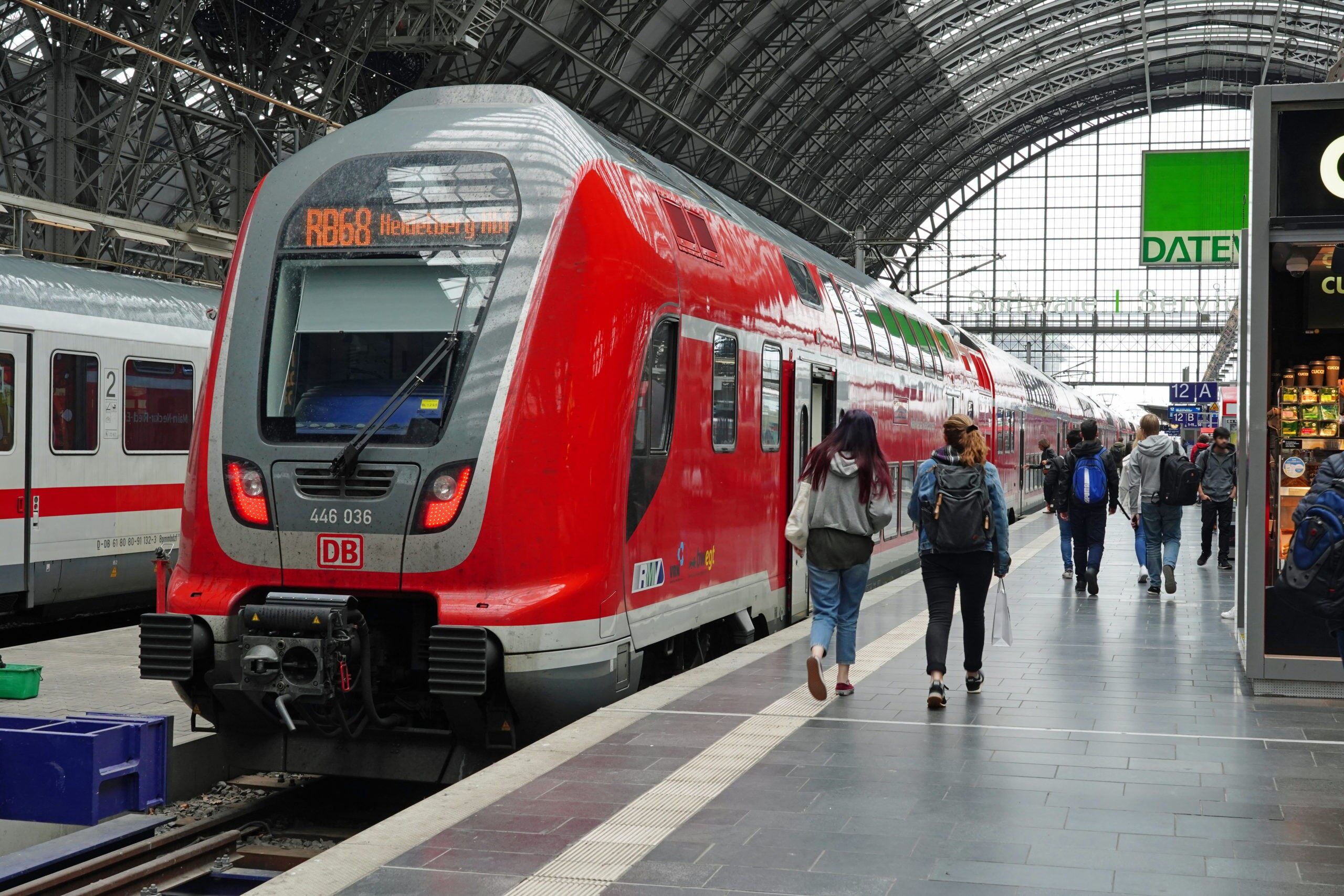
However, large-scale construction may further affect train operations in the coming years. For this reason, German Transport Minister Schneider has adjusted the realistic goal of achieving a 70% on-time rate for long-distance trains by 2029. Keywords: international news, transportation news
Para maintains a clear understanding of the future of Deutsche Bahn. At the beginning of her tenure, she admitted, "Nothing can be achieved overnight. This is not a sprint, the renovation of Germany's railway infrastructure will be a marathon. The endpoint of this marathon is to rebuild a timely, reliable, and efficient German railway system. Para's restructuring plan is just a crucial first step in this long journey.Editor/Cheng Liting
Comment


 Praise
 Collect
 Comment

 Share
Share


Write something~