 Search


- Analysis of Indonesia's Steel Import Quota System: Chinese Enterprises Need to Master the Key Points of PI Application

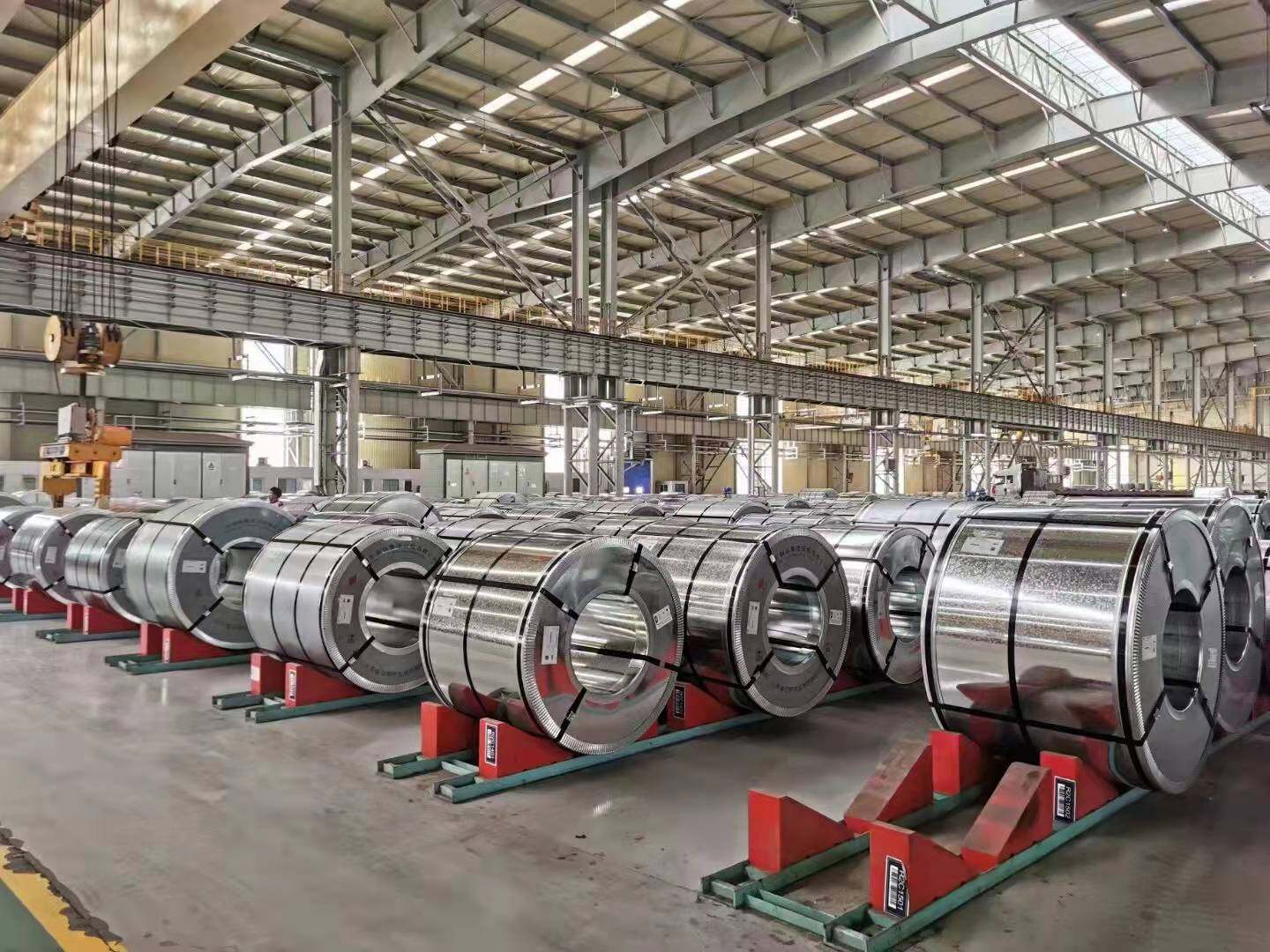
Steel is one of the most critical building materials for infrastructure construction in Indonesia. Whether it is infrastructure, real estate, industrial parks, power stations, ports, bridges, factories and other heavy industrial projects, steel is an indispensable basic material. However, how to smoothly import steel into the Indonesian market requires mastering professional operating procedures.
In recent years, the Indonesian economy has maintained a rapid growth trend, and the demand for steel has continued to rise. From 2019 to 2023, the import volume of semi-finished and finished steel products in Indonesia was 13.454 million tons, 9.72 million tons, 10.248 million tons, 11.221 million tons, and 12.417 million tons, respectively. Although there were fluctuations in 2020 due to the impact of the epidemic, the overall trend showed an upward trend.
Although Indonesia has abundant natural resources, its domestic steel production capacity is still insufficient. In 2022 and 2023, Indonesia's crude steel production will be 15.6 million tons and 16.8 million tons respectively, ranking 15th and 14th globally. At present, local production capacity is mainly concentrated in the low-end product field, and high-end steel still needs to be imported in large quantities.
To change this situation, the Indonesian government has adopted a dual strategy: on the one hand, actively attracting foreign investment to build local steel mills and enhance local supply capacity; On the other hand, regulating steel imports through the import quota system can improve the utilization rate of local steel mills' products.
Detailed Explanation of Import Quota System
In Indonesia, steel imports must obtain official approval in advance: import permits and quotas (PI). Without this permission, the goods will not be able to clear customs upon arrival at the port, which will not only incur high storage costs but also seriously affect the progress of the project.
According to different usage purposes, PI applications are mainly divided into two categories:
Trade purpose: The applicant needs to first identify the factory or construction company with the demand and sign a formal contract before applying for PI. The factory needs to hold a production license, and the construction company needs to have the corresponding qualifications.
Project self use: Importing steel for specific engineering projects, such as bridge, power plant, or factory construction. The approval process for this type of "project-based PI" is relatively clear, requiring proof materials such as project contracts, construction permits, and schedules.
Key points for project self use PI application
Under the category of self use in the project, the applicant can be the owner or contractor, but sufficient supporting materials must be provided to prove that the steel will be used for the declared project. The required materials for different applicants may vary slightly:
Contractor application: A construction general contract or project authorization document must be provided to prove that they have the authority to import materials for the project.
Owner application: Project approval or development permit is required to prove that the imported steel is for personal use rather than trade purposes. (This article is from the official website www.seetao.com of Jian Dao. Reproduction without permission is prohibited, otherwise it will be prosecuted. Please indicate Jian Dao website+original link when reprinting.) Jian Dao website infrastructure engineering column editor/Yang Beihua
Comment




 Praise
 Collect
 Comment

 Share
Share


Write something~