 Search


- Dubai Electricity and Water Authority invests AED 7.6 billion to expand power grid, supporting sustainable development
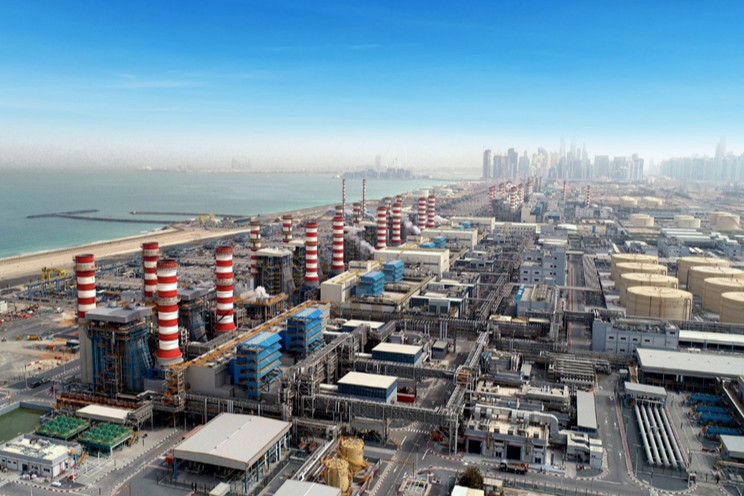
Dubai Electricity and Water Authority (DEWA) recently announced that it will invest 7.6 billion dirhams (approximately 14.7 billion RMB) to expand its power transmission network, in support of Dubai's economic and social development goals, and to enhance the reliability and efficiency of energy infrastructure. In the first half of 2025, DEWA has invested 725 million dirhams to build four 132 kV substations with a total conversion capacity of 450 megavolt amperes, and laid 228 kilometers of transmission cables.
According to the plan, DEWA will build 49 new 132 kV substations and 2 new 400 kV substations in the next three years, while bidding for the construction of 57 132 kV substations and 160 kilometers of underground cables. These projects aim to meet Dubai's growing energy demand.
DEWA's power expansion project integrates advanced technologies from the Fourth Industrial Revolution. As of now, its power grid system includes 391 substations, including 27 400 kV substations and 364 132 kV substations. These projects have accumulated over 4.5 million working hours, significantly improving system availability, reliability, and security through digital means.
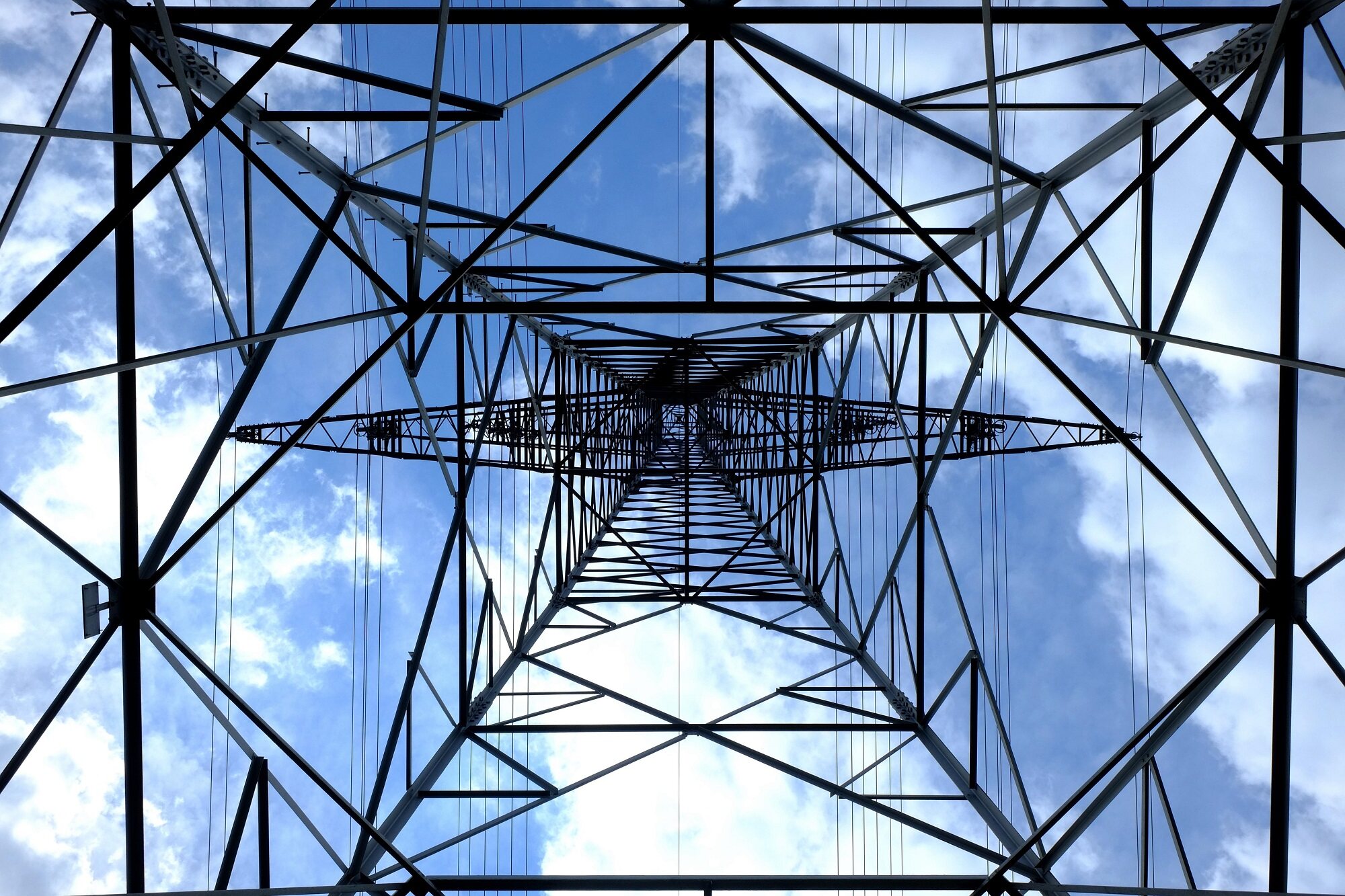
In addition, DEWA has awarded a contract worth 1.1 billion dirhams for the construction of 132 kV substations in 10 areas including Al Barsha South 2, Business Bay, and Dubai Silicon Valley, and has invested 288 million dirhams to lay 60.6 kilometers of cables for interconnection.
This series of measures is highly aligned with the vision of Sheikh Mohammed bin Rashid Al Maktoum, the ruler of Dubai, to build sustainable energy infrastructure for the future. According to the analysis of the Arab China Industry Research Institute, DEWA's energy projects not only lay the foundation for Dubai's development, but also set a benchmark for energy transformation in the Middle East region.
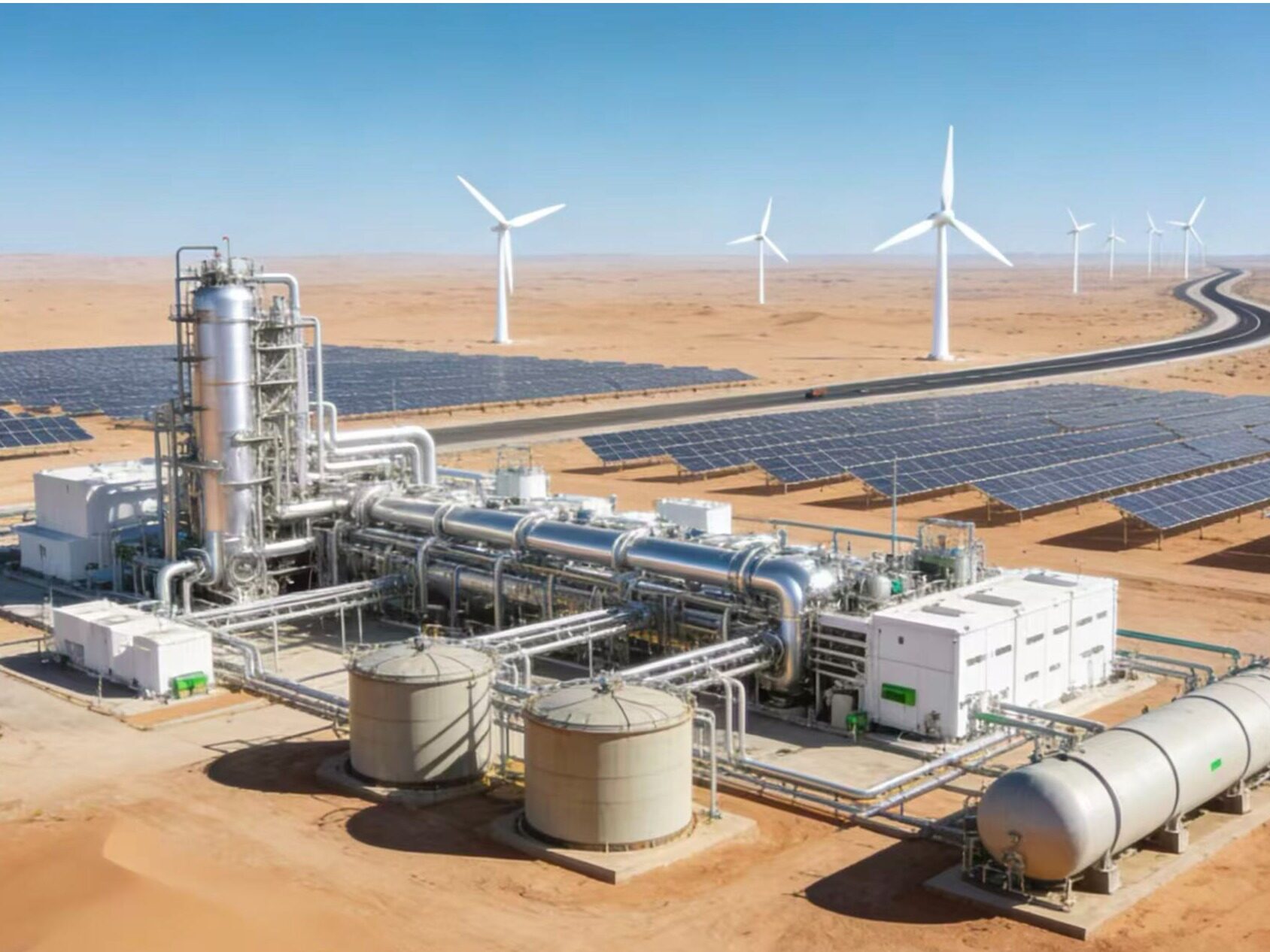
In terms of green energy, DEWA actively promotes the application of renewable energy and intelligent technologies to support Dubai's net zero emissions target by 2050. For example, the Hata project combines renewable energy and ecotourism to provide power to remote areas while promoting low-carbon development. In the future, DEWA will continue to increase investment in smart grids and clean energy to address the energy challenges brought about by population growth and economic diversification.Jian Dao website infrastructure engineering column editor/Yang Beihua
Comment



 Praise
 Collect
 Comment

 Share
Share


Write something~