 Search


- Humanoid robots are accelerating from laboratories to production lines and homes, with a collective breakthrough in technology behind it
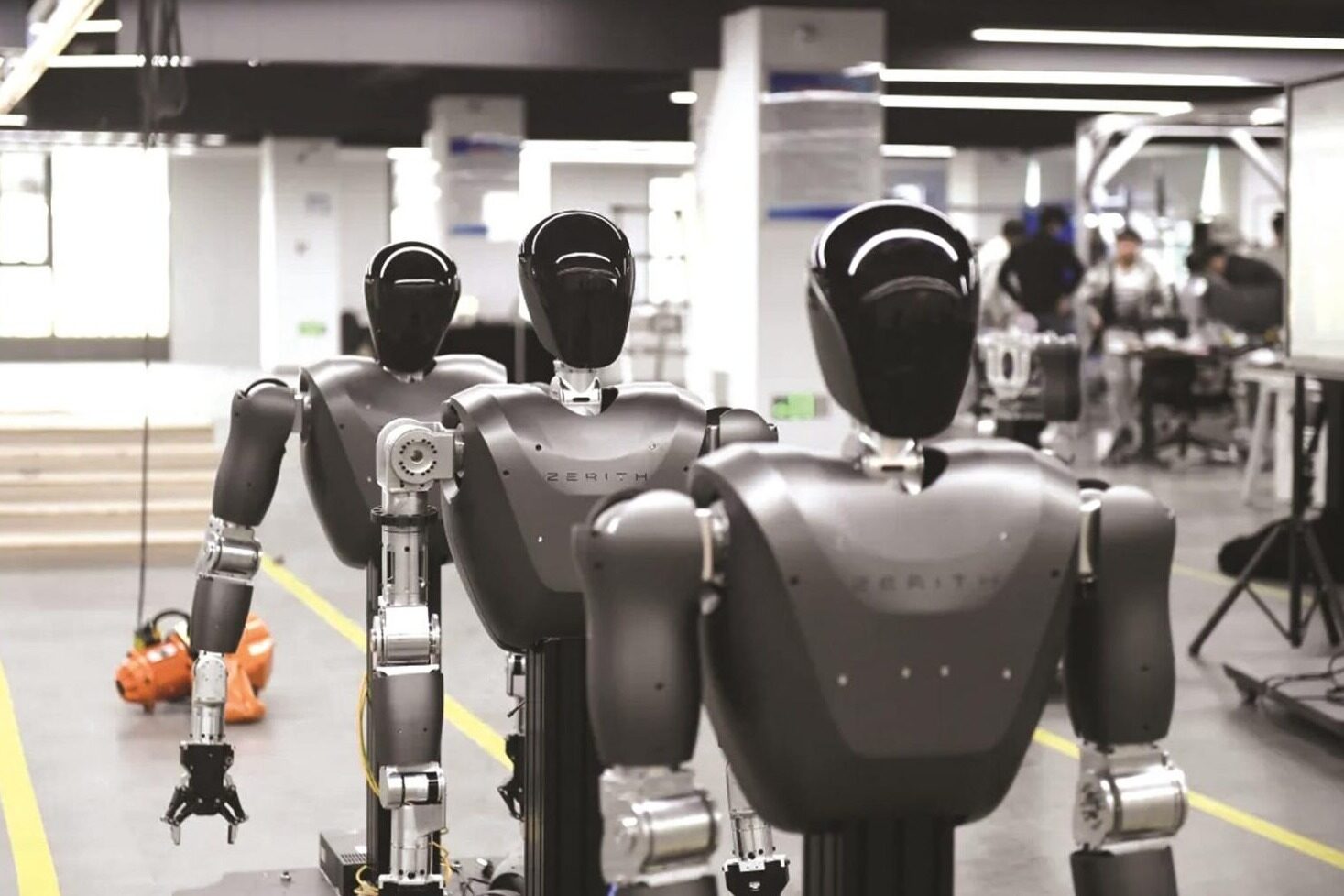
Humanoid robots are taking big strides from the laboratory to reality. At the just concluded 2025 Global Industrial Internet Conference, robots that can independently receive water, accurately weld, and chat in real time are no longer science fiction scenes, but become the focus of the industry. They demonstrate diverse application potential from industrial manufacturing to home services with humanoid appearance and human like intelligence, marking the comprehensive transformation of the robotics industry from a single execution tool to intelligent collaborative partners.
At this conference centered on "intelligent interconnection", a multimodal interactive humanoid robot exhibited by Shenyang Xinsong Robotics became the highlight of the entire event. It can accurately understand voice commands, complete tasks such as receiving water and delivering, and the entire process is smooth and stable. Engineers admitted that compared to traditional products such as robotic arms and inspection vehicles exhibited in previous years, this year's humanoid robots are "more sensitive, smarter, and more human like".
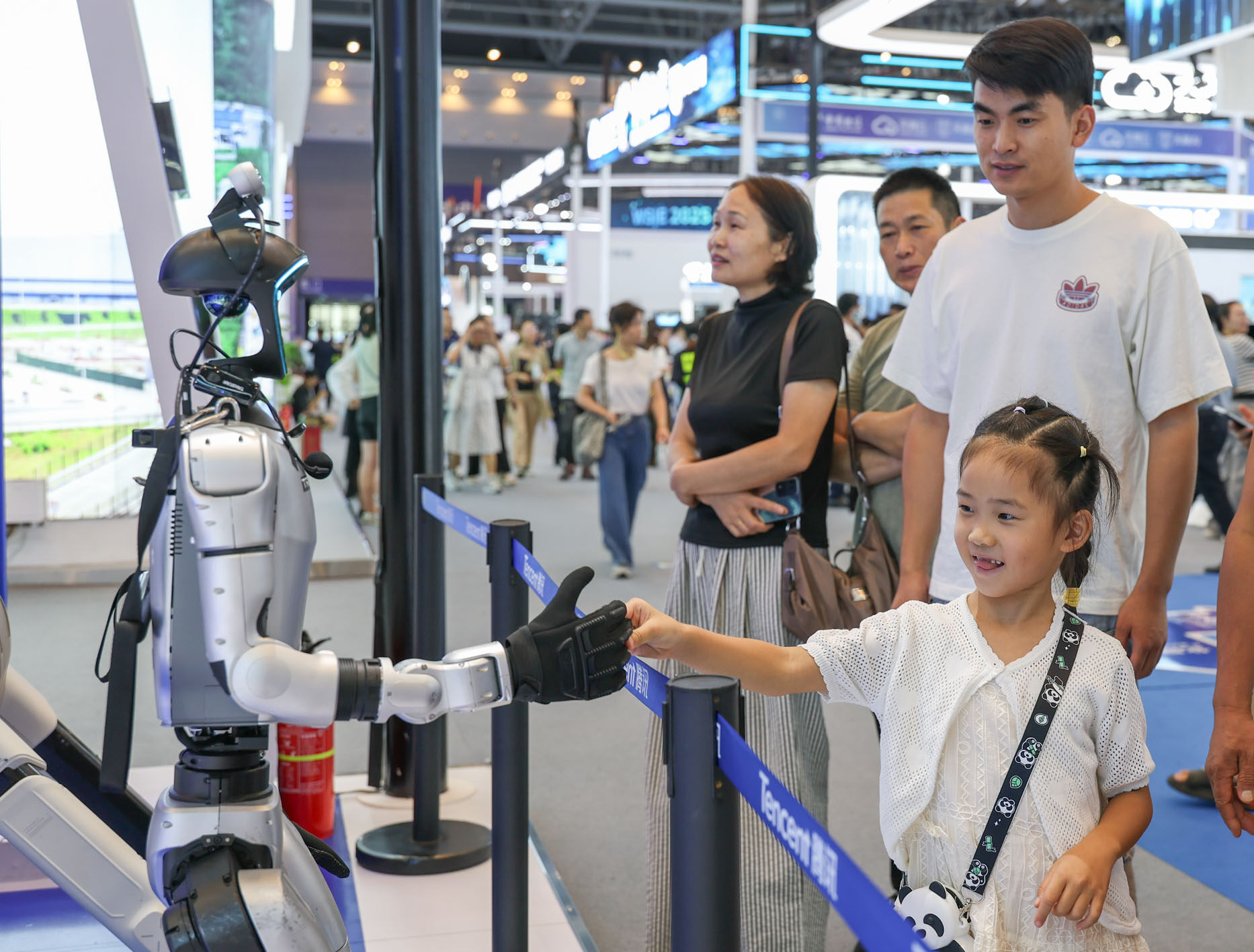
At present, the application scope of humanoid robots is constantly expanding, gradually entering real scenarios such as industrial manufacturing, home services, medical education, logistics and security from display and interaction. The Ubiquitous WalkerS2 can achieve 7 x 24 hours of uninterrupted operation, completing high difficulty grasping and squatting movements; Tesla also plans to deploy over 1000 Optimus Prime humanoid robots in its factories by 2025 to execute complex production instructions.
Why is it necessary to design robots as "humanoid"? Experts point out that the vast majority of facilities and tools in the human world are calibrated based on ergonomics - such as the height of stairs, the handling of vehicles, the way tools are held, and so on. The humanoid form means that robots can seamlessly integrate into existing environments without the need for adaptation and modification, thereby significantly reducing landing costs.
Since the first humanoid robot was introduced in China in 2000, related technologies have continuously broken through. Especially with the rapid development of artificial intelligence and multimodal sensing technology, humanoid robots have gradually moved out of the laboratory, evolving from "dancing mascots" to "true helpers" who can understand, make decisions, and execute. In 2023, the Ministry of Industry and Information Technology will position humanoid robots as "disruptive products" and issue special guidance to accelerate their innovative development.

According to the "Report on the Development of Humanoid Robot Industry (2024)", it is predicted that by 2045, the scale of humanoid robots in use in China is expected to exceed 100 million units, and the overall market size will reach 10 trillion yuan. Beijing, Shanghai, Shenzhen and other places have also introduced policies aimed at building industrial clusters worth billions of yuan within three years.
Despite the broad prospects, the industry is still in the early stages of commercialization. How to improve the environmental perception and task generalization ability of robots, reduce costs, and ensure safety is a real problem that urgently needs to be overcome. But what can be certain is that with the continuous collaborative evolution of the "brain" (AI decision-making), "cerebellum" (motion control), and "limbs" (mechanical structure), humanoid robots will no longer be just efficiency tools, but will become intelligent partners that truly change manufacturing and lifestyle. Editor/Xu Shengpeng
Comment







 Praise
 Collect
 Comment

 Share
Share


Write something~