 Search


- This cooperation will enable Kazakhstan to establish a firm foothold the global supply chain, from key minerals to new energy products
- The triple advantage of "resources+hub+trust" transforms billions of red envelopes into competitiveness for long-term development
While the five Central Asian countries are eagerly anticipating the EU's € 12 billion "big red envelope", Kazakhstan has already secured its position as the "biggest beneficiary" with its inherent advantages and ten-year foundation. Why did this huge investment covering transportation, key minerals, and clean energy make Kazakhstan the "favorite" of the European Union? The answer lies in its irreplaceable resource endowment, pivotal position, and deep cooperation foundation.
The 'essential supplier' for the EU's green transformation
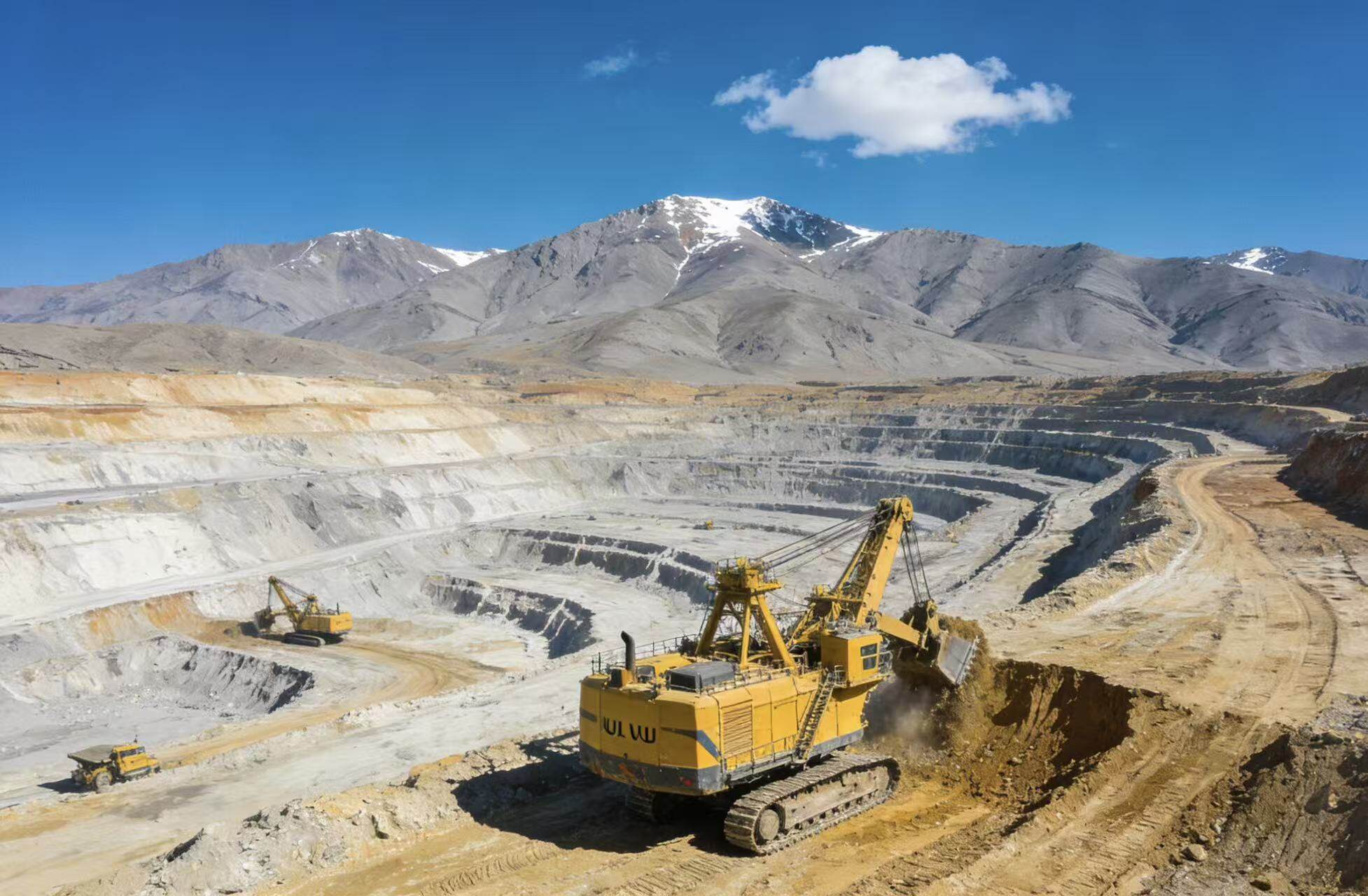
The core demand of the EU's investment is to break away from dependence on a single supply chain and seize key resources for green transformation - and Kazakhstan happens to hold the "lifeline of the future economy". As the global uranium production champion, it has supplied 16% of uranium resources to the European Union, which is an important guarantee for the safety of nuclear power in Europe; The urgently needed reserves of chromium, lead, and zinc in the fields of batteries and new energy rank second in the world, while manganese and copper rank in the top three. Scarce resources such as graphite and lithium are the core goals of the EU's "raw material strategy". The "Saretogan" graphite mine in Karaganda state has been included in the EU's strategic project list.
Of the 12 billion euros, 2.5 billion euros are specifically invested in key mineral fields. Kazakhstan can not only earn a lot of money from resource exports, but also upgrade its mining and deep processing capabilities with the help of EU technology. According to the cooperation plan of both parties, the full industry chain layout from exploration, mining to recycling will upgrade Kazakhstan from a "resource exporting country" to a "high value-added product supplier", completely getting rid of the dilemma of low-priced resource output.
Logistics ATM in Eurasia
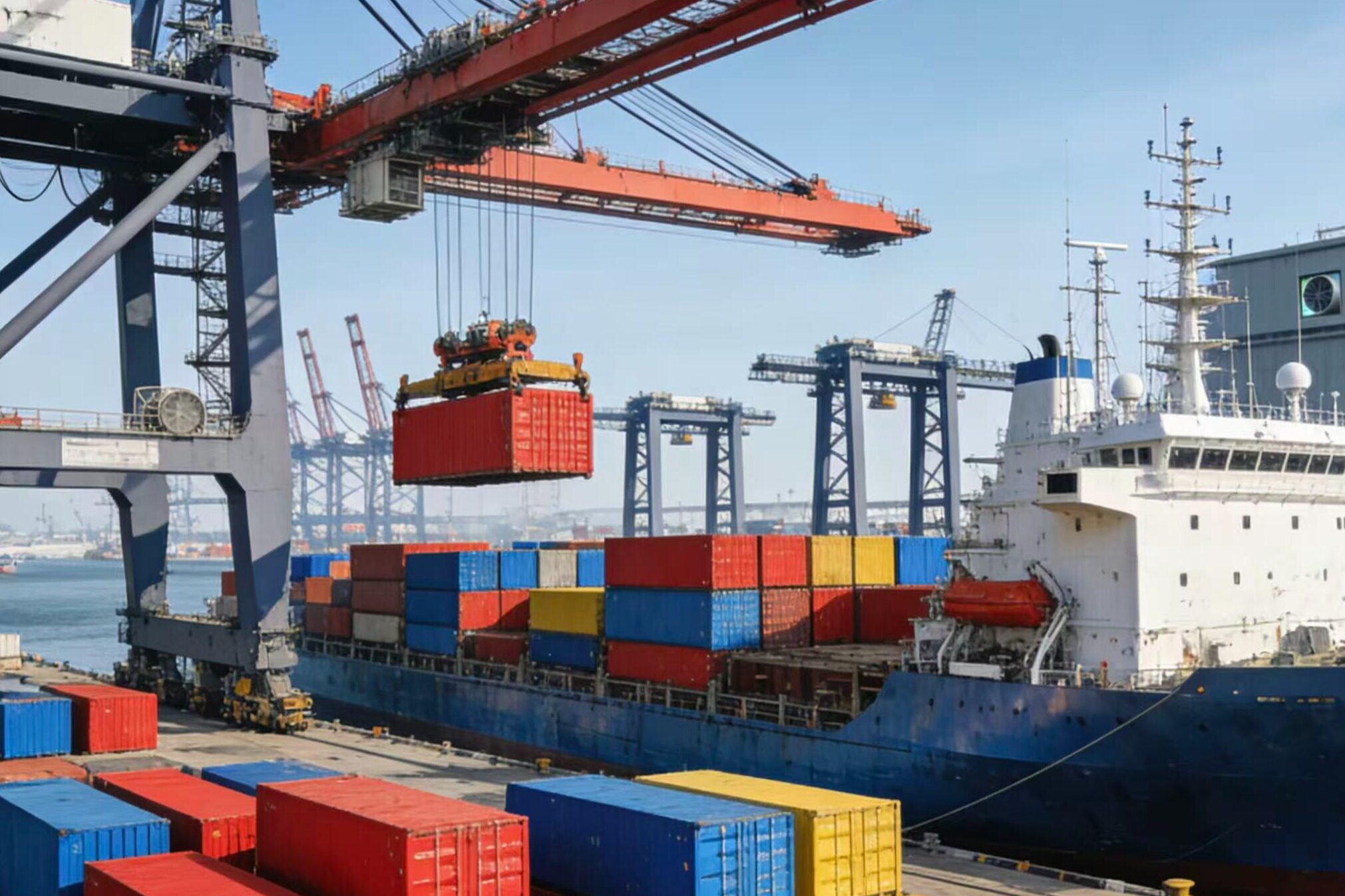
The logic of "building roads first to become rich" also applies in cross-border cooperation, and Kazakhstan has already seized the golden position of Eurasian logistics. As a landlocked country spanning Asia and Europe, it controls the strategic corridor of the Trans Caspian International Transport Corridor, undertaking 70% of the transit transportation volume between China and Europe. The Shuangxi Highway has also reduced the freight time from China to Europe to 10 days, which is three times faster than sea transportation.
The EU's 3 billion euro transportation investment will focus on upgrading the infrastructure of this "middle corridor" - the 27 million ton transport capacity of ports such as Aktau and Kurik will be further released, and the road and railway networks will more efficiently connect western China with the European hinterland. For Kazakhstan, this is not only an upgrade of infrastructure, but also a doubling of "tolls": logistics service fees, warehousing revenue, supporting industry employment, and other chain reactions will completely transform it from a "transit country" to a "Eurasian logistics hub country", receiving sustained cash flow.
The 'trust ballast stone' deeply cultivated for ten years
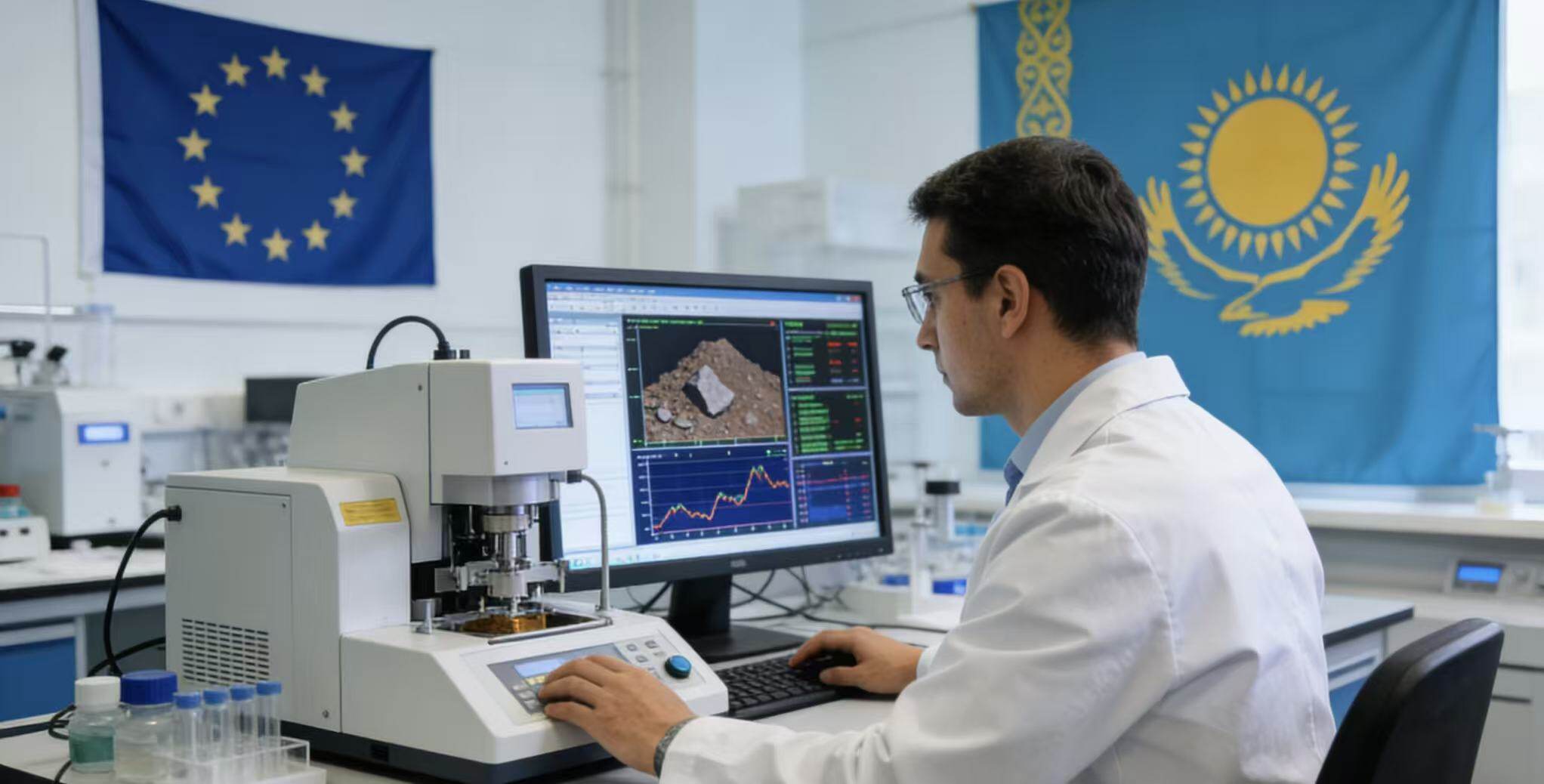
Among the five Central Asian countries, Kazakhstan is the first country to sign the "Expanded Partnership and Cooperation Agreement" with the European Union, and ten years of cooperation have laid a solid foundation of trust. As of early 2025, the EU's cumulative investment in Kazakhstan has exceeded 200 billion US dollars, accounting for 65% of its total investment in Central Asia. The bilateral trade volume has exceeded 50 billion US dollars, and mature cooperation mechanisms have been established in 29 fields.
This "first mover advantage" is fully demonstrated in billions of investments: the EU's "Global Gateway" strategy has listed Kazakhstan as a core partner, and the two sides have finalized specific cooperation projects such as renewable hydrogen and battery industry chains; 77% of the region's highest Internet penetration rate, 100% literacy rate and high skilled low-cost labor (average monthly wage is only 416 dollars) make EU enterprises more willing to take root; The preferential policies such as zero tariffs and zero corporate income tax provided by the 14 special economic zones have further reduced costs and increased efficiency in investment cooperation.
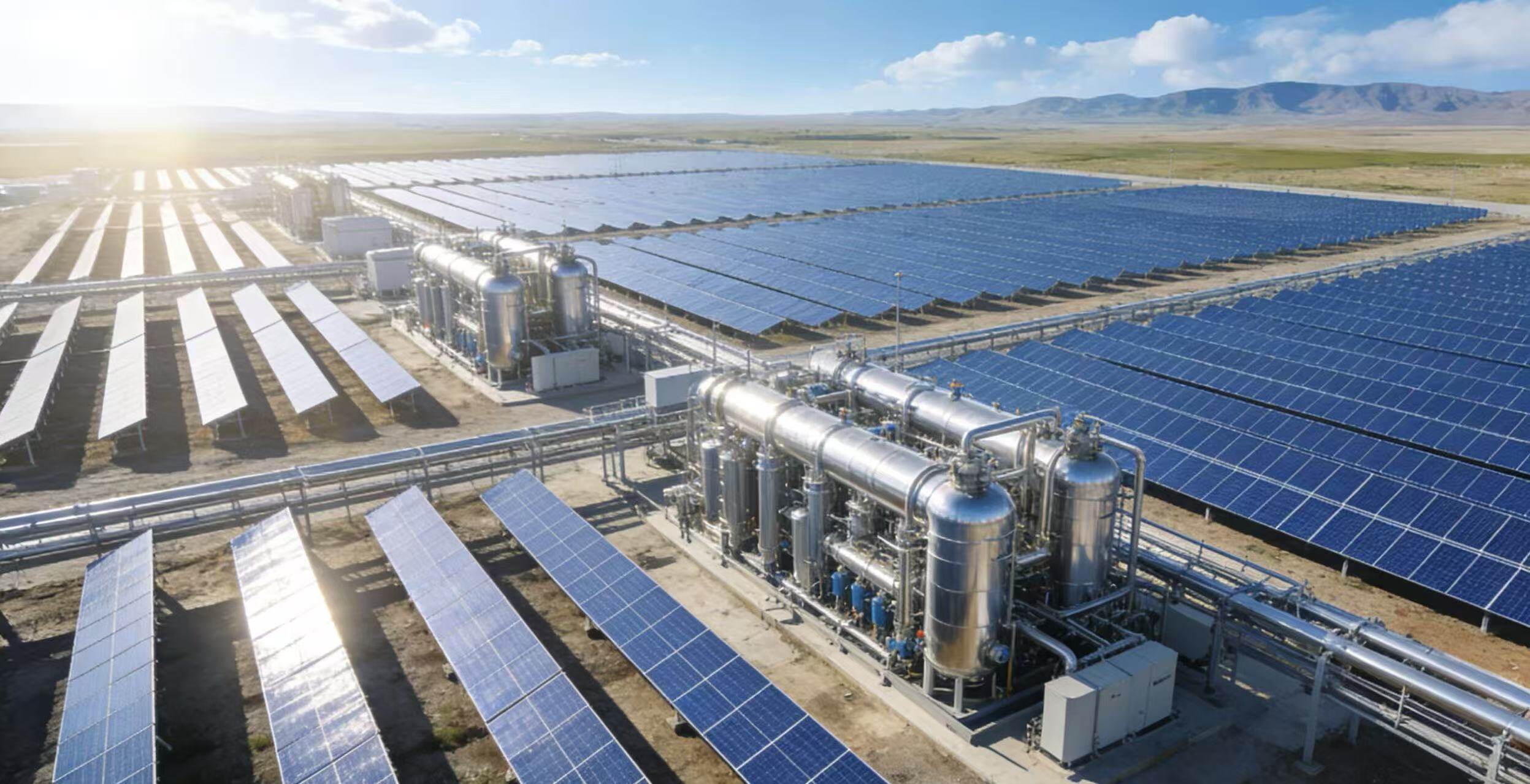
More importantly, this cooperation will enable Kazakhstan to firmly establish itself in the global supply chain - from key minerals to new energy products, from logistics hubs to technology cooperation, its role is upgrading from a "resource provider" to a "strategic partner". While other Central Asian countries are still competing for basic investment, Kazakhstan has already transformed its billion dollar red envelope into long-term competitiveness through its triple advantage of "resources+hub+trust", becoming a "permanent beneficiary" of cooperation between Central Asia and the European Union.Editor/Bian Wenjun
Comment


 Praise
 Collect
 Comment

 Share
Share


Write something~