 Search


- Behind this is the historical imprint of colonial heritage and the oil industry, as well as a game of discourse power among all parties
- The current situation of mixed standards formed by history makes project management full of challenges. The key to breaking through
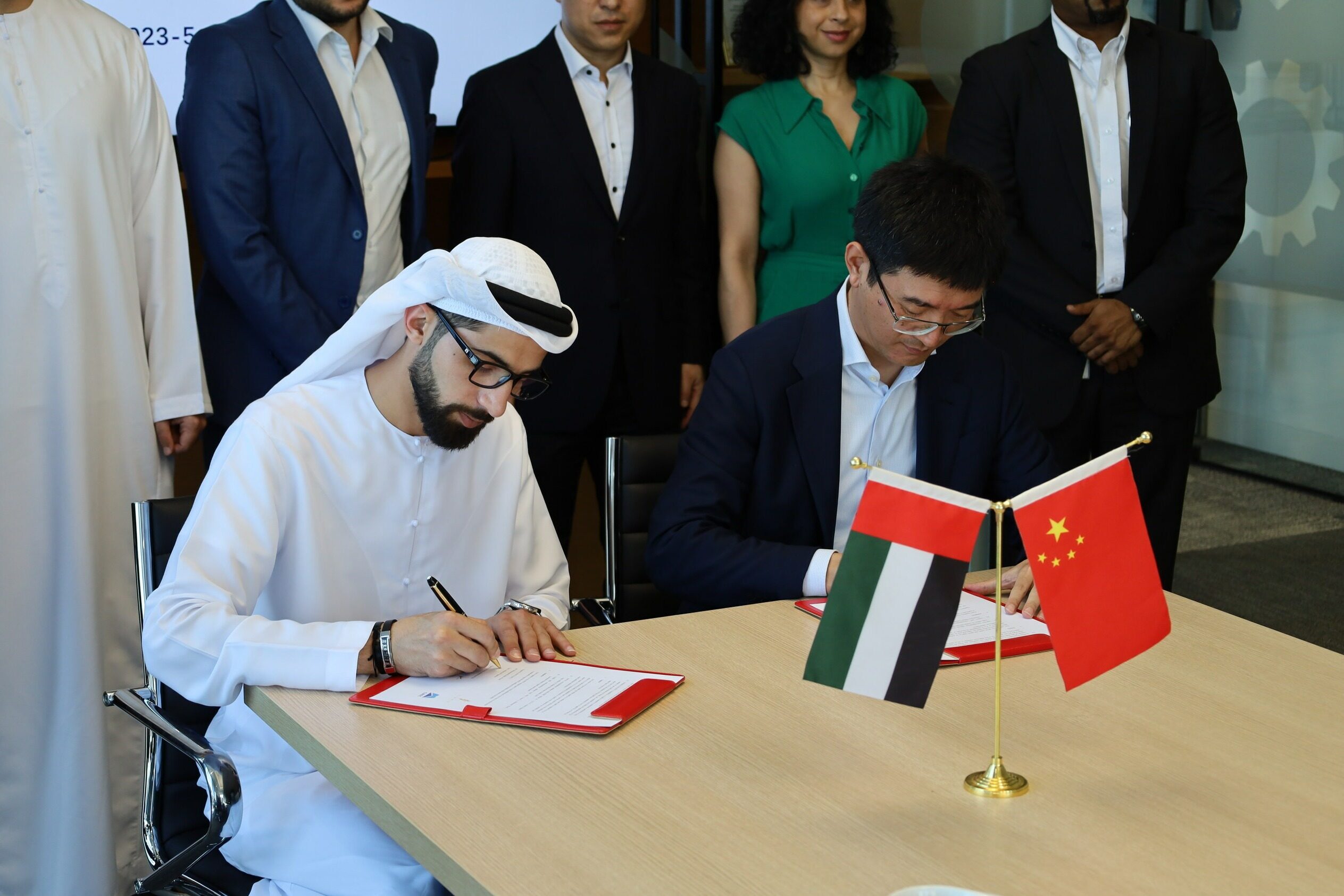
In engineering project departments in the Middle East, the most intense debates often revolve around standard codes rather than the technology itself. The design drawings follow British standards, but construction acceptance requires American standards. Material supply must comply with local regulations, and key equipment certification points to IEC or ISO - this "mixed use of standards" dilemma is a daily routine for every Middle Eastern engineer. This is not a casual request from Party A, but a unique ecology intertwined with colonial history, oil geopolitics, and global industrial chains here. Understanding its underlying logic has become the key to survival and profitability here.
Historical imprint: colonial heritage and input of rules in the oil industry
The mixed use of standards in the Middle East is first and foremost a history textbook engraved in the genes of infrastructure.
The early British colonial rule left a profound institutional legacy for the local area, and the British standard was deeply rooted in the administrative and urban infrastructure system. Until today, from roads and water supply to subway systems and urban planning, British standards remain the default template for many government approvals and public utilities, forming an unshakable 'institutional inertia'.
With the advent of the oil age, American capital and technology surged in. Taking the oil and gas industry as a link, a series of American standards such as API, ASME, ANSI, etc. have become the new "mother tongue" in upstream development, electrical instrumentation and control, and safety and fire protection fields. Especially in oil and gas rich countries such as Saudi Arabia and the United Arab Emirates, the American standard is almost equivalent to the universal language of the petroleum industry.

In order to meet the needs of an increasing number of multinational participants, international standards such as IEC and ISO have emerged with a "neutral" stance. They may not be the technically optimal solution, but they have become the easiest compromise between different systems, especially playing the role of a lingua franca in the fields of electrical equipment and information communication.
Reality Game: The essence of the standard dispute is a power game
Under the surface of multiple parallel standards, it is a silent game concerning discourse power and interests.
A project may switch between different standards throughout the entire process from design, procurement to construction acceptance. European consultants lead the design, leaning towards British or European standards; Materials purchased globally must comply with IEC/ISO standards; And key oil and gas equipment must meet American standard requirements. This standard switch that runs through the project lifecycle greatly increases the complexity and cost of management.
The choice of criteria is far from a purely technical decision. Using English standards often means that project management consultants have greater say; Using American standards highlights the will of oil and gas owners; Adopting IEC may be the result of global supply chain resource balance. The selection of standards accurately maps the complex power relationships behind the project.
The way to break through: How can Chinese enterprises regain the initiative?
Faced with difficulties, Chinese contractors who only passively adapt will always struggle in the low profit zone. We must shift from a strategic perspective, transforming standards from shackles that bind hands and feet to weapons that win benefits.
Firstly, enterprises need to establish a "standard strategic perspective" and proactively compare standards before key project milestones to fundamentally avoid design rework and procurement waste. The core initiative is to establish the key role of "standard engineer" within the team. They are not only technical experts, but also negotiators whose responsibilities include interpreting terms, playing games with consultants, and translating technical differences into clear business language, in order to regain control of the discourse power.

Secondly, we should not blindly cater to every standard change, but rather use rigorous procedures to "lock in legitimacy". Clarify the standard baseline from the bidding stage, use tools such as RFQ and deviation logs to solidify all changes, ensure that any standard adjustments are accompanied by clear cost and responsibility analysis, and achieve recording, confirmation, quantification, and commercialization.
The ultimate goal is to establish a team that can engage in equal dialogue with top international consulting firms. Mature experience in the industry shows that those who can explain standards control profits, while those who only follow standards can only earn wages. In the special battlefield of the Middle East, the real competition is not only about building projects, but also about participating in defining what is qualified. Editor/Yang Beihua
Comment







 Praise
 Collect
 Comment

 Share
Share


Write something~