 Search


- Wind power companies are shifting from "borrowing ports to go global" to "building port control bureaus".
- Building ports by wind power equipment giants has become a new trend, and industry competition has officially entered the era of "ports are king"
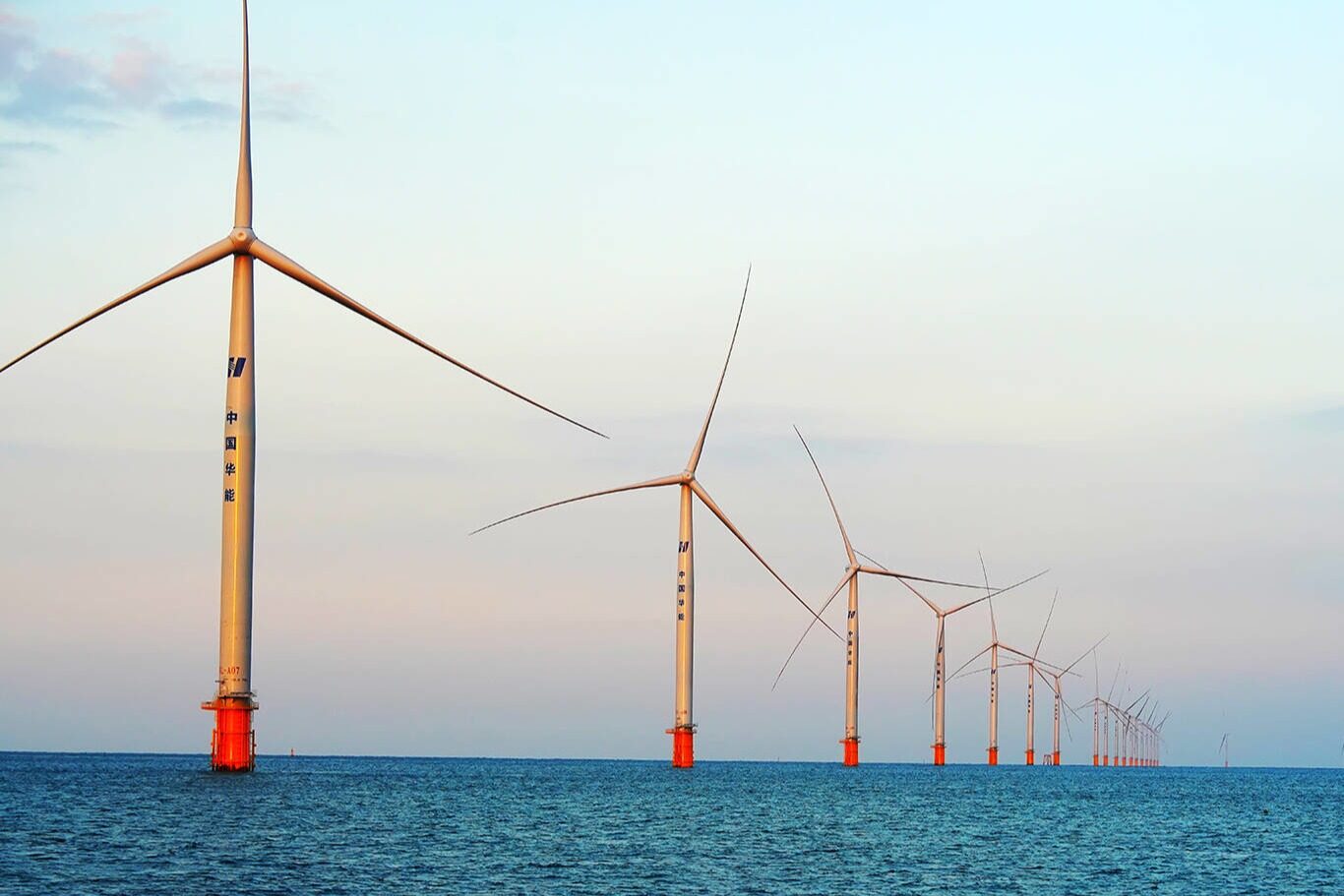
On December 8, 2025, Haili Wind Power announced that it will cooperate with Zhejiang Wenzhou Zhejiang Sea Breeze Home Port Equipment Development Co., Ltd. to construct and operate the first phase of the Zhejiang (East China) Far East Sea Breeze Home Port (core area) project.
New docks, factories, and supporting facilities will emerge here, specifically designed for the production and export of "steel giants" such as offshore wind duct racks. This is not the first time for Haili Wind Power. Prior to this, it had already deployed two key chess pieces in Jiangsu, such as the "Haili Port Pool" in Dongxiaoyangkou, which serves as a core tenant with over 2000 operating ships per year; The dedicated dock in Tongzhou Bay, Nantong, is equipped with the world's first 3600 ton double girder gantry crane, which will officially operate in June 2025. Looking at the entire industry, a "port construction competition" led by enterprises has already quietly begun.
Why do giants compete to build their own ports?
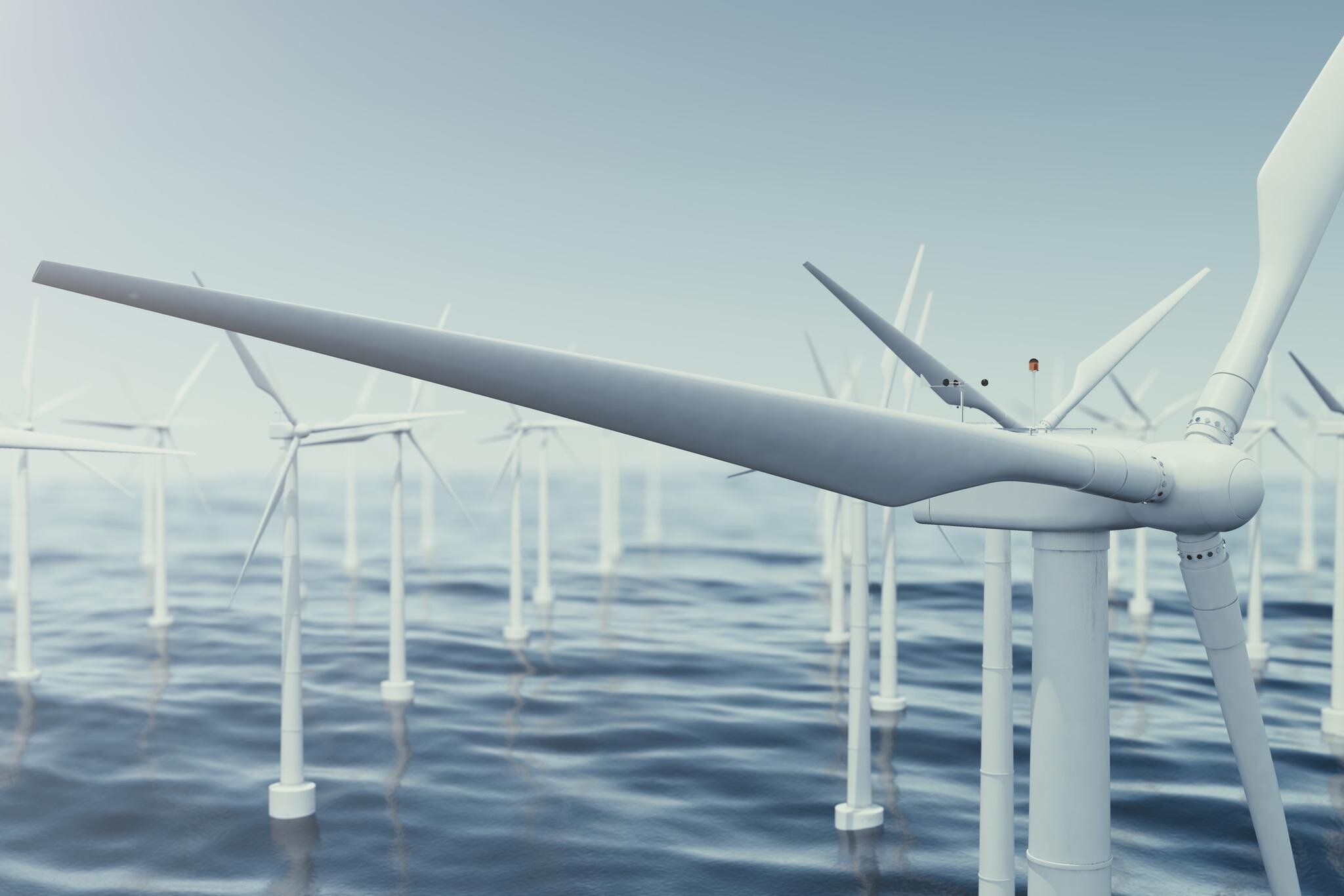
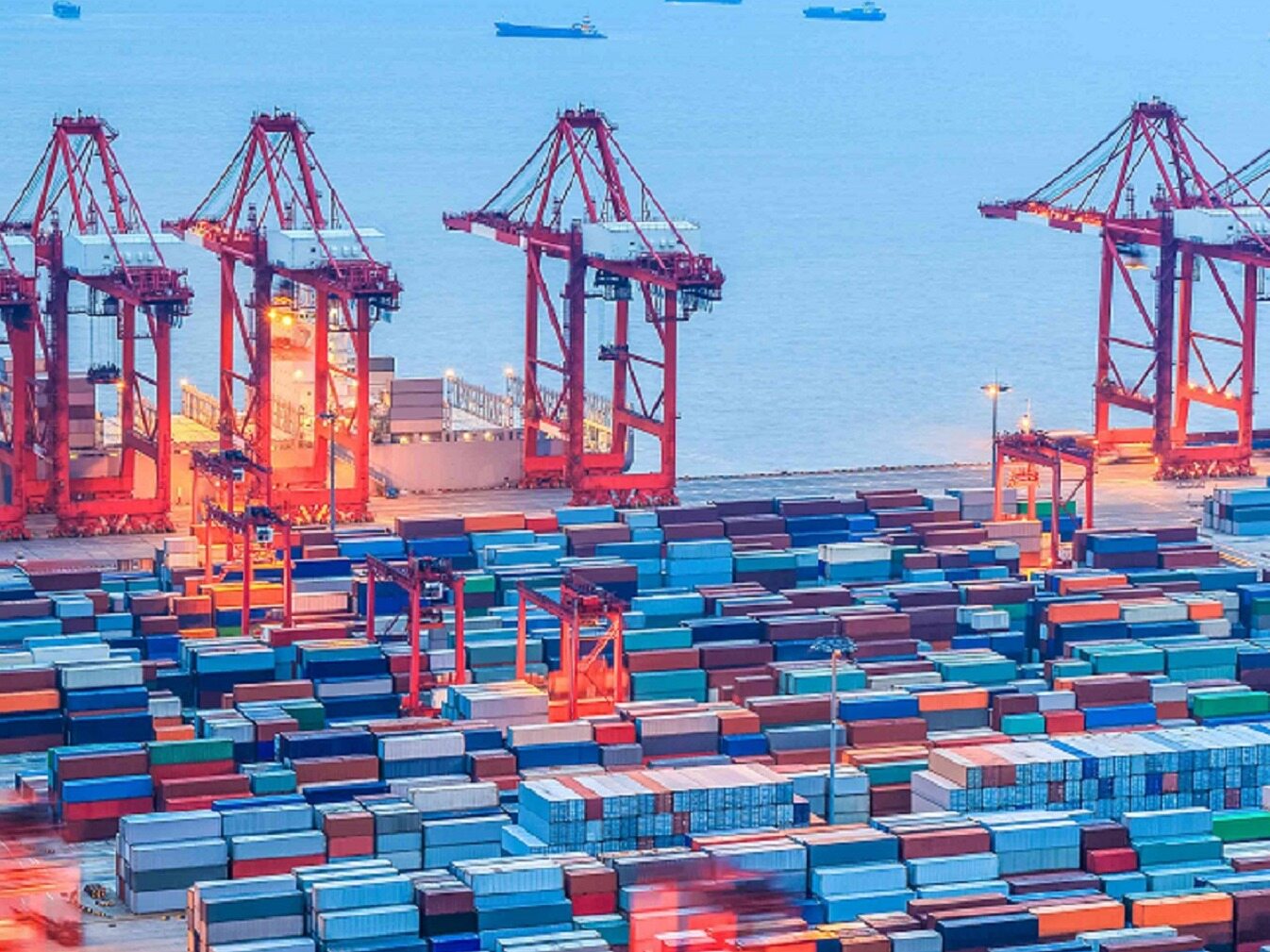
The answer lies in the "body" of wind power equipment itself. Single piles, pipe racks, towers and other massive structures, weighing thousands of tons and varying in size, make land transportation almost impossible. Using a public dock? Long queues, difficult lifting, and high risk of reshipment. So, companies have chosen to build their own docks. Daikin Heavy Industries is a pioneer. It has established three dedicated docks in Penglai, Shandong, Caofeidian, Hebei, and Yangjiang, Guangdong. Among them, Penglai Port has been put into use since 2013, supporting its "sea+overseas" strategy; Caofeidian Port invests 1.86 billion yuan, targeting the European and American export markets; Yangjiang Port is expected to be put into operation in 2025, radiating to southern China. Tian Shun Wind Energy also fired three arrows at once: the self built dock at Guangdong Yangjiang Base is expected to be completed by 2026, equipped with a 2500 ton gantry crane; Jiangsu Tongzhou Bay Base has acquired a specialized terminal for exporting to Europe through acquisition; The Sheyang Base adopts the "exclusive harbor pool+self built dock" model to serve the Yellow Sea Deep Sea project. 'Front port, back factory' has become a standard in the industry. The factory is directly connected to the dock, and heavy components are loaded directly onto the ship through the factory's heavy-duty channel, reducing reshipment, improving efficiency, and controlling costs. This is not only a production demand, but also a strategic bottleneck.
From 'borrowing ports' to' controlling ports', the inevitable choice of the era of deep sea
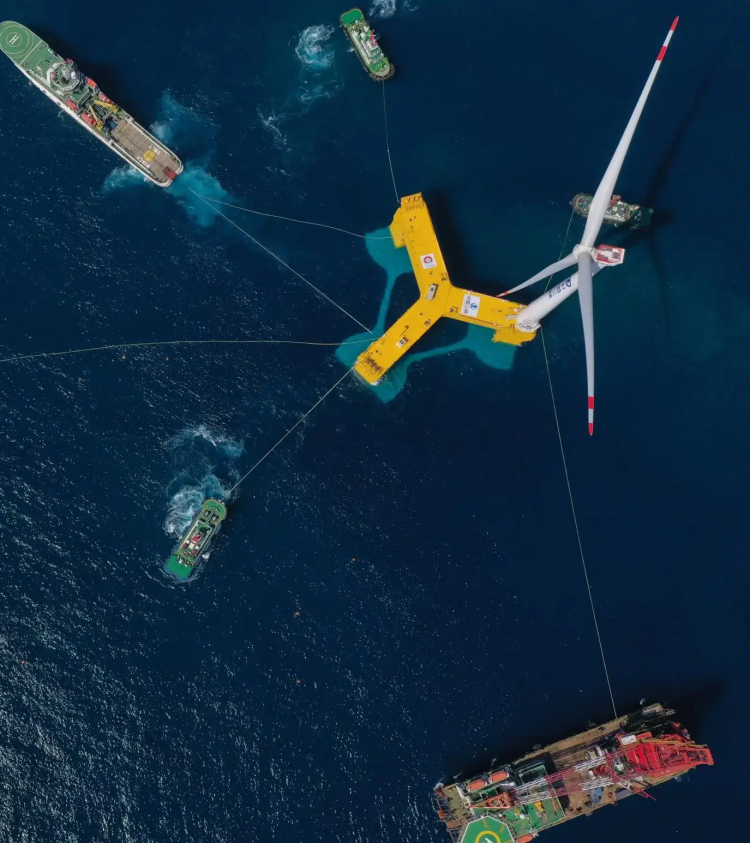
The landing of Haili Wind Power in Dongtou, Wenzhou is its first wind power home port facing the Far East China Sea, which is of great significance. The deep-sea offshore wind power project is further offshore, with larger and heavier infrastructure (such as pipeline racks), which imposes almost stringent requirements on the depth of the dock, lifting capacity, and shipping efficiency. Having a tailored deep-water homeport means obtaining a "priority pass" to enter the deep-sea competition arena. At the same time, this is a key springboard for Chinese wind power equipment companies to "go global". With the accelerated development of overseas wind power markets such as Europe, North America, and Southeast Asia, the export demand for large structural components such as towers and foundations made in China has surged. Building a dedicated dock can ensure timely, efficient, and safe loading of exported products, greatly enhancing the company's ability to fulfill contracts and cost advantages in international bidding. Daikin Heavy Industries' Caofeidian Port and Tianshun Wind Energy's Tongzhou Bay Port have both clearly identified the export market as their core target.
Port, a new hub for future competition in the wind power industry
In the future, the competition for offshore wind power will not only be about technology, price, and production capacity, but also about port resources and logistics control. A terminal with superior location, dedicated facilities, and efficient operation has become the core asset of a leading wind power equipment enterprise. It is like a 'super portal', connecting a huge production base on one end and leading to a vast blue field and global market on the other end. Whoever can efficiently and cost effectively deliver these 'great power heavy weapons' onto the ship will be able to gain an advantage in deep-sea development and overseas expansion. The wave of enterprises building their own wind power homeports is sweeping across the Chinese coastline, from the coast of Jiangsu to Wenzhou, Zhejiang, from the coast of the Yellow Sea to the coast of the South China Sea. This is not only an upgrade of infrastructure, but also a profound self reshaping and pattern reconstruction in the process of the entire industry moving towards deep sea and internationalization. The 'port era' of wind power has fully arrived.Editor/Yang Meiling
Comment

 Praise
 Collect
 Comment

 Share
Share


Write something~