 Search


- This project has achieved clean energy generation, desert ecological governance, and efficient utilization of land resources
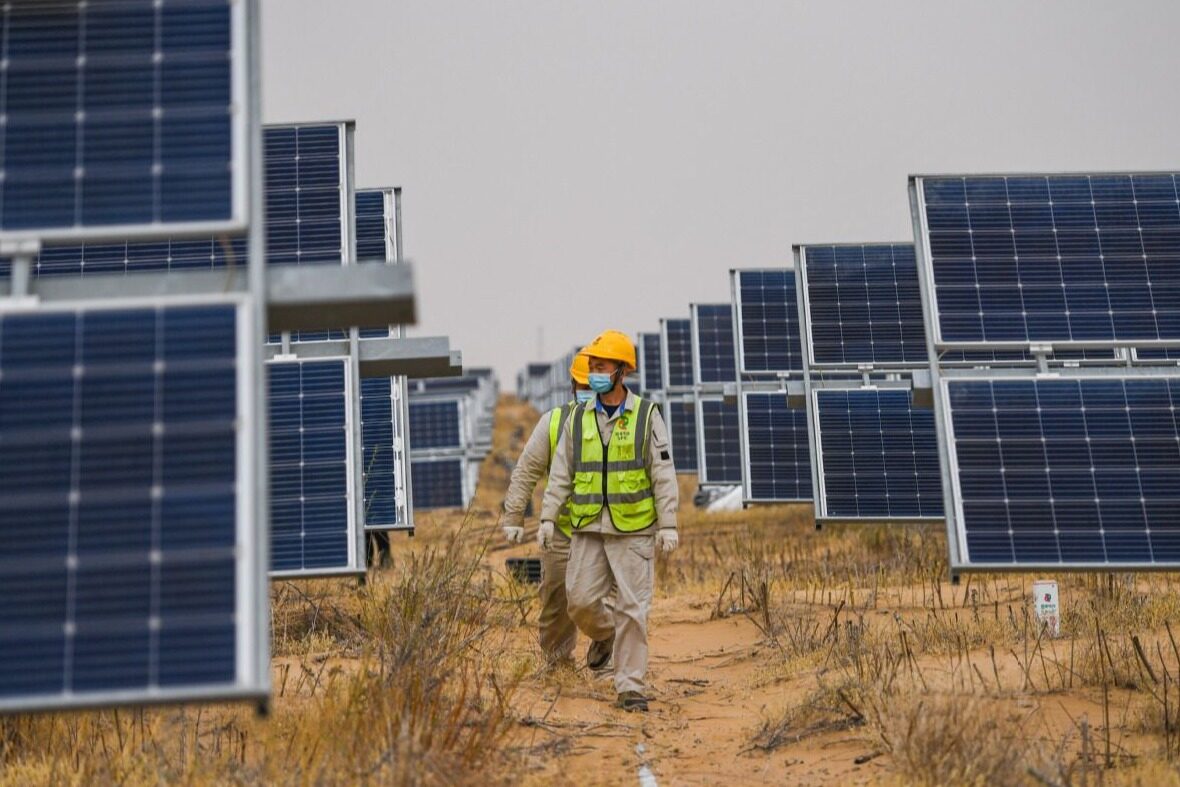
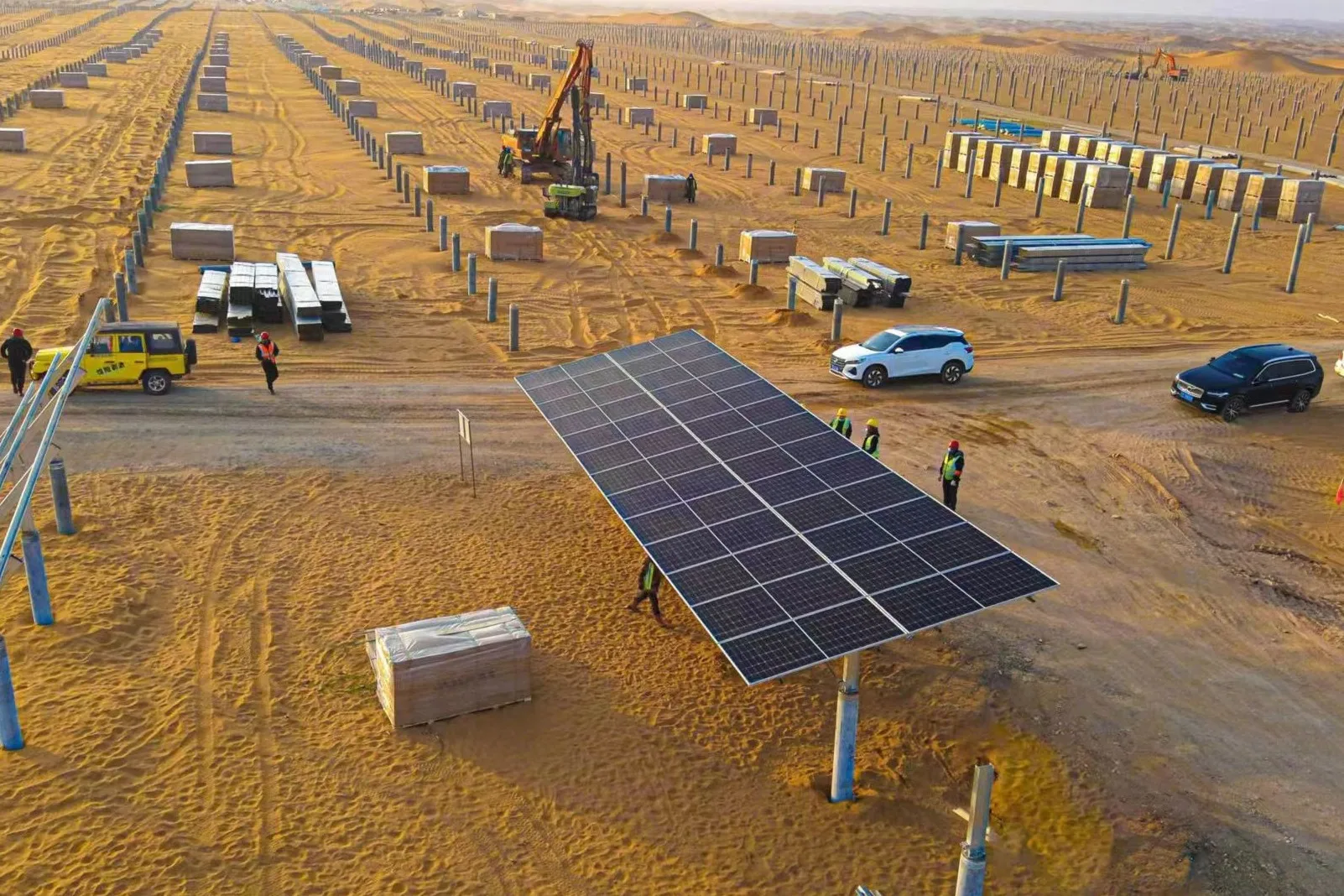
In the Kubuqi Desert on the edge of Ordos City, Inner Mongolia, China, a grand project integrating ecological governance and clean energy revolution is underway. The solar panel array stretching for about 400 kilometers is like a modern "photovoltaic Great Wall", shining brightly on the former "Sea of Death". This project, expected to be completed by 2030, will become one of the largest solar power facilities in the world. It not only delivers green electricity to Beijing and surrounding areas, but also serves as a model for China to comprehensively control desertification through technological means.
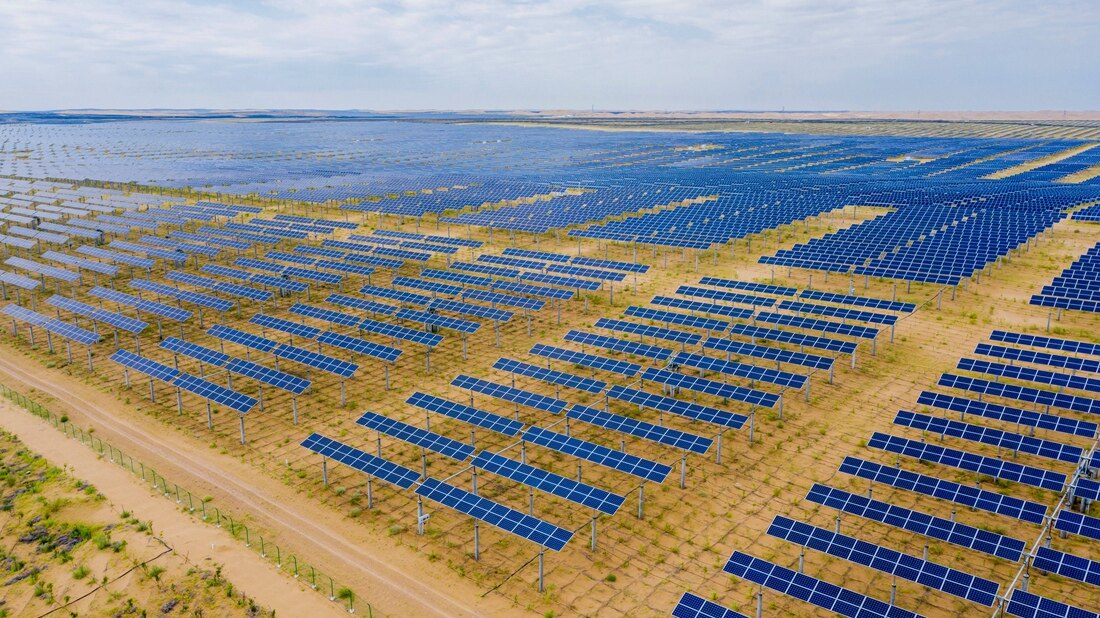
The transformation of the Kubuqi Desert was not achieved overnight. Hundreds of years of overgrazing have caused the disappearance of vegetation and rampant sandstorms, posing a serious threat to the ecological security of northern China. Since 1988, Chinese enterprises, local residents, and the government have joined hands to embark on a long journey of desertification control. Nowadays, the "Photovoltaic Great Wall" project has pushed the sand control project to a new height. These photovoltaic panels not only generate electricity, but also play a role in windproof and sand fixation, creating shading conditions for the growth of surface shrubs and becoming a key part of the overall strategy to curb land degradation.
Technology is the core driving force behind this transformation. In Ordos, drones have replaced manual labor on a large scale for grass seed sowing operations. This completely changes the previous situation where sand control personnel needed to engage in high-intensity physical labor in the midst of sandstorms, greatly improving the efficiency and safety of sand control. The Dalat Banner Energy Bureau pointed out that this desert has an average annual sunshine of nearly 2000 hours, coupled with sufficient unused land, providing ideal conditions for large-scale photovoltaic construction.
China's efforts have yielded significant results. As of last year, 53% of the controllable desertified land in China has been effectively managed, with a net reduction of about 4.3 million hectares in desertified land area. China has taken the lead in achieving the goal of "zero growth" in land degradation worldwide. This achievement has attracted global attention, especially in the context of uncertainty in global climate governance, where China's actions demonstrate its responsibility.
Lu Yaoqun, Director of the Institute of Governance and Sustainable Development at the National University of Singapore Business School, commented, "Whether through proactive planning or objective circumstances, China will become a leader in the global sustainable development field." He pointed out that China's "spillover effect" score of 90.14 in the United Nations Sustainable Development Goals assessment indicates that its actions in trade, finance, and security have significantly enhanced the ability of other countries to achieve sustainable development goals.
On the eve of the 30th Conference of the Parties to the United Nations Framework Convention on Climate Change (COP30), which opened in Brazil last week, China announced a new target of reducing net greenhouse gas emissions across the entire economy by 7% -10% from peak levels by 2035, and pledged to continue expanding wind and solar power installed capacity and increasing the proportion of non fossil energy consumption.
Lu Yaoqun emphasized that achieving these ambitious goals must rely on concrete actions, and suggested that 'in the future, China may need to collaborate with other countries to activate the voluntary carbon market'. The rising "Photovoltaic Great Wall" in the Kubuqi Desert is not only a solid step for China to move towards a green future, but also provides a Chinese solution that combines ecological restoration, energy transformation, and climate change response for the world.Editor/Cheng Liting
Comment






 Praise
 Collect
 Comment

 Share
Share


Write something~