 Search


- After the upgrade of the project, passenger transportation was restored, greatly improving the regional traffic situation
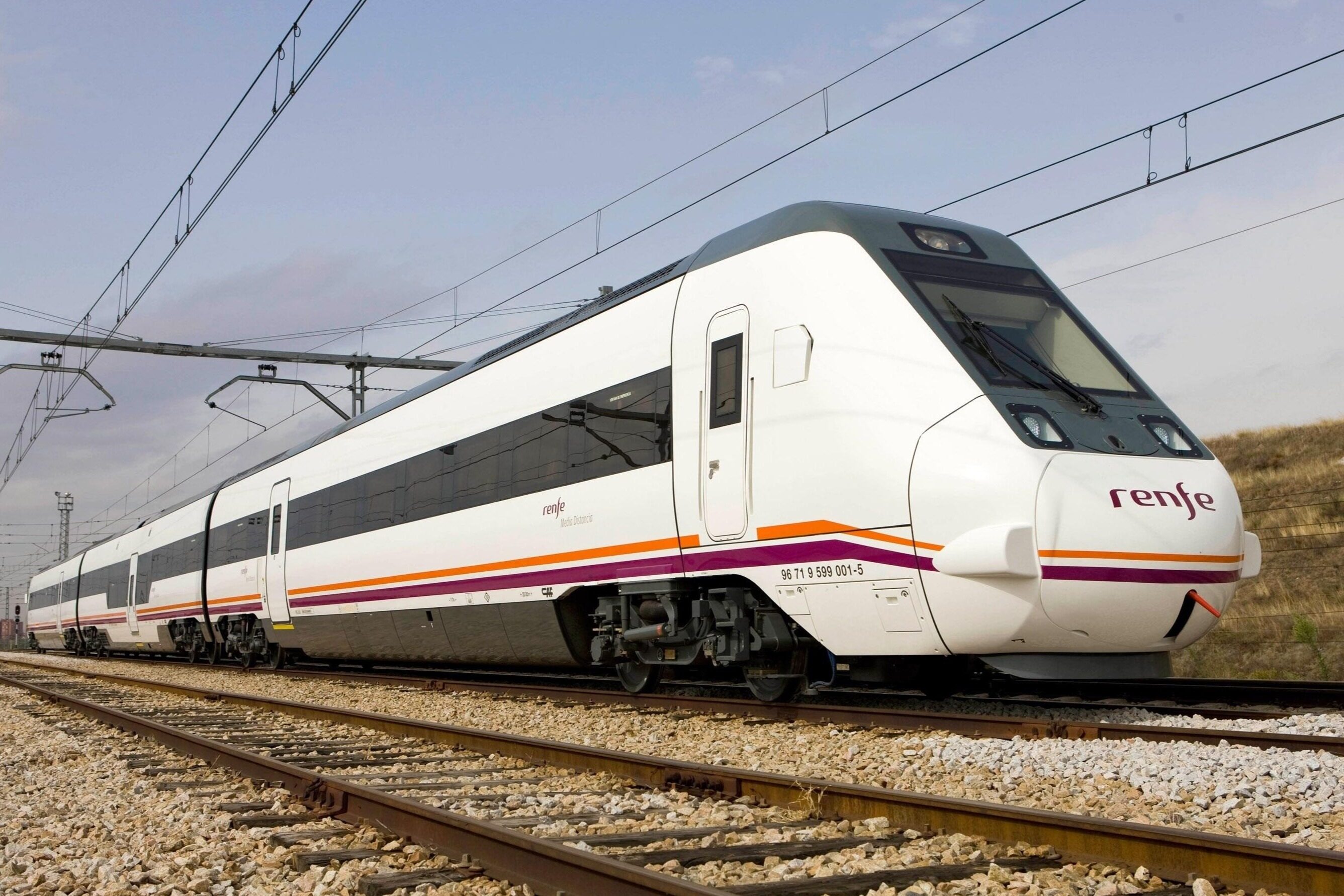
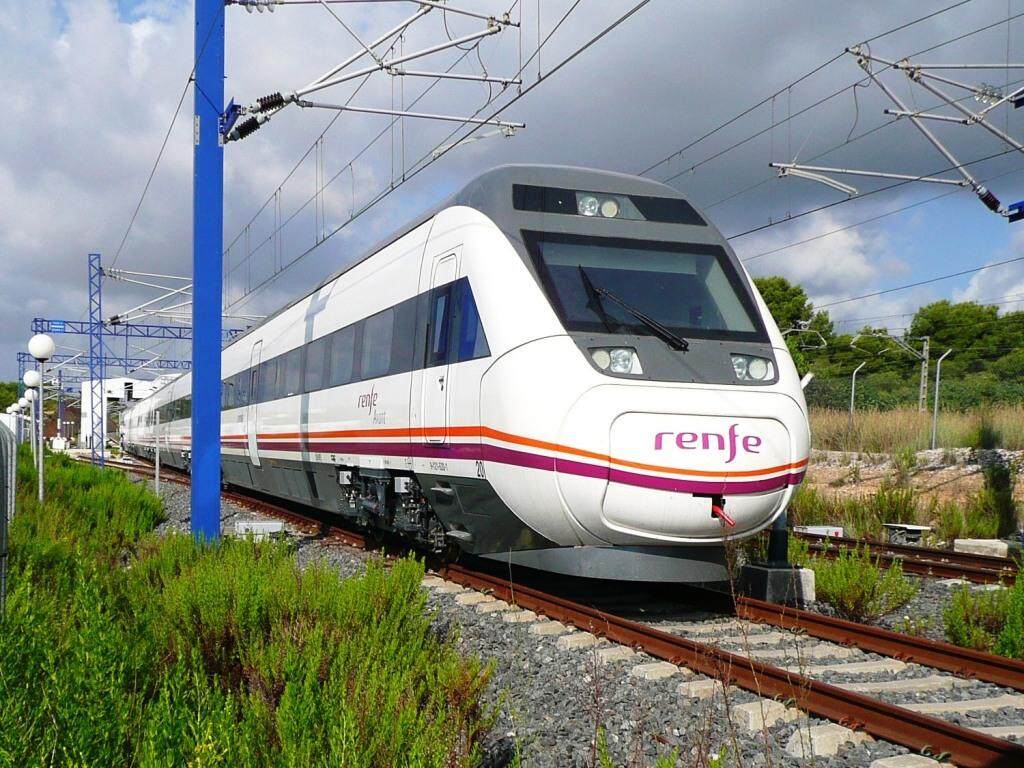
Recently, Spanish national operator Renfe officially resumed passenger services on the 180 kilometer route connecting Huelva in Andalusia and Zafra in Extremadura. Previously, infrastructure management company Adif invested 250 million euros to complete a comprehensive upgrade plan, laying a solid foundation for the restart of the line.
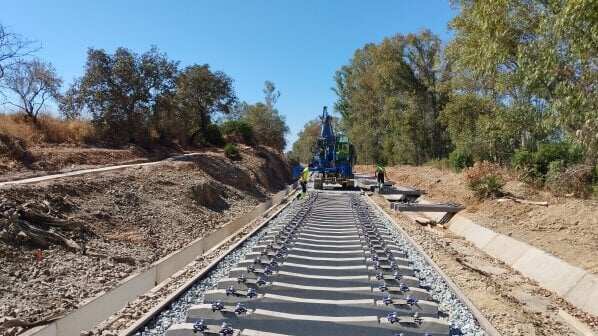
This line has been suspended from operation since June 30, 2023 due to infrastructure projects and has been under threat of closure since the mid-1980s. The region it serves is facing a dual dilemma of mining decline and rural population loss, and the restoration of passenger transportation services this time is of great significance.
To accurately meet the demand, Renfe has developed a new medium range service schedule based on extensive analysis of the transportation conditions and demand in the Vilva Safra travel market, and has also incorporated feedback from the April customer forum. The new timetable is designed specifically for commuters and seekers, with two trains per day from Monday to Thursday, three trains per day on Friday and Saturday, and four trains per day on Sunday between Huena and Havugo Galarosa intermediate stations; Between Huelva and Safra, there will be one train in each direction on Friday, Saturday, and Sunday, facing the leisure market. The entire journey takes 2 hours and 52 minutes, which is 25 minutes shorter than before.
The upgrade of the line has achieved significant results, with Adif company repairing and reinforcing five bridges and installing new concrete bridge decks to improve weather resistance; Thoroughly renovate the 90.5-kilometer track line, using 60 kg/m steel rails, concrete sleepers, and gravel ballast beds, and improve the drainage system; Revamp the track layout, replace station switches, repair and reinforce structures such as tunnels, and protect trenches and embankment slopes.
The signal system has also been revitalized, with the replacement of telephone blocking devices and the installation of electronic interlocking systems to replace mechanical equipment. The single line is remotely controlled from Seville through the CTC system, and train detection is completed by axle counters. In addition, GSM-R system was installed and level crossing equipment was upgraded in 13 locations. It is worth mentioning that the installation and track updates of GSM-R have received funding from the European Union's Recovery, Transformation, and Resilience Program. Keywords: International Engineering News, Foreign Engineering Project Information
This route upgrade not only eliminates 14 temporary speed restrictions and shortens travel time, making railway transportation more competitive with private cars, but also brings new hope to the areas along the route, helping regional economic and social development embark on a new journey. Editor/Cheng Liting
Comment




 Praise
 Collect
 Comment

 Share
Share


Write something~