 Search


- As a key project in the national "14th Five Year Plan" layout, the scale and configuration of this base can be considered world-class
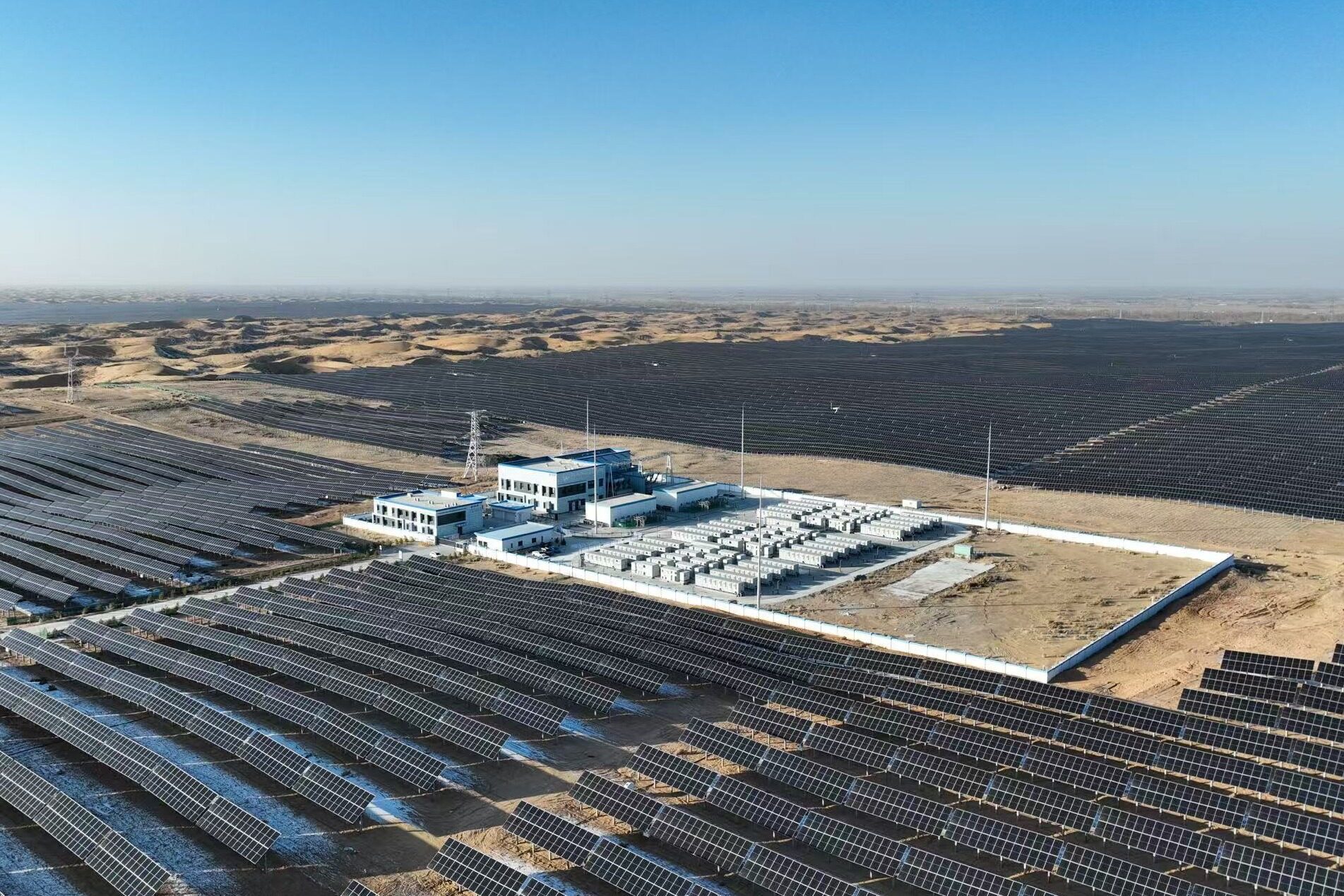
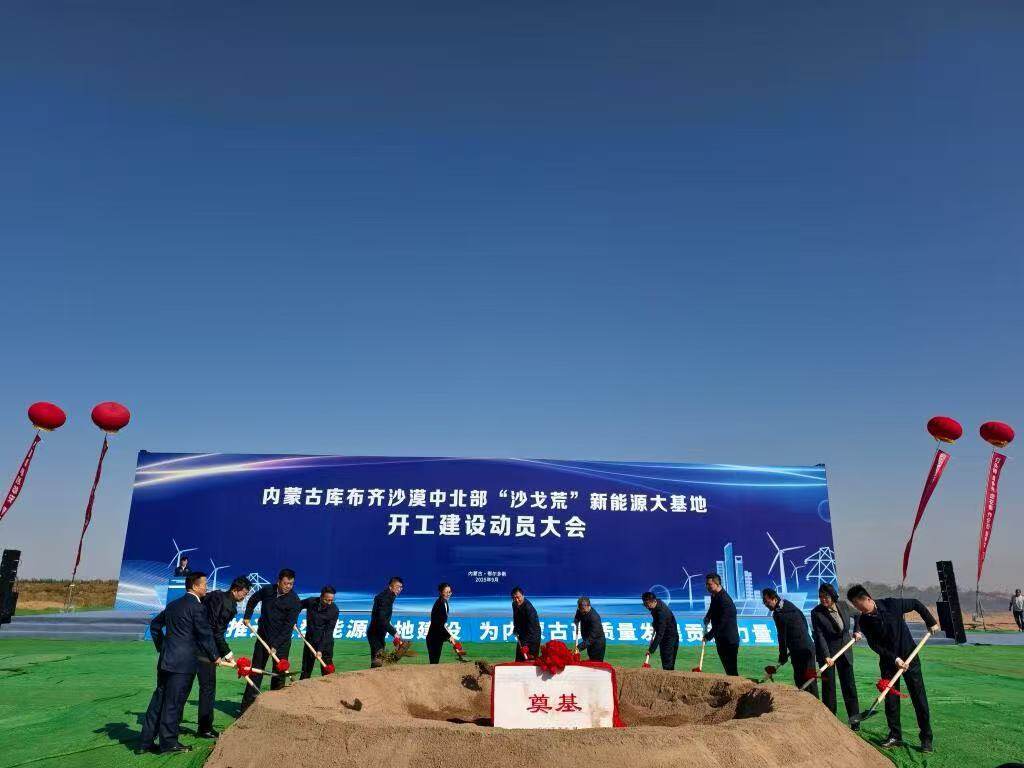
In June 2024, amidst the surging yellow sand in the heart of the Kubuqi Desert, a hundred pile drivers were launched, marking the official start of construction of Inner Mongolia's first 10 million kilowatt level "Shagehuang" new energy base with a total investment of 98.8 billion yuan. This desert, once known as the 'Sea of Death', is undergoing a historic transformation from an ecological paradise to an energy highland, writing a new chapter in China's green development of 'photovoltaics+desertification control'.
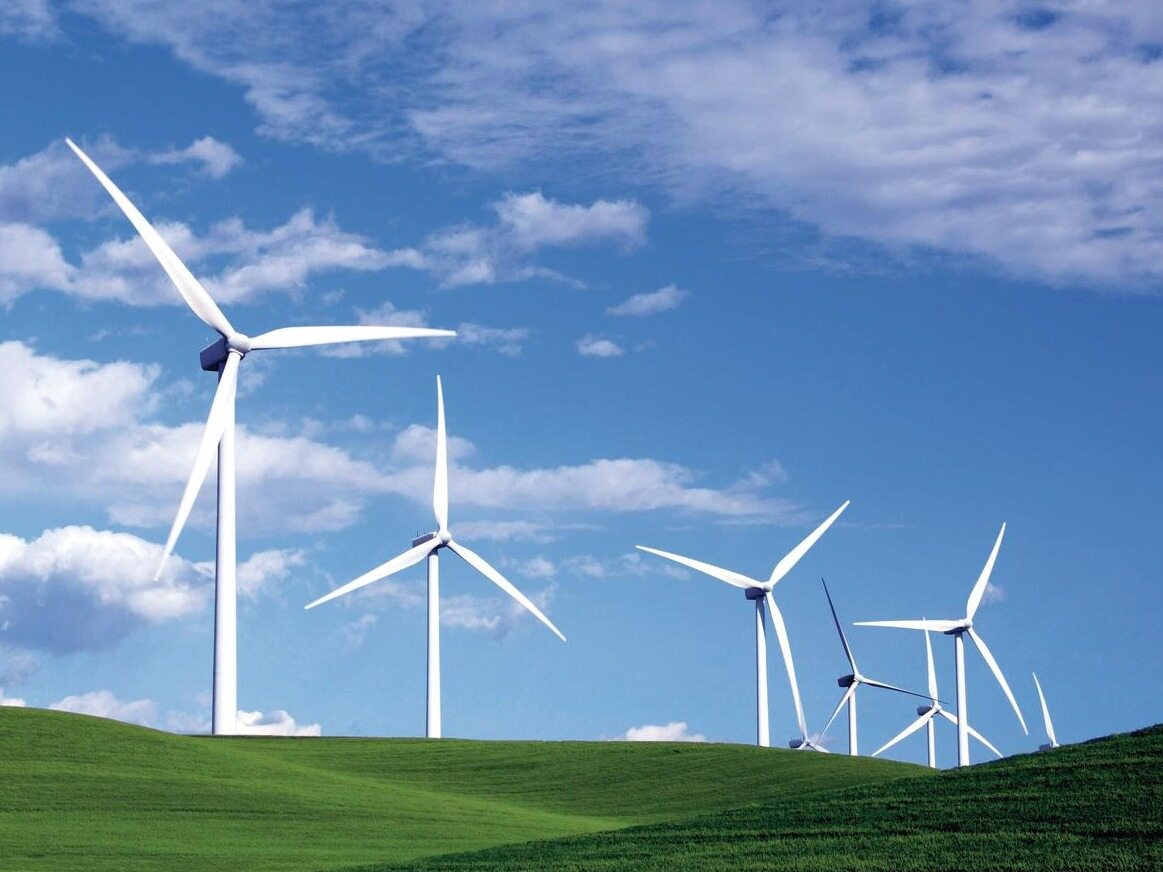
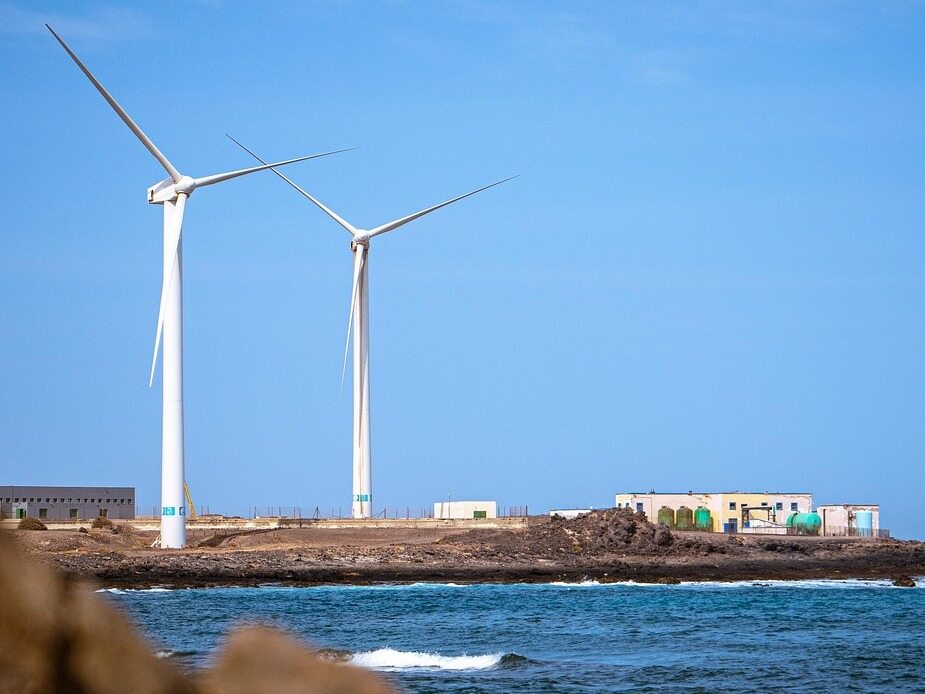
As a key project in the national "14th Five Year Plan" layout, the scale and configuration of this base can be considered world-class. The total planned installed capacity of the project is 16 million kilowatts, including 8 million kilowatts of photovoltaic power and 4 million kilowatts of wind power. A supporting coal-fired power system of 4 million kilowatts and a new energy storage system of 5 million kilowatt hours will be built to form a composite energy cluster integrating wind, solar and coal storage. In order to solve the problem of difficult consumption of new energy, a 699 kilometer long ultra-high voltage transmission line with a voltage level of ± 800 kV is synchronously planned. The starting point is located in Dalate Banner, Ordos City, and it passes through Shanxi to reach Cangzhou, Hebei Province. The designed transmission capacity is sufficient to support the annual electricity demand of a city with a population of millions.
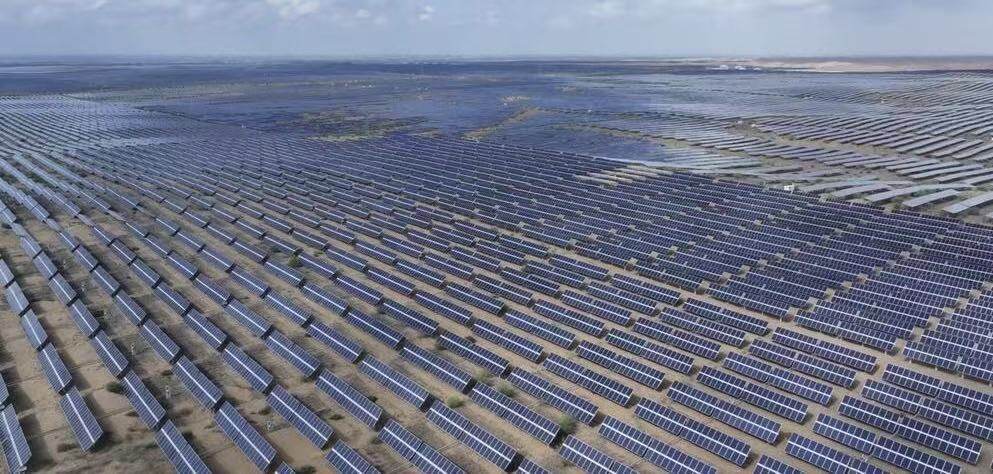
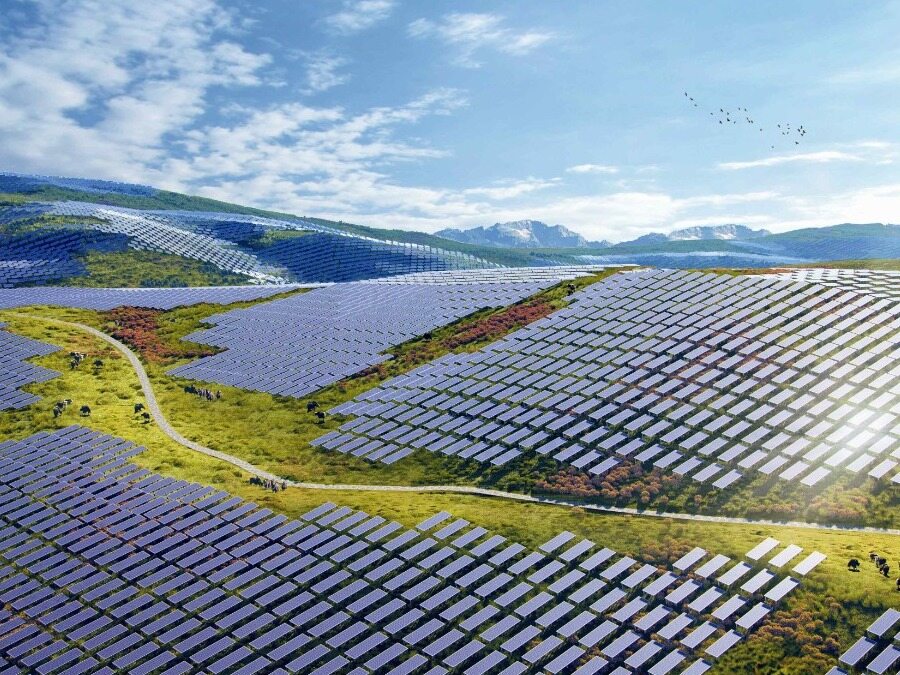
The core wisdom of engineering lies in deeply linking energy development with ecological governance. The base adopts a mature mode of "power generation on the board, sand control under the board, and grass planting between boards". Photovoltaic panels not only convert solar energy, but also provide shade and wind protection for the surface, increasing soil moisture by 30% compared to open deserts and significantly reducing water evaporation. The construction party introduced coal mine dewatering water, which was purified and used for photovoltaic panel cleaning and plant drip irrigation. Combined with intelligent drip irrigation technology, it saved 60% of water compared to traditional irrigation and successfully solved the problem of desert irrigation. At present, the 2 million kilowatt photovoltaic project completed by the pilot project has installed 3.87 million photovoltaic panels, covering 63000 acres of desert. Drought resistant plants such as Salix and Caragana under the panels are growing well, forming a unique landscape where blue panel arrays and green vegetation complement each other.
The multiple values of the project are gradually emerging. On the ecological level, it is a key link in the ecological protection of the Yellow River - the photovoltaic sand control belt and the 420 kilometer locked edge forest belt form a "double-layer protection network", which can fix 2000 tons of quicksand per 100 acres and reduce 12000 tons of sediment entering the Yellow River every year, helping to increase the control rate of the Kubuqi Desert to 50% by the end of the year. On the energy front, the base plans to be fully operational by the end of 2027, delivering approximately 36 billion kilowatt hours of electricity annually to the Beijing Tianjin Hebei region, with new energy accounting for 60%. This is equivalent to reducing standard coal consumption by 6.4 million tons and reducing carbon dioxide emissions by 16 million tons annually. At the economic level, the planting of economic crops such as licorice and Cistanche deserticola between the boards, as well as the attempts at ecological farming under the boards, have turned the desert into a "treasure trove", bringing compensation for land occupation and employment income to surrounding farmers and herdsmen, achieving the triple benefits of "desertification control, power generation, and prosperity".
As one of the six approved "Shage Desert" projects in Inner Mongolia, this base is a microcosm of the national energy strategy shift - the western desert is gradually becoming an "invisible power plant" for eastern cities. After the planned installation of 72 million kilowatts in the entire region is completed, the annual transmission of green electricity will reach 216 billion kilowatt hours, covering multiple load centers in North and East China. The "Photovoltaic Great Wall" extending from the Kubuqi Desert not only injects momentum into the construction of China's new energy system, but also provides a "Chinese solution" for global desertification control through the practice of ecological and economic win-win.Editor/Bian Wenjun
Comment

 Praise
 Collect
 Comment

 Share
Share


Write something~