 Search


- This project marks the accelerated transfer of the global aviation industry chain to economically stable and talent rich regions

French aerospace giant Safran Group officially signed an agreement with Morocco on Monday to build an engine assembly line worth 200 million euros and a maintenance factory worth 120 million euros near Casablanca, marking Morocco's official entry into the ranks of the few countries in the world capable of producing complete aircraft engines. The assembly line is expected to be put into operation in 2028, with an annual production capacity of 350 LEAP-1A engines - accounting for 25% of Airbus A320neo's power demand. The maintenance plant will operate in 2027, with an annual maintenance capacity of 150 units, directly challenging Pratt&Whitney's monopoly position in the single aisle aircraft market.
Morocco's attractiveness stems from multiple strategic advantages: its economic stability is significantly better than that of France, which is facing a budget crisis. The existing aviation industry has gathered 150 enterprises and 20000 skilled workers, and its export value has jumped from 21.8 billion dirhams in 2023 to 26 billion dirhams in 2024. The government strengthens competitiveness through incentive measures such as a 30% subsidy for capital expenditures and the Midparc industrial zone, and plans to cultivate 10000 aviation talents by 2030, forming a talent pool in conjunction with seven vocational training colleges.
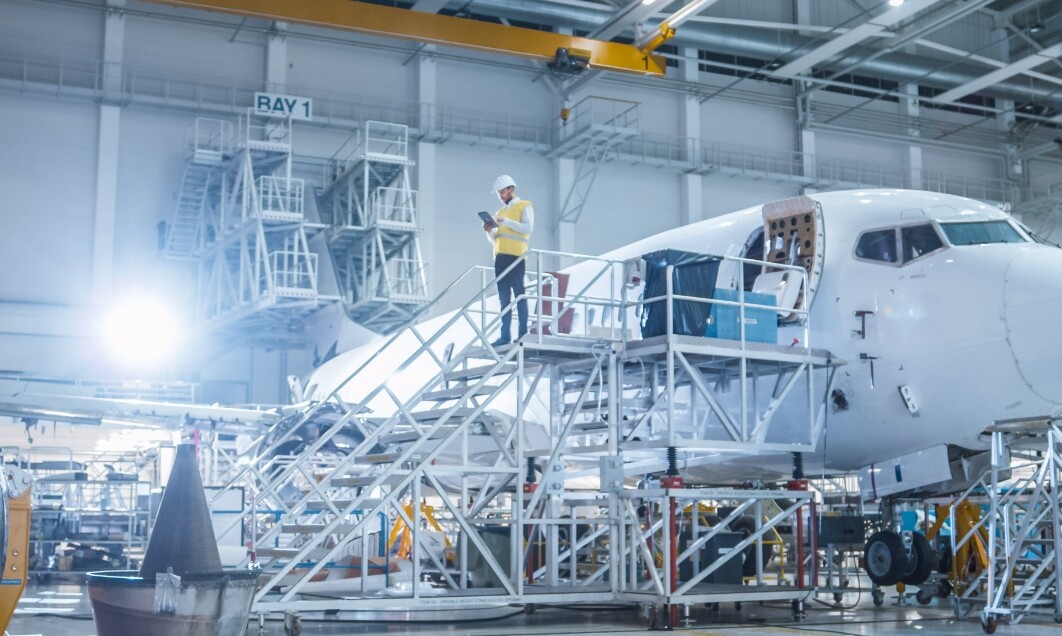
Safran's move is not only a strategic layout for supply chain resilience - its Villaroche factory previously undertook the entire production of Airbus LEAP-1A engines - but also a symbol of easing relations between France and Morocco. After Macron's visit to Morocco last year, there were frequent business transactions between the two countries. The signing was witnessed by King Mohammed VI, highlighting its dual political and economic significance. Industry Minister Riyad Mezur stated that the new facility will double Morocco's aviation exports and attract more suppliers to form an industrial cluster. Keywords: International Engineering News, Foreign Engineering Project Information
From an industry perspective, Morocco is replicating the successful experience of automobile manufacturing by creating aviation hubs to shorten the supply chain and share technological expertise. The LEAP series engines jointly produced by Safran and GE through the CFM international joint venture have covered three major aircraft models: Airbus A320neo, Boeing 737MAX, and China C919. The production of the Morocco base will enable it to achieve full process production outside of France for the first time, marking a profound restructuring of the global aviation manufacturing landscape.Editor/Cheng Liting
Comment




 Praise
 Collect
 Comment

 Share
Share


Write something~