 Search


- The project aims to improve transportation efficiency between the northeastern Netherlands and Germany through a new railway corridor
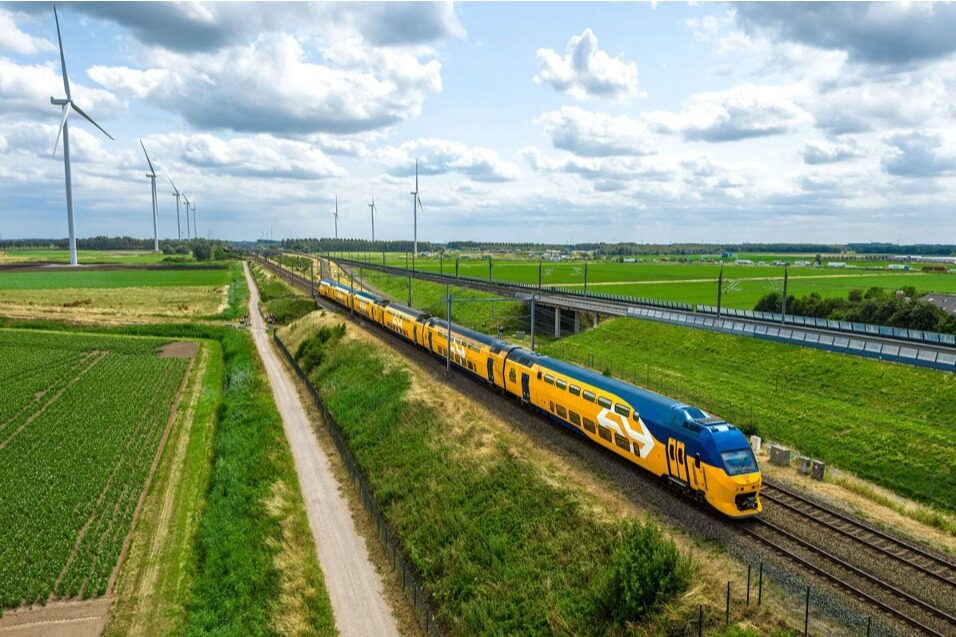
Recently, a comprehensive railway research aimed at completely changing the transportation pattern in the border area between the northeast of the Netherlands and Germany is actively underway. The core of this study is to evaluate the feasibility of creating a new route connecting key cities such as Groningen, Emmen, Almelo, and Enschede. This plan is not carried out in isolation, but closely linked to the railway upgrade project in Lower Saxony, Germany. The German plan includes upgrading the section from Wendamm South to Stadkanal, which is currently only used by the heritage railway, and building a new 34 kilometer railway extension to Emmen in the Netherlands, while upgrading other sections leading to the border.

The project is currently in a critical development stage, and its feasibility study covers a wide range of topics, not only limited to technical aspects, but also emphasizing the evaluation of the multiple benefits that the project will bring. The study will conduct an in-depth analysis of its potential impact on improving regional public transportation, significantly reducing passenger travel time, and attracting road users to switch to more environmentally friendly railway transportation. Meanwhile, how to seamlessly integrate the station into the local community and how to substantially strengthen cross-border connections between the Netherlands and Germany are also the focus of the evaluation. This comprehensive research work is expected to be completed in 2028, and a final decision will be made on whether to fully advance the project based on the research results.
In terms of funding, the project has received strong financial support. The central government of the Netherlands has allocated up to 2 billion euros in special funds for it, while local governments have also promised to invest 50 million euros in supporting funds. It is worth noting that most of the 2 billion euros in funding was originally reserved for another proposed project called the Riley Line, which is planned to connect Lilistad, Herenfen, and Groningen. However, as the realistic possibility of implementing the Riley Line plan decreases, funds have been reallocated to this more promising cross-border railway project. Keywords: international news, foreign engineering construction news
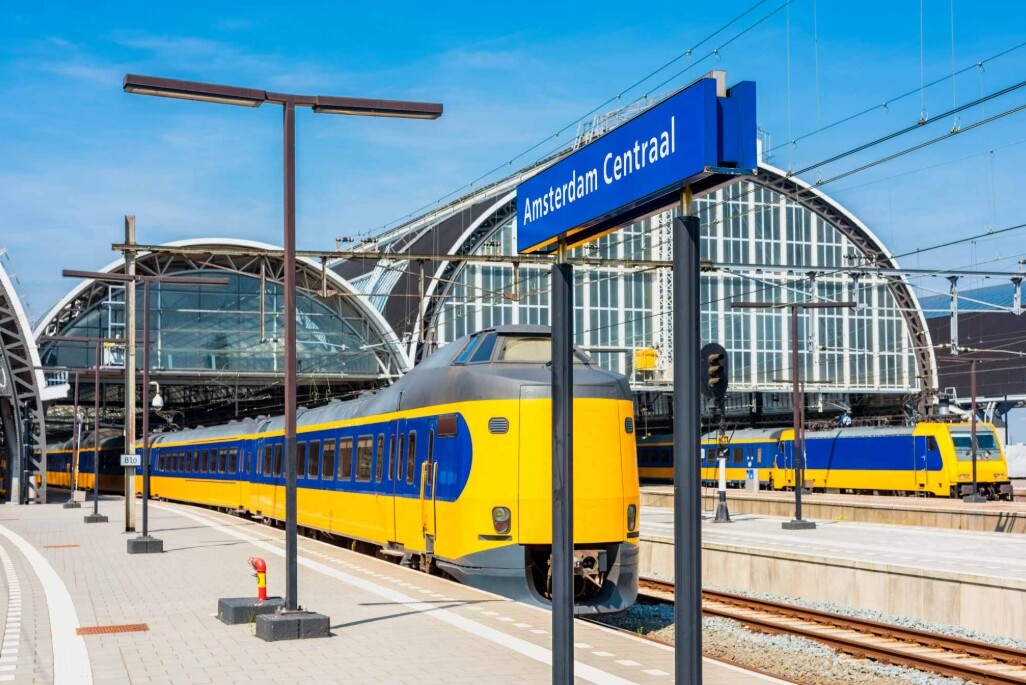
As a soon to be implemented component of the overall plan, substantial progress has been made in the electrification project of the 18 kilometer Almelo Marienberger section. This project, which adopts the 1.5kV DC standard, has been officially approved by the Dutch Ministry of Infrastructure and the province of Ovise, with a total investment of 75 million euros. Currently, ProRail, the Dutch railway management company, has initiated the bidding process for this matter. According to the plan, this section of the road will officially start electrified operation in December 2028, which is not only the first milestone in the entire grand blueprint, but also lays a solid foundation for the future electrification and efficient operation of the entire line.Editor/Cheng Liting
Comment




 Praise
 Collect
 Comment

 Share
Share


Write something~