 Search


- Green chemical technology landing overseas, empowering regional industrial low-carbon development
- Deepening production capacity cooperation between China and Kazakhstan to assist in the transformation and upgrading of the chemical industry in Central Asia

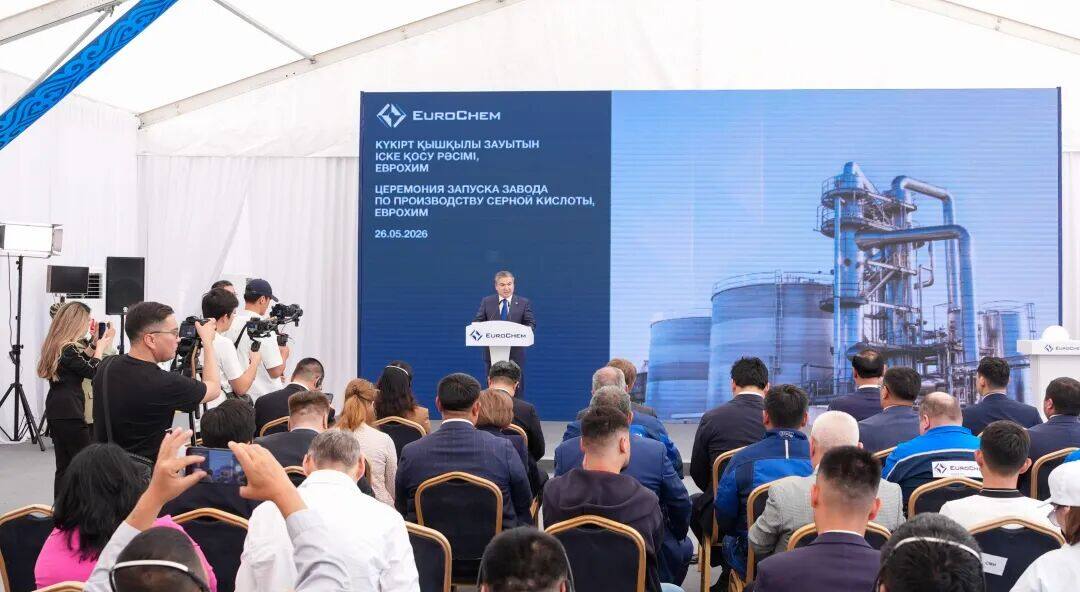
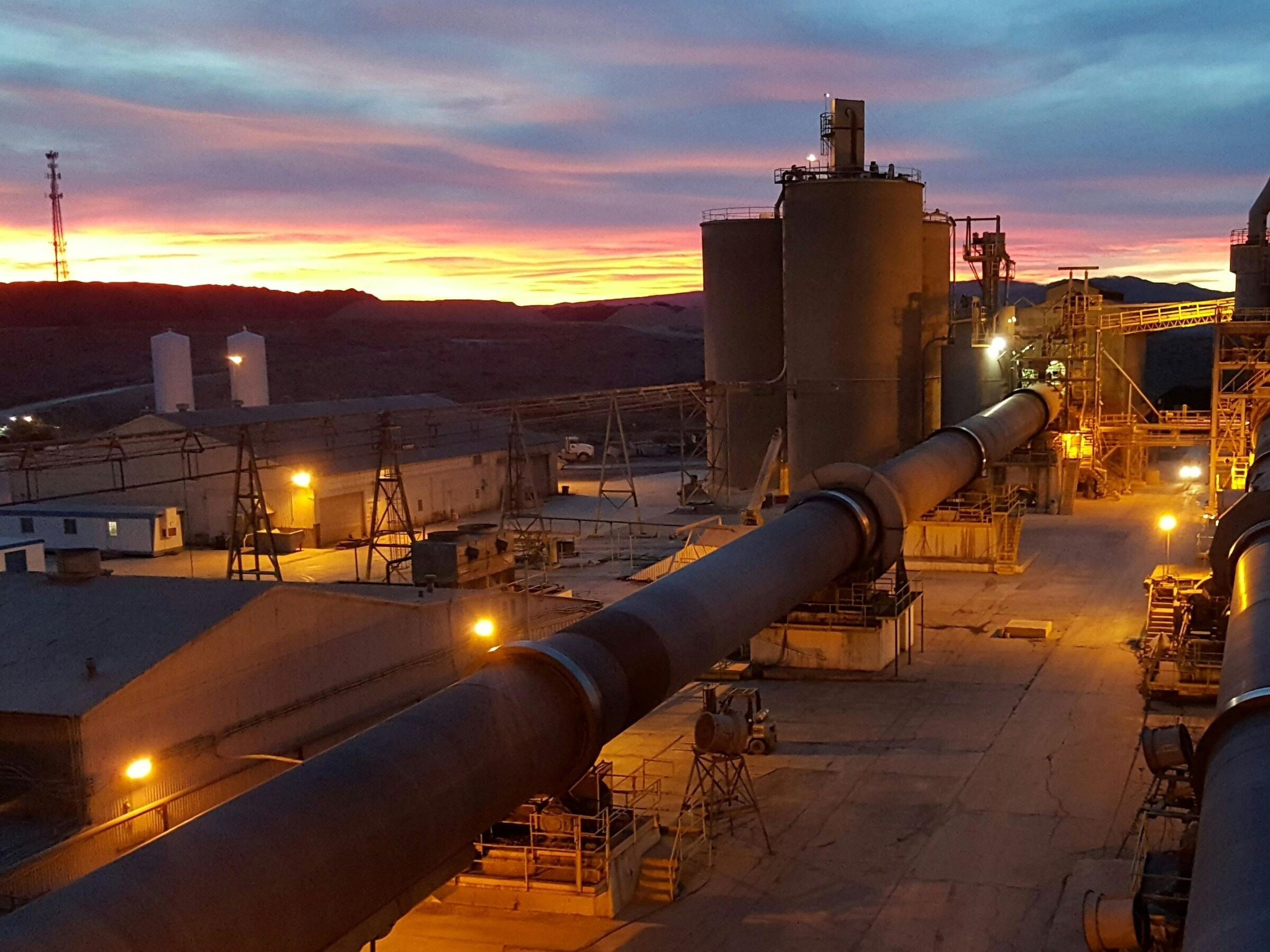
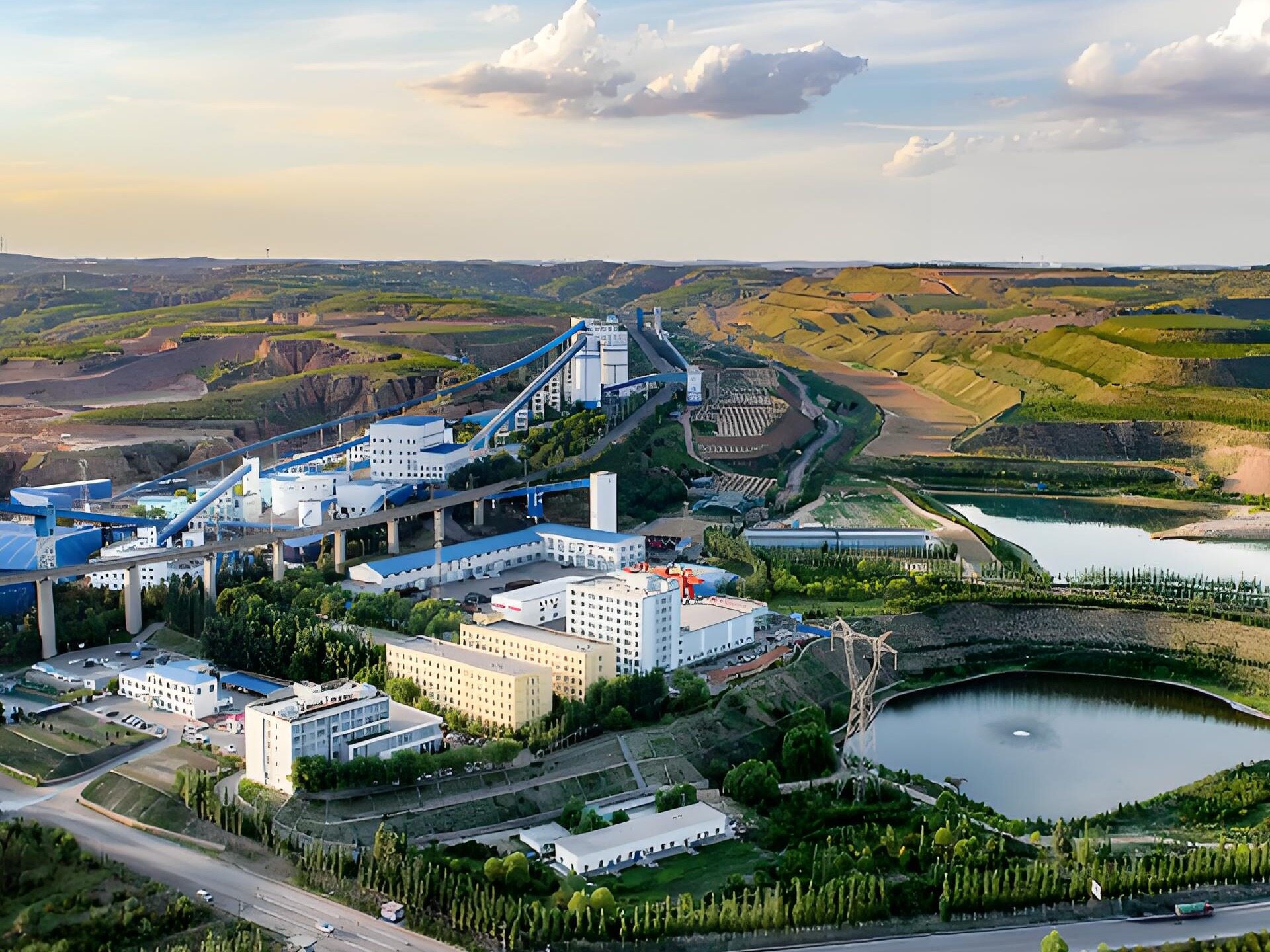
Recently, the first phase of the sulfuric acid production line of the large-scale chemical complex of the European Chemical Industry in the Jiangbuhr Oblast of Kazakhstan has been officially completed and put into operation. This project is a national key industrial engineering project in Kazakhstan, with a total investment scale of 1 billion US dollars. After nearly 20 years of continuous cultivation and construction, it is undertaken by Chinese enterprises for EPC general contracting work. The project relies on advanced green production technology to upgrade and reconstruct the local phosphorus chemical industry capacity, which has the dual benefits of upgrading the industry quality and driving employment for the people.
Staged landing and production
The 800000 ton sulfuric acid plant that has been successfully put into operation this time is the first production unit of the second phase of the EuroChem Karatau large-scale chemical complex project. The project is fully coordinated and promoted by a local investment company in Kazakhstan, with China Chemical Engineering Group serving as the EPC general contractor for the project. The project began with geological exploration work in 2008, and officially launched the development of the Karatau phosphate deposit in 2012. The first phase of the mining project was successfully put into operation in 2016.
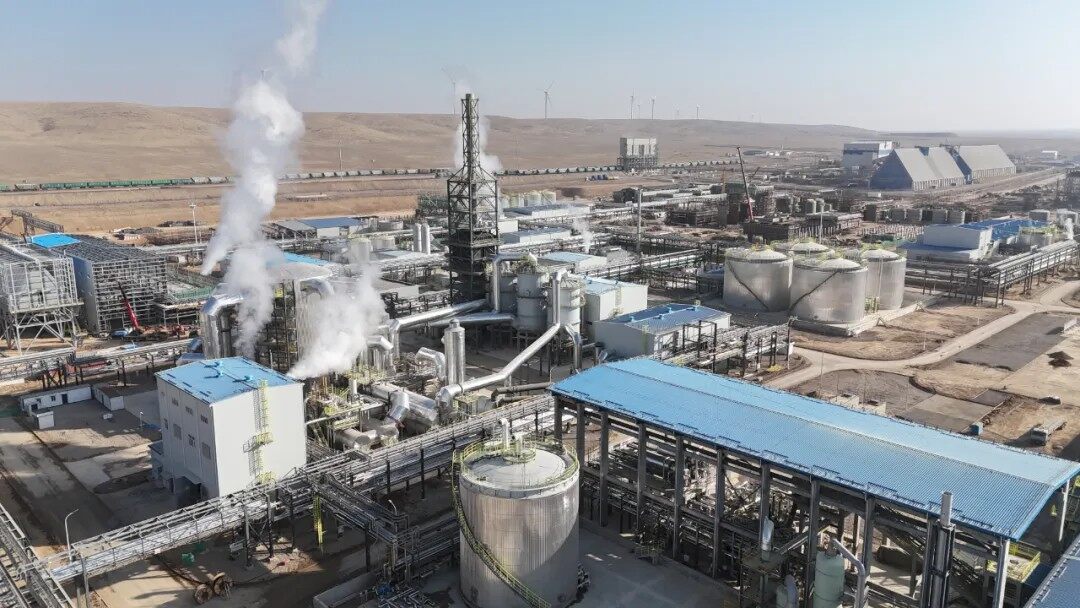
In January 2022, Kazakhstan was officially approved for the second phase of cross-border cooperation agreement and immediately started the construction of chemical plants. At present, the overall construction completion rate of the second phase of the project has reached 72%, and it is expected to achieve full production in the first quarter of 2027. The project commencement activity was witnessed by local governors, national ministries, and representatives from various sectors of Chinese and foreign government and enterprises. The high-level participation fully demonstrated the important strategic value of the project.
Fill in the gaps in local chemical production capacity
This project abandons the traditional high pollution and high emission production mode of phosphorus chemical industry and adopts advanced environmental protection production technology, completely changing the drawbacks of traditional processes that produce a large amount of phosphogypsum by-products. It produces green products such as calcium chloride and synthetic gypsum, which can be widely used in various fields such as construction, industrial and agricultural production, and is highly in line with the mainstream trend of green industry development.
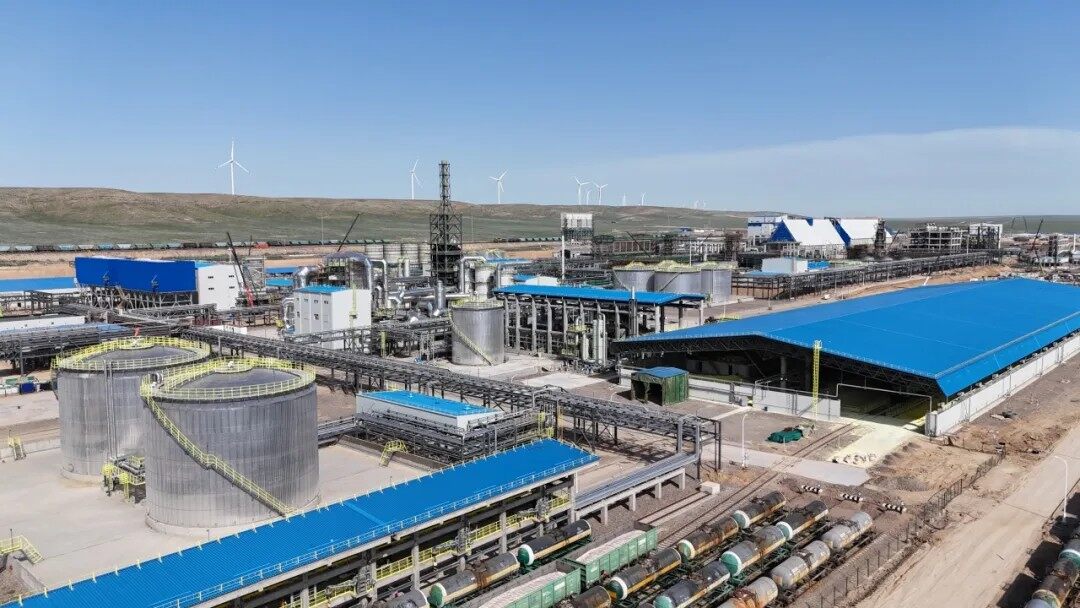
In terms of production capacity, after the project reaches full capacity, it can produce 1 million tons of various chemical products annually, including 200000 tons of dicalcium phosphate, 260000 tons of potassium sulfate, 130000 tons of calcium chloride, and 320000 tons of synthetic gypsum, effectively filling the production capacity gap of fine phosphorus chemical products in Kazakhstan and further optimizing and improving the local chemical industry structure. Keywords:Engineering Construction,Construction News,Engineering Information
At the same time, the local mineral production capacity continues to steadily release, and the regional phosphate ore production is expected to reach 890000 tons by the end of 2025, corresponding to a production value of 17 billion tenge; In the first four months of 2026, the local phosphate production has reached 345000 tons, achieving an output value of 8 billion tenge, and the industrial development momentum is strong.Editor/Gong Ziwei
Comment


 Praise
 Collect
 Comment

 Share
Share


Write something~