 Search


- Chinese companies leverage underwater tunnel technology advantages to accelerate their layout in the Latin American rail transit market
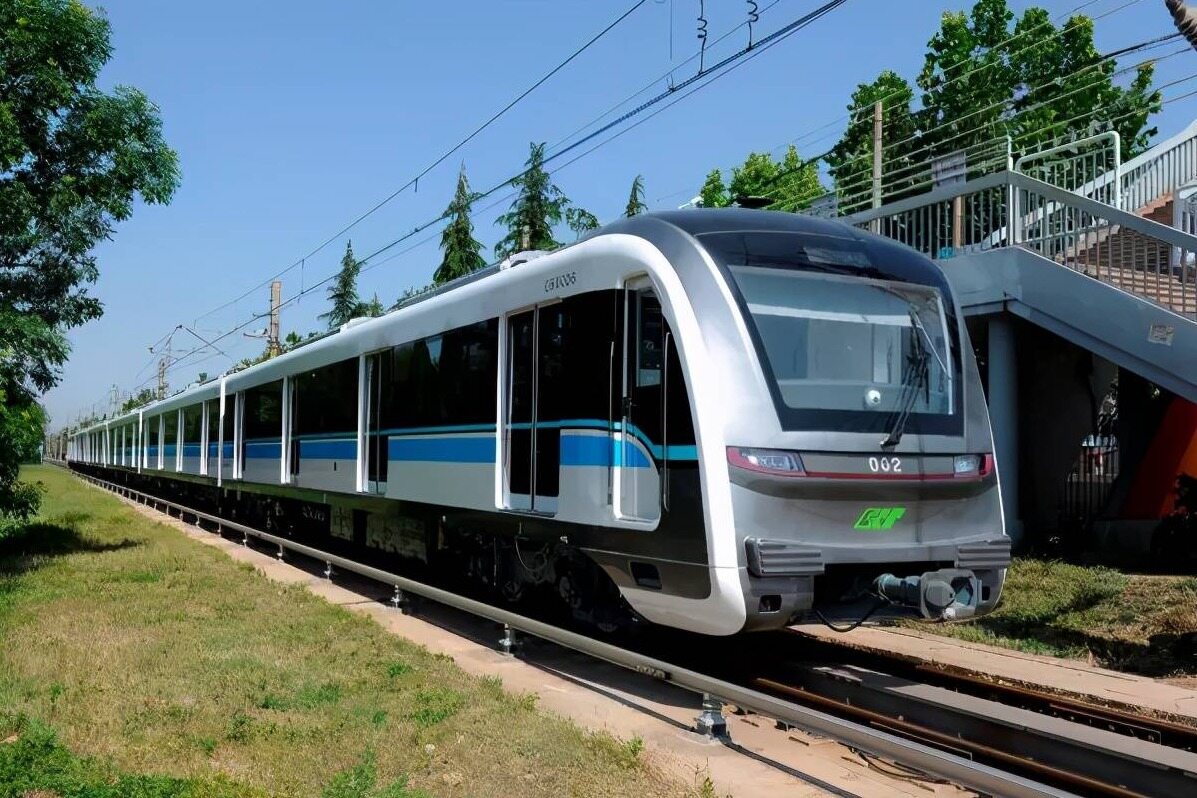
Recently, the set of data packets released by the COPPE Research Institute at the Federal University of Rio de Janeiro has once again brought to light the Rio Metro Line 3, which had been dormant for half a century. With a total length of 50 kilometers, spanning the Guanabara Bay underwater, connecting the city center with Niteroy and San Gonzalo - this grand plan, which has been repeatedly proposed since 1968 but has never been moved, has finally completed the latest round of technical demonstration. The adoption of a 1600mm wide gauge, CBTC signal, and large-diameter shield underwater tunnel scheme means that Brazil's second largest city is eager to use China's mature cross sea tunnel technology to fill the congestion gap that lasts for several hours during peak hours on both sides of the strait.
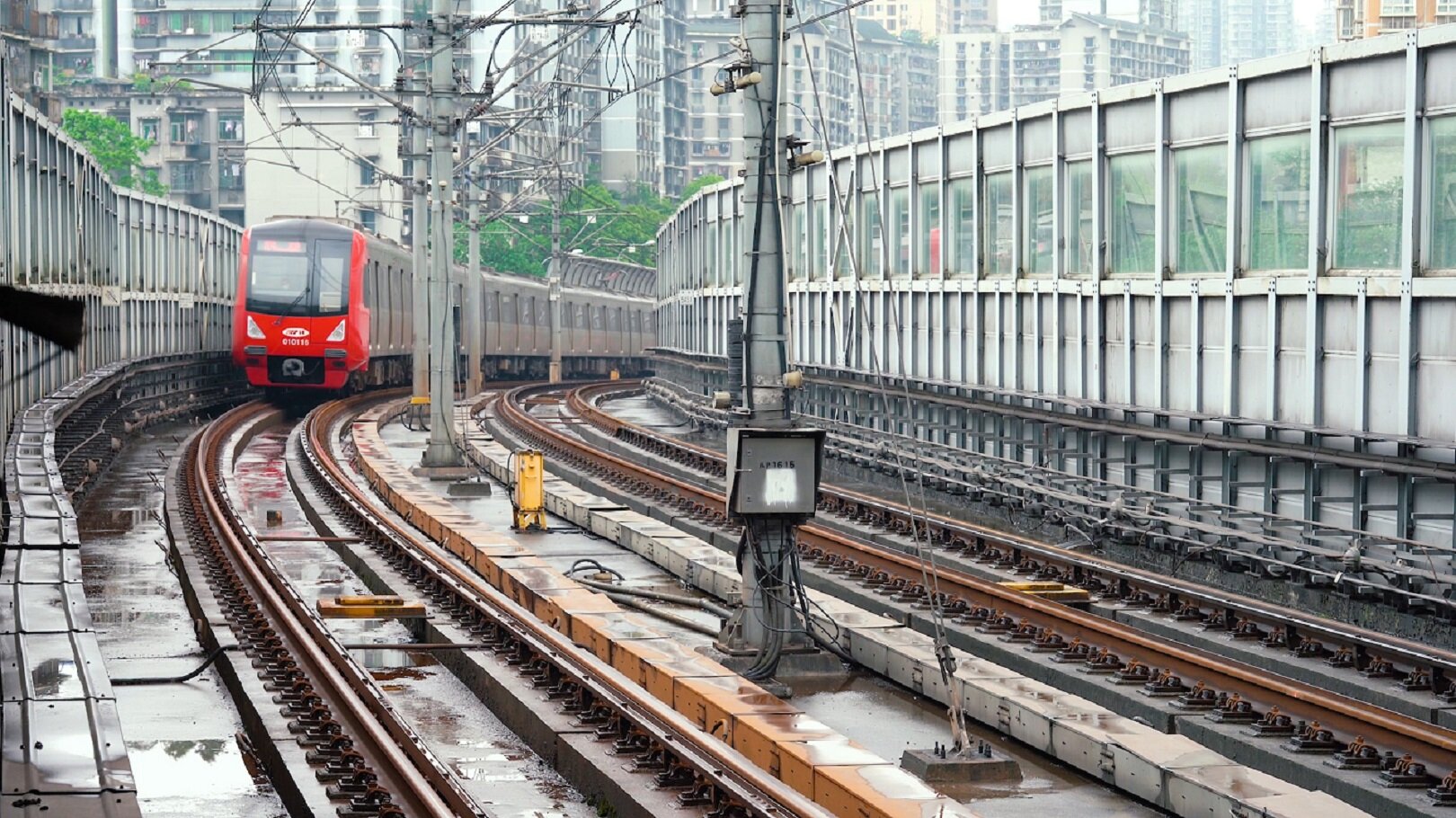
The half century plan has been shelved and finalized
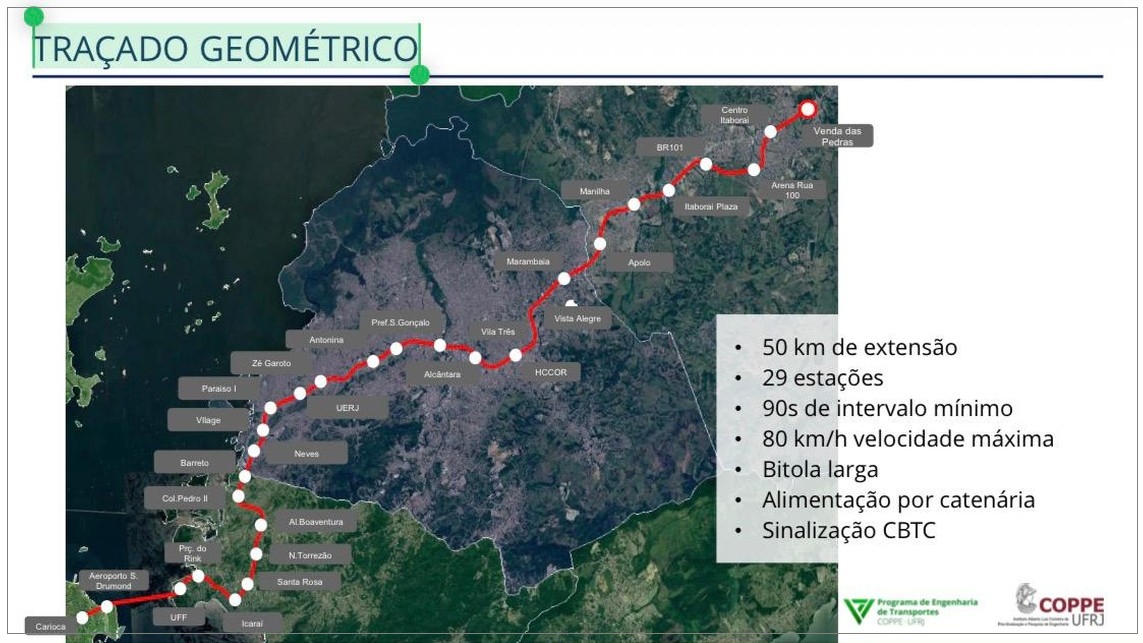
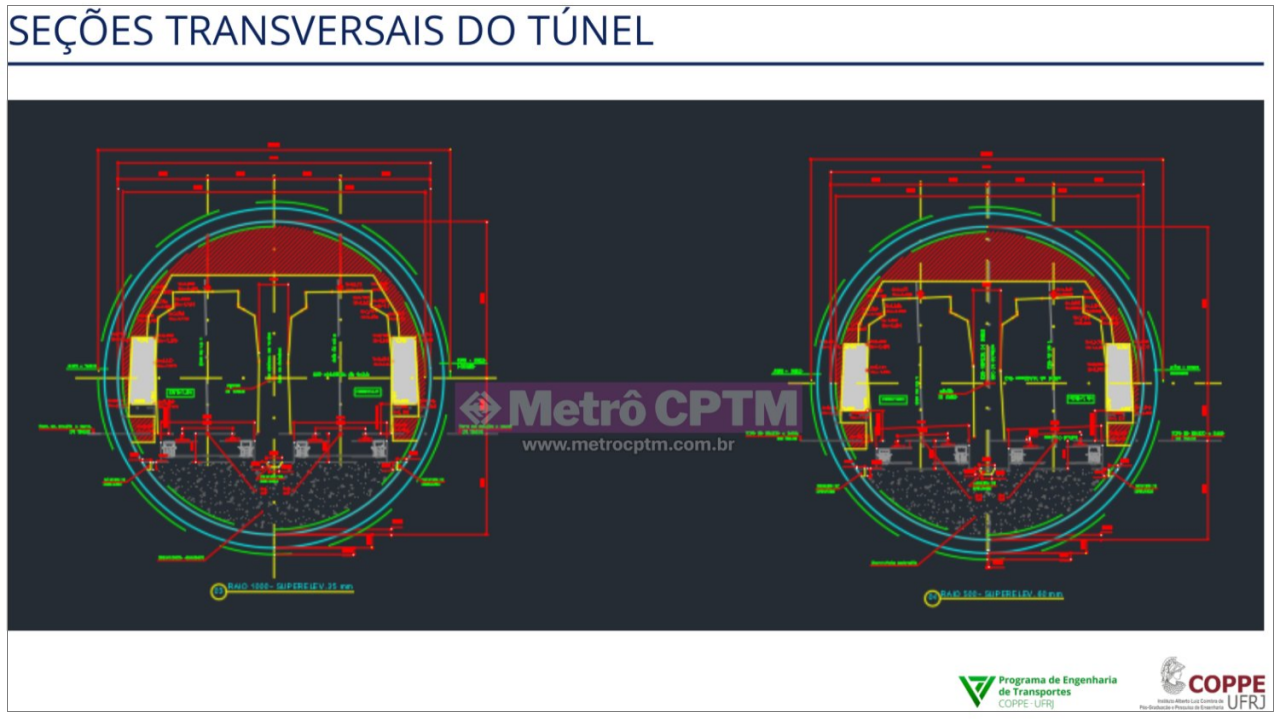
The latest research shows that Line 3 will be fully underground and cross the seabed of Guanabara Bay, with 29 stations, a designed speed of 80 kilometers per hour, and a minimum departure interval of 90 seconds. Different from the third rail power supply of the existing subway in Rio, the new line is planned to use contact network power supply and adapt to heavy-duty wide gauge trains. The research team will launch a travel preference survey in August this year to calibrate the passenger flow and revenue model, and the final results will directly serve the drafting of bidding documents under the franchise model. Although the exact length of underwater tunnels is uncertain, structural anti-corrosion, joint waterproofing, and pipe durability in high salinity environments have been listed as top priorities, which is the technical strength of the Chinese army specializing in complex geological underwater shield tunneling.
Chinese enterprises under the leadership of European brands
Brazilian rail transit vehicles and signals have long been controlled by Alstom, Siemens, and CAF, and PPP projects require localized procurement ratios, forcing outsiders to bind with local allies to form a consortium. But Chinese enterprises have already penetrated through early-stage projects: CRRC Changke and Sifang have supplied more than a hundred trains for the Rio and S ã o Paulo subways respectively, China Railway Equipment has provided earth pressure balanced shield tunneling for the east extension of S ã o Paulo Metro Line 2, and Mota Engil, a Portuguese company with a stake in China Communications Construction, has won a $1.25 billion sinking tunnel performance in Brazil. Based on these existing reputations and the engineering network in Portuguese speaking regions, Chinese contractors are fully qualified to participate in the consortium by packaging sub projects of underwater tunnels or vehicle power supply systems. Keywords: Infrastructure Engineering News and Information
New sample of cooperation between China and Latin America
For Chinese infrastructure and equipment companies planning for the Latin American market, the value of this project lies not in a single target amount, but in its demonstration effect. If we can participate in the design and construction of cross sea tunnel sections or provide heavy-duty subway trains and CBTC signal subsystems that are compatible with wide gauge, it will be a key case to break through the gap in the European monopoly market. It is recommended that relevant companies immediately track the release of the COPPE follow-up model, contact the Rio State Government Franchise Office and interested Brazilian local contractors, lock in the joint venture seats in advance, and carry out localized adaptation demonstrations of anti-corrosion materials and underwater tunnel construction methods.Editor/Gao Xue
Comment



 Praise
 Collect
 Comment

 Share
Share


Write something~