 Search


- After the completion of the project, the travel time from Jinhua to Wenzhou will be reduced from current 2.5 hours to within 1.5 hours
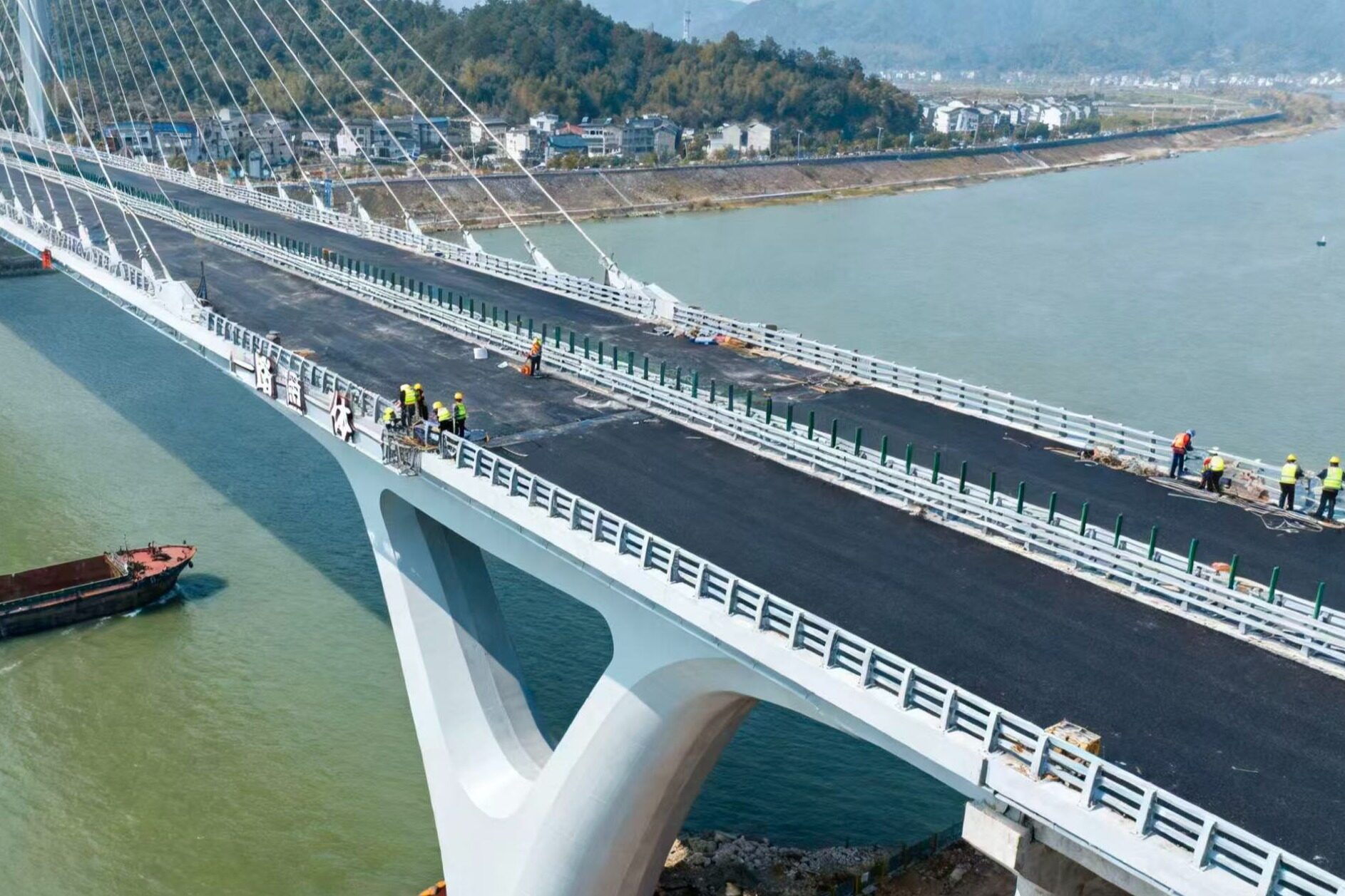
In November 2025, the Zhejiang Provincial Highway and Transportation Management Center issued a tender announcement for the feasibility study, consultation, and evaluation of the Jinliwen Expressway renovation and expansion project, marking the official start of preliminary preparations for this provincial-level key transportation project with a total investment of approximately 27.1 billion yuan and entering the critical stage of feasibility study. As the core component of the national highway network, Changshen Expressway (G25), and an important backbone of Zhejiang Province's expressway, this transportation artery connecting Jinhua, Lishui, and Wenzhou will achieve a dual upgrade of "expansion+intelligence" through three differentiated transformations, injecting new momentum into the open development of central Zhejiang.
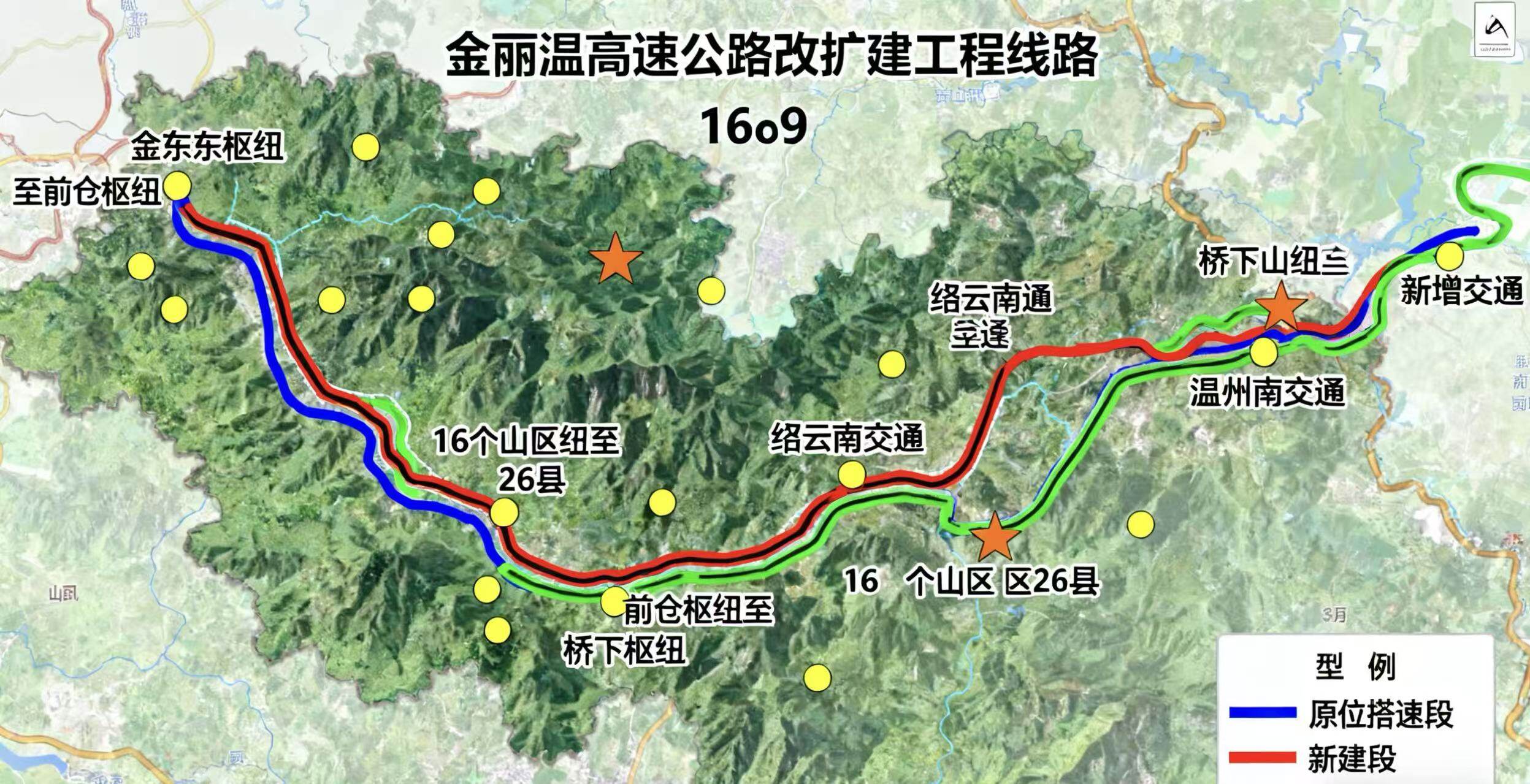
Engineering core: 238 kilometer three-stage renovation to solve the "four lane bottleneck"
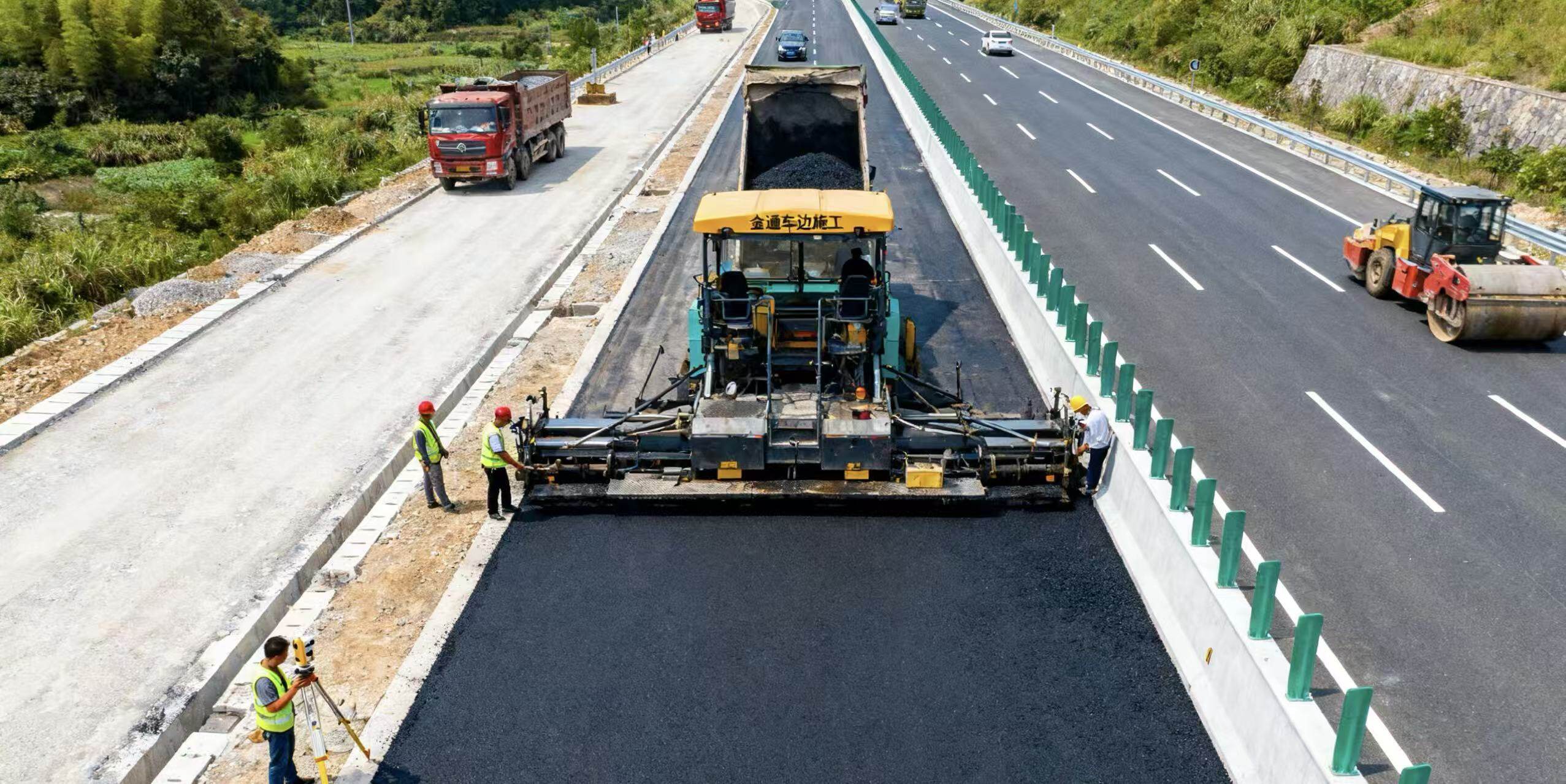
The Jinliwen Expressway has been in operation for 20 years since its full opening in 2005. The original two-way four lane design and the speed standard of 80-100 kilometers per hour are no longer able to meet the growing traffic demand, and holiday congestion has become a norm, especially in the Lishui mountainous area where traffic pressure is prominent. The total length of the renovation and expansion project is about 238.8 kilometers, breaking through the original 234 kilometer line framework and implementing precise transformation in three sections:
The construction of the project will focus on addressing the pain points of people's livelihoods along the route, such as planning the construction of a new Jinyun Interchange and connecting line in Jinyun, Lishui, to solve the problem of "difficult access to highways" in the local area and achieve efficient connection with the new and old National Highway 330. At present, the preliminary research and survey of the project have been completed, and the relevant design schemes are being refined and improved.
Strategic value: a leap in energy level from "transportation artery" to "open link"
The renovation and expansion of Jinliwen Expressway is not simply about "road widening", but also carries the strategic mission of coordinated development among the three cities in central Zhejiang. Data shows that the regional GDP of Jinhua, Lishui, and Wenzhou reached 1542.32 billion yuan in 2022, accounting for 19.9% of the province's total. The permanent population was 19.321 million, accounting for 29.4% of the province's total. However, the per capita GDP was only 67.3% of the province's average level, and insufficient transportation accessibility was one of the key factors restricting the development of mountainous areas.
At the regional coordination level, after the completion of the project, the travel time from Jinhua to Wenzhou will be reduced from the current 2.5 hours to within 1.5 hours. The revolutionary old area of Lishui will integrate more quickly into the two major urban areas of Jinyi and Wenzhou, further strengthening the mountain sea cooperation link. 26 counties in 16 mountainous areas along the route will directly benefit, and the transportation efficiency of characteristic agricultural products and industrial finished products is expected to increase by more than 30%.
At the level of open development, as the core carrier of the Jinliwen Open Corridor, the renovated and expanded expressway will link Wenzhou Port and Jinhua International Land Port, strengthening the advantage of "two-way opening of land and sea". Relying on three comprehensive bonded zones, four national level economic development zones, and abundant overseas Chinese resources along the route, we will help the region deeply participate in RCEP cooperation. By 2022, the import and export volume of goods between the three cities of Jinliwen and ASEAN has reached 154.16 billion yuan, and the high-speed upgrade will further reduce logistics costs and activate the potential of the "sweet potato economy".
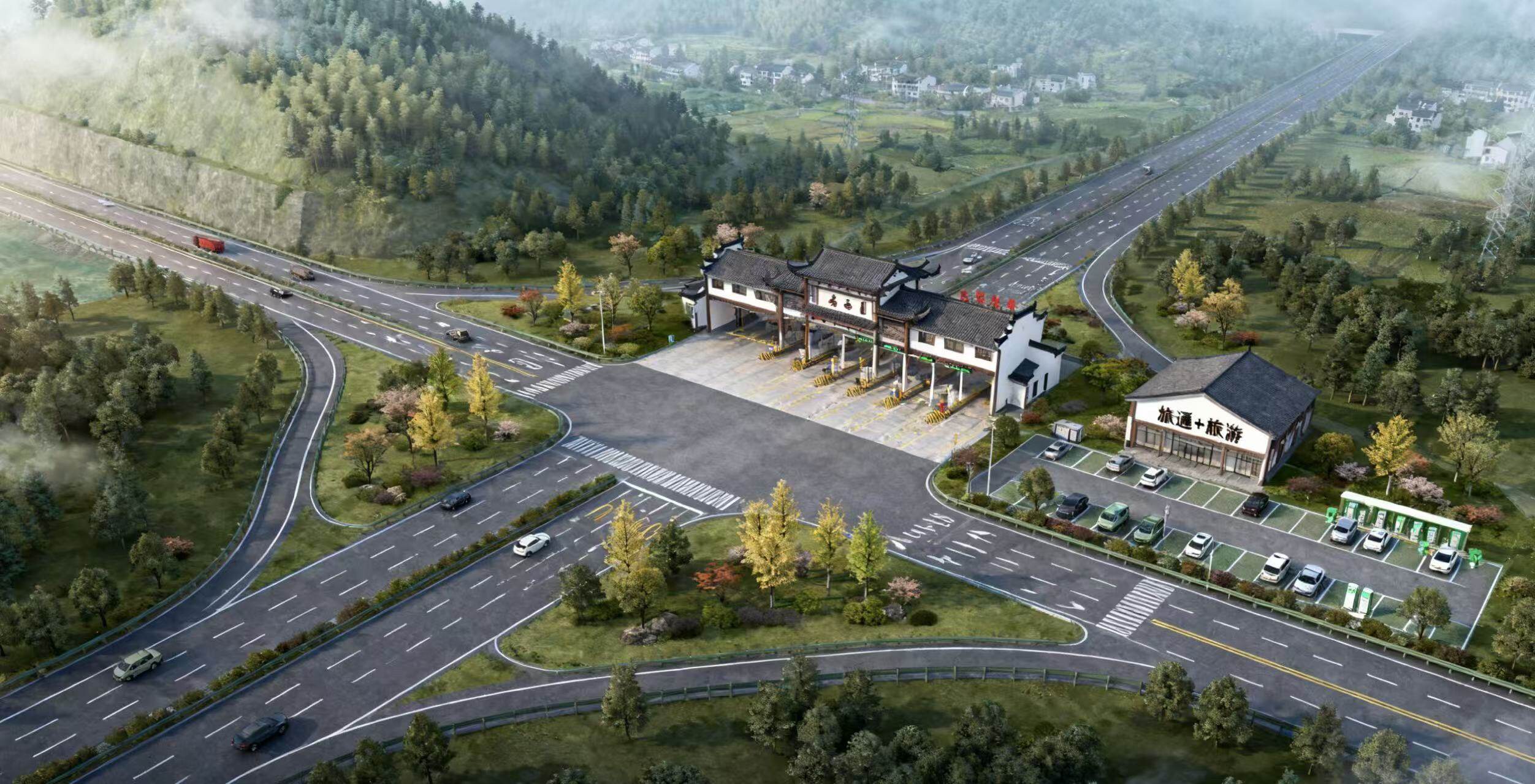
At the level of intelligent upgrading, the second phase of the renovation will integrate technologies such as intelligent monitoring and vehicle road coordination, combined with the construction of nodes such as Lishui Airport and Qingtian Haihe Intermodal Transport Hub, to build a "public iron water air" multimodal transport system, providing support for the construction of logistics hubs in southwestern Zhejiang.
The upgrade of this major transportation artery demonstrates the determination of Zhejiang's transportation to make up for its shortcomings:
According to the progress plan, the project will commence substantive construction after completing feasibility assessment and design approval, with an expected construction period of 3-4 years. At that time, this "golden channel" with an investment of 27.1 billion yuan will be upgraded from a one-way transportation corridor to a two-way economic corridor, not only solving the transportation bottleneck in central Zhejiang, but also providing solid transportation support for regional coordinated opening up and common prosperity.Editor/Bian Wenjun
Comment


 Praise
 Collect
 Comment

 Share
Share


Write something~