 Search


- The core innovation of this bidding is to completely break the state-owned monopoly in the traditional power industry
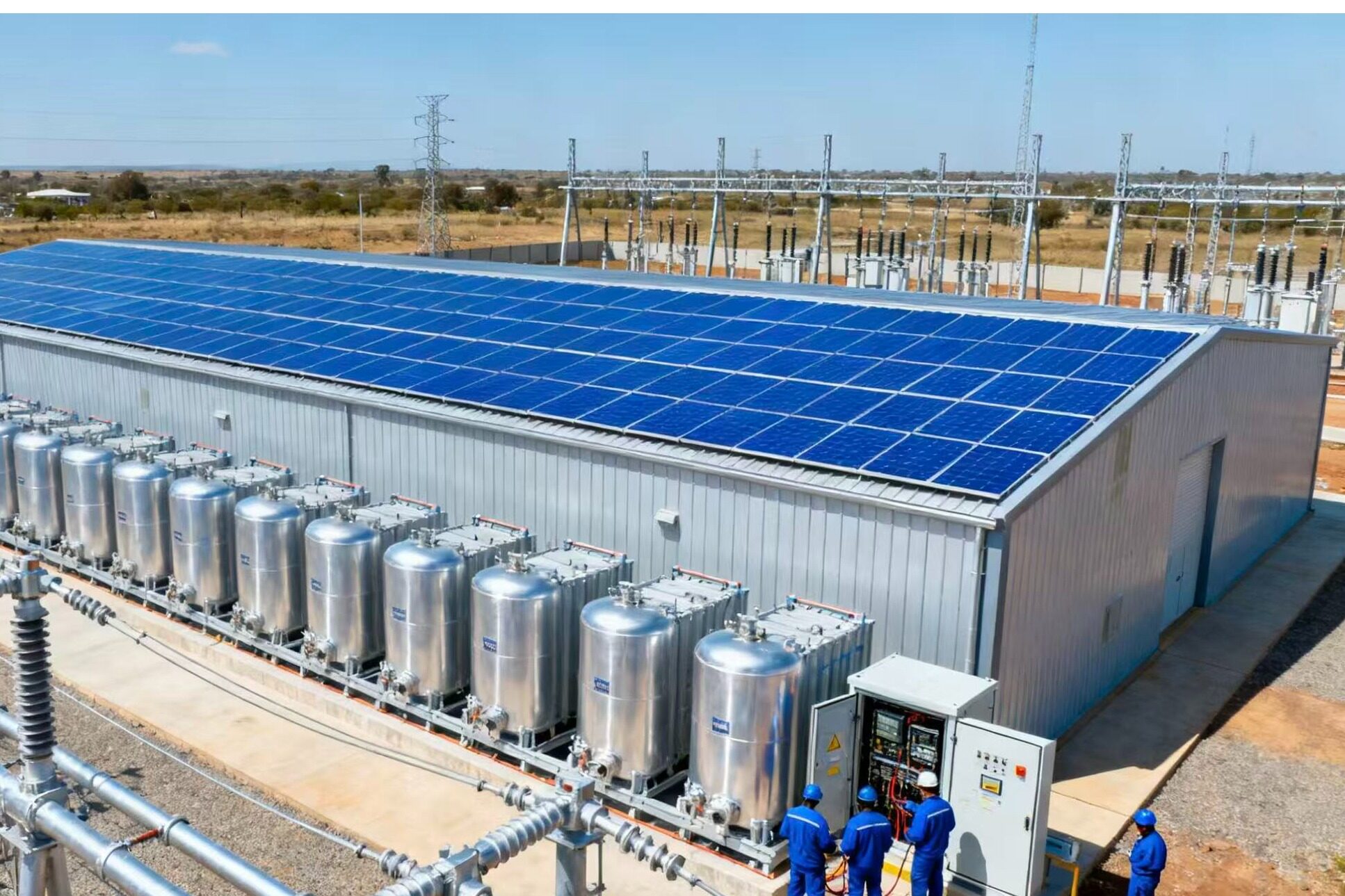
As the largest economy in Africa, South Africa is reshaping its energy landscape with an unprecedented infrastructure tender - the global tender for independent transmission projects (ITPs) with a total investment of approximately $25 billion is officially underway. This major move to break the industry monopoly not only aims to solve the long-standing problem of power shortages in the country, but also opens up a new model for private capital to deeply participate in the construction of transmission infrastructure in Africa.
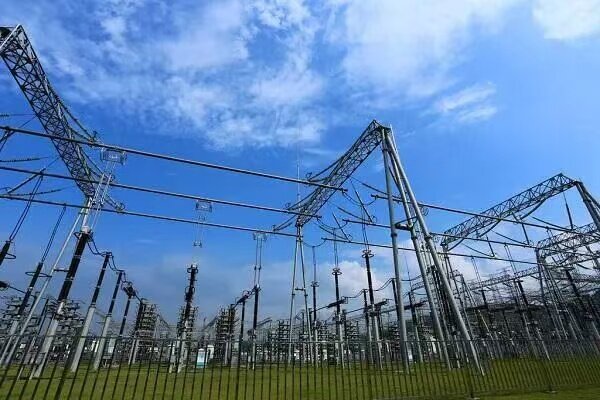
The South African Department of Electricity and Energy previously announced that the project is the core project of the second phase of the "Liberation Action" and a key support for the National Transmission Development Plan (TDP 2024). It plans to build over 14000 kilometers of high-voltage transmission lines and supporting facilities in the next decade, with a total investment equivalent to approximately 440 billion South African rand, covering renewable energy rich areas such as the Northern Cape, Northwest Province, and Gauteng Province. The first pilot phase of the project will first construct 1164 kilometers of 400kV transmission lines, which can add at least 3000 megawatts of grid access capacity, specifically addressing the bottleneck of grid connected transmission of clean energy such as solar and wind energy. Currently, South Africa's abundant renewable energy resources still have about half of their potential to be unleashed due to insufficient transmission capacity.
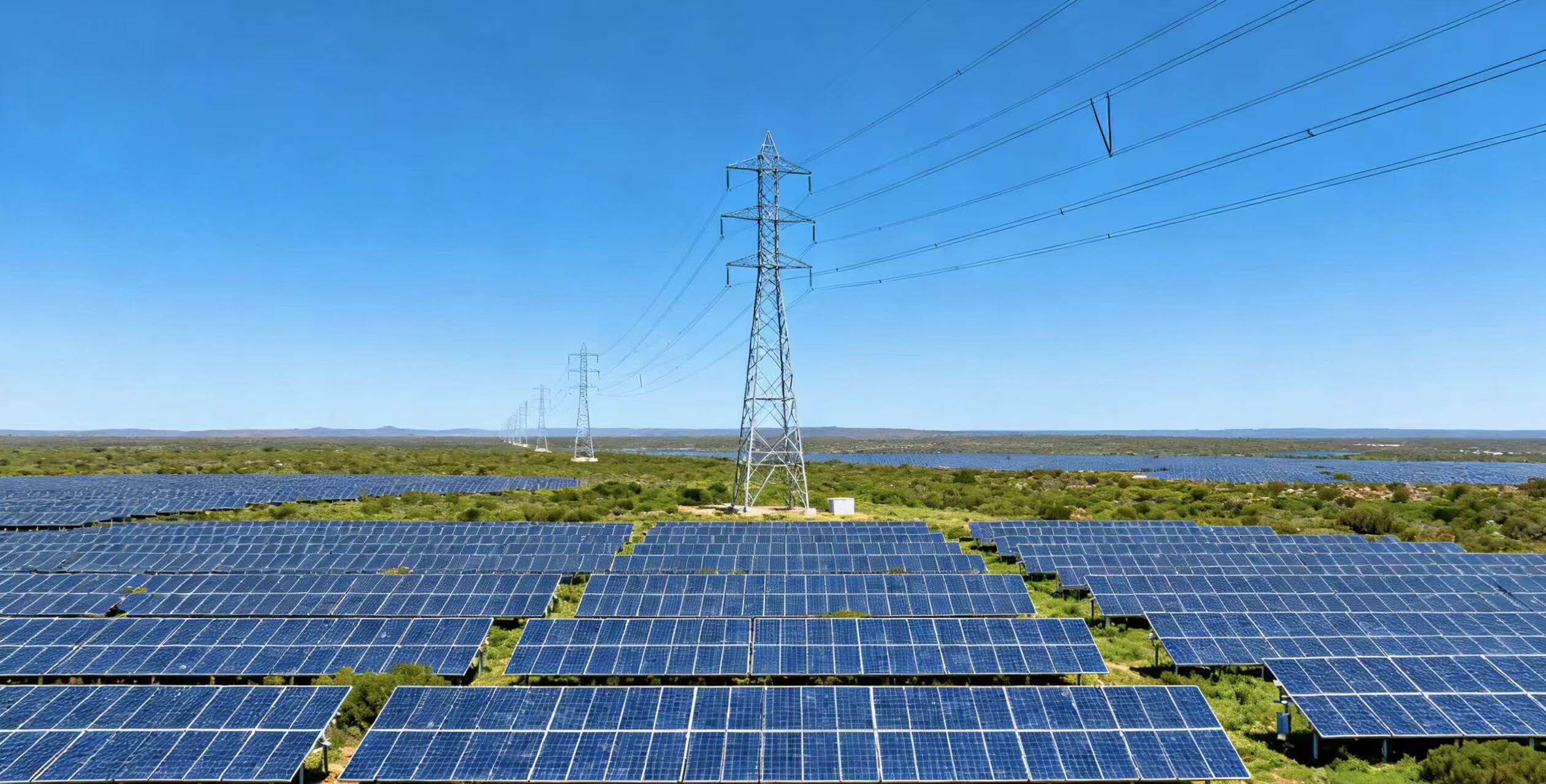
The core innovation of this bidding is to completely break the state-owned monopoly in the traditional power industry. According to the bidding rules, private capital will obtain the full cycle concession rights for the design, financing, construction, and operation of the project. After the concession period ends, the assets will be transferred to the National Transmission Company of South Africa (NTCSA) for unified management. In order to reduce investment risks and attract global capital, the South African Ministry of Finance has specially launched a credit guarantee tool, with the government providing 20% first loss capital (initial size of $100 million, which can be increased to $500 million), with a target credit rating of AAA. Currently, 32 international development partners have given positive investment intentions. At the same time, the bidding process is led by the Independent Power Producer Office (IPPO) to ensure fair competition and transparent supervision, and all qualified private developers, financial institutions, and engineering contractors can participate in the bidding.
It is worth noting that the project has attracted high attention from the global industrial chain. On July 31, 2025, South Africa officially launched the first phase of pre qualification, and application documents will be open for access from that day. The deadline for submission is September 23, 2025. The previously released Request for Information (RFI) phase has received feedback from companies around the world, providing key references for the design of the bidding framework. Chinese companies have taken the lead in making efforts. China Energy Engineering recently signed a large-scale energy storage supporting project in the Northern Cape Province of South Africa, and Shanghai Hydrogen Rui Technology's MW level PEM hydrogen production equipment has successfully supplied South African power projects overseas, becoming a benchmark case for Chinese manufacturing to participate in local energy transformation. In addition, Europe has committed $13.3 billion in special investment to support the upgrading of South Africa's power grid and the construction of energy storage capacity, demonstrating the international community's confidence in the project.
David Massondo, Deputy Minister of Finance of South Africa, emphasized that this globally innovative transmission project model can not only fill the annual infrastructure financing gap of 400 billion rand, but also create a large number of job opportunities, promote energy decarbonization transformation, and provide core support for the country to achieve its climate commitments under the "Fair Energy Transition Partnership". With the steady progress of the bidding process, the $25 billion capital injection is turning South Africa into a core hotspot for energy infrastructure investment in Africa, and providing a key opportunity for global energy companies to enter the African market.Editor/Bian Wenjun
Comment



 Praise
 Collect
 Comment

 Share
Share


Write something~