 Search


- The project will fully apply intelligent scheduling and contactless payment to achieve "one code access"
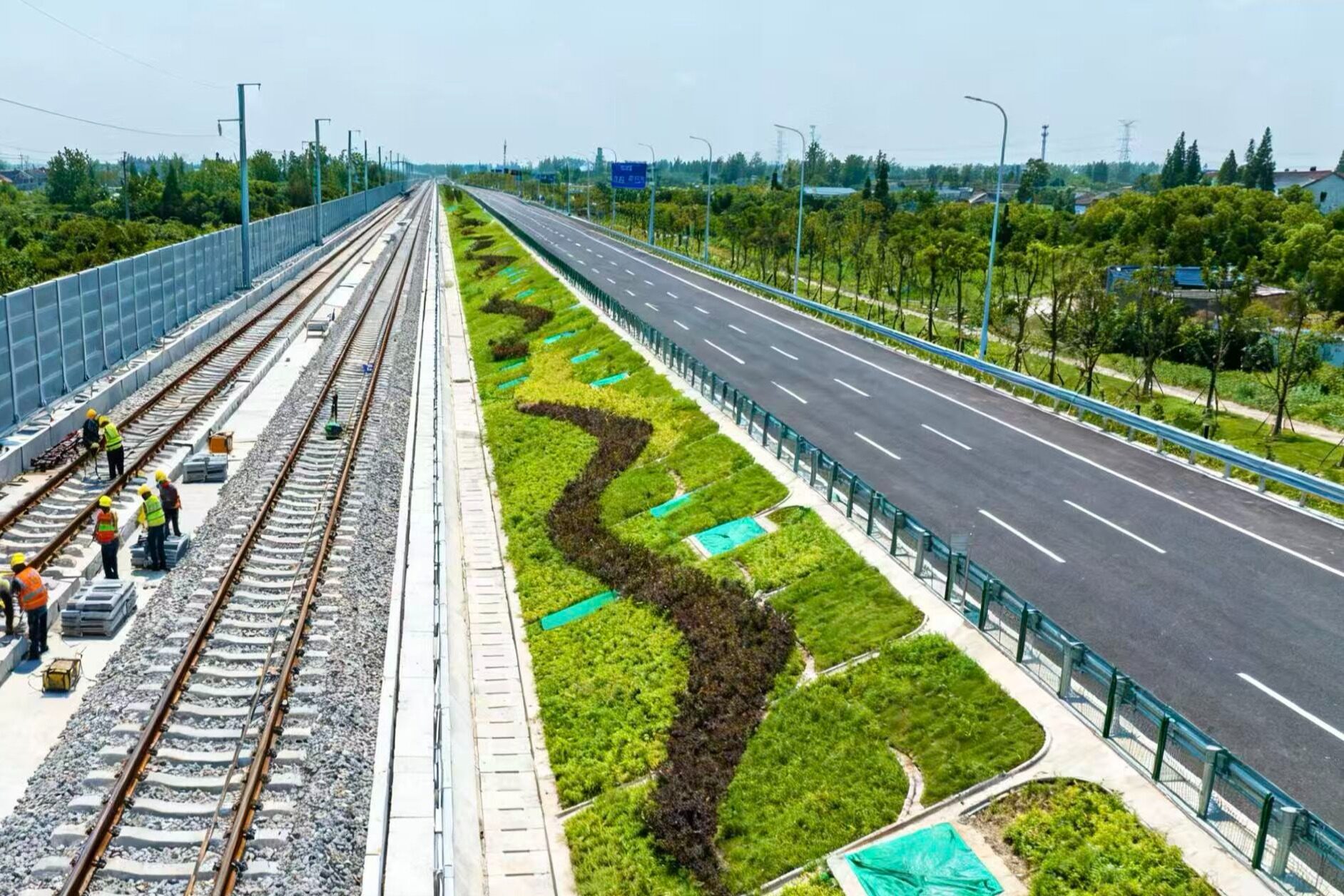
Recently, the Beijing suburban railway Northeast Ring Line renovation project with a total investment of 22 billion yuan officially announced the winning bid results. China Railway Group and China Railway Construction Joint Venture successfully won the core bid section, marking the substantial construction stage of this "urban fast rail artery" that connects the northeastern urban area of Beijing. The project has a planned construction period of 5 years. After completion, it will build fast commuting routes in the four major urban areas of Changping, Haidian, Chaoyang, and Tongzhou at a design speed of 160 kilometers per hour, adding a key pivot to the "Beijing Tianjin Hebei on the track".
As the core project of Beijing's "Four Network Integration" (national railway, suburban railway, subway, and public transportation) demonstration project, the Northeast Ring Road of the suburban railway has a total length of about 59 kilometers. The line starts from Huangtudian Station in Changping District in the west and ends at the eastern throat of Beijing Station in Tongzhou District, passing through key nodes such as Shahe, Qinghe, Wangjing, and Xinghuo. It has a total of 16 stations, including 9 transfer stations. The project will electrify the existing railway lines, build new double track tracks and supporting signal systems, and simultaneously expand the waiting and transfer facilities at key stations such as Qinghe and Wangjingxi, achieving seamless transfer with 10 subway lines including Line 13, Line 17, and Line 19. Passengers can complete the rapid connection of "suburban railway+subway" without leaving the station.
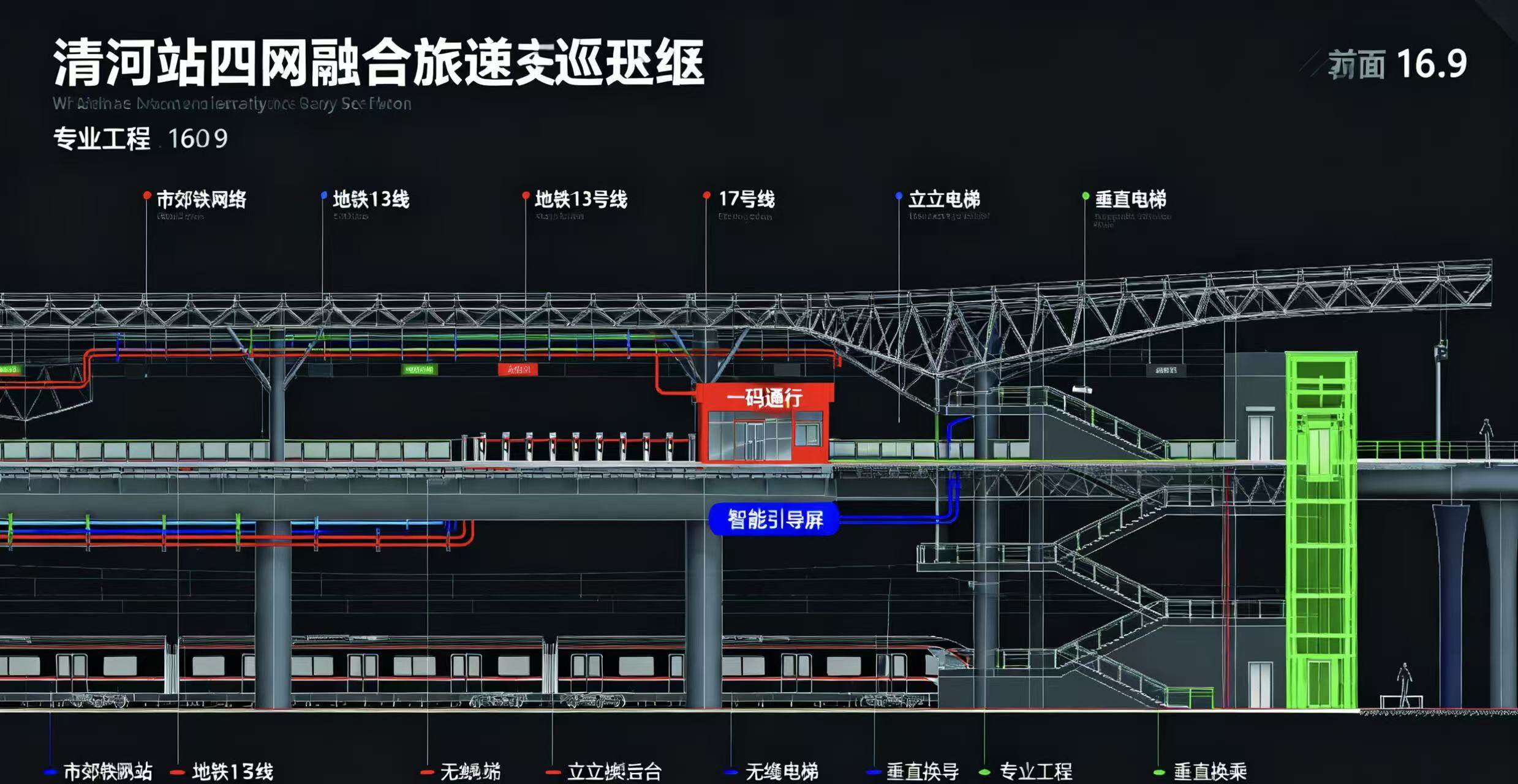
The biggest highlight of the project lies in the dual breakthrough of "speed" and "density": the design speed of 160km/h is more than 50% higher than that of ordinary subways, and the commuting time from Changping to Guomao will be compressed from the current 90 minutes to within 1 hour. It only takes 30 minutes from Huitian area to CBD core area; At the same time, a mixed operation mode of "big station express+station stop" will be adopted, with a minimum departure interval of 10 minutes during peak hours. The daily transportation capacity will exceed 150000 people, greatly alleviating the commuting pressure outside the Northeast Fifth Ring Road. In addition, the project will fully apply intelligent scheduling, contactless payment and other technologies to achieve "one code access" and "facial recognition entry", and synchronously build bicycle parking lots and bus shuttle stations to create a convenient transportation network for the "last mile".
The winning consortium will adopt advanced technologies such as modular construction and green building to minimize the impact on existing railway operations and the lives of residents along the line. During the construction process, ecological restoration along the line will be synchronously promoted. A 30 meter wide green corridor will be built on both sides of the track, along with supporting environmental protection facilities such as sound barriers and vibration reduction pads, to achieve harmonious coexistence between engineering construction and urban ecology. After the completion of the project, it will not only optimize the layout of Beijing's railway hub, strengthen the connection between Changping, Tongzhou and the central urban area, but also drive the development of industrial parks and residential clusters along the line, providing efficient and convenient transportation support for the coordinated development of Beijing Tianjin Hebei.

With the start of the project, the "Golden Commuter Line" that runs through the northeast of Beijing is about to break ground and is expected to be fully completed and opened to traffic by the end of 2029. At that time, the Northeast Ring Road of the suburban railway will be linked with the already built suburban railway urban sub center line and Huaimi Line, building a suburban railway network covering the entire area of Beijing, making the "half-hour commuting circle" and "one hour living circle" a reality, injecting sustained transportation momentum into the high-quality development of the capital.Editor/Bian Wenjun
Comment

 Praise
 Collect
 Comment

 Share
Share


Write something~