 Search


- This move marks the official landing of China's first large-scale green hydrogen integration project undertaken overseas
- This project successfully exports China's green hydrogen technology and engineering capabilities to the ASEAN market, establishing a new benchmark for China's participation in the global energy transition
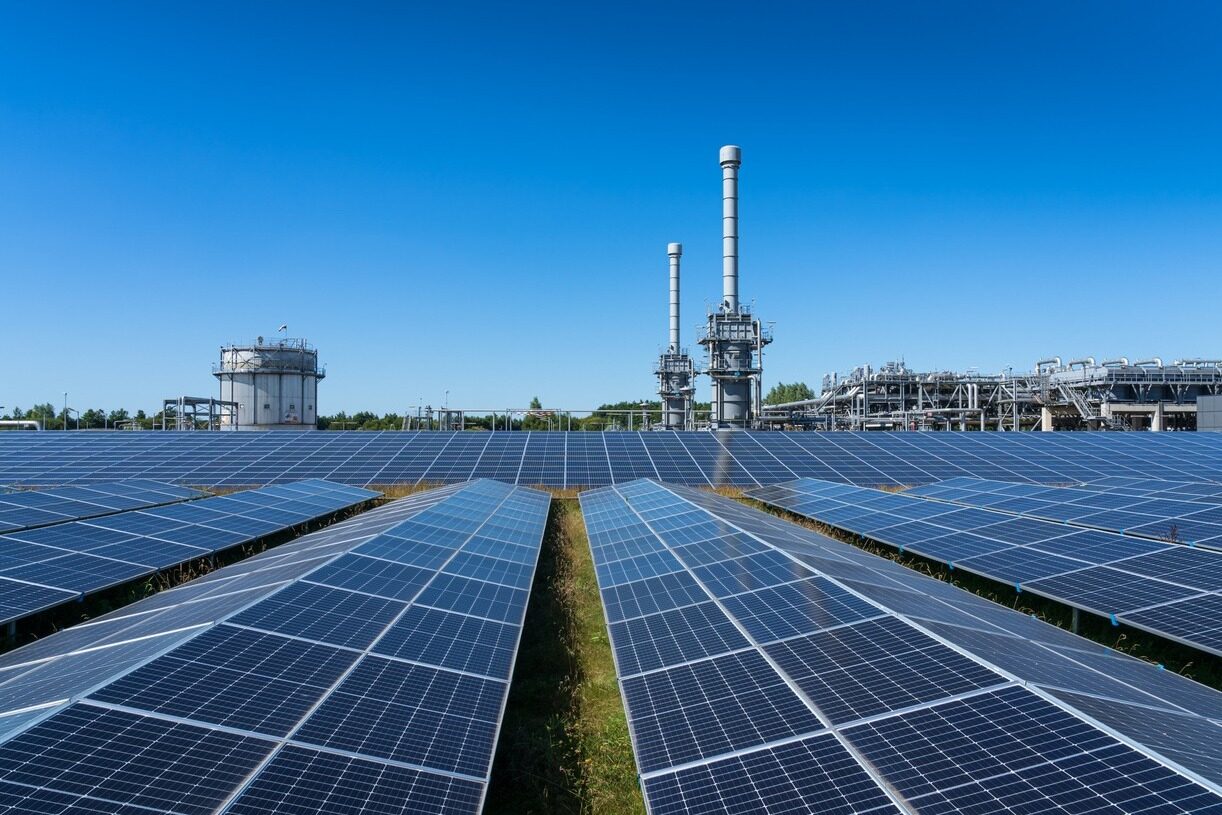
CEEC has once again brought good news in the field of green energy overseas. Recently, a consortium consisting of CEEC Jiangsu Institute and North China Institute officially signed an EPC general contracting contract with Nova RE Suria Sdn Bhd, a well-known energy company in Malaysia, for the Paka Green Hydrogen Integration Project in Terengganu, Malaysia. As a national key green project in Malaysia, the project not only carries the strategic mission of the country's hydrogen energy industry development, but also marks that China's green energy technology and engineering strength has been highly recognized in the ASEAN market, becoming the latest witness to deepening clean energy cooperation between China and Malaysia under the framework of high-quality joint construction of the the Belt and Road.
Project Scale and Technical Highlights
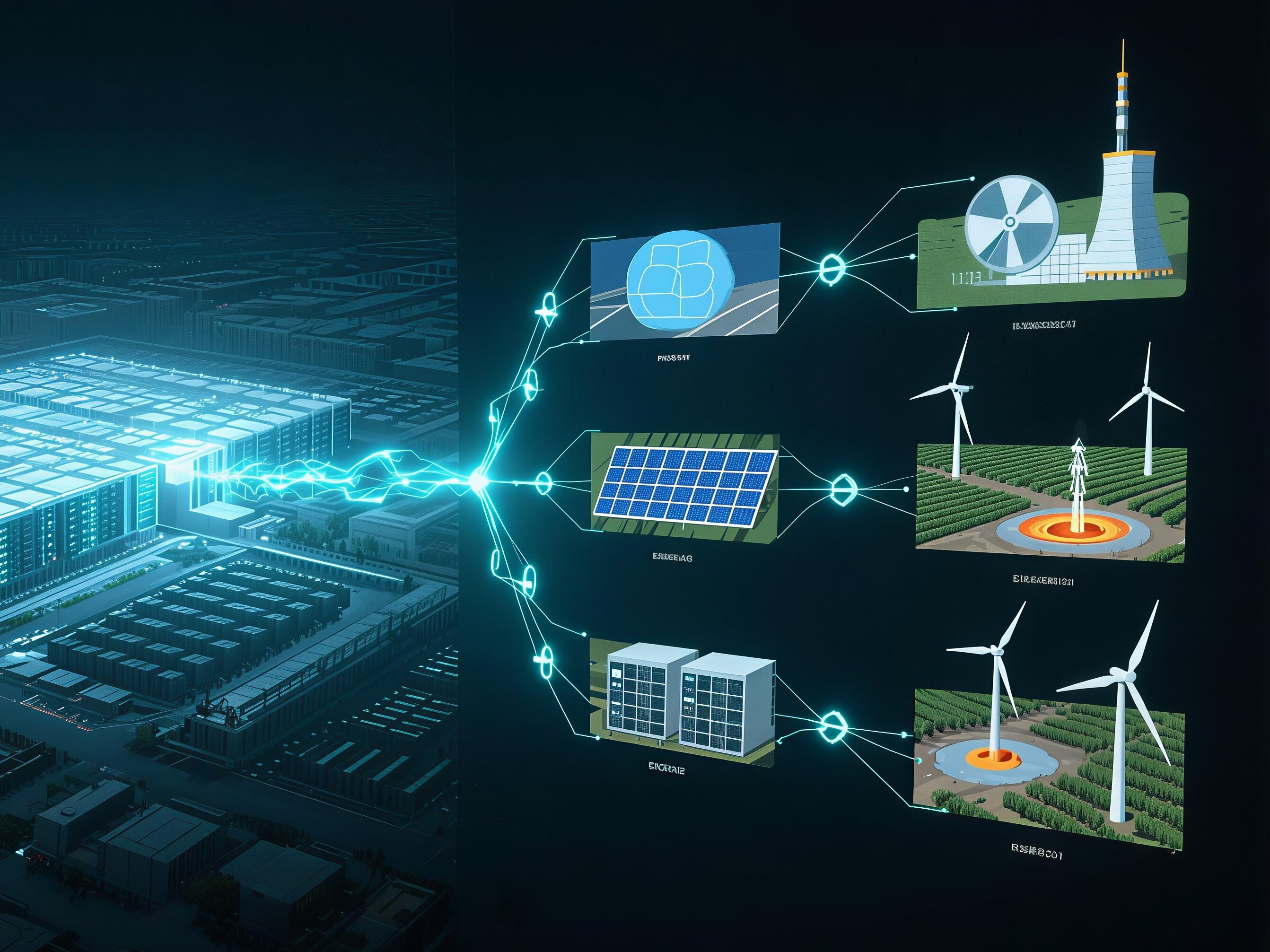
The Paka Green Hydrogen project is led by Bin Zayed International, a multinational company from the United Arab Emirates, and is located in the Paka region of Terengganu, Malaysia. The project covers the full chain construction of a modern hydrogen production plant, including the design, supply, installation, and testing of electrolytic cell systems, gas-liquid processors, hydrogen purification devices, and related auxiliary facilities.
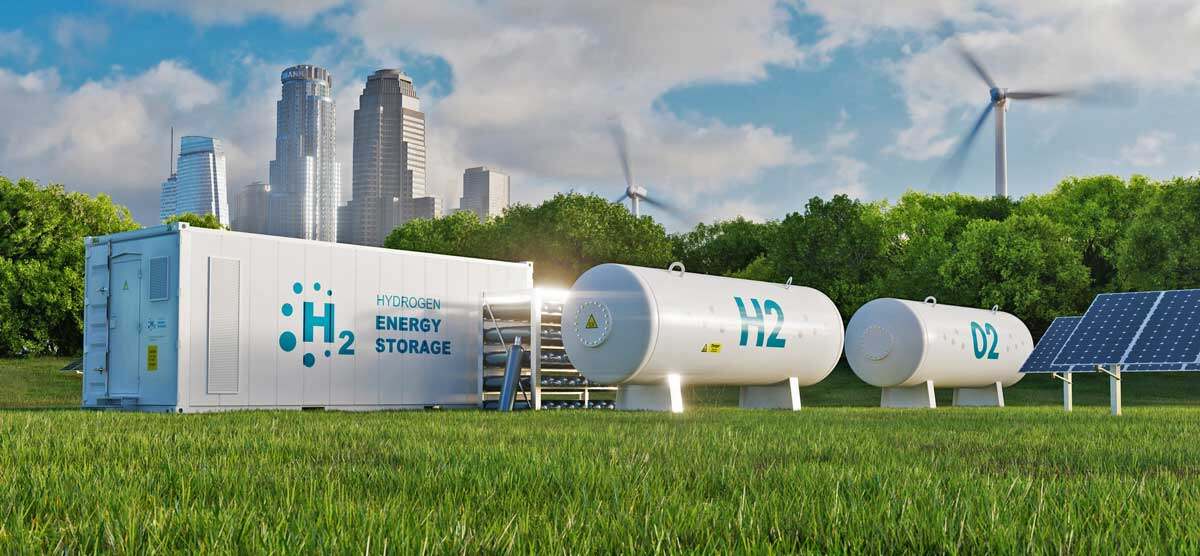
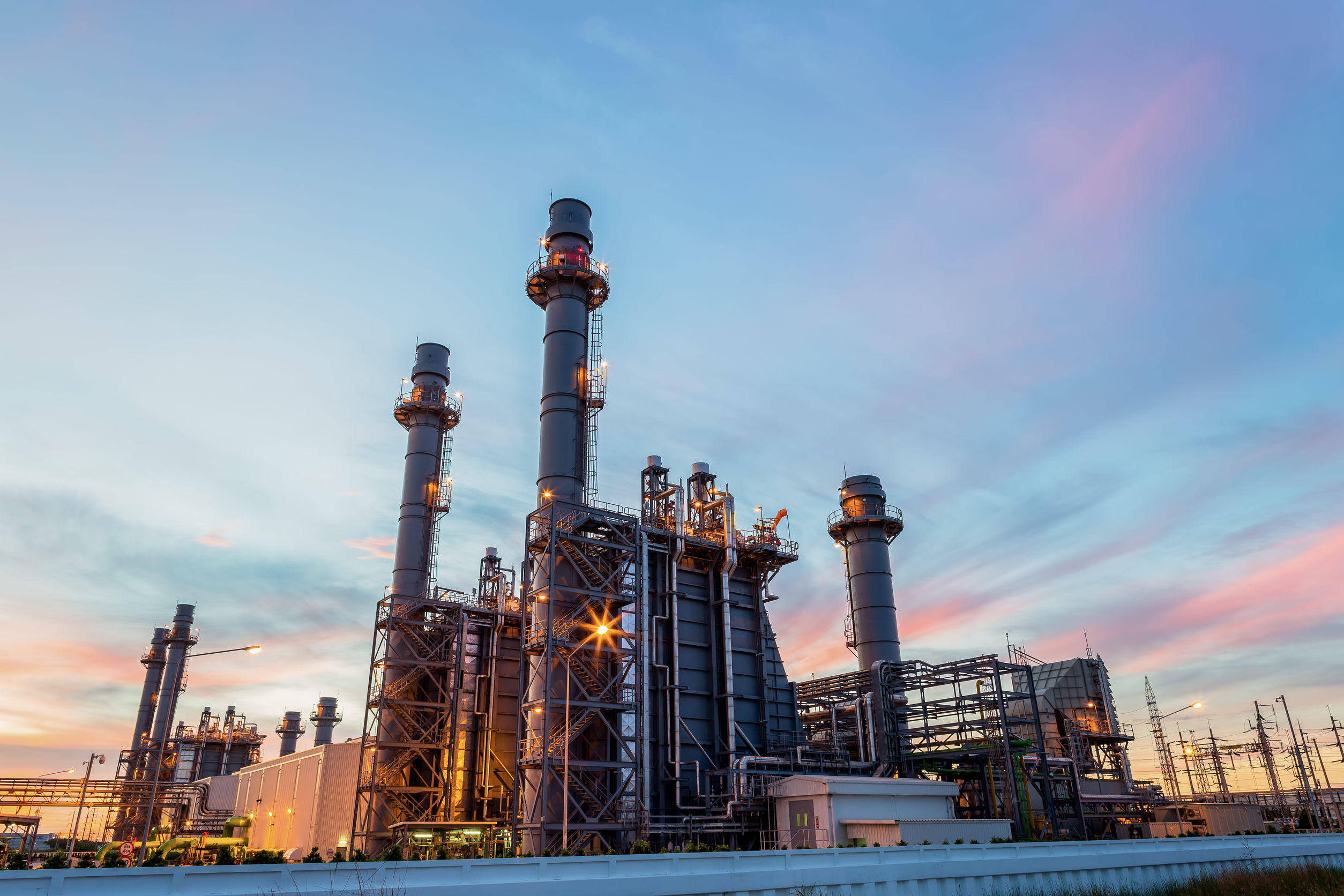
The project will be promoted in two phases, reflecting a systematic energy planning approach: the first phase plans to build a 200MW green hydrogen plant and a supporting 30MW photovoltaic power station, directly obtaining hydrogen production power from renewable energy sources; The second phase will design and construct a 1000MW gas-fired combined cycle power station, which will balance the coordinated utilization of low-carbon transition energy and future hydrogen energy. The signing of this EPC contract is a crucial step in the project's progress. As early as March 9, 2024, the joint venture between China CEEC and Jiangsu Institute signed the project EPC framework agreement and design consulting contract. This formal signing marks that the project has fully entered the substantive engineering implementation stage from the planning stage.
Aligned with Malaysia's national energy strategy
The smooth progress of this project resonates with Malaysia's steadfast national energy transformation strategy. In the 12th Five Year Plan (2021-2025) (12MP), Malaysia explicitly aims for prosperity, inclusiveness, and sustainability, and regards emerging renewable and low-carbon energy as core economic drivers. It has made solemn commitments to stop building new coal-fired power plants, reduce carbon intensity by 45% by 2030, and achieve carbon neutrality by 2050.
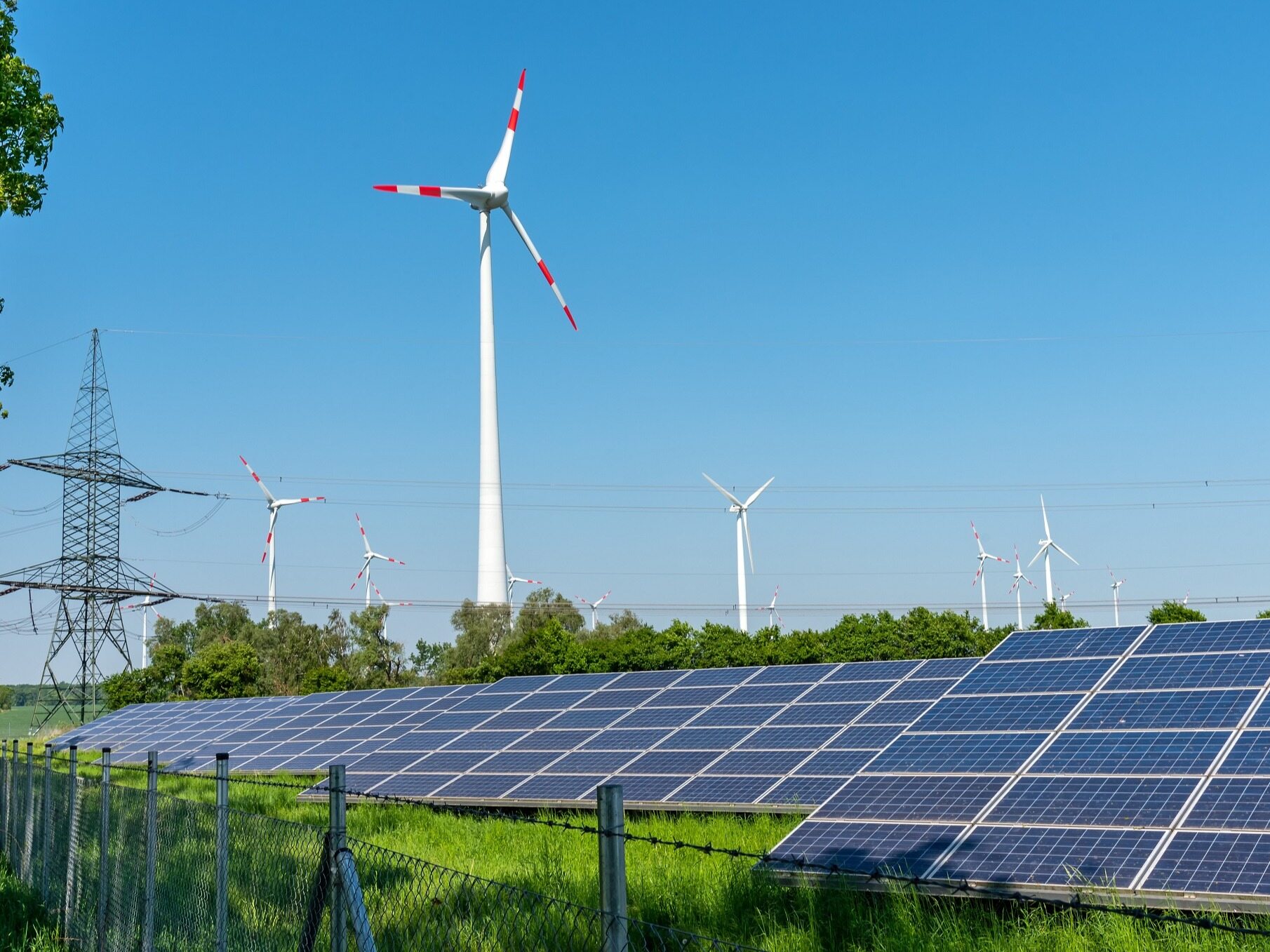
More specific guidance comes from the "Hydrogen Economy and Technology Roadmap" released by the Malaysian Ministry of Science, Technology and Innovation in 2023. This roadmap clearly positions hydrogen energy as the cornerstone of the country's new energy economy, aiming to serve multiple goals such as energy security and decarbonization through technology introduction and investment. The roadmap predicts that by 2050, the hydrogen energy industry will contribute up to MYR 89 billion in revenue and create approximately 200000 jobs for Malaysia, becoming a crucial medium - to long-term pillar in its national energy transition roadmap. Keywords: Southeast Asian Engineering Information Network
The implementation of the CEEC Paka Green Hydrogen project goes beyond the scope of a single engineering contract. It precisely aligns with Malaysia's multidimensional strategy of developing hydrogen energy to achieve energy security, economic growth, and climate goals, demonstrating the successful transformation of Chinese enterprises from single engineering contractors to providers of green energy system solutions. This project will not only bring clean energy and technological progress to the local area, but also set a benchmark for green and low-carbon development in the entire ASEAN region, indicating broad prospects for cooperation between China, Malaysia, and even China and ASEAN in the field of energy transformation.Editor/Cheng Liting
Comment



 Praise
 Collect
 Comment

 Share
Share


Write something~