 Search


- Thoroughly solve Iraq's long-term power shortage problem by building new gas and renewable energy power stations
- Iraq launches a 20-year energy plan aimed at fundamentally reshaping its power sector and meeting national development needs by attracting international capital and technology
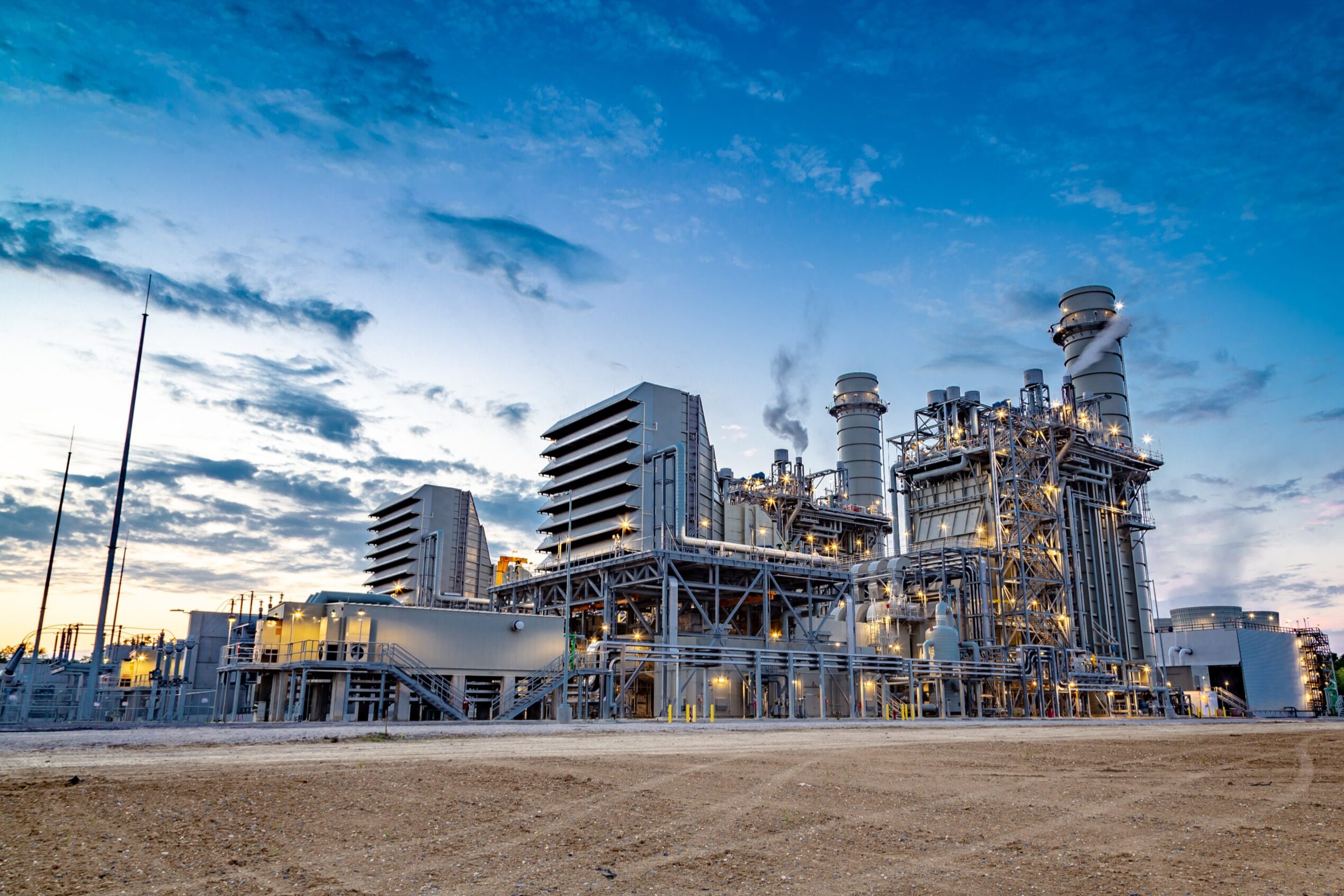
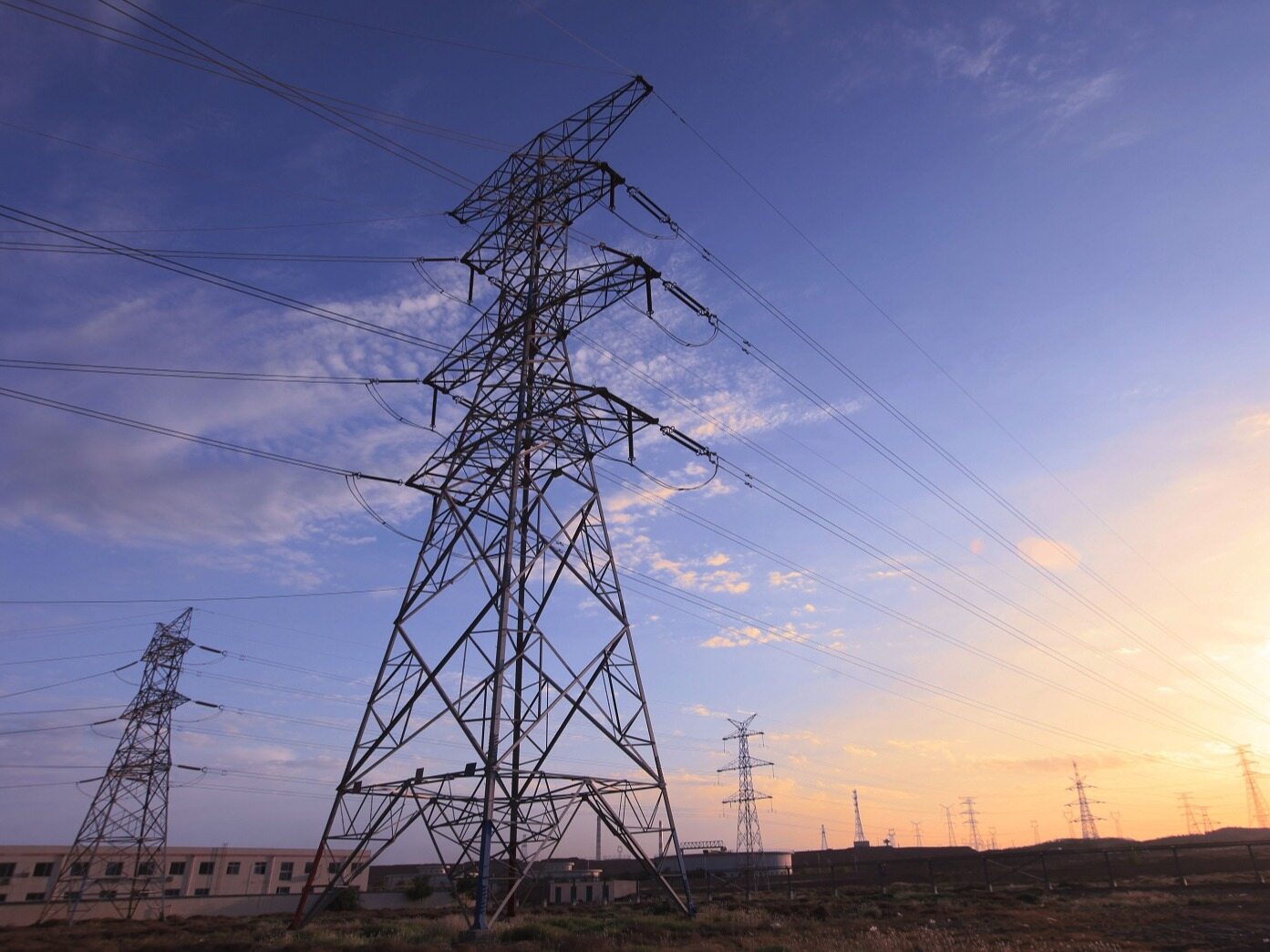
In order to completely reverse the long-term power shortage situation, the Iraqi government recently announced a 20-year energy strategy, planning to cooperate with Siemens Energy of Germany and GE Vernova of the United States to jointly add up to 57 gigawatts of electricity installed capacity. This comprehensive plan aims to fundamentally reshape the country's power sector through the construction of new gas-fired power plants, vigorous development of renewable energy, and long-term maintenance of existing power plants.
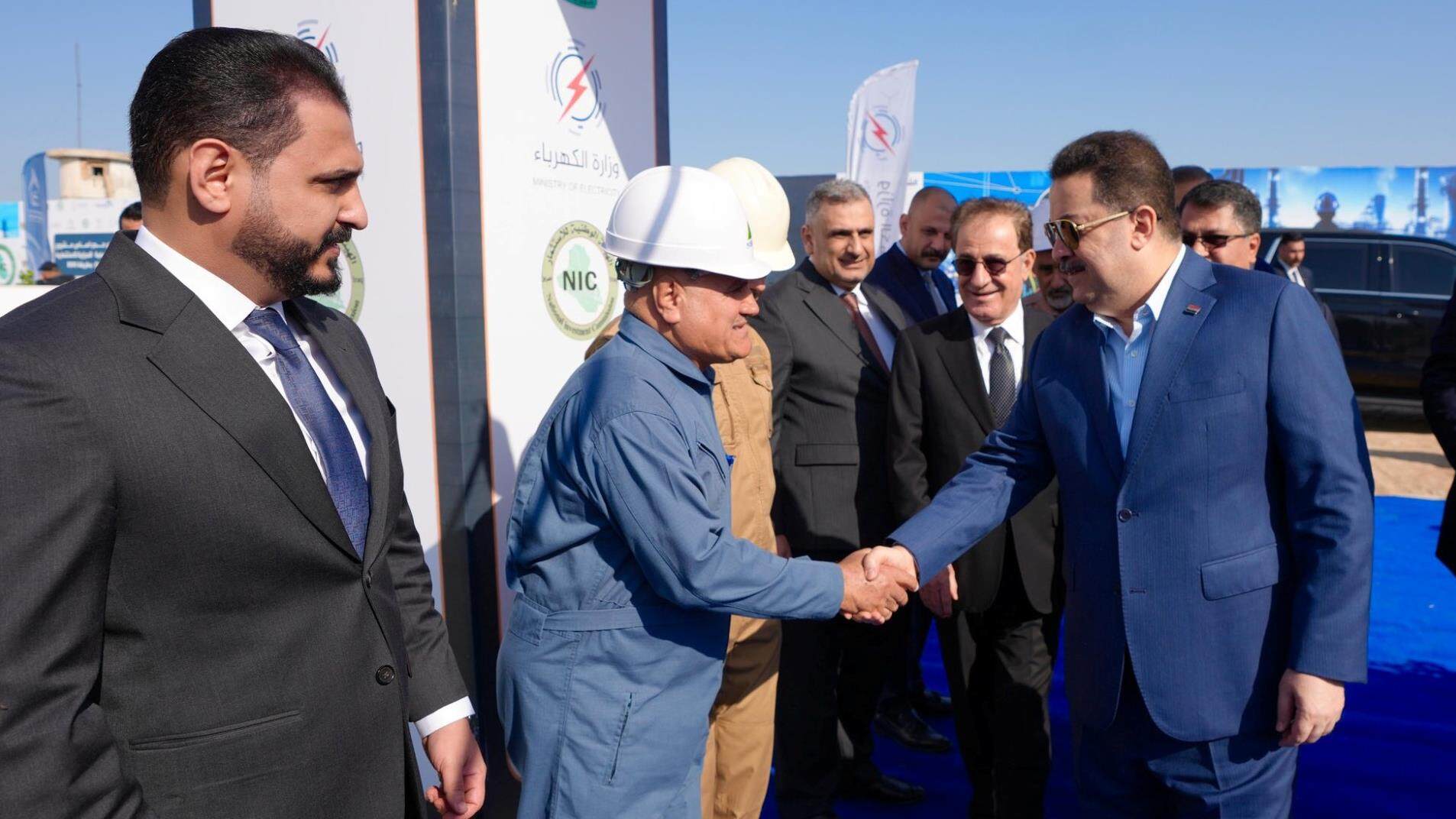
Iraqi Prime Minister Mohamed Sia Al Sudani announced the plan on November 19 and unveiled a 1400 MW Al Yousifiyah thermal power plant project using a build own operate model. The factory site is located about 30 kilometers away from Baghdad. After being destroyed during the Gulf War, multiple attempts to restart it were unsuccessful, and it was cancelled in 2015 due to regional unrest. This launch marks the official entry of this key project, which has been stalled for many years, into the implementation phase.
Reforming investment models to reduce power generation costs
Prime Minister Al Sudani emphasized in the statement that Iraq has turned to a new investment and financing model to address the issue of unfair contracts in the past and create a more attractive environment for investors. We have made efforts to reduce electricity prices, offering up to 43% reduction from previous contracts while retaining public funds, "he said. According to the Middle East and North Africa Business Daily, these savings refer to significant reductions in power generation costs supported by long-term power purchase agreements. In addition, the Prime Minister instructed relevant departments to accurately calculate the actual cost of electricity generation and recover it through improving the electricity billing and collection mechanism.
Multi pronged approach, clear 2030 goals
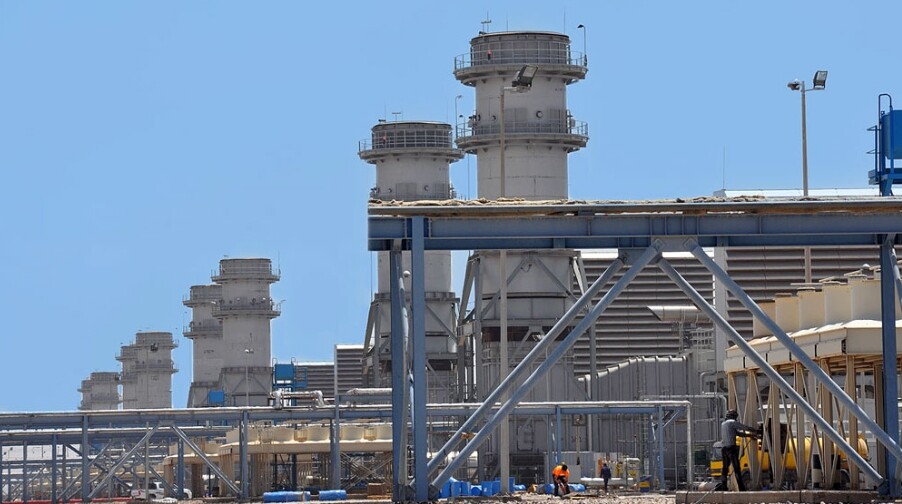
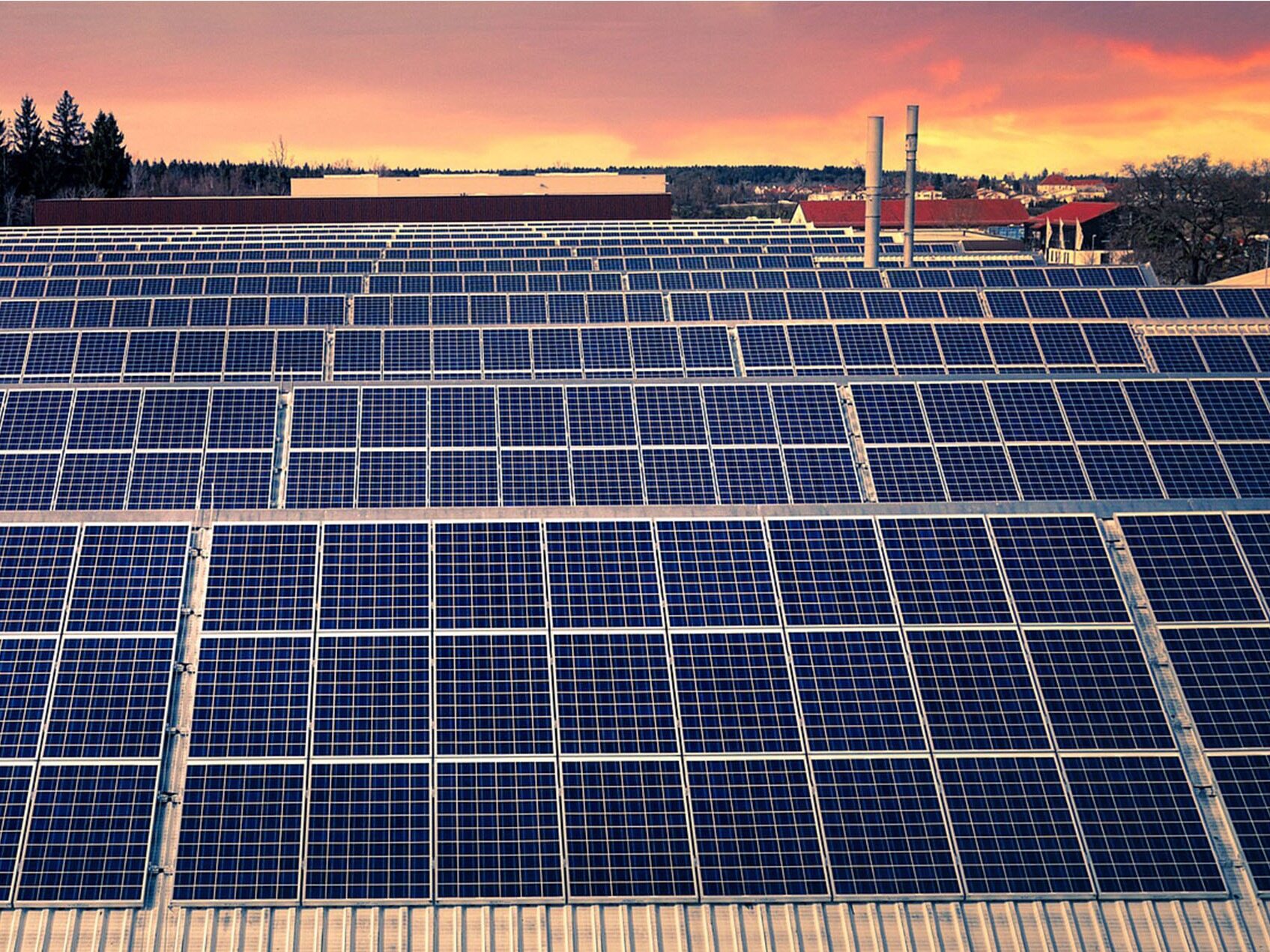
This long-term plan is crucial for Iraq to meet the challenge of 24-hour power supply, especially during the summer electricity peak. As an important step in the energy transition, the government has set a clear goal of increasing solar installed capacity by over 7 gigawatts by 2030 to reduce reliance on traditional oil and gas power generation.
Recent actions have also been rapidly launched. In August of this year, the cabinet approved five large-scale power generation projects with a total installed capacity exceeding 10000 megawatts, including three large combined cycle power plants and two thermal power plants. In addition, Iraq's first large-scale utility level solar project, the Kabala 300 MW solar power station, was successfully connected to the grid for power generation in September. The first phase of 22 MW has begun operation and plans to increase the total capacity to 300 MW by the end of the year. Keywords: international news, energy news
This series of measures clearly demonstrates that Iraq is firmly embarking on the path of self-sufficiency in electricity and energy recovery through international cooperation, innovative models, and diversified energy structures.Editor/Cheng Liting
Comment


 Praise
 Collect
 Comment

 Share
Share


Write something~