 Search


- Terminal 6 of King Salman International Airport will commence construction in the second quarter of next year
- Expected to contribute approximately $7.2 billion annually to Saudi Arabia's non oil GDP

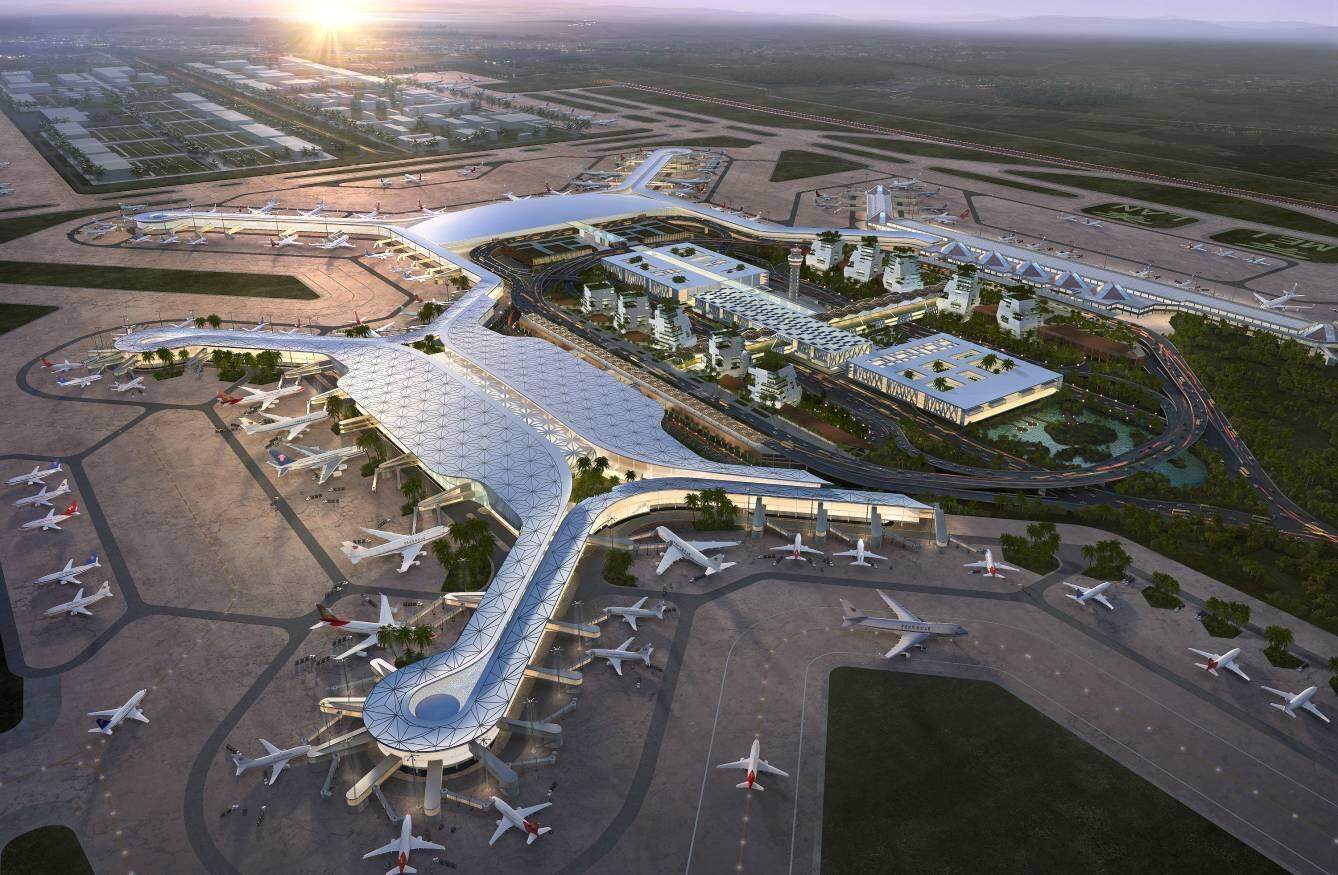
Recently, Marco Mexia, the acting CEO of King Salman International Airport in Riyadh, officially announced that the detailed design and planning of the airport have been completed, and the highly anticipated Terminal 6 will officially start construction in the second quarter of 2025.
The 'Aviation Super Port' in the Desert
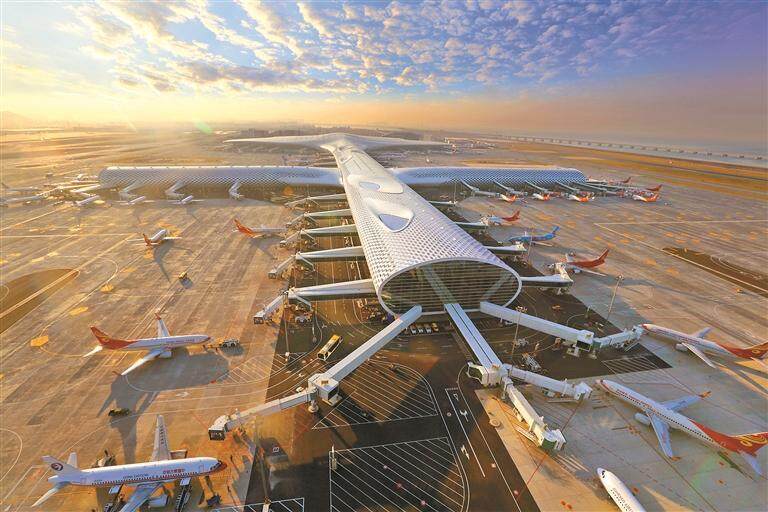
As the crown jewel of Saudi Arabia's aviation industry's investment plan of up to $100 billion, King Salman International Airport itself is a massive engineering miracle. The project covers a total area of 57 square kilometers, and its overall plan includes an astonishing six parallel runways. The transportation capacity target is more focused on the long term: by 2030, achieve an annual passenger throughput of 120 million people; By 2050, this number will climb to 185 million people. The upcoming Terminal 6 is positioned as a low-cost aviation exclusive hub, and its completion will directly and significantly enhance the airport's passenger capacity and operational efficiency, serving as the cornerstone for achieving this series of ambitious data.
National infrastructure team joins forces to go global
It is worth noting that China's top infrastructure companies are active in this globally anticipated mega project. PowerChina and MCC have formed a strong alliance and actively participated in the bidding for airport related projects. This means that world-class Chinese infrastructure technology, Chinese speed, and Chinese engineering management experience will be deeply integrated into the texture of this future hub. From high-speed trains and ports to today's aviation giant ports, Chinese builders are bringing their professional capabilities to more corners of the world. This participation will undoubtedly set a new benchmark for cooperation between China and Saudi Arabia in the fields of production capacity and infrastructure construction. Keywords: international news, latest news from the Middle East
Not just the airport, but also the new engine of the economy
The ambition of King Salman International Airport goes far beyond transporting passengers. It has been entrusted with the mission of reshaping the economic geography of the region. After the project is fully operational, it is expected to contribute approximately $7.2 billion annually to Saudi Arabia's non oil GDP, which will help promote Saudi Arabia's economic diversification strategy. Its core goal is to build the capital Riyadh into a global transportation and logistics hub connecting Asia, Africa, and Europe. Under the framework of the the Belt and Road Initiative actively promoted by China, this kind of connectivity node project is of far-reaching significance. It will not only strengthen Saudi Arabia's ties with the world, but also open up an unprecedented efficient channel for trade, tourism and people to people and cultural exchanges along the line. With the opening of the construction curtain in the second quarter of next year, this aviation new city in the desert will begin its substantial growth. It is not only Saudi Arabia's declaration for the future, but also the crystallization of international cooperation and engineering wisdom, and its impact will radiate to all parts of the world with future flights.Editor/Yang Meiling
Comment


 Praise
 Collect
 Comment

 Share
Share


Write something~