 Search


- Ayatollah Ali Khamenei's final act was perhaps the most powerful counterattack.
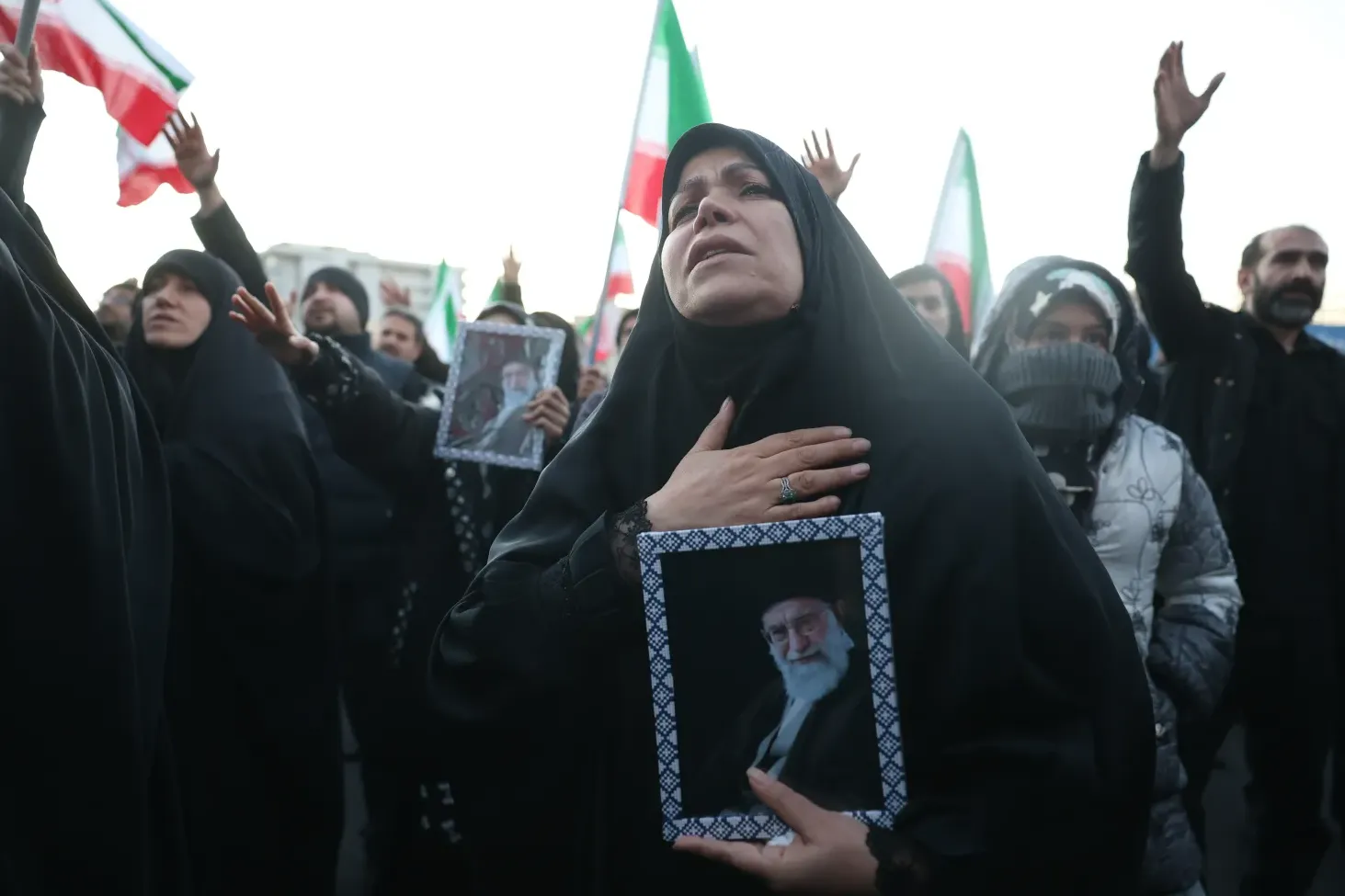
Khamenei faced death threats multiple times throughout his life: in a 1981 assassination attempt, a time bomb hidden in a tape recorder exploded near him; he survived, but his right arm was permanently paralyzed. As one of the world's most assassinated leaders, he had long been prepared for death. After confirming his death, those operating his official accounts quoted a verse from the Quran: "Some of the believers have kept their covenant with Allah; some have fulfilled their vows (ending in death)," a verse often used to refer to martyrs.
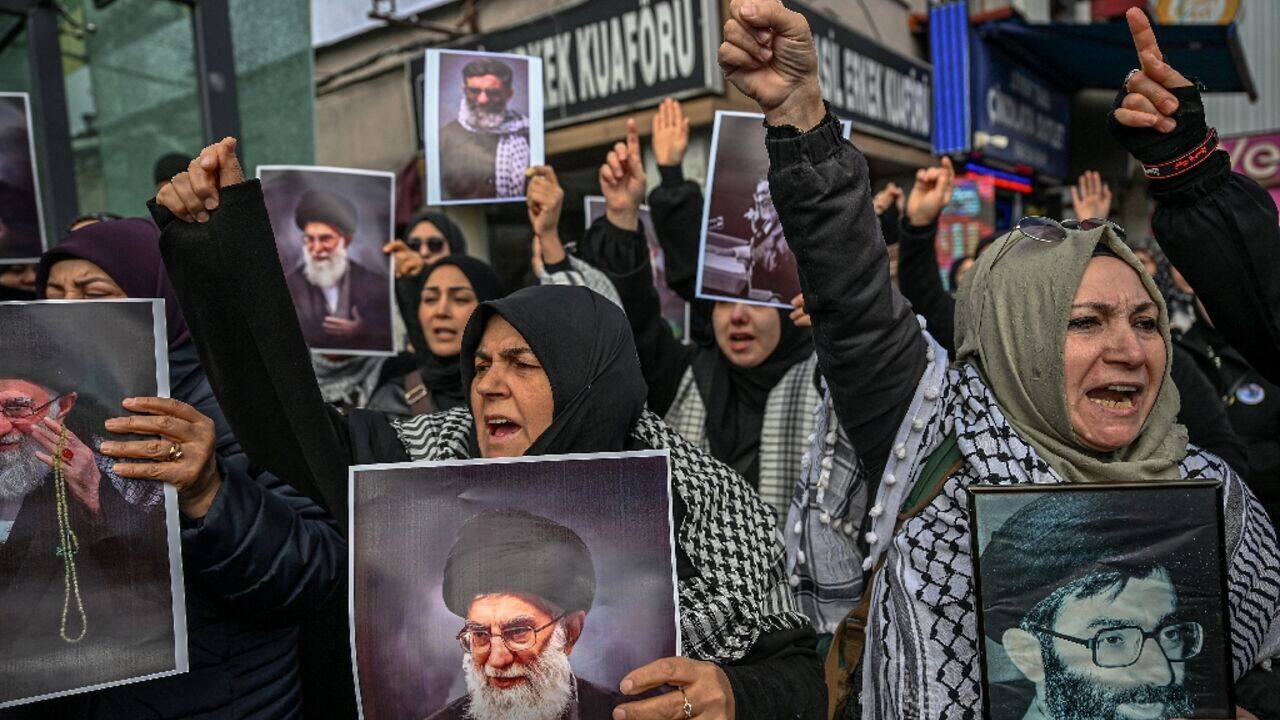
In Islam, especially in Shia tradition, "martyrdom" holds a high status: dying for truth, for the people, and for the defense of sovereignty is considered the highest honor. Khamenei repeatedly stated, "Why should my family and I take refuge when people are under attack?" This stance was deeply ingrained in the public consciousness.
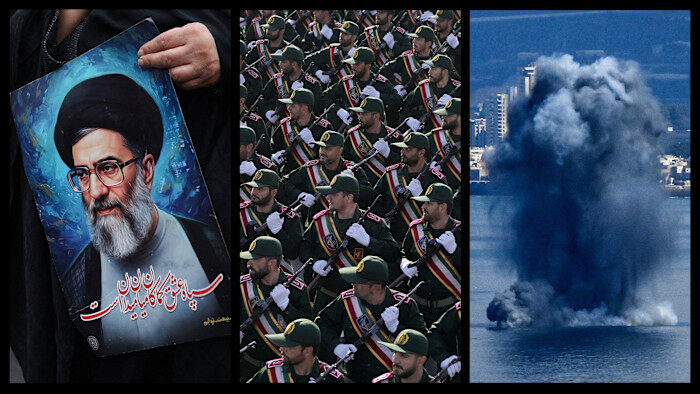
After Khamenei's death, the sanctity of his direct descendants as orphans of martyrs was greatly enhanced. Following Khamenei's death, Iranian government institutions continued operating at high speed, launching the first counterattack against the US and Israel approximately 35 minutes later, followed by a second counterattack 10 minutes later. Currently, high-value US bases in the Middle East and key Israeli military facilities have been targeted by Iran. Editor/Cao Tianyi
Comment






 Praise
 Collect
 Comment

 Share
Share


Write something~