 Search


- This plan is a key measure for Zimbabwe to revitalize its domestic economic arteries and support the development of the mining industry
- This RFI model is a major institutional innovation in Zimbabwe under financial constraints, aimed at leveraging external capital and technology by revitalizing the country's mineral resources as equity

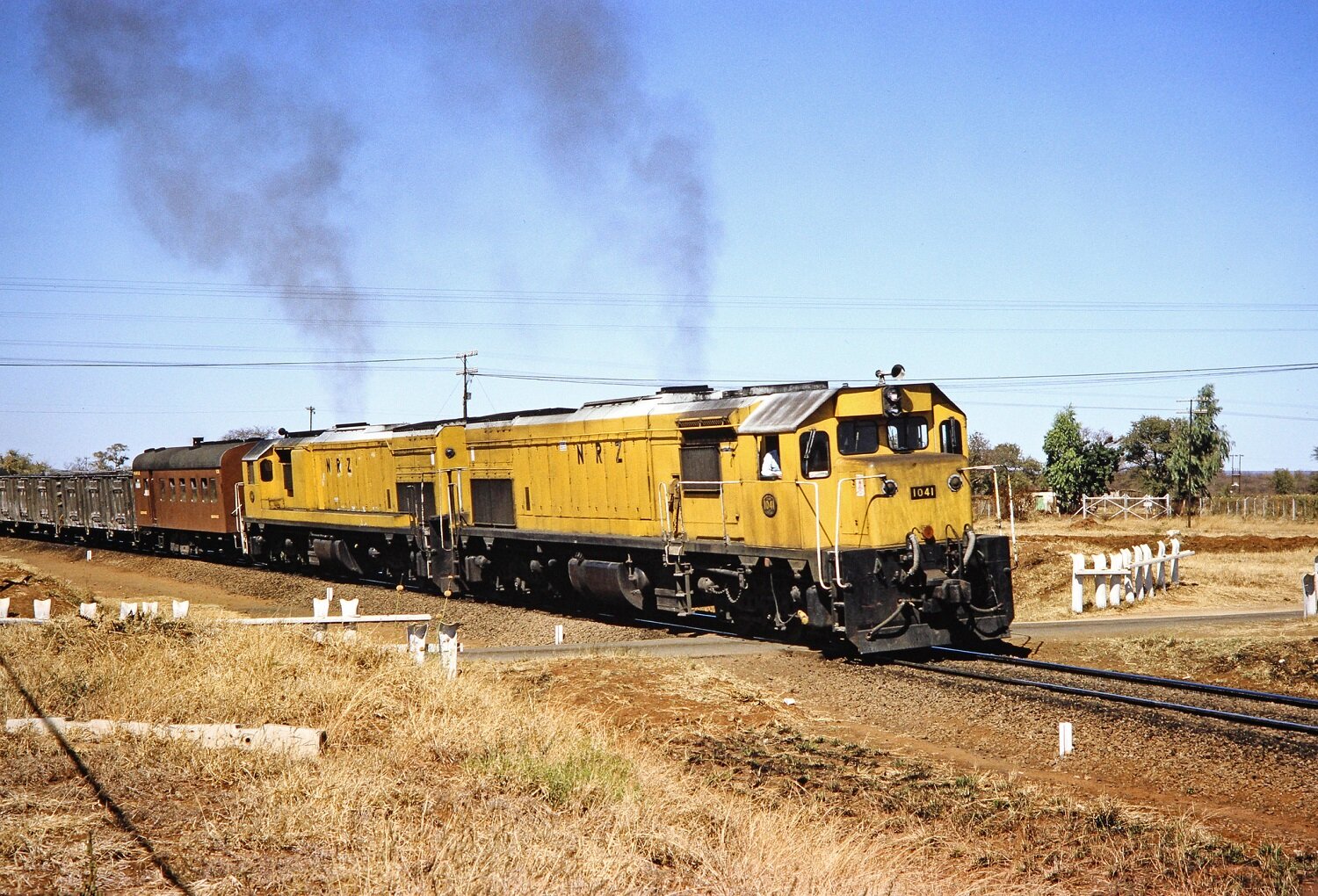
On the old railway line connecting Zimbabwe's mining areas and ports, a train loaded with ore is slowly moving forward. This long neglected economic artery is about to undergo a modernization transformation using resources for the future as a lever.
Zimbabwe is actively advancing an ambitious railway modernization plan. Faced with a huge funding gap, the government has innovatively proposed the RFI model of exchanging resources for infrastructure, introducing private partners, and utilizing the country's abundant mineral resources to finance the upgrade of the railway system.
This move aims to revitalize the key logistics channel of this landlocked country to the ocean and further activate its mining economy.
RFI becomes the key to breaking the deadlock
The modernization needs of Zimbabwe's railway system are urgent and there is a huge funding gap. According to a report by the African Development Bank, from 2017 to 2036, out of the $24.5 billion funding needs faced by the country's transportation sector, railway construction alone accounted for $2 billion, making it the largest single capital requirement. Faced with limited fiscal capacity, traditional government funding or sovereign loan models are difficult to sustain. The Zimbabwean government has turned to seeking innovative financing solutions.
Its core is the RFI model: the government injects equity into joint ventures established with external investors through the franchise rights of specific mineral resources; External investors provide funding and technology, responsible for the upgrading, renovation, and operation of specific railway lines. Subsequently, the joint venture company recovered its investment and supported subsequent construction through dual benefits of mining development and railway transportation. This model cleverly monetizes future resource benefits in advance for urgently needed infrastructure construction, forming a virtuous cycle of using roads to support mines and mines to build roads.
The Minister of Finance confirmed in the 2026 budget report that the government is in the later stages of negotiating with external private investors with the aim of rebuilding the railway network through this structured model. The preliminary feasibility study shows that the first phase of the project alone requires approximately $600 million.
Chinese partners assist in building logistics hubs
In this transformation process, the role of Chinese enterprises has attracted much attention. Previously, Zimbabwe had contacted Chinese companies such as China Railway International in hopes of obtaining support.
In September 2025, during President Mnangagwa's visit to China, Zimbabwe signed a $533 million railway system upgrade agreement with China Railway International, injecting strong momentum into this grand renovation plan. This cooperation is seen as a concrete action to implement the achievements of the Forum on China Africa Cooperation, and is also in line with Zimbabwe's long-term strategy of building itself as a regional logistics hub.
In addition to introducing external strategic investors, the Zimbabwean government also plans to tap into potential domestically. The Ministry of Finance pointed out that mining companies are the main users of railway transportation, and therefore will actively explore more public-private partnership models with local mining enterprises to form an overall force to promote railway upgrading.
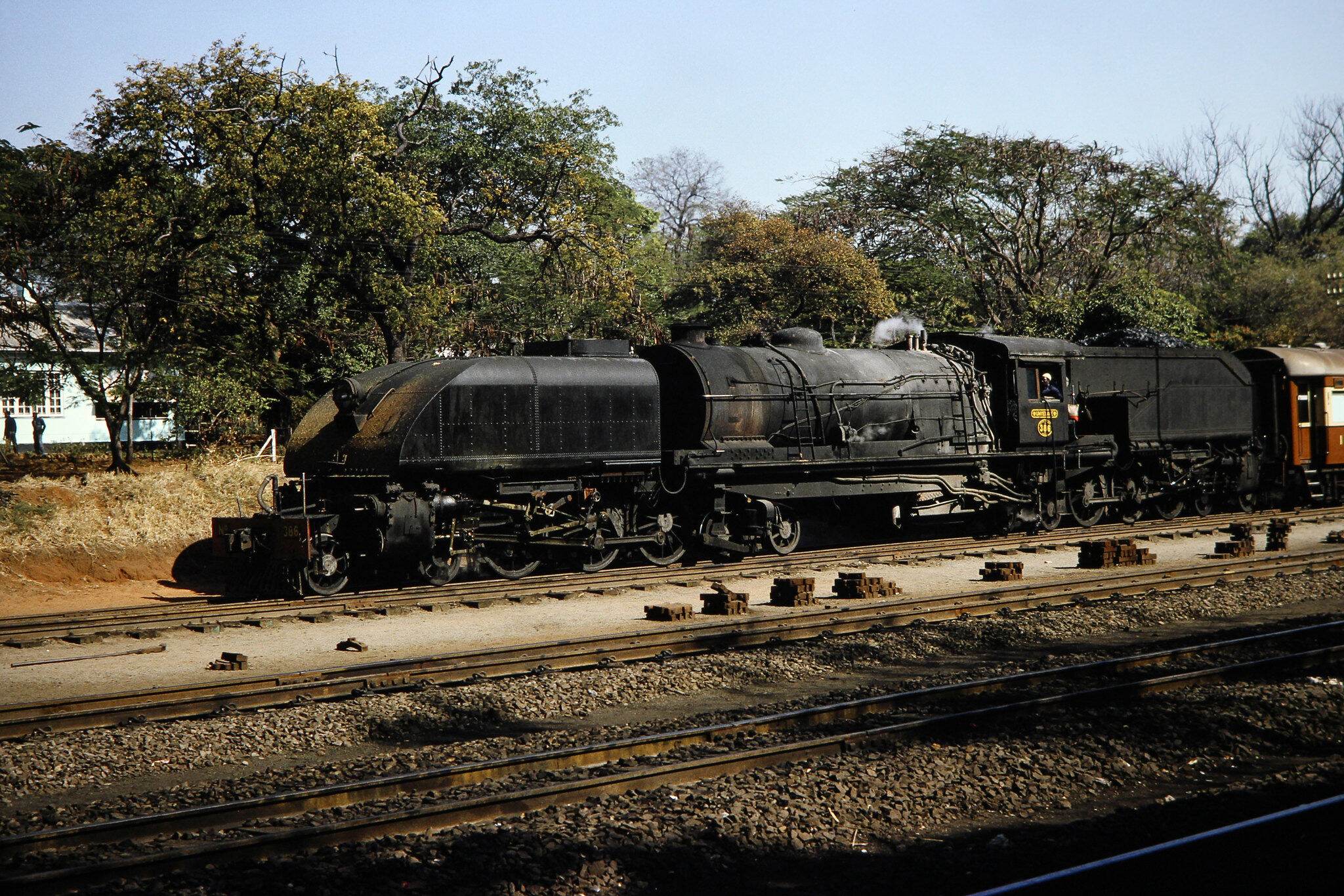
By activating the dormant value of mineral resources, Zimbabwe hopes not only to improve its aging railway network, but also to use this as an opportunity to drive the coordinated development of other key infrastructure such as ports and energy, paving the way for comprehensive economic recovery. Keywords: International News and Information, International News Network
The modernization of railways in Zimbabwe is a grand experiment that leverages resources and relies on strategic cooperation. The success or failure of the RFI model is not only related to whether its domestic ore can be transported more efficiently to the international market, but also provides an innovative path for many African resource-based countries facing similar difficulties in infrastructure financing.Editor/Cheng Liting
Comment



 Praise
 Collect
 Comment

 Share
Share


Write something~