 Search


- Tajikistan urgently purchases electricity from neighboring countries on a daily basis, causing widespread social concern
- Faced with increasingly severe power shortages, Tajikistan is adopting a two pronged strategy: importing a large amount of electricity from Uzbekistan daily while implementing strict power rationing measures domestically
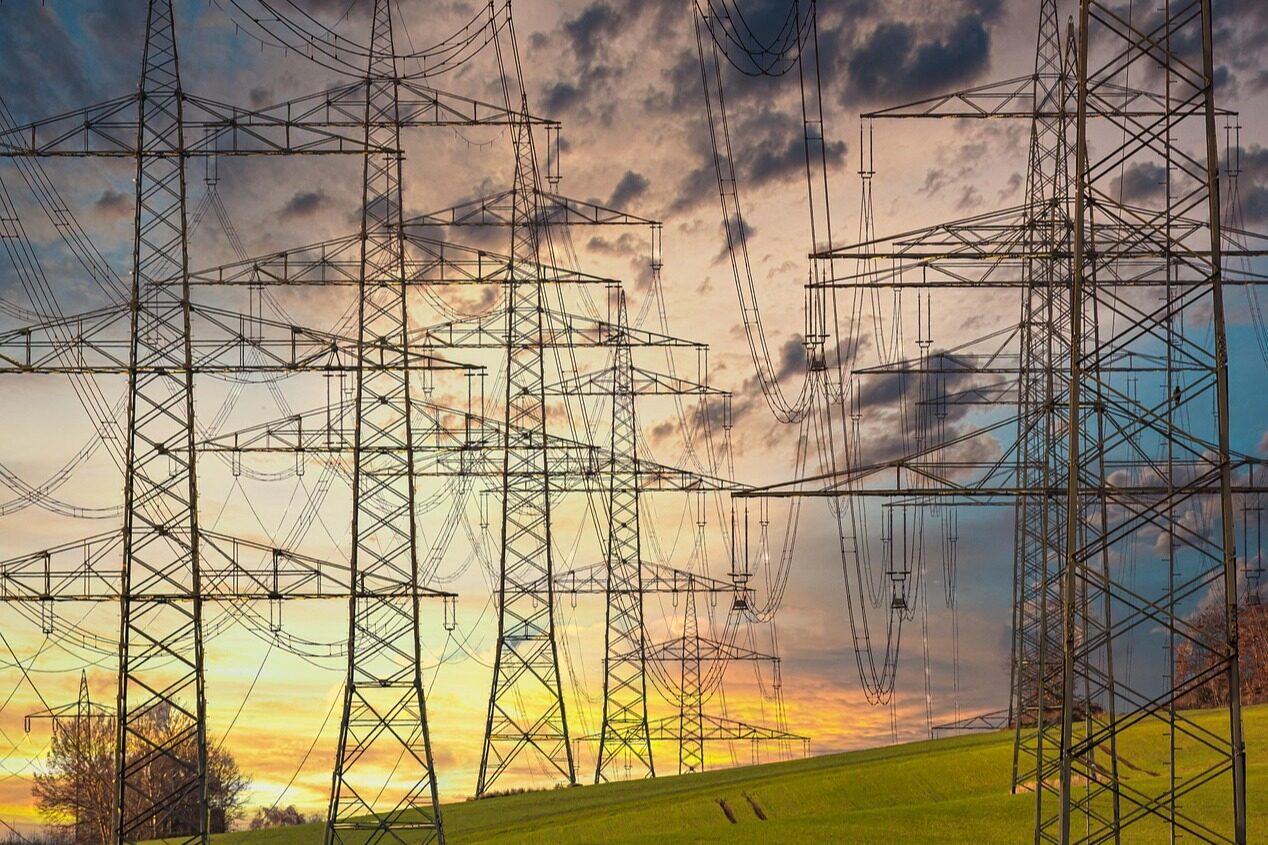
When the street lights in Dushanbe go out collectively in the evening, and neighboring countries' electricity is continuously input through high-voltage lines, Tajikistan is experiencing a winter of energy transition intertwined with hope and challenges.
In December 2025, Tajikistan will begin importing up to 2 million kilowatt hours of electricity daily from Uzbekistan to alleviate the severe energy shortage in the country. At the same time, the country has implemented a series of unprecedented mandatory energy-saving measures, ranging from adjusting government office hours to restricting electric vehicle charging, covering all aspects of the social economy. President Rahmon has promised that these restrictions will be lifted by 2027, but the path to achieving this goal remains challenging.
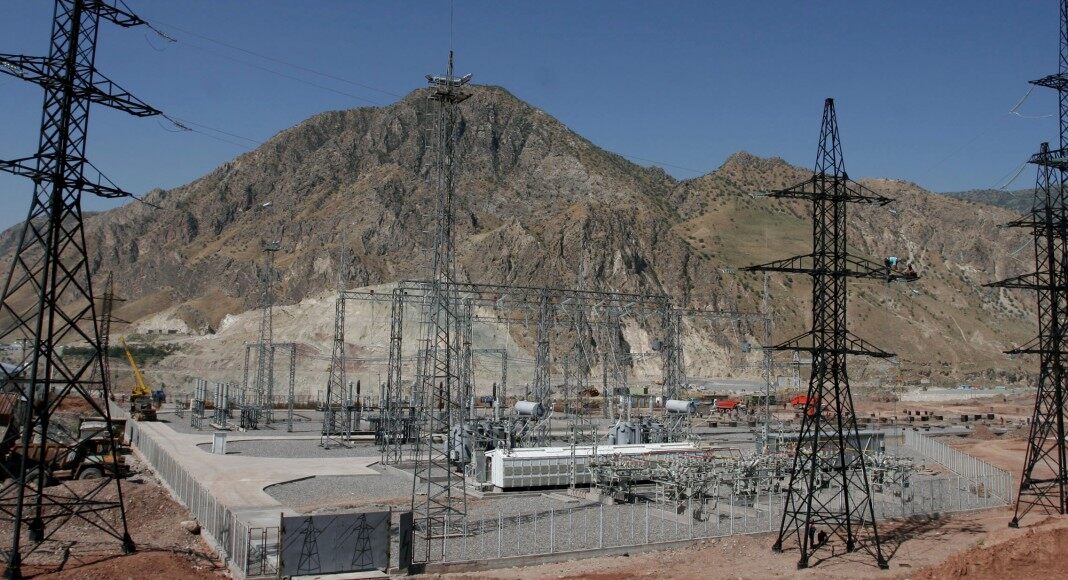
Energy Crisis and External Blood Transfusion
The energy crisis in Tajikistan is a direct reflection of its geographical and climatic fate. More than 90% of the land in this mountainous country is mountainous, with long and severe winters. Although hydropower dominates, there are deadly seasonal fluctuations. During the dry season from October to April of the following year, the flow of rivers sharply decreases, resulting in a significant decrease in hydropower output and periodic power shortages.
Outsourcing electricity has become the most direct solution at present. In addition to the daily import of 2 million kilowatt hours of electricity from Uzbekistan that has been achieved, Tajikistan has also reached preliminary power supply agreements with Kazakhstan and Turkmenistan. A more critical strategic step is that Tajikistan plans to officially connect to the Central Asian Joint Power System in the first quarter of 2026. This system, like the regional electricity internet, is expected to enable Tajikistan to sell electricity to countries in the south that are short of electricity when there is surplus hydropower in summer, such as Afghanistan and Pakistan, and purchase electricity from northern neighbors in winter, so as to realize cross-border adjustment of surplus and deficit.
However, there is a key bottleneck in this external blood transfusion channel: Tajikistan can currently only access external markets through Uzbekistan's power grid. This means that all electricity transactions from countries such as Kazakhstan must obtain transit permits and coordination from Uzbekistan, and the stability of geopolitics and bilateral relations directly affects Tajikistan's energy security lifeline.
Internal throttling and future blueprint
While seeking external support, Tajikistan has implemented strict comprehensive energy-saving measures domestically. According to the presidential decree, users with a power of 5 kilowatts or less nationwide, except for the capital Dushanbe, will face a complete power outage during the power restriction period. The smart meter system is activated and disconnected alternately by region. In addition, the power supply time for all budget units and state-owned enterprises is strictly limited to 8am to 6pm on weekdays; Non strategic municipal street lights have been completely shut down; Even all electric vehicle charging stations must suspend operation during the peak electricity consumption period from 6pm to 10pm daily.
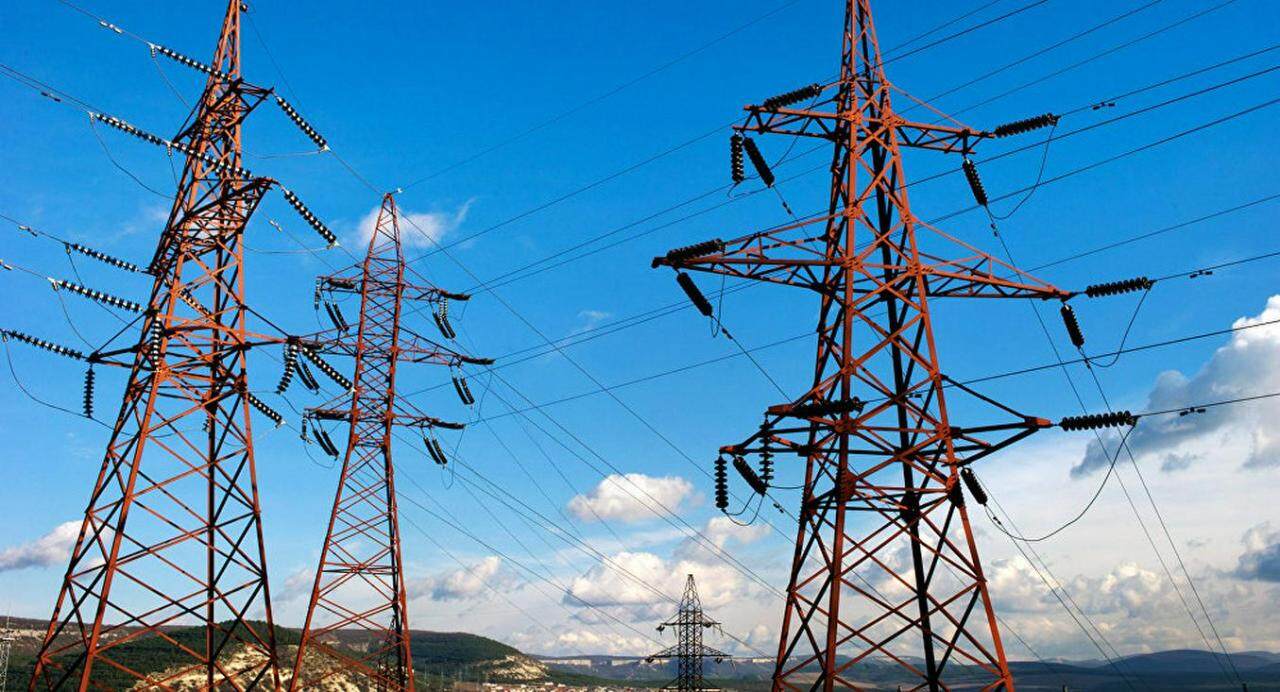
These measures highlight the urgency of the crisis and reflect the government's attempt to implement surgical and precise control over social electricity consumption. President Rahmon outlined a roadmap to get out of the predicament in his State of the Union address, with the core being to accelerate the construction of local energy projects. The short-term plan is to build solar power stations to supplement the electricity gap during the dry season in winter; In the long run, we hope for the national project - the Luogong Hydropower Station. The power station is designed with an installed capacity of up to 3600 megawatts and will become the tallest dam in Central Asia when fully completed. President Rahmon stated that his third unit will be put into operation in the autumn of 2027, which is seen as the key to fundamentally reversing the power shortage situation. Keywords: International News and Information, International News Network
Faced with the energy crisis, Tajikistan is adopting a combination strategy of short-term electricity purchase and cost saving, and long-term infrastructure development and source opening. The success of this path depends not only on the effectiveness of its coordination with the complex power grids of neighboring countries such as Uzbekistan, but also on whether the giant project of the Rogun hydropower station can proceed as scheduled. The lights of this Central Asian mountainous country are seeking a stable future amidst the current of cross-border cooperation and the pulse of its own difficult transformation.Editor/Cheng Liting
Comment



 Praise
 Collect
 Comment

 Share
Share


Write something~