 Search


- Once completed, this channel will become the first fixed railway link directly connecting Europe and the African continent
- This super project proves the engineering technology capability of humans to achieve intercontinental connectivity under extremely complex geological conditions
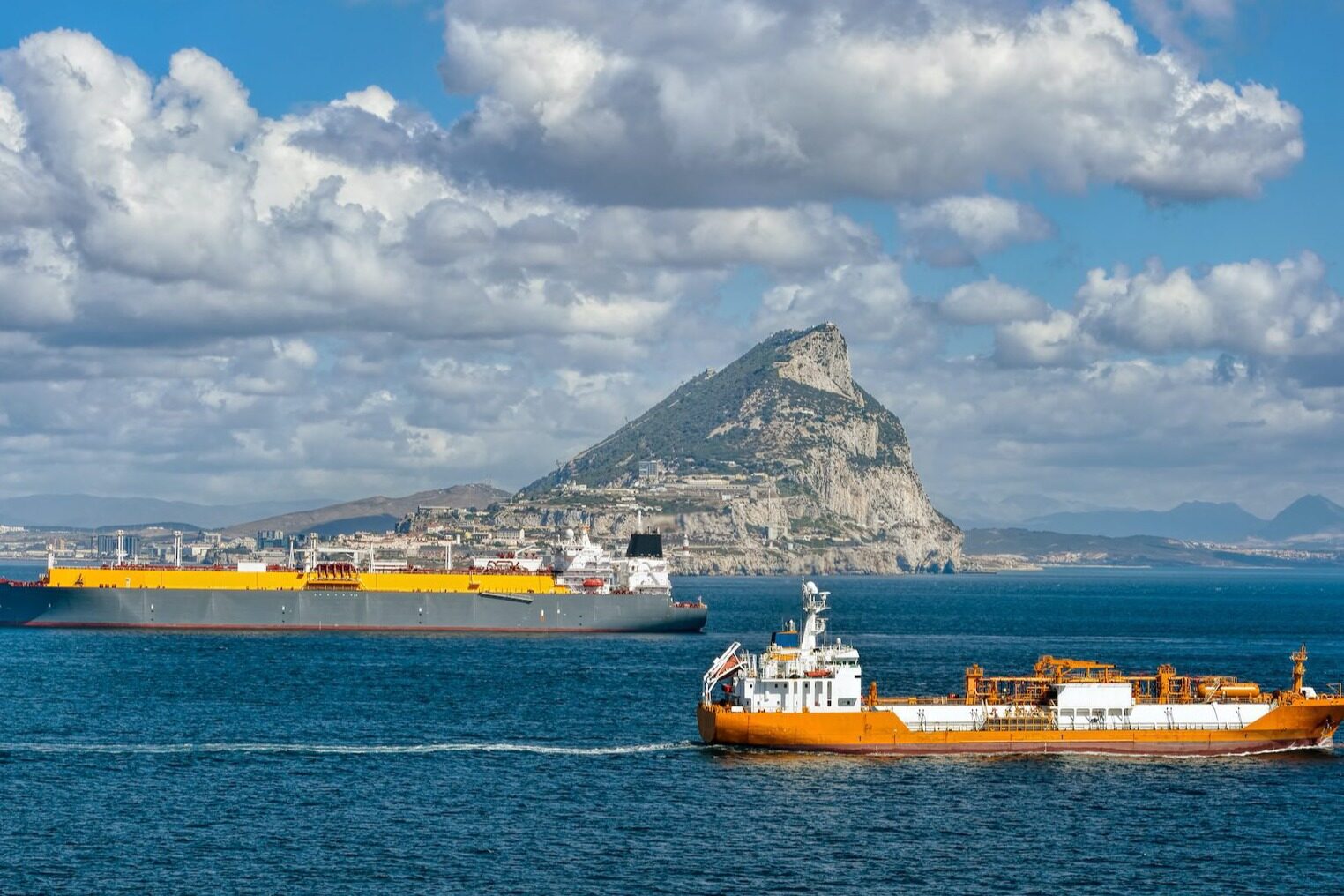
In 2025 AD, an ambitious plan is moving from an ancient legend into the blueprint of modern engineering. Between the sunny coast of Andalusia and the old town of Medina in Tangier, Morocco, the Strait of Gibraltar, with its narrowest point being only 14 kilometers, separated Africa from Europe for thousands of years. From Phoenician trading boats to modern ferries, humanity's efforts to cross these 14 kilometer waves have never stopped. Now, a railway underwater tunnel project called the Moses Fixed Passage is about to enter the substantive stage from a strategic concept. This is not only a super project estimated to cost 15 billion euros, but also symbolizes the millennium long barrier between two continents, which will be officially stitched together by an unprecedented land bridge.
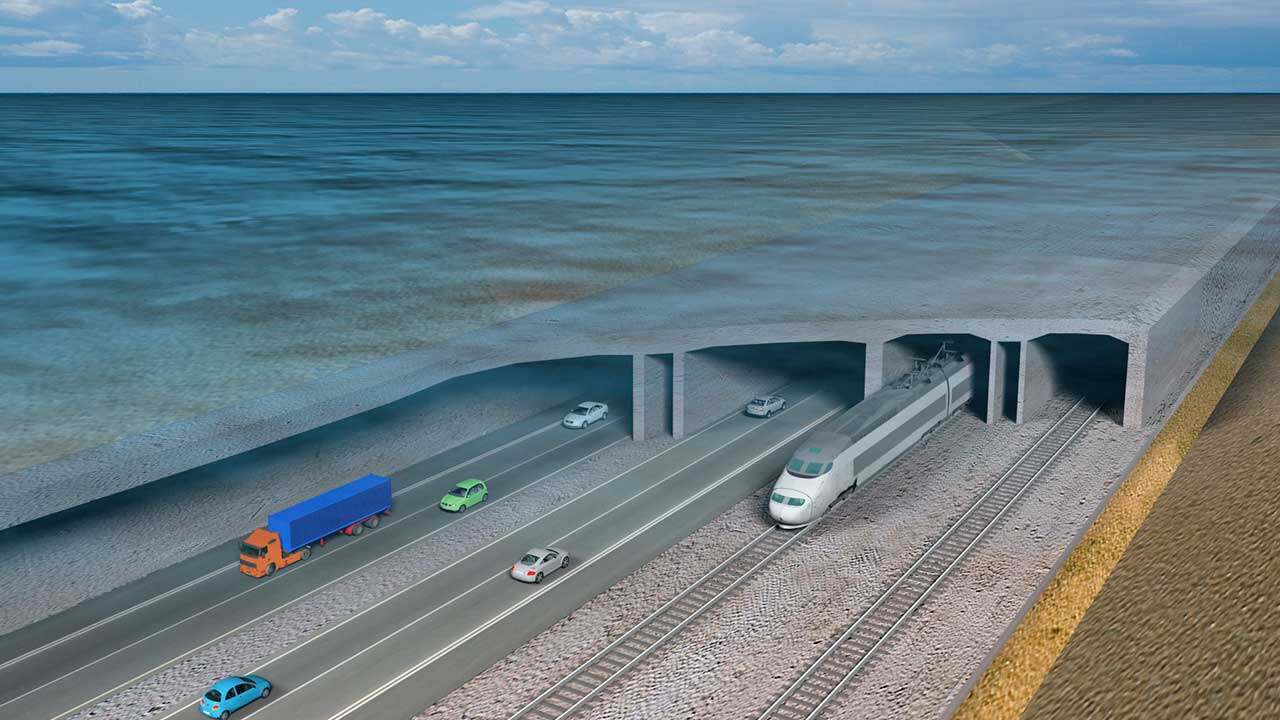
Modern Heavenly Road in the Geological Maze
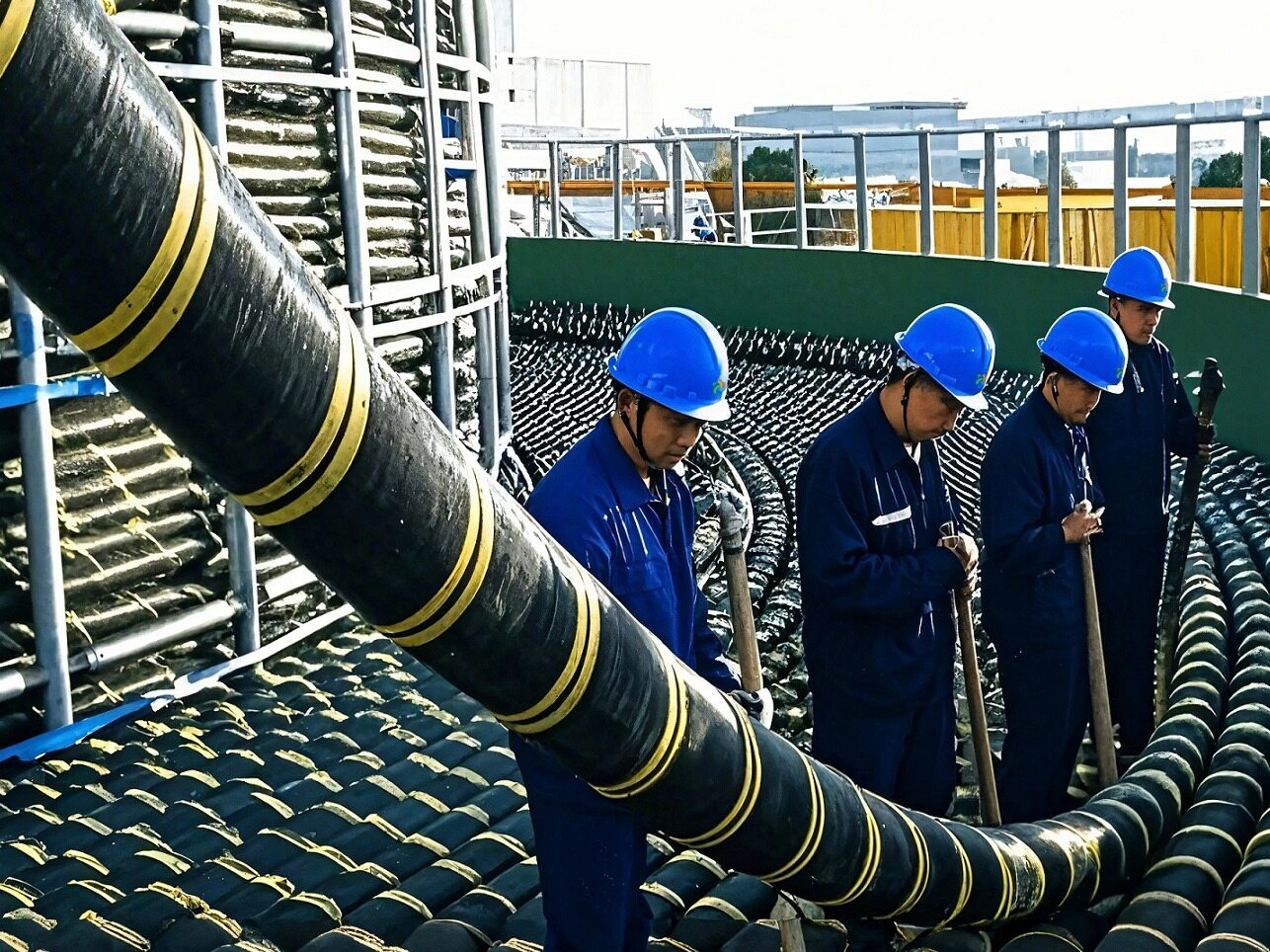
When the planned steel dragon decided to navigate underwater at a maximum depth of 475 meters, it was not facing a smooth road. Of the total length of approximately 65 kilometers of the tunnel, a 28 kilometer section will completely pass through the bottom of the Mediterranean Sea, nearly 10 kilometers longer than the famous English French underwater tunnel. The geological report clearly states that crossing the Kamarinar Barrier will be the most challenging section of the entire project, with complex geological and seismic activity characteristics requiring engineers to come up with the most advanced solutions. To this end, the project leader, Spanish state-owned enterprise Secegsa, commissioned a German professional company and the Spanish Navy to conduct a key geological and seismic monitoring study for several months, and its results are considered the cornerstone of the project's feasibility.
What supports this grand vision is a clear economic pulse. The passenger volume in the Strait of Gibraltar has reached a historic high in recent years, and the demand for freight is also strong. The value of this channel has long been foreseen - it will completely change the trade and railway transportation pattern between Europe and Africa. At present, the project has established a clear schedule: the first phase is expected to take 6 to 9 years, and the overall project plan is to be completed between 2035 and 2040. The preliminary design update work of Spanish company INECO is expected to be completed before August 2026, which will be the last key technical milestone before the project starts, marking the dream of decades of discussion and finally becoming a systematic project with a clear path.
Strategic integration beyond geography
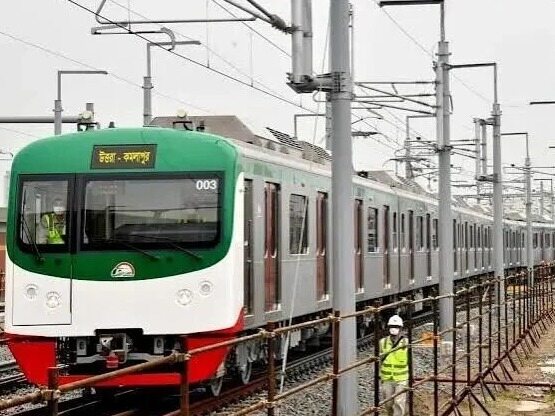
The significance of this underwater tunnel goes far beyond shortening the travel time between the two places. On the Spanish side, the proposed location for the northern connecting station is Weihedrafrontra, with plans to seamlessly connect to Europe's vast railway network through the construction of branch lines; On the Moroccan side, the project is highly aligned with its national strategy of building an intercontinental hub. It will become a physical fusion agent, greatly promoting the efficient flow of talent, capital, and technology in both directions, creating unprecedented conditions for Morocco's industrial upgrading and the extension of the European market.
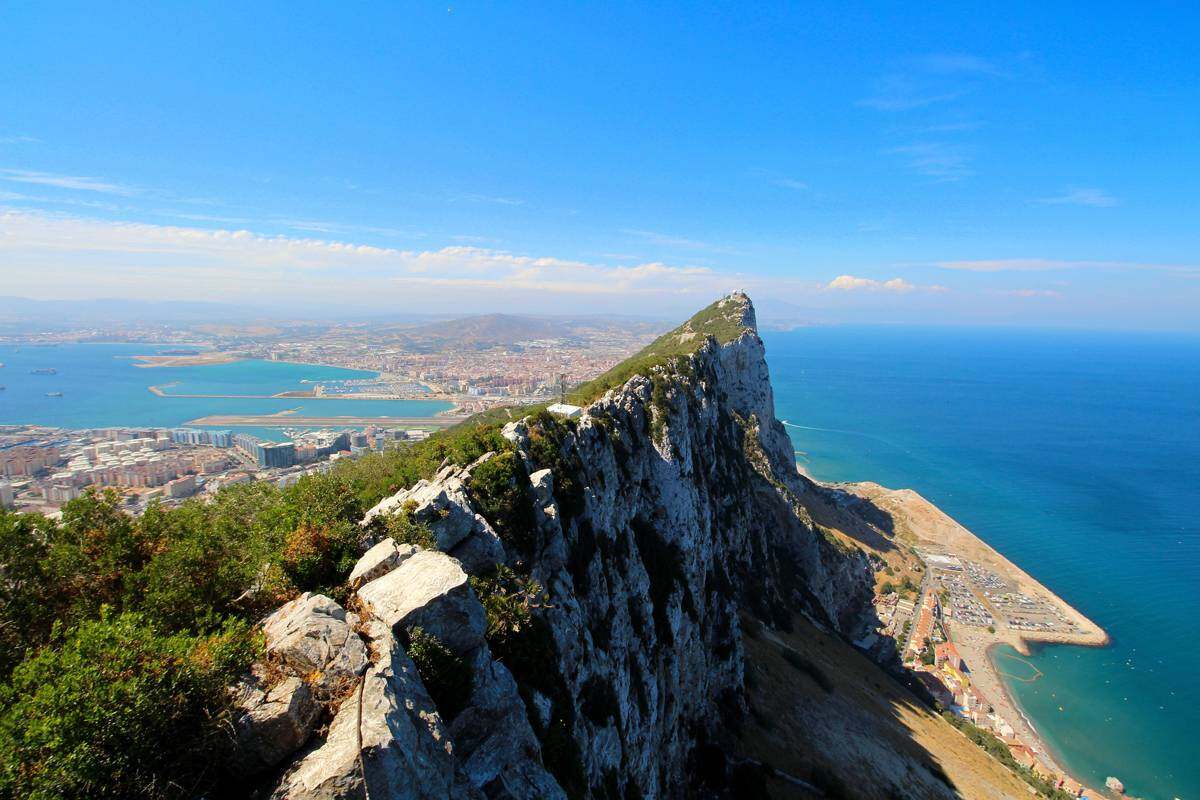
On a deeper level, this project has become a symbol of mature partnership and shared political will between the two countries. It means that Spain and Morocco are committed to pushing their cooperation to a more structural and future oriented strategic level, based on their close economic ties (with record highs in passenger and freight volumes across the strait). On the day of the tunnel's completion, it will not only declare the birth of an engineering miracle, but also mark the formation of a new geo economic unit - the most stable and efficient land corridor between Europe and Africa, which is expected to become the core growth axis for promoting the development of the Mediterranean region. Keywords: construction news, international news and information
From the mythical boundaries of the Pillars of Hercules to the perilous journey of Napoleon's army almost engulfed by the tide, the Strait of Gibraltar has witnessed too much longing and difficulty in crossing. Nowadays, when the great power of modern engineering technology is determined to build an eternal bond here, the 14 kilometer geographical barrier will eventually give way to the firm determination of humanity to connect with each other and create prosperity together. This is no longer a brief sea crossing, but a permanent connection that is about to rewrite the millennium narrative of the interaction between two continents.Editor/Cheng Liting
Comment

 Praise
 Collect
 Comment

 Share
Share


Write something~