 Search


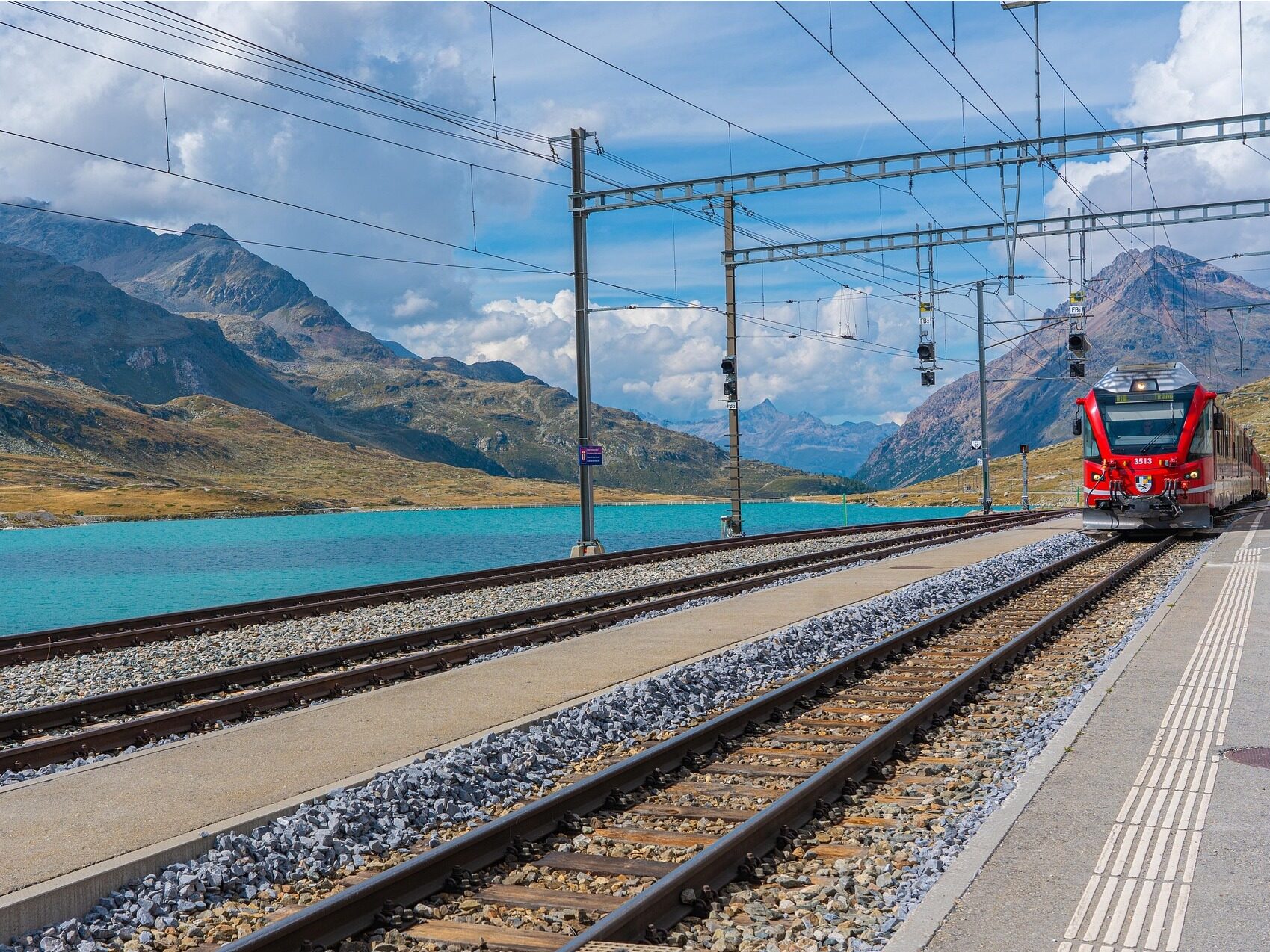
- The Xinzang Railway is a strategic backbone that integrates economic arteries, the Great Wall of National Defense, and open bridges
- Connecting the roof of the world, this steel artery with an investment of 400 billion yuan activates not only the dormant treasure trove of resources, but also the strategic depth of national development
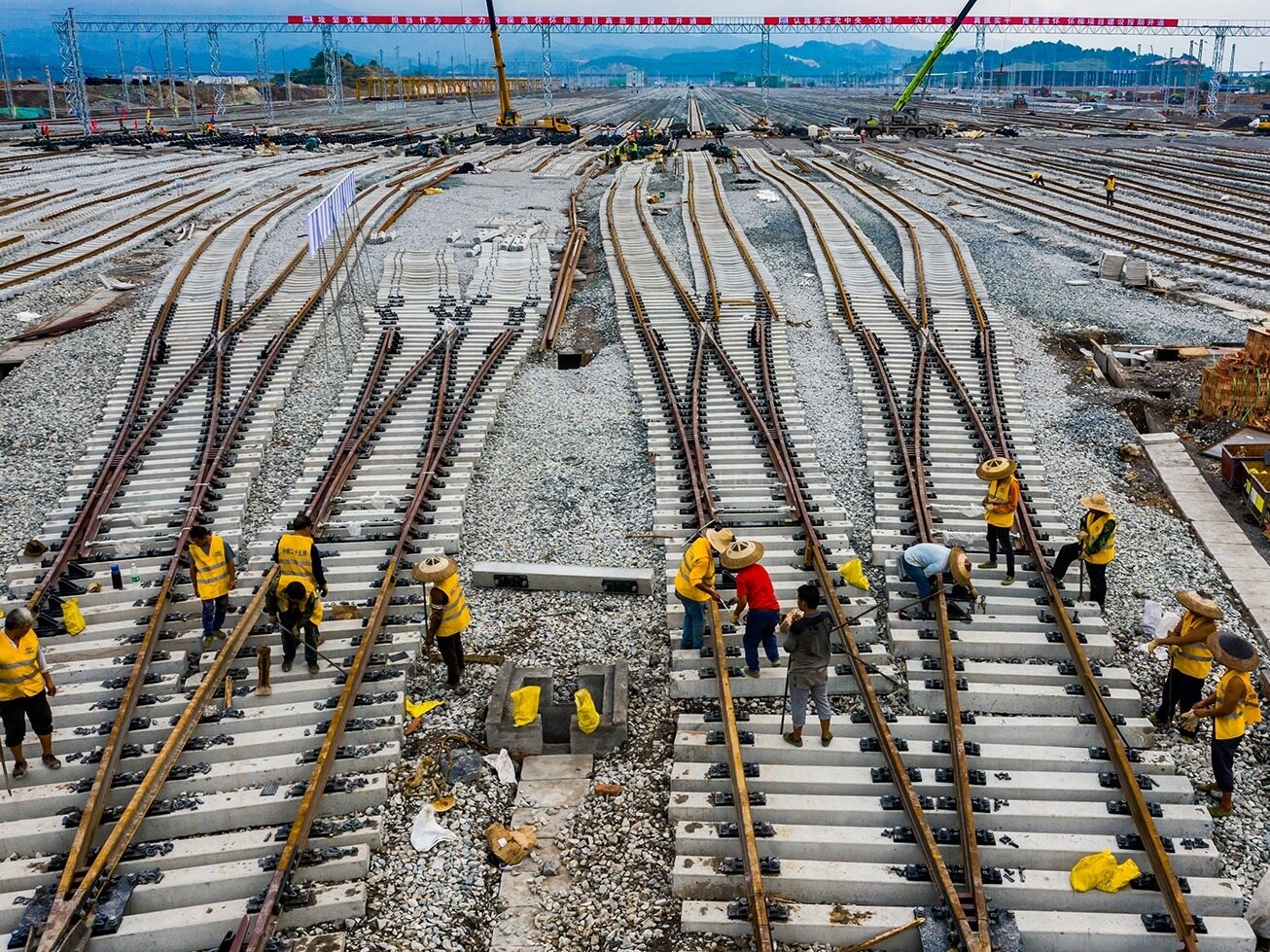
Above the plateau and beneath the frozen soil, a project carrying the national strategic vision is unfolding in a grand manner. The Xinjiang Tibet Railway, with a total investment of up to 400 billion yuan, has a cost of about 200 million yuan per kilometer, far exceeding ordinary railway projects. When the winding steel rails pierce through the eternal silence of the roof of the world, they carry far more than just passengers and goods.
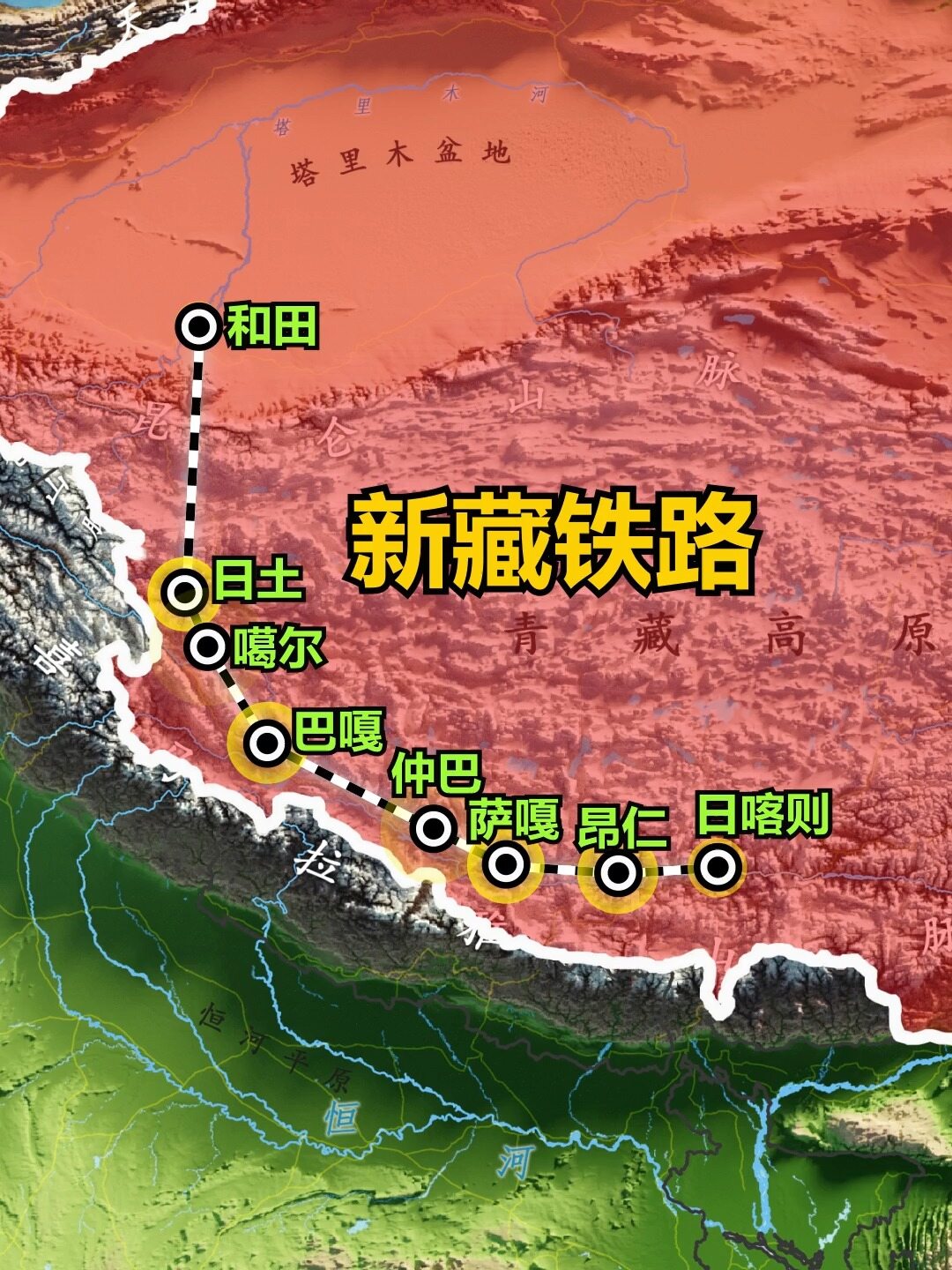
In August 2025, the Xinzang Railway Co., Ltd., with a registered capital of 95 billion yuan, was officially established. This "Tianlu", which extends from Hotan, Xinjiang, to Lhasa, Xizang, with a total length of about 2000 kilometers, has entered the substantive promotion stage. Why invest such a huge amount of money in the face of extreme challenges such as an average altitude of over 4500 meters, extreme cold of minus 40 ℃, crossing permafrost and uninhabited areas? The answer is deeply rooted in the long-term strategic layout of national development.
Activate the dormant 'treasure trove of resources'
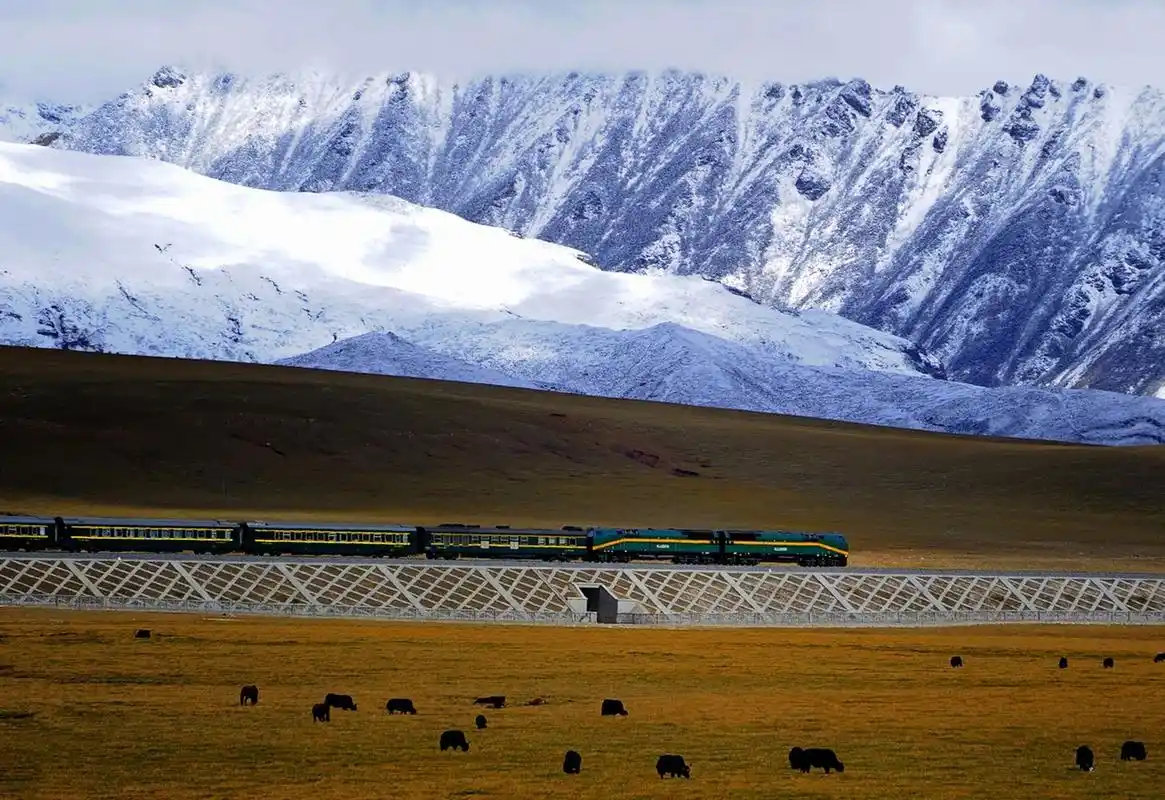
The primary mission of the New Tibet Railway is to open logistics channels for the treasure houses of resources in Xizang and Xinjiang. For a long time, transportation has been a fatal bottleneck restricting the development of resources in the western region.
Taking Xizang as an example, it contains world-class mineral resources, especially the lithium resource known as white oil. Xizang has more than 60 proven lithium rich salt lakes, with a total of 15 million tons of lithium chloride resources, and a long-term lithium salt production capacity planning of 300000 to 400000 tons. However, the transportation costs brought by high altitude and long distance make large-scale development difficult. After the completion of the Xinjiang Tibet Railway, transportation difficulties will be easily solved. Xinjiang's coal and oil and gas resources can be more easily imported into Xizang, and Xizang's strategic minerals and clean energy, such as lithium and copper, will also have an economic and efficient outward transport channel. This railway is like a resource conveyor belt, which will fundamentally change the dilemma of resources not being transported or used, and provide solid support for ensuring national strategic resource security in the new energy era.
Building a 'steel supply line' for the border
From a geographical point of view, the Xinjiang Xizang Railway almost extends along the western border, passing through the Ali and Shigatse regions of Tibet, which are of high strategic value. Its military and defense significance is self-evident.
In the past, long supply lines and high transportation costs were challenges for border security. It has been analyzed that transporting one ton of oil on the plateau may result in a loss of up to half a ton along the way. The construction of railways will completely rewrite this situation. The capacity of a railway is sufficient to replace thousands of trucks and achieve all-weather, large-scale, fast and stable strategic delivery. In peacetime, it serves as a link for the exchange of goods and personnel, and promotes border prosperity. Once the situation requires it, it can quickly transport heavy equipment and troops to the forefront, greatly enhancing strategic deterrence and rapid response capabilities, and can be regarded as a strategic insurance policy to ensure long-term border stability.
Weaving a 'Future Road Network' for Regional Collaboration
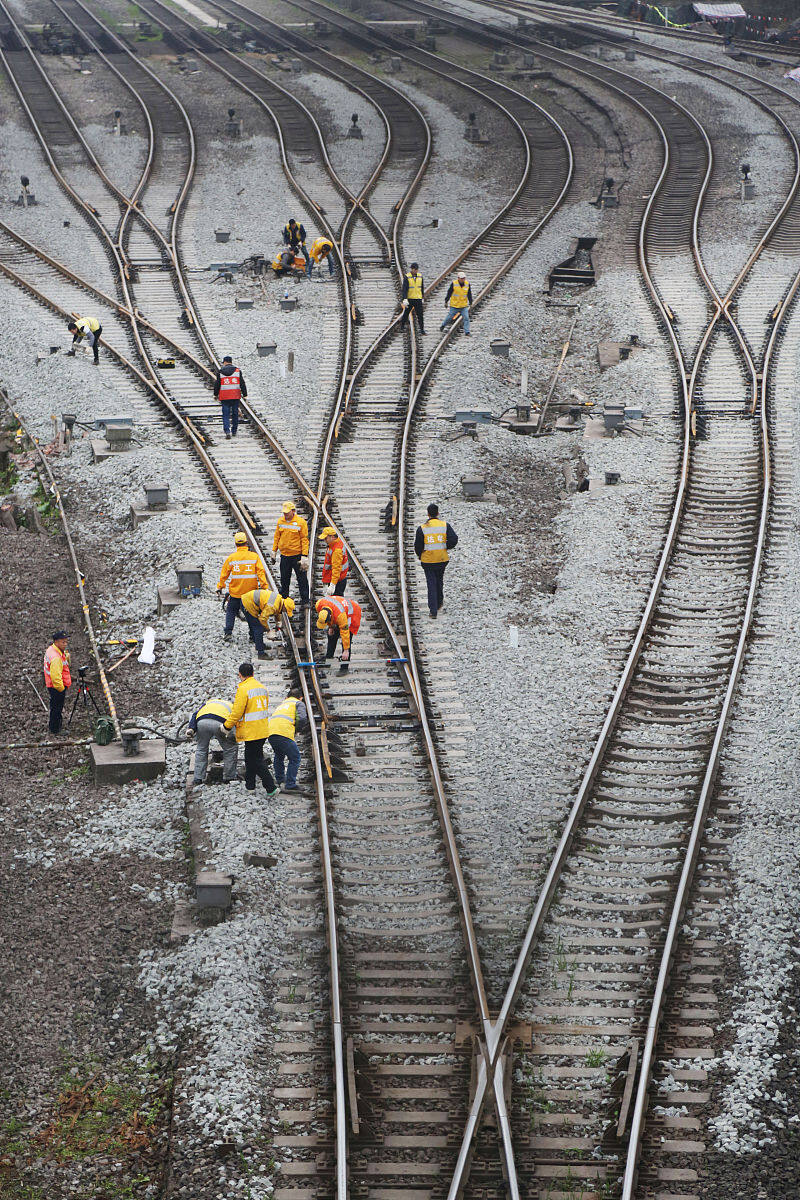
The Xinzang Railway is a crucial gap in filling the railway map of western China. It connects Xinjiang and Xizang directly for the first time, ending the history that the traffic between the two places must bypass thousands of kilometers.
This connection has profound significance. Internally, as an important component of the five horizontal and seven vertical railway network, it connects the northwest and southwest more closely, filling the final puzzle of the Western Land Sea New Corridor. Externally, it will become a land bridge with great potential in the the Belt and Road Initiative. To connect the railway network of Central Asia and West Asia to the west through ports such as Kashgar, and plan to extend it to the border ports of Nepal, effectively promoting connectivity with South Asian countries. This not only pushed Xizang from the geographical end to the frontier of opening up, but also opened a new door to the outside world for Tibet, which will profoundly reshape the economic and geographical pattern of the whole western region.
Challenge the limits of 'national strength'
The construction difficulty of the Xinjiang Tibet Railway is arguably the highest in the world. The line needs to cross the Kunlun Mountains, Karakoram Mountains, Gangdise Mountains and the Himalayas, facing a high bridge tunnel ratio of 61.53%, and hundreds of bridges and tunnels need to be built. The extreme cold of minus 40 ℃ and the oxygen content of only 44% on the plain are the ultimate tests for personnel and equipment. The project also needs to cross widely distributed permafrost and ecologically sensitive areas, with extremely high environmental requirements.
The strong leadership of the central government is the key to the advancement of the project. The establishment of a company wholly controlled by China Railway Group reflects the country's determination to promote this strategic project. It is estimated that during the peak period of project construction, the demand for cement will be increased by about 5 million tons every year, and a large number of jobs will be created, which will become a powerful engine driving the economic growth of Xizang and Xinjiang. Keywords: engineering strategy, infrastructure, engineering construction
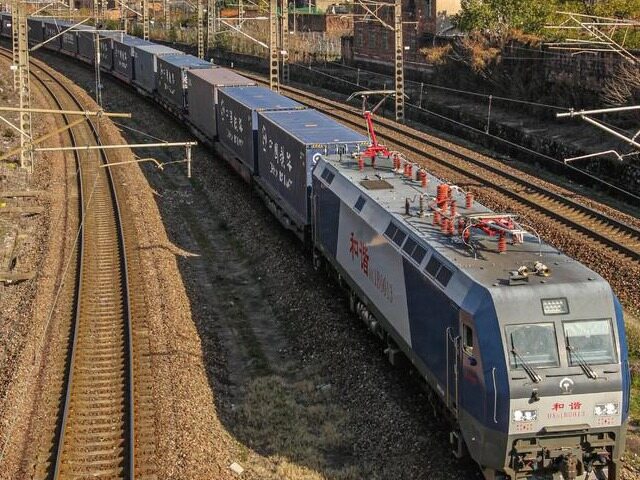
After the completion of the railway, a train full of lithium ore in Xizang will drive out from the Ali Plateau, cross the Kunlun Mountains and directly reach the industrial base in Xinjiang. At the same time, industrial products from the eastern coast will also enter the vast markets of the western and surrounding countries along the same rail.Editor/Cheng Liting
Comment


 Praise
 Collect
 Comment

 Share
Share


Write something~