 Search


- This project has solved the century old problem of asynchronous operation of cross regional power grids with flexible DC technology
- This project can provide reliable support of 3 million kilowatts for Jiangxi in emergency situations, fundamentally enhancing the resilience and autonomy of regional power security guarantee
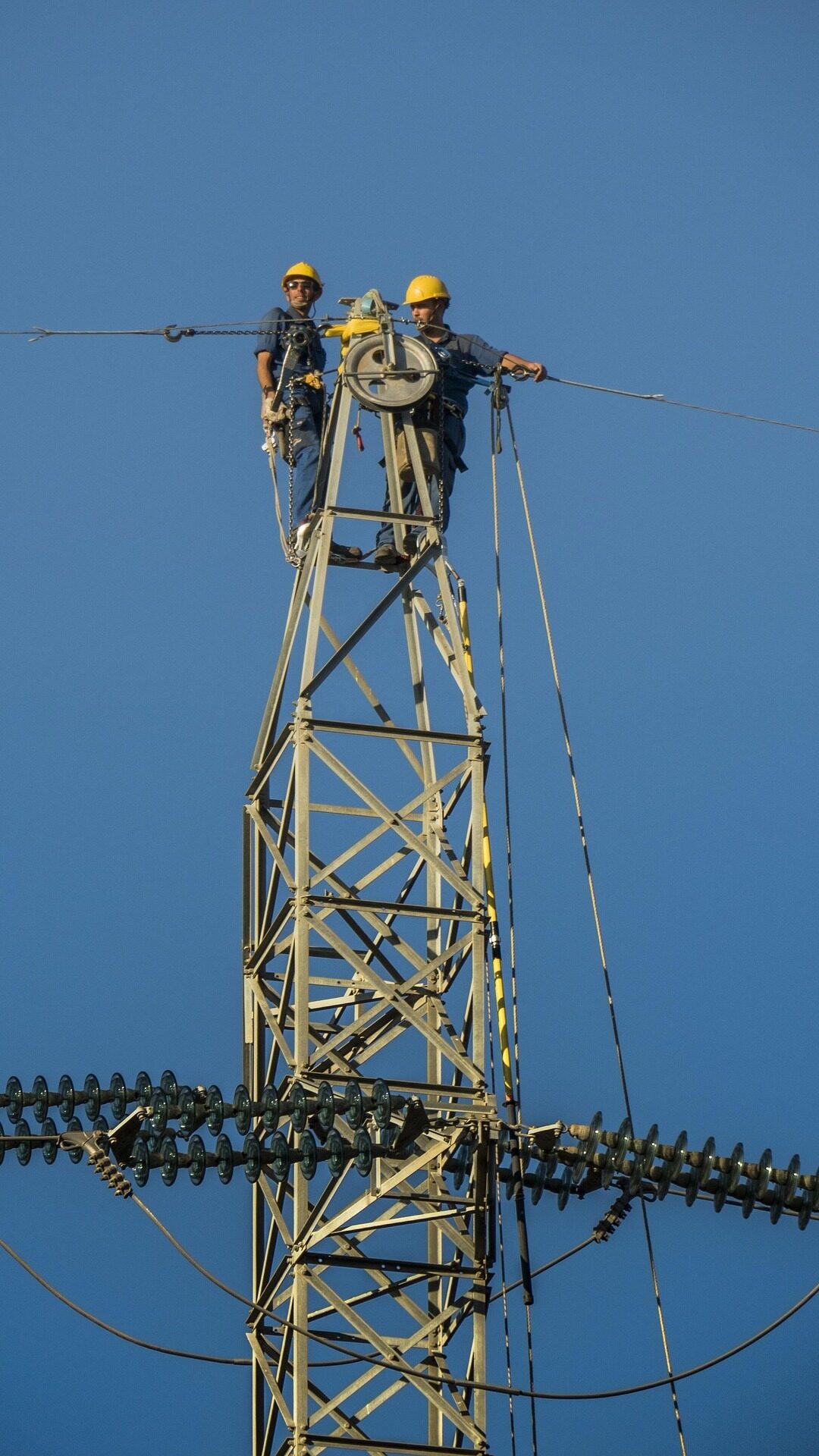
Against the backdrop of accelerating global energy transition and increasing demand for regional power coordination, building a flexible, efficient, and green cross regional power grid interconnection system is becoming a key path for countries to ensure energy security and optimize resource allocation. As a major energy consuming country, China has been continuously promoting the upgrading of power grid infrastructure and regional power mutual assistance in recent years to solve structural problems such as uneven energy distribution and mismatch between peak and valley supply and demand.
In this context, the launch of the Fujian Jiangxi Back to Back Interconnection Project on December 25, 2025, is not only an important breakthrough in power interconnection between Jiangxi and Fujian provinces, but also a strategic measure for State Grid to deepen cross regional coordination, enhance new energy consumption capacity, and serve the implementation of dual carbon goals. This project connects the energy channels of the Central and East China power grids through flexible DC technology, enhancing the resilience and regulation flexibility of the power grid while injecting new momentum into the coordinated development of regional economy and the green transformation of energy structure.
Realize flexible interconnection of cross regional power grids
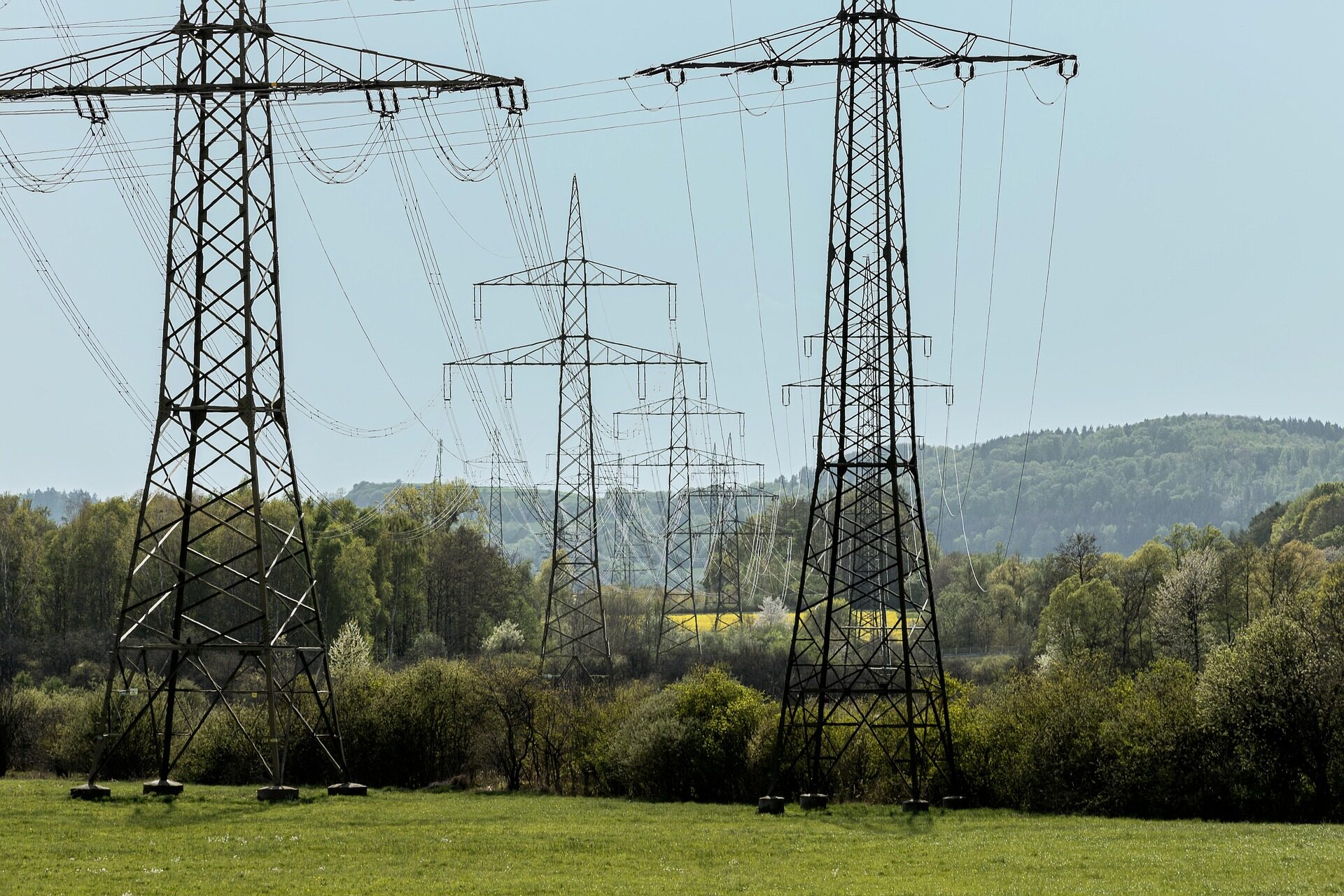
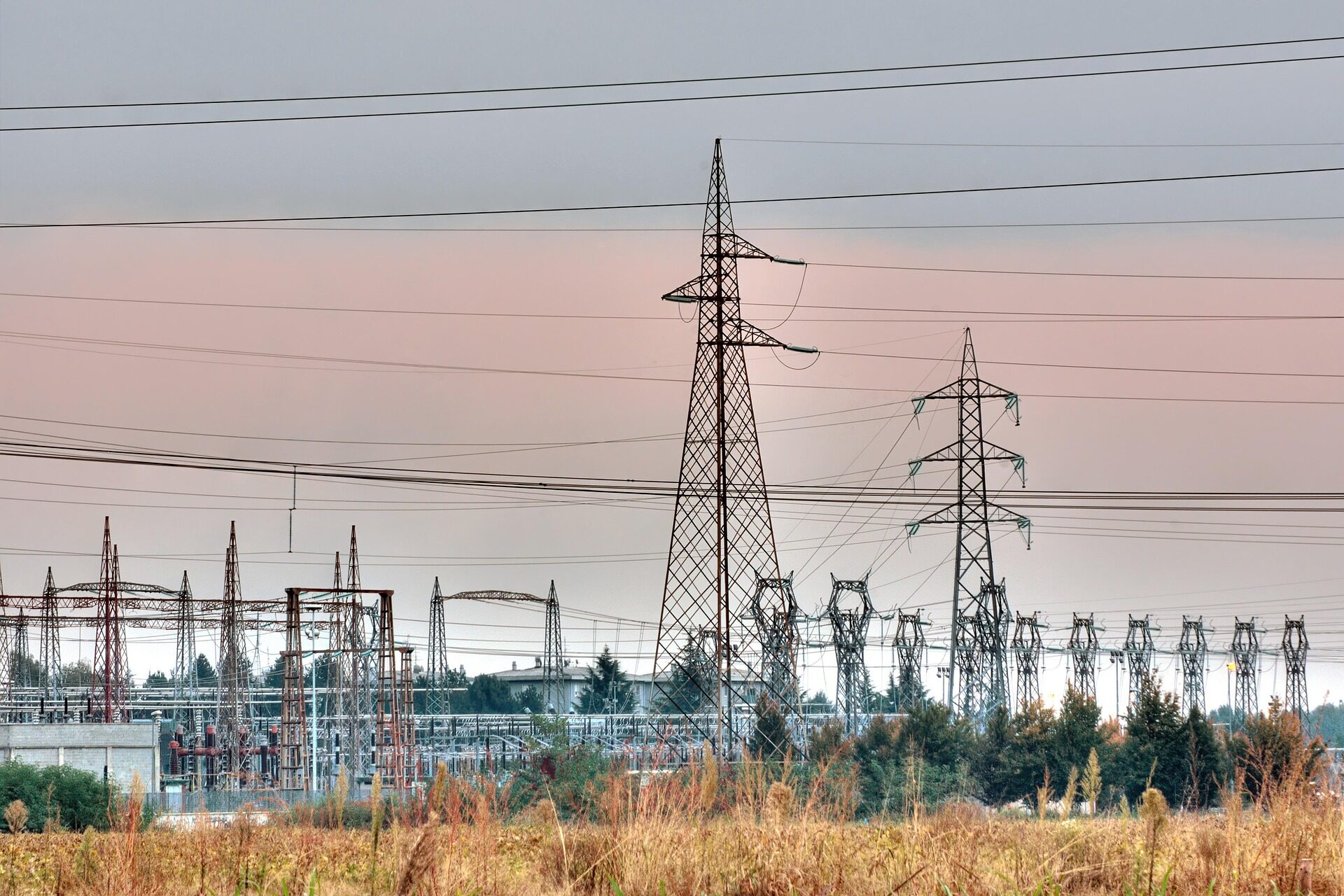
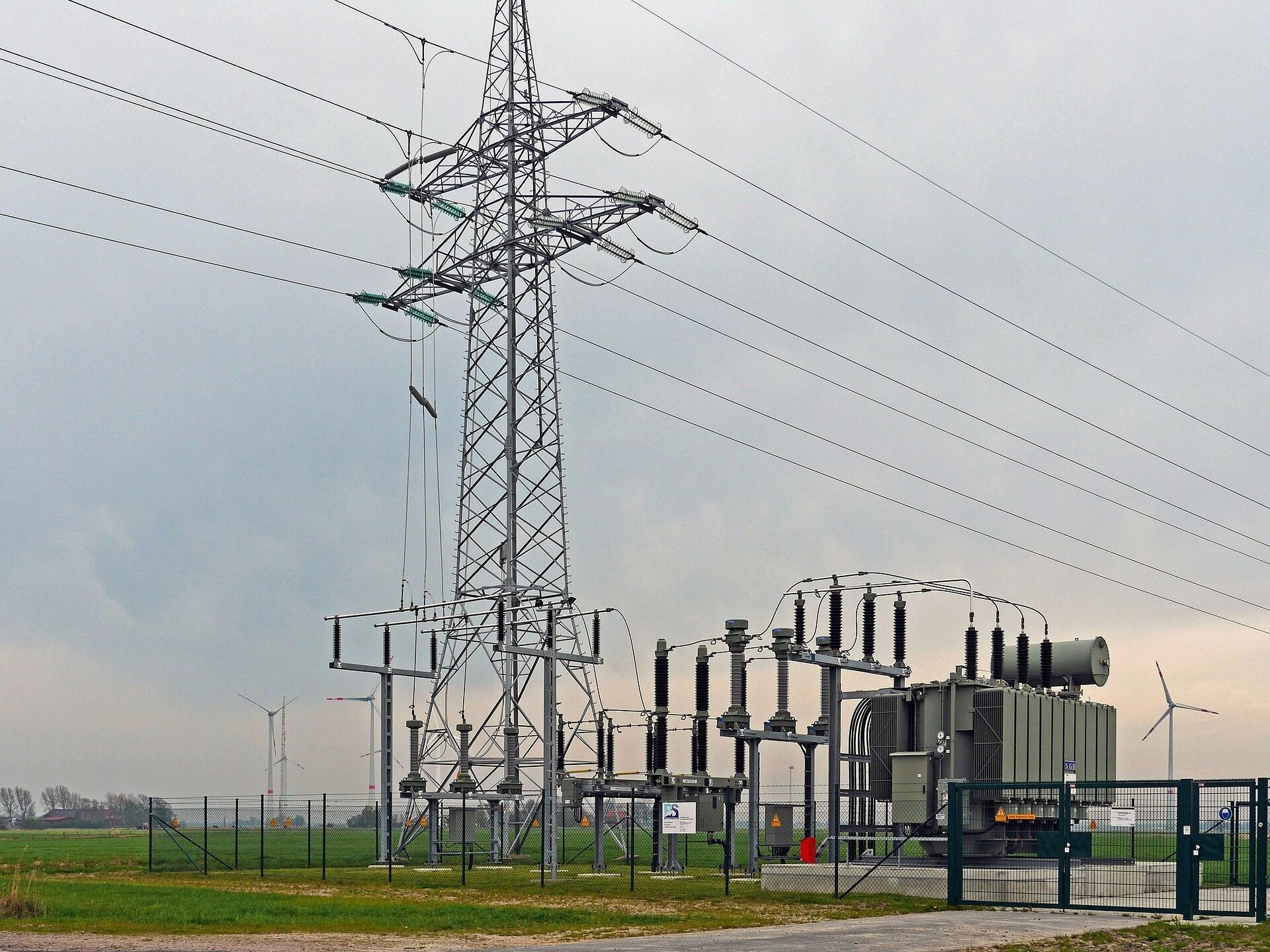
The core of the Fujian Jiangxi back-to-back interconnection project lies in the construction of a 3 million kilowatt flexible DC back-to-back converter station and approximately 170 kilometers of 500 kV AC lines. Due to the fact that Jiangxi and Fujian belong to the two major regional power grids of Central China and East China of the State Grid, the traditional problem of asynchronous operation of the system has long constrained the direct transmission of electricity across regions. This project is like installing an efficient power converter between two power grids, precisely regulating the frequency and voltage of electricity through flexible DC technology, so that the surplus electricity in Fujian can adapt to the operating rhythm of Jiangxi power grid, and vice versa. This not only fills the technological gap in the field of flexible back-to-back converter stations in Jiangxi, but also marks the transition of the two provinces' power grids from physical isolation to flexible interconnection, laying a key infrastructure support for the construction of a cross regional power mutual aid system. It is expected that after being put into operation in 2027, the project can provide 3 million kilowatts of power support to Jiangxi in case of emergencies, significantly improving the level of medium and long-term power security guarantee.
Promote peak valley complementarity and green transformation
The economic and environmental value of the Fujian Jiangxi Interconnection Project are equally outstanding. Based on the natural condition that there is a one hour difference in peak electricity consumption between the two provinces, the project achieves efficient peak valley complementarity through bidirectional power allocation: during the evening electricity shortage in Jiangxi, surplus electricity in Fujian can provide timely support; When the load surges in Fujian, the Jiangxi power grid can also flexibly supplement. This mode not only replaces the high investment in the construction of emergency power supply in the two provinces, reduces the cost per kilowatt, but also creates considerable economic benefits with the help of the difference between peak and valley electricity prices. In addition, the differences in electricity demand and power structure between the two provinces provide greater space for the consumption of new energy.
We found through sorting out the historical electricity consumption data of two provinces that the peak summer electricity consumption in Jiangxi is between 8 pm and 10 pm, and there is a time difference of about an hour between the peak evening electricity consumption in Fujian and Jiangxi, which creates natural conditions for off peak electricity consumption, "said the person in charge of the Jiangxi Electric Power Development Department of State Grid. Keywords: engineering construction, engineering construction news
After the implementation of the project, the two-way mutual assistance of electricity will enhance the system's regulation capability, reduce dependence on coal-fired power, effectively reduce carbon emissions, and help promote the green transformation of regional energy structure. From ensuring electricity safety to promoting low-carbon development, the Fujian Jiangxi Back to Back Interconnection Project is becoming a powerful engine for promoting regional synergy, serving people's livelihoods, and industrial upgrading.Editor/Cheng Liting
Comment


 Praise
 Collect
 Comment

 Share
Share


Write something~