 Search


- Uzbekistan's foreign trade growth driven by gold and food in 2025
- The widespread pressure on traditional manufacturing exports clearly reveals the urgent challenges faced by Uzbekistan's industrial upgrading

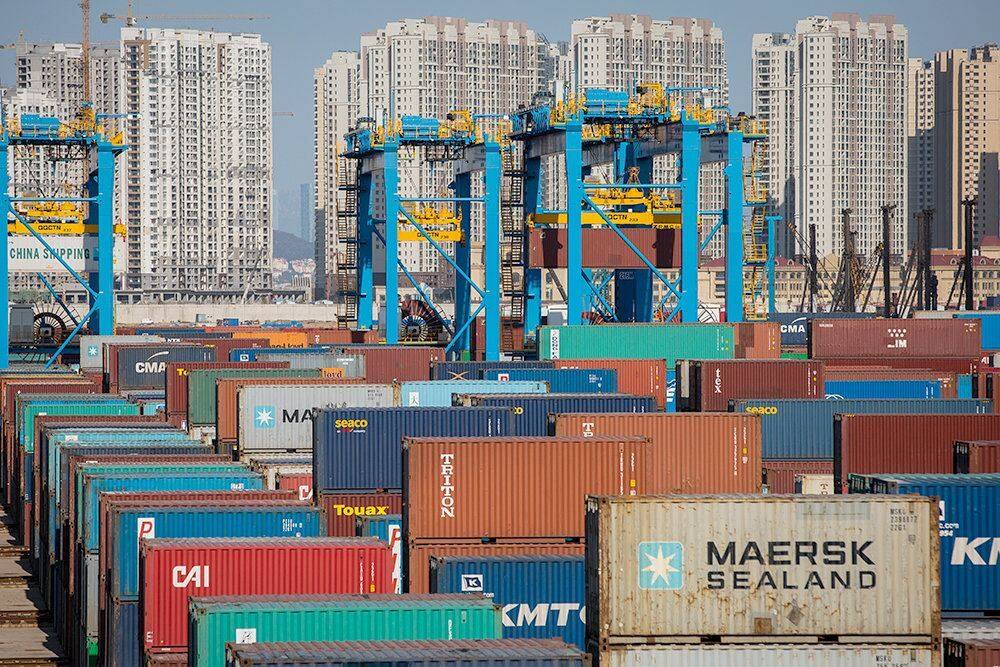
In 2025, Uzbekistan's foreign trade will demonstrate strong resilience and profound structural changes amidst fluctuations. According to the latest official data, the country's total trade volume exceeded 72.7 billion US dollars from January to November, a year-on-year increase of over 20%, and rose against the trend. The core engine driving this growth is not traditional industrial products, but soaring exports of gold and food, reflecting the country's proactive adjustment in the global economic landscape and its own development strategy.
Dual engines of gold and food growth
The most significant feature of Uzbekistan's foreign trade data in 2025 is the sudden rise of gold exports. Despite the complete suspension of gold sales in November, the high international gold price since the beginning of the year has led to a staggering $9.9 billion in gold exports from January to October, a year-on-year increase of nearly half. This amount not only far exceeds the total amount for the whole year of 2024, but also makes it an absolute driving force for overall export growth.
At the same time, the agricultural sector has become another major highlight. From January to November, the year-on-year growth of food exports exceeded 36%, with particularly rapid growth in exports of fruits, vegetables, and grains. This reflects Uzbekistan's traditional advantages as an agricultural country and also demonstrates its solid progress in the processing and export of agricultural products. The electricity exports in the energy sector have also performed well, with an increase of over 50%, becoming an important supplement to the growth of energy exports.
Rebalance in the Challenge
While gold and food are thriving, some traditional manufacturing categories are facing downward pressure. From January to November, the exports of industrial products, textiles and fabrics, machinery and equipment, and automobiles, which were previously the pillars of exports, all experienced a significant decline. This is not only an objective reflection of global demand changes, but also indicates that the domestic industry in Ukraine is in a painful and adjustment period of upgrading and transformation.
Nevertheless, Uzbekistan's international trade network remains resilient and continues to deepen. China, Russia, and Kazakhstan have long been its top three trading partners, and this pattern will continue until 2025. Of particular note is that China is not only its largest trading partner, but also maintains its position as the largest source of imports, demonstrating the close industrial chain cooperation between the two countries. In addition, the proportion of service trade, especially tourism and transportation services, in imports and exports continues to increase, becoming a new pivot for diversified foreign trade. Keywords: International News and Information, International News Network

Overall, the foreign trade picture of Uzbekistan in 2025 depicts a national image of a traditional economic structure seeking breakthroughs in both active and passive ways. On the one hand, it fully utilizes the cyclical dividends of commodities such as gold and agricultural endowments to stabilize the economic fundamentals; On the other hand, the temporary weakness of traditional manufacturing also reveals the practical challenges it faces on its industrialization path. In the future, how to convert the profits from resource exports into effective investments for the transformation and upgrading of the manufacturing industry, and further expand the diversified international market, will be the key to determining whether its foreign trade can achieve high-quality and sustainable development.Editor/Cheng Liting
Comment



 Praise
 Collect
 Comment

 Share
Share


Write something~