 Search


- Gaimei Port will further strengthen its hub position in Southeast Asian international trade
- Construct multiple highways and railways connecting the port area with the inland, and improve the collection and distribution system
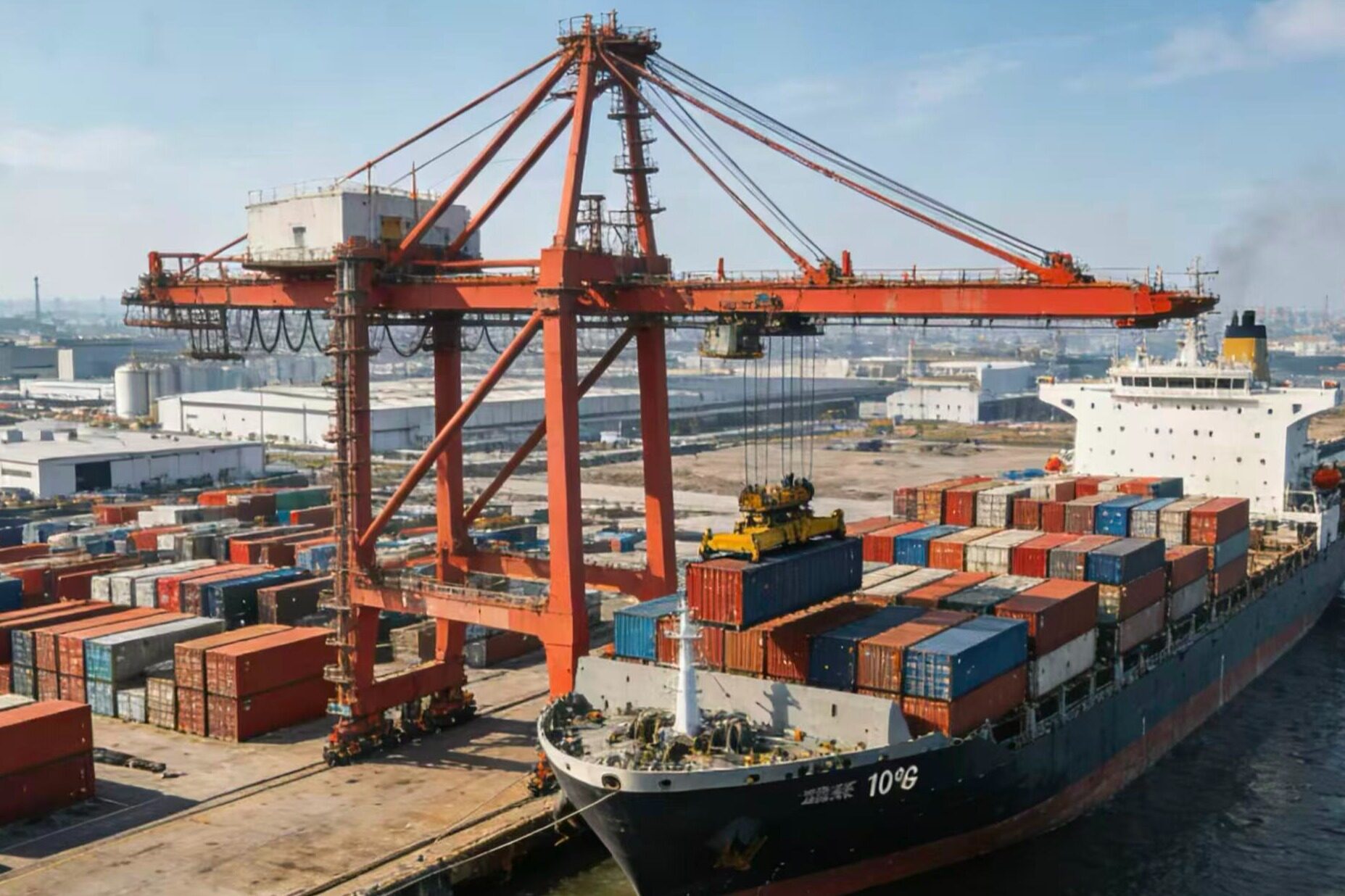
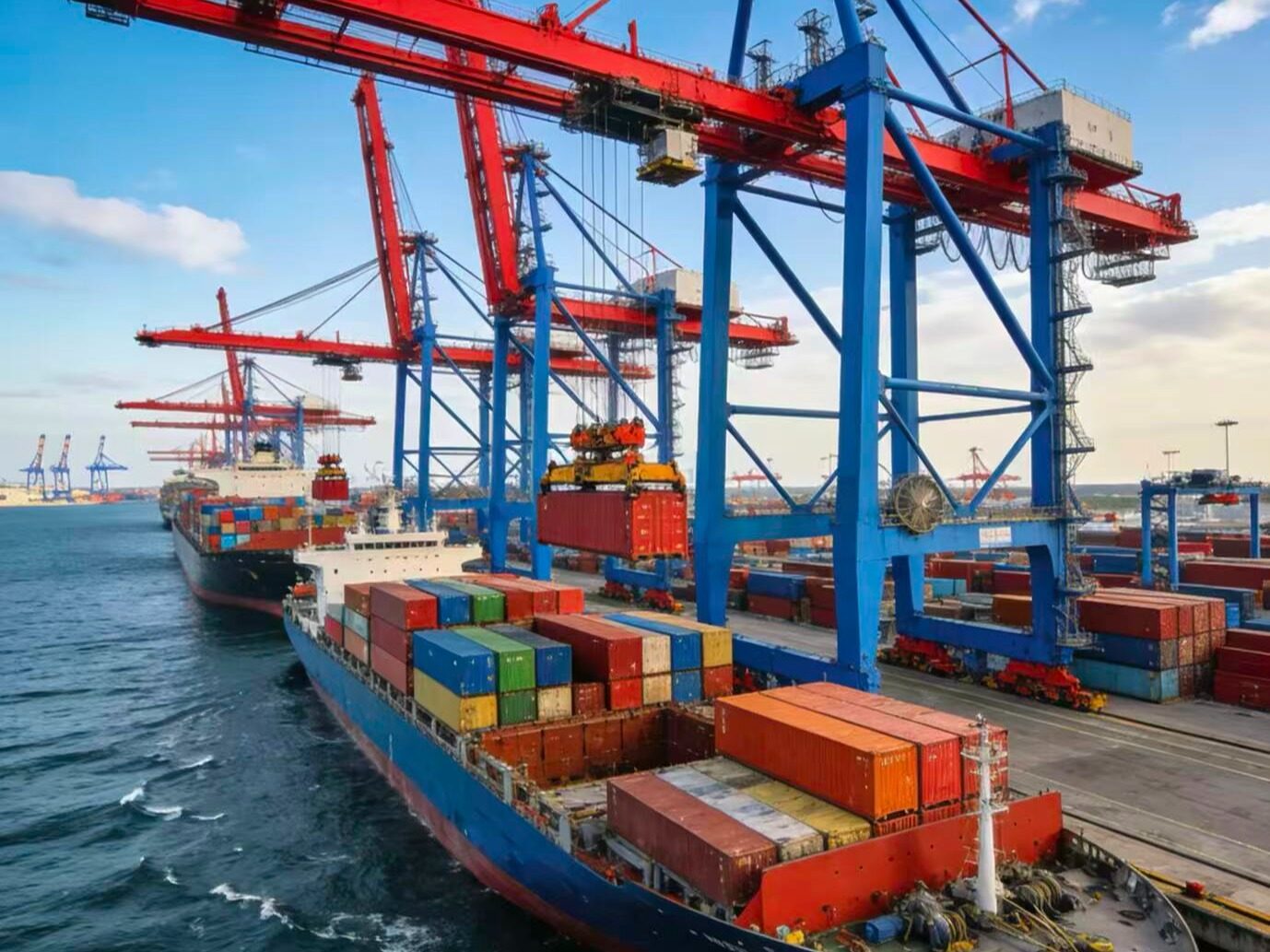
As the most promising deep-water port in southern Vietnam, Gai Mei Port is located in the province of Ba Dinh Tau in the Mekong Delta. With a natural water depth of over 16 meters, it can easily accommodate 100000 ton ocean going cargo ships and is one of the few ports in Southeast Asia that can accommodate ultra large container ships. Compared to the congested waterways and water depth restrictions of Ho Chi Minh Port, the location advantage of Gai Mei Port is unique - only about 90 nautical miles away from international main shipping routes, with significantly improved cargo turnover efficiency, quickly becoming a new gateway for Vietnam to connect with global trade.
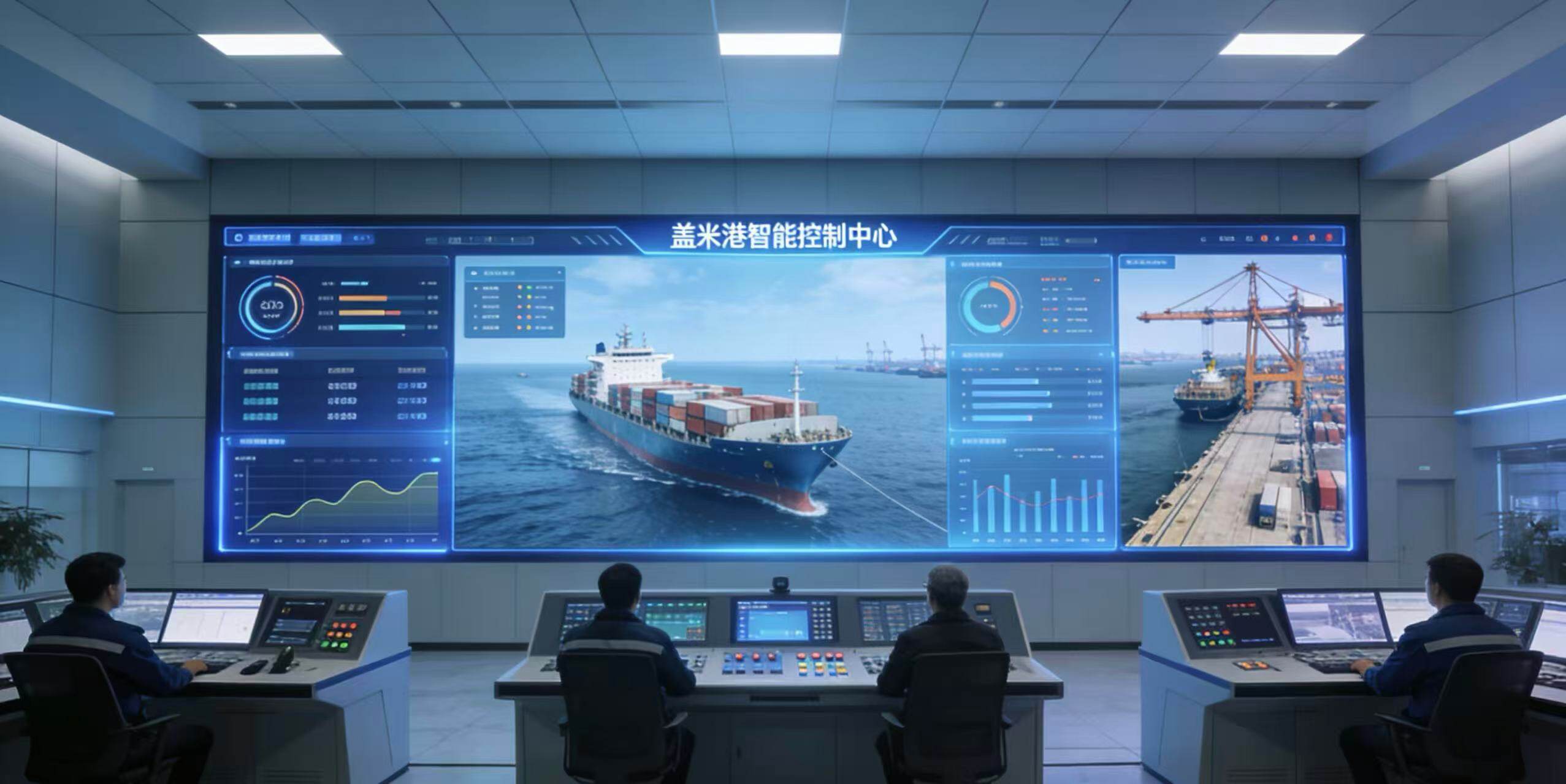
Relying on the core advantages of the deep-water port, Gaimei Port is accelerating the construction of a port industrial system, forming a new pattern of "port industry city" linkage development. Multiple industrial parks have been planned and constructed around the port area, including automobile manufacturing, electronic components, textile and clothing, attracting multinational companies such as Toyota and Samsung to lay out production bases. Efficient logistics channels have been established between the port and the park, allowing raw materials to be transported directly to the port area by sea and quickly delivered to factories; Finished products can be directly packed and shipped globally, achieving a seamless connection from the port to the workshop, greatly reducing the logistics costs of enterprises.
In terms of international route layout, Gaimei Port has achieved a breakthrough in recent years. At present, the port has opened over 30 regular container shipping routes to major global ports such as Shanghai and Ningbo in China, Rotterdam and Hamburg in Europe, as well as Singapore and Malaysia in Southeast Asia. With the deepening of the "Two Corridors and One Ring" cooperation between China and Vietnam, Gaimei Port has become an important transit hub for goods from Southwest China to go abroad. Through the land sea intermodal transportation channel, electronic products and mechanical equipment from the Chengdu Chongqing region can be transported to Southeast Asia, the Middle East, and even African markets, and the radiation capacity of the air route continues to increase.
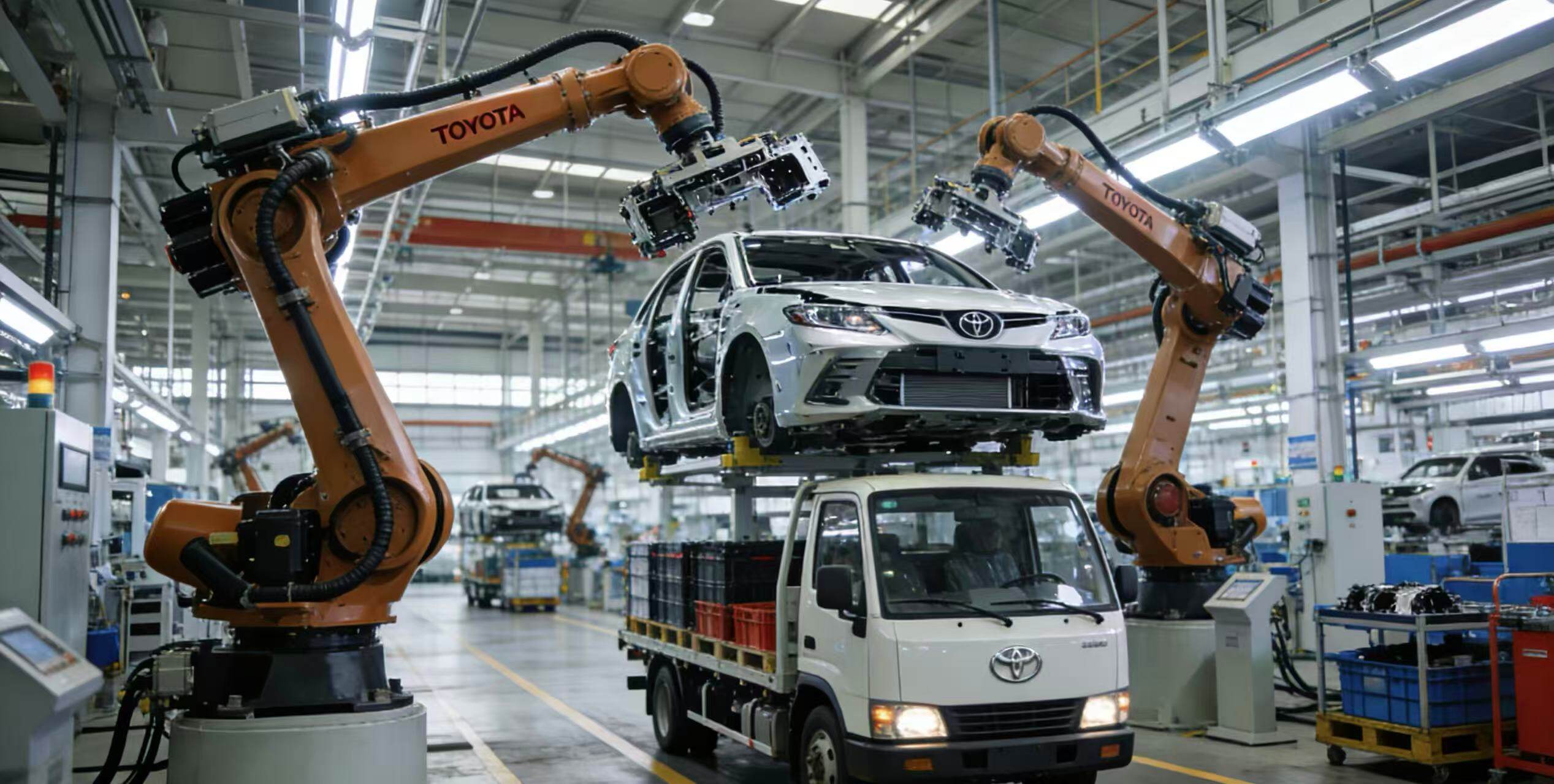
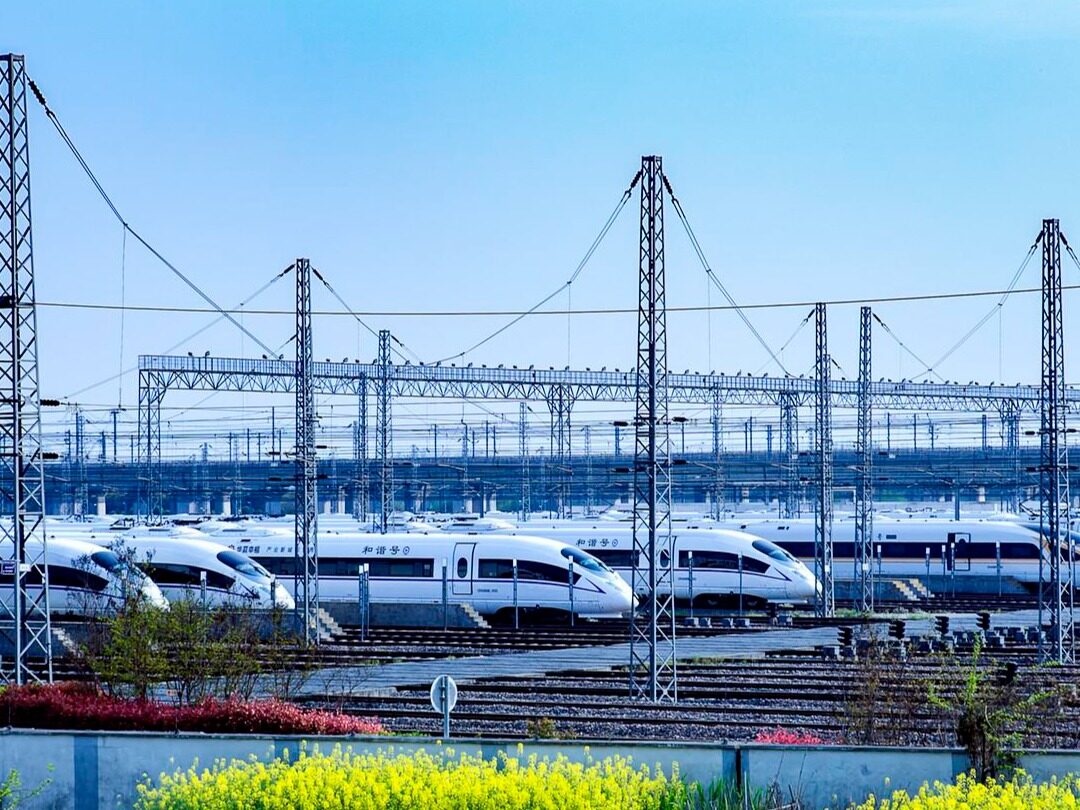
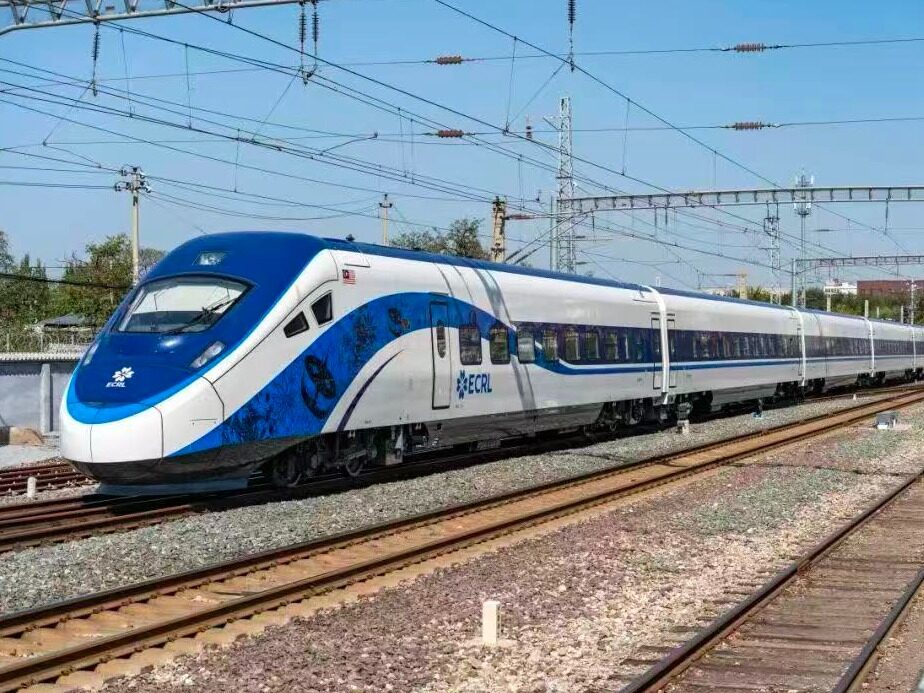
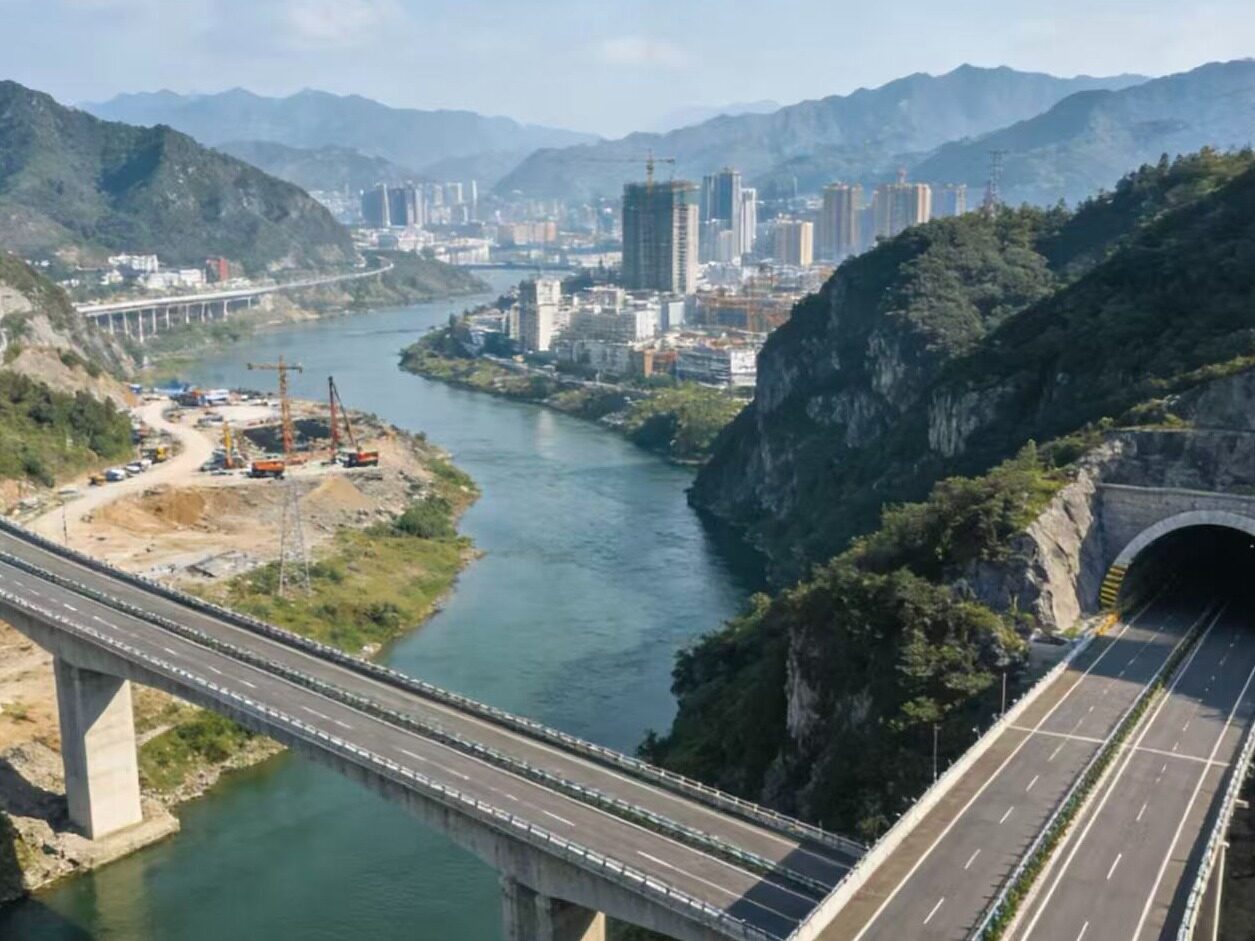
To further enhance competitiveness, Gaimei Port continues to promote infrastructure upgrading and intelligent transformation. The port has introduced an automated container terminal operating system, equipped with unmanned gantry cranes, intelligent gates and other equipment, greatly improving loading and unloading efficiency. The annual container throughput has exceeded 8 million TEUs, ranking among the major container ports in Southeast Asia. At the same time, the Vietnamese government has increased investment in port supporting facilities, built multiple highways and railways connecting the port area with the inland, and improved the collection and distribution system, extending the radiation range of Gaimei Port to central Vietnam and even countries in the Indochina Peninsula such as Laos and Cambodia.
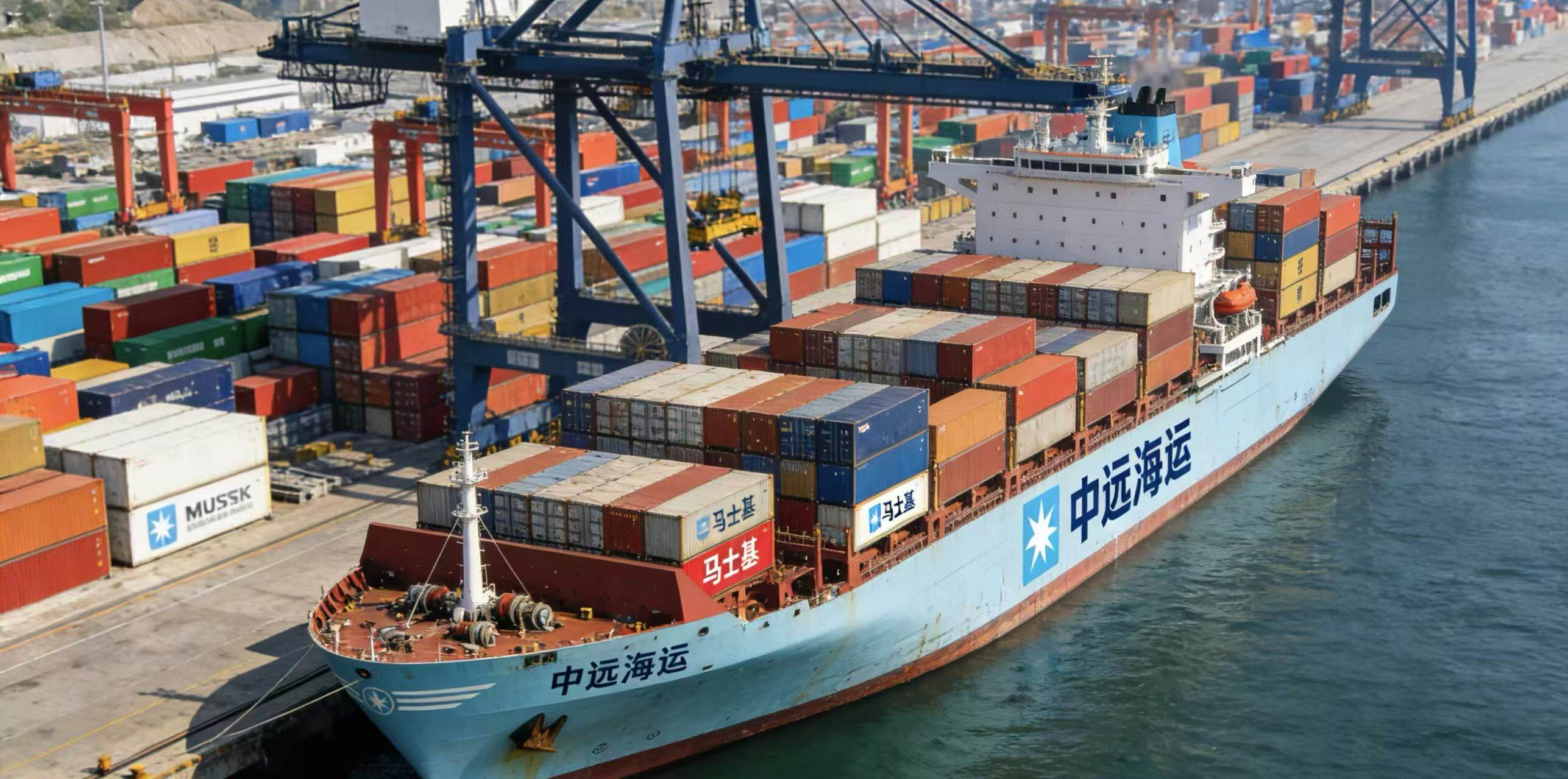
The rise of Gaimei Port has not only reshaped Vietnam's port shipping pattern, but also become a powerful engine for the economic development of the Mekong Delta. In the future, with the continuous growth of the port industrial cluster and the deepening implementation of the Regional Comprehensive Economic Partnership (RCEP), the Port of Gaimei will further strengthen its hub position in Southeast Asian international trade, injecting sustained momentum into Vietnam's integration into the global industrial and supply chains and promoting regional economic integration.Editor/Bian Wenjun
Comment

 Praise
 Collect
 Comment

 Share
Share


Write something~