 Search


- Invest over 280 billion shillings! This major investment aims to stabilize urban electricity
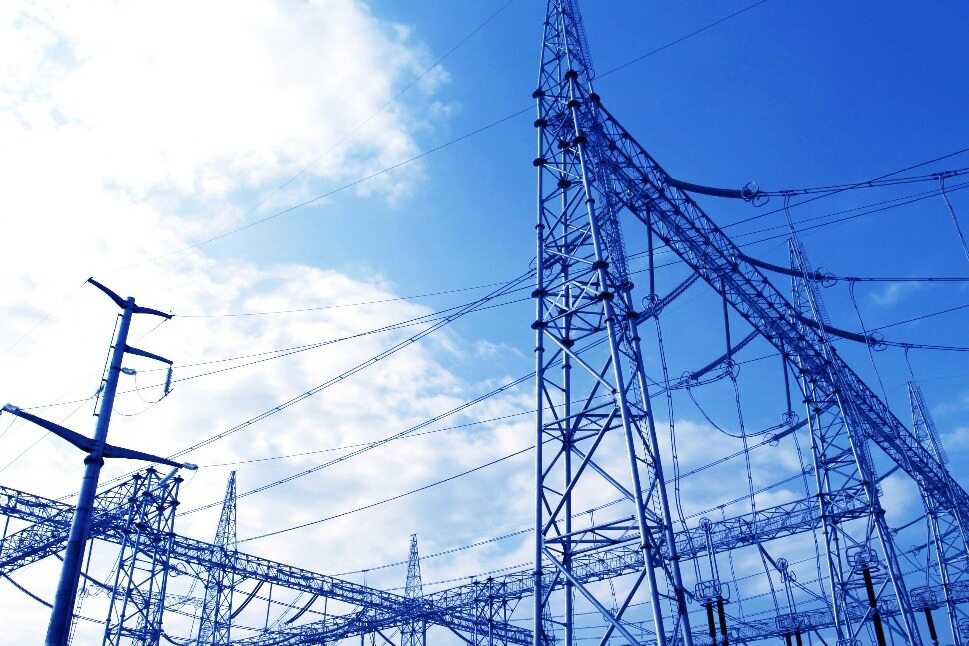
In the wave of actively embracing industrialization on the African continent, the stability of power supply is increasingly becoming the key factor determining investment flows and national competitiveness. Now, Tanzania is embarking on an ambitious power system upgrade campaign centered around its largest city and economic heart, Dar es Salaam. Through intensive investments totaling over 280 billion Tanzanian shillings, this East African country is not only committed to ensuring the stable operation of its economic lifeline, but also intends to occupy a leading hub position in the global attention to Africa's energy transition agenda.
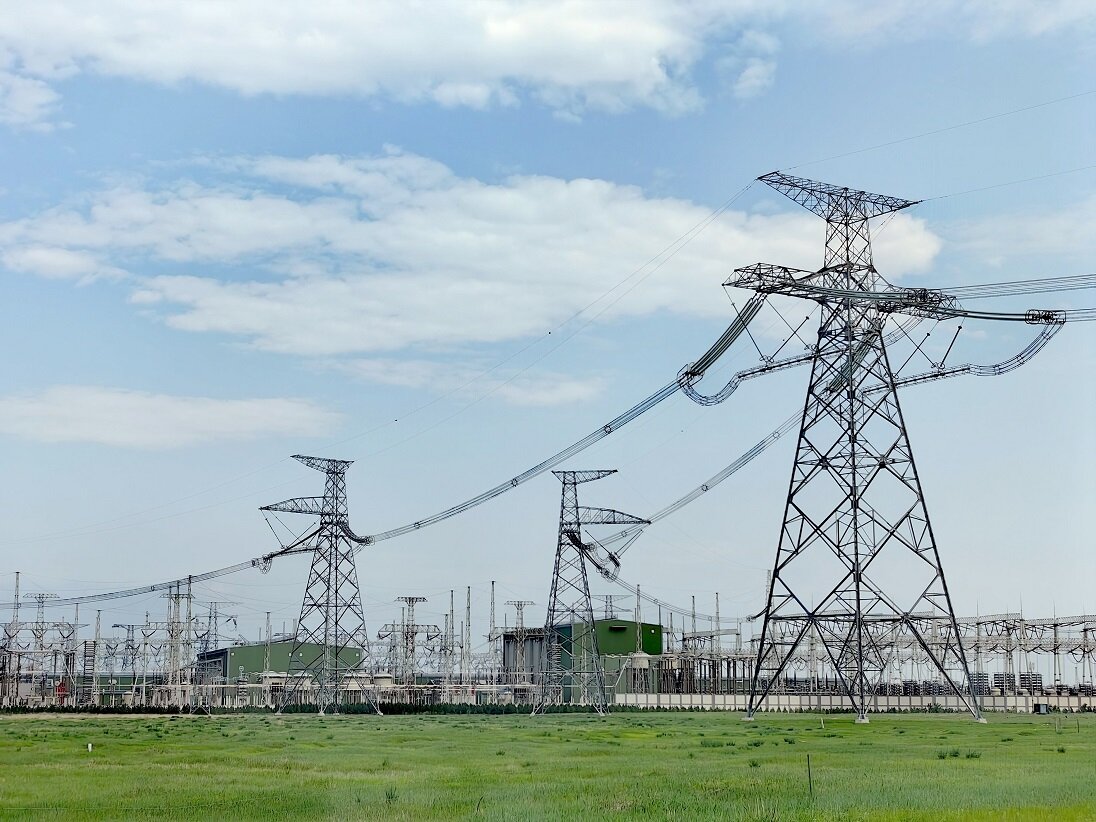
Heavy investment to stabilize the economic heartbeat
The Tanzanian government recently disclosed that it has invested huge amounts of money in several key power projects in its largest commercial city, Dar es Salaam. Energy Minister Deogelaxius Ndjambi personally inspected multiple power and cooling substations, including Gongo la Mboto, Kinyerezi I Extension, and Mabibo. He emphasized that ensuring the stability of electricity in Dashi, a highly concentrated area of the national economy and population, is of fundamental significance for maintaining commercial vitality, manufacturing operations, and basic public services. The focus of the project is on the expansion, renovation, and maintenance of substations, and through the construction of networked redundant structures such as ring networks, it aims to enhance the overall carrying capacity of the power grid, reduce the risk of single point failures, and achieve faster fault isolation and power supply recovery, providing a solid and reliable energy base for urban economic activities.
Internal and external linkage, planning regional energy blueprint
The reinforcement of Dar es Salaam's power grid this time is not an isolated action, but a core manifestation of Tanzania's grand energy strategy. Internally, this is a competitive project to solidify the foundation of industrial and service economy development; Externally, it is closely linked to a more ambitious pan African agenda. At the end of January 2025, the Mission 300 Africa Energy Summit, jointly promoted by the Tanzanian government, the African Union, the World Bank, and the African Development Bank Group, will be held in Dar es Salaam. The summit has ambitious goals, aiming to provide reliable and affordable electricity for an additional 300 million people in Africa by 2030. It is expected to mobilize up to $90 billion in funding and force relevant countries to reform their power industries. By hosting such high-level international summits, Tanzania has successfully placed itself at the center stage of the African Energy Transition Dialogue, strengthening its role as a hub for regional energy cooperation and project distribution. Keywords: International News
The prospect of cooperation that combines opportunities and challenges
This series of actions has brought clear market opportunities for international investors and contractors, including Chinese companies. The infrastructure construction on the grid side, such as substations, transmission and distribution network renovation, ring networks, and intelligent dispatch systems, will continue to release EPC and equipment orders. At the same time, the financing structure of projects is becoming increasingly international, and multilateral financial institutions such as the Asian Infrastructure Investment Bank and the Islamic Development Bank have pledged billions of dollars in support, which requires participants to have stronger capabilities in multilateral financing docking and complex financial scheme design. Under the development path of natural gas and renewable energy, there is a broad prospect for sub sectors such as gas power station matching, energy storage systems, microgrids, and advanced metering systems. However, opportunities always coexist with challenges. Sustainable payment mechanisms have become a core issue in projects, and investors need to carefully evaluate the financial status of local power companies, the terms of power purchase agreements, and payment guarantee mechanisms. Priority should be given to selecting benchmark projects with fast reform progress, clear project loops, and controllable risks for cooperation, in order to ensure stability and long-term success in the vast African electricity market. (This article is from the official website of Jian Dao www.seetao.com. Reproduction without permission is prohibited, otherwise it will be prosecuted. Please indicate Jian Dao website+original link when reprinting.) Jian Dao website international column editor/Gao Xue
Comment



 Praise
 Collect
 Comment

 Share
Share


Write something~