 Search


- The rise of the African LNG industry not only reshapes the global energy trade flow
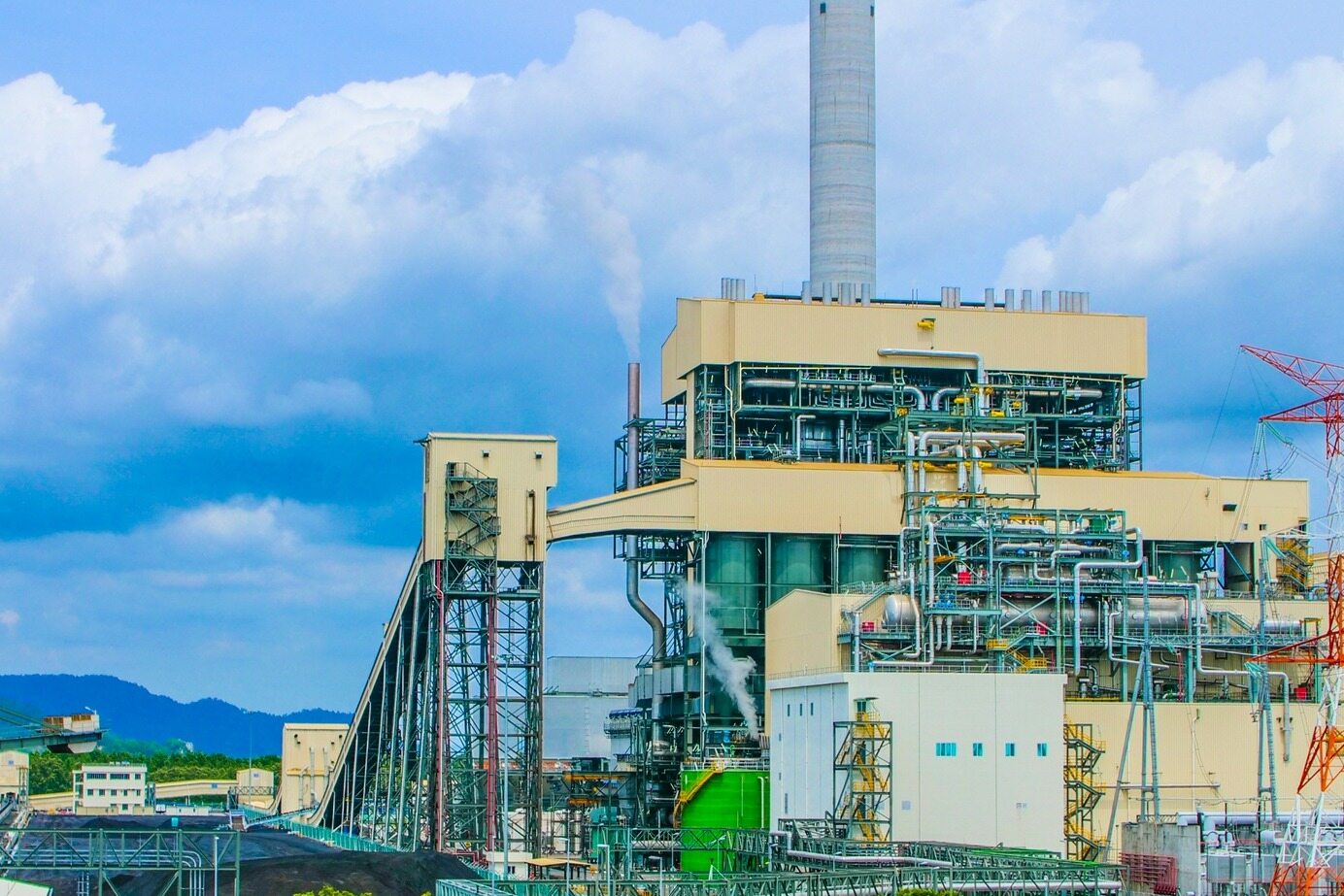
In the grand narrative of seeking diversity and security in global energy, Africa is transforming from a "dormant continent" of resources to a crucial "export corridor". With the reshaping of the energy structure in Europe and the continuous growth of demand in Asia, a trillion dollar liquefied natural gas industry belt laid out along the east and west coasts of Africa has begun to take shape. From Bonny Island in Nigeria to the Rovuma Basin in Mozambique, from Skikda Port in Algeria to the GTA gas field in Mauritania, infrastructure such as floating liquefaction platforms, giant storage tanks, and ultra long cross-border pipelines are being intensively promoted to convert underground natural gas resources into globally circulated "cash flow". This is not only a competition of industries, but also a historic intersection of capital, engineering technology, and trade networks on the African continent.
Multiple projects blossom, and infrastructure is fully deployed
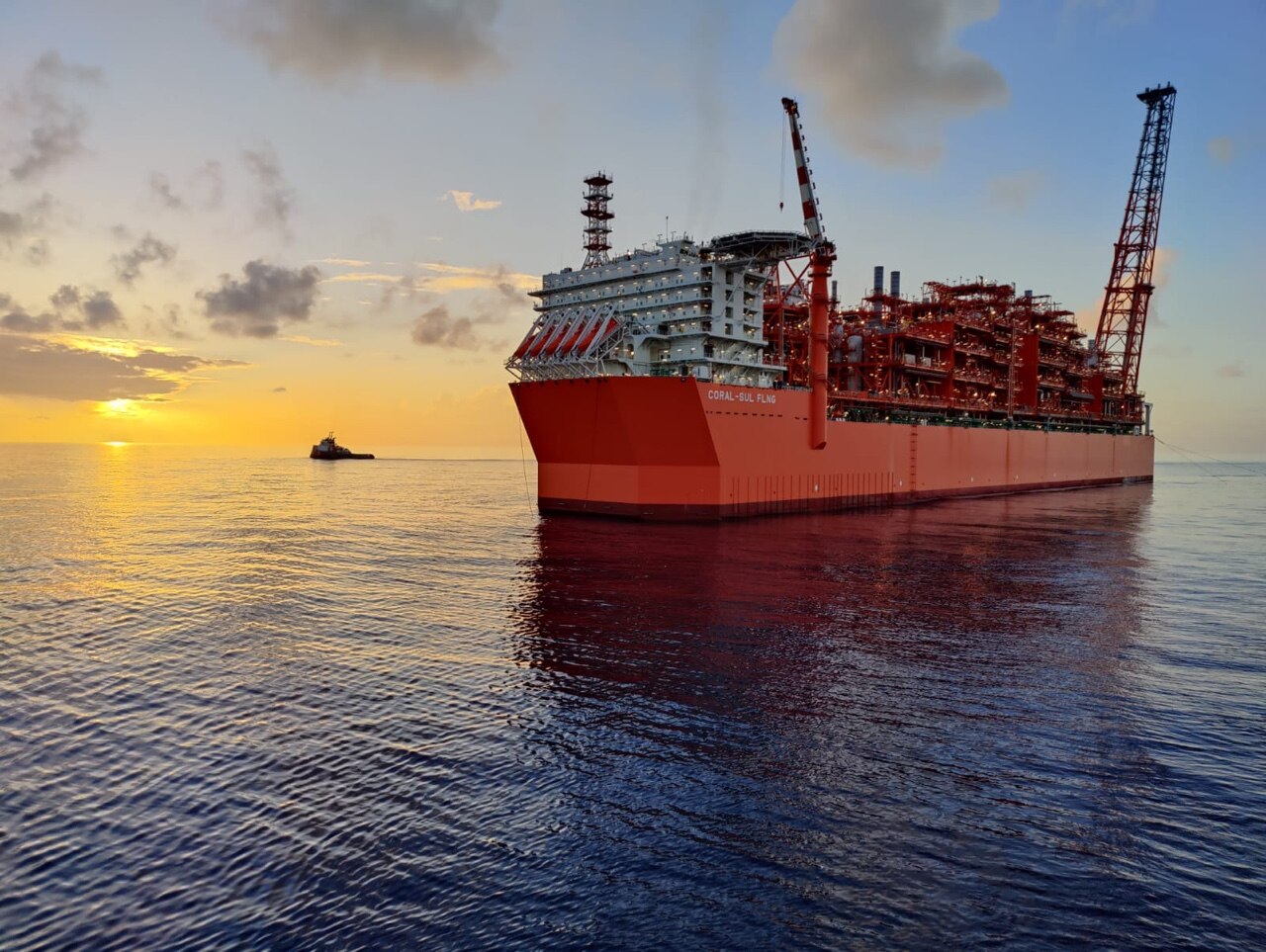
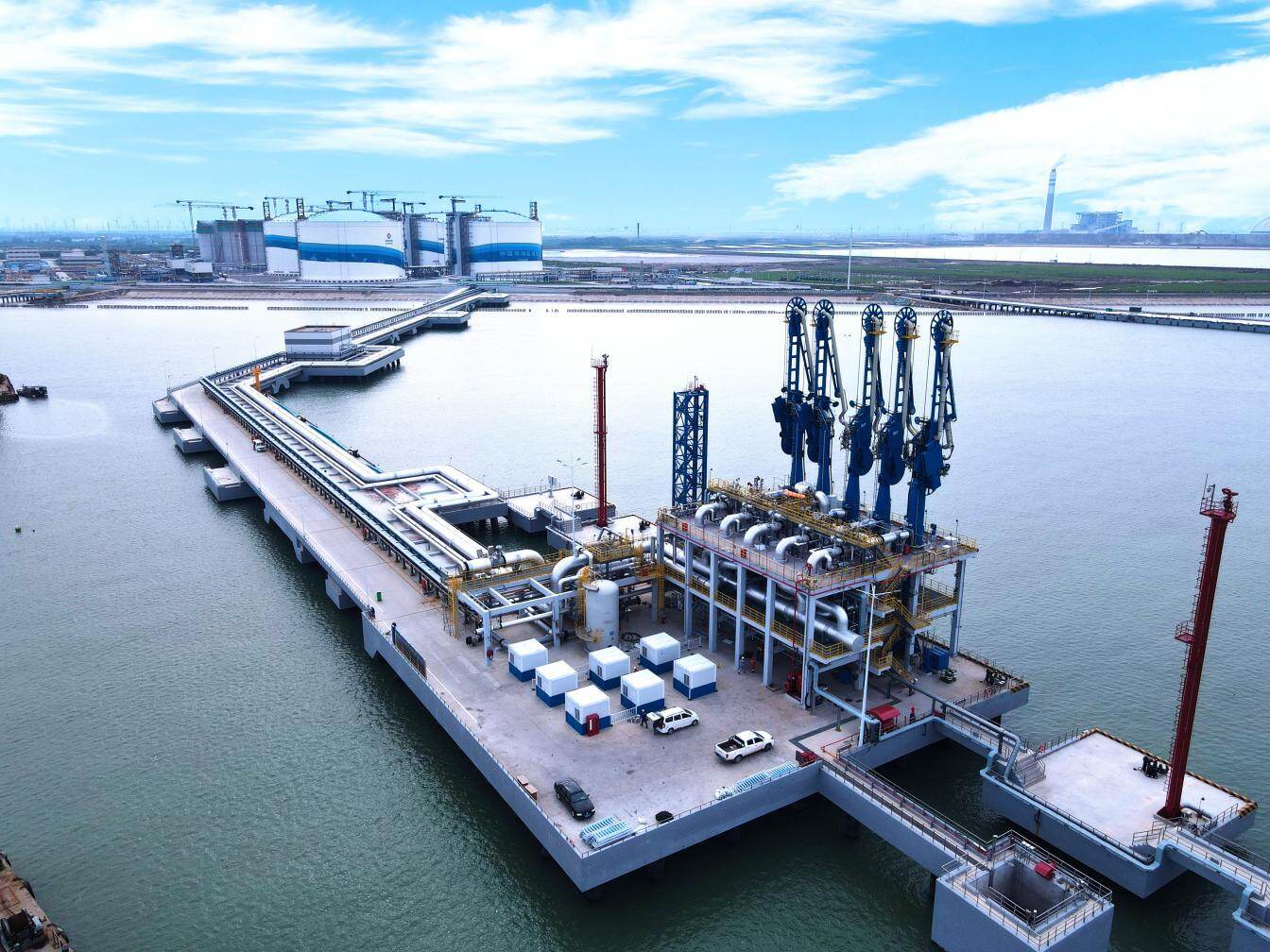
The construction of LNG corridors in Africa is showing a trend of blooming everywhere. In northwest Africa, Algeria is consolidating its traditional export base position by restarting old production lines and building new storage tanks, such as the 150000 cubic meter tank constructed by Sinopec. In the core region of West Africa, Nigeria's NLNG seventh production line plans to increase annual production capacity by about 8 million tons, while the ambitious Nigeria Morocco natural gas pipeline project is about 6000 kilometers long, aiming to build a regional energy artery. In Southeast Africa, the Coral South floating LNG project in Mozambique has been operating stably, with a planned production capacity of 15.2 million tons per year for its onshore Rovuma LNG project. In addition, the first phase of the GTA floating LNG project on the border between Senegal and Mauritania has been put into operation, and the second phase is awaiting final investment decisions. These key projects scattered along the coast together form the physical backbone of African LNG exports.
Policy Reform and International Capital
Behind this wave of construction is the active policy reforms of African countries and the strong driving force of international capital. Nigeria has passed the landmark Petroleum Industry Act and launched the "Natural Gas Decade" plan to attract investment through tax incentives, aiming to reduce gas flaring and improve local utilization. Algeria optimizes its investment environment through a new oil and gas law, while Morocco positions itself as a regional energy hub and vigorously promotes the construction of LNG receiving stations. At the international level, multilateral financial institutions such as the European Bank for Reconstruction and Development, the World Bank, and the Asian Infrastructure Investment Bank, as well as oil giants and sovereign funds from China, the United Arab Emirates, and Europe, are deeply involved in various forms such as equity investment, project financing, and long-term purchase and sale agreements. The role of Chinese enterprises is particularly prominent, from the construction of the AKK pipeline in Nigeria by China Petroleum Pipeline Bureau, to the construction of LNG storage tanks by Sinopec Engineering Group in Algeria, and to CNOOC's participation in the investment and operation of the FLNG project in Mozambique. Chinese capital, technology, and equipment are providing systematic support throughout the entire industry chain. Keywords: International News and Information, International News Network
Wide space for deep participation of enterprises
The formation of the African LNG corridor has brought enormous market opportunities, but also significant challenges. For Chinese enterprises, their participation directions are diverse: in the field of engineering general contracting, they can bid for EPC projects of large liquefaction plants, cross-border pipelines, and port terminals; In the field of equipment manufacturing, key equipment such as LNG storage tanks, special vessels, and compressors can be provided for projects; In the field of trade and investment, long-term liquefied natural gas procurement contracts can be signed, or project financing can be provided through policy banks. However, this road is not a smooth one. The project is generally facing geopolitical and local security risks, individual investment demands of tens of billions of dollars, long return cycles, and pressure from price fluctuations in the global liquefied natural gas market. In addition, strict localization requirements, differentiated laws and regulations, and relatively weak infrastructure support from various countries all place extremely high demands on participants' comprehensive risk management capabilities. Whether all parties can properly address these challenges while seizing opportunities will determine their ultimate position in this emerging energy corridor. (This article is from the official website of Jian Dao www.seetao.com. Reproduction without permission is prohibited, otherwise it will be prosecuted. Please indicate Jian Dao website+original link when reprinting.) Jian Dao website international column editor/Gao Xue
Comment



 Praise
 Collect
 Comment

 Share
Share


Write something~