 Search


- Huaren Interchange and Heilongjiang South Road Bridge are planned to be opened to traffic ahead of schedule in September 2026
- Not only is it a key link in Qingdao's "seven horizontal and nine vertical multi connected" road network system
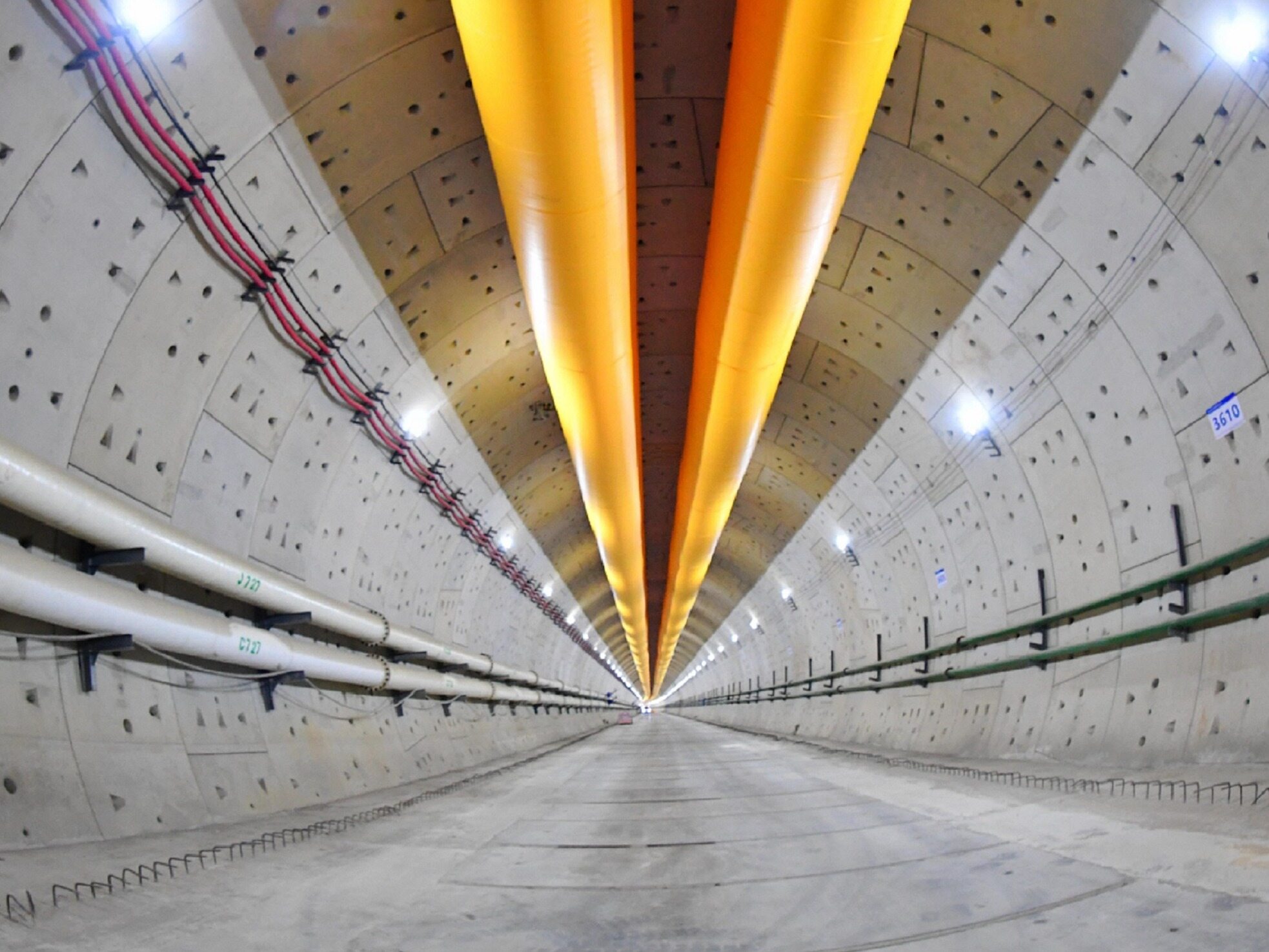
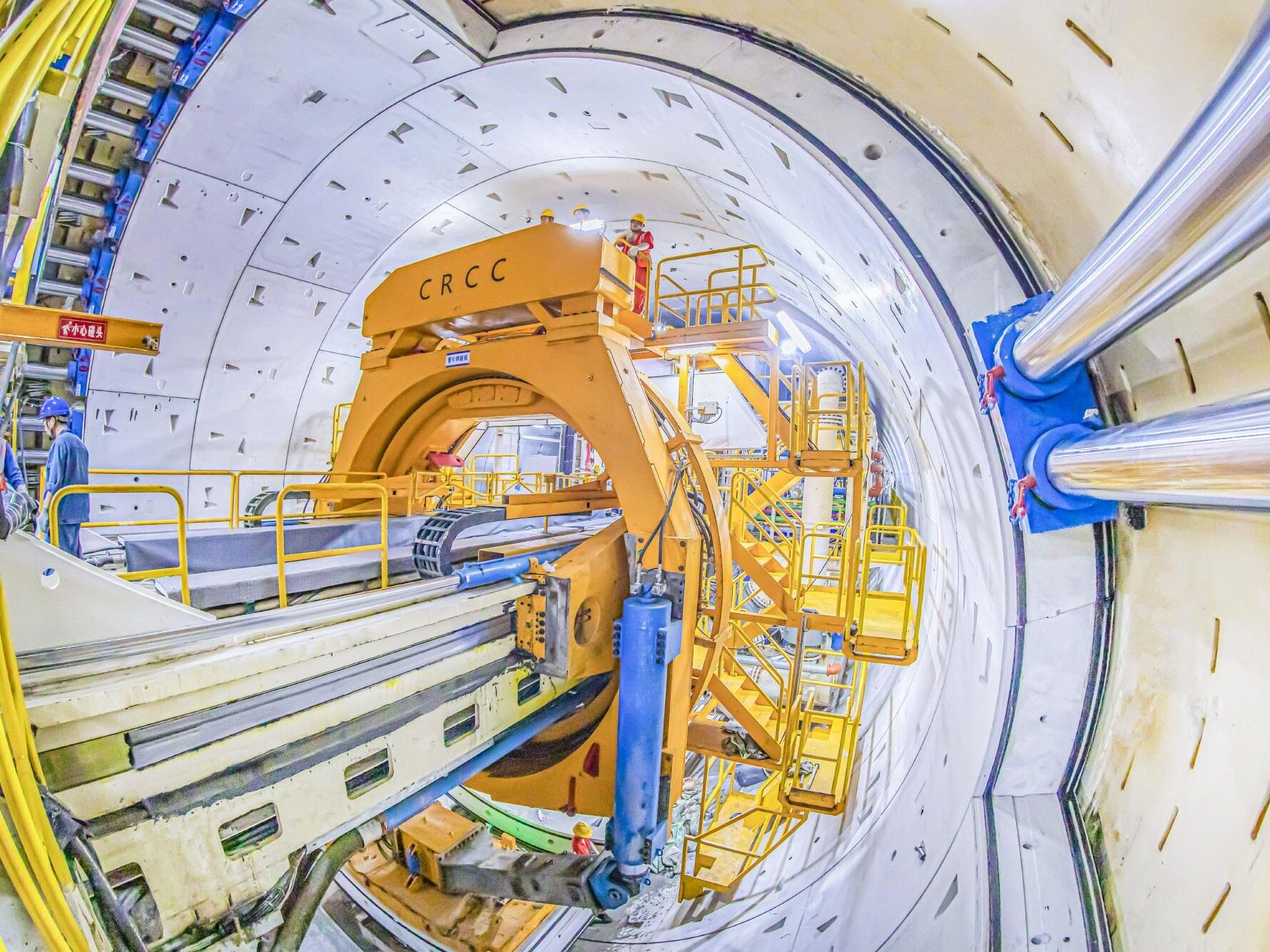
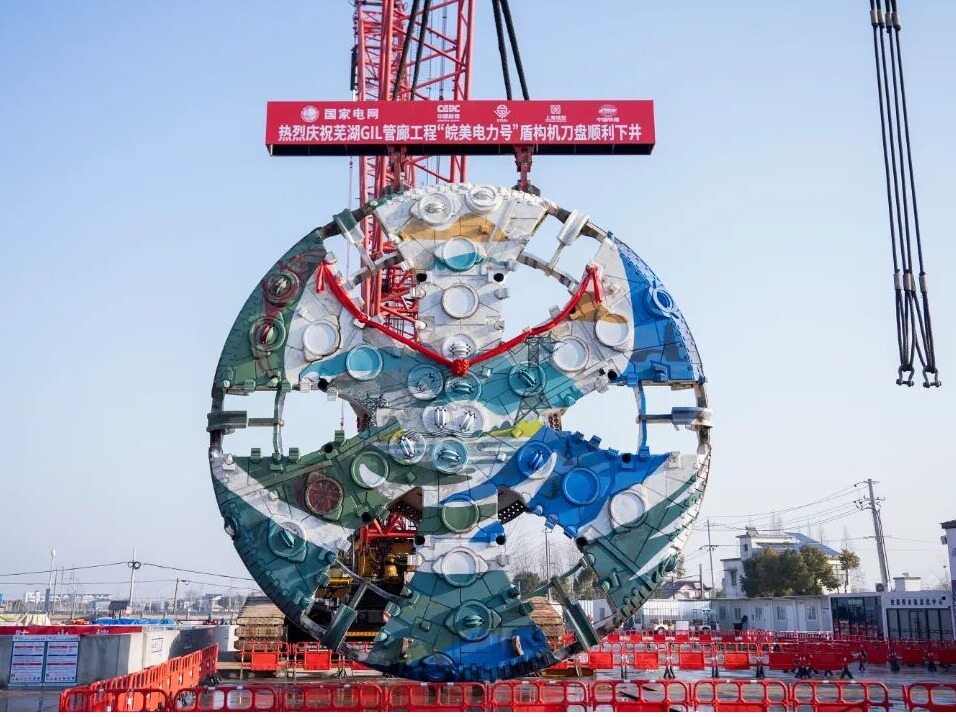
At 7am in the Xinduxin area of Qingdao, the morning rush hour traffic on Heilongjiang Road and Huaren Interchange has slowly spread out. Taxi driver Lao Li clenched his grip on the steering wheel and shook his head helplessly as he watched the long queue of vehicles ahead: "There is only one downhill road on this bridge, with a speed limit of 40. From Fushan to Fuzhou Road, it takes a forced detour of 5 kilometers." At this moment, not far away at the foot of Shuangshan, the roar of a large tunneling machine cuts through the sky, and the core excavation project of Shuangshan Tunnel has officially started - this tunnel, which carries the commuting expectations of citizens, is about to rewrite the north-south traffic pattern of Qingdao's east bank urban area with a length of 499 meters.
499 meter tunnel connecting urban arteries
The Shuangshan Tunnel adopts a separated double tunnel design, with a spacious layout of six lanes in both directions and a design speed of 60 kilometers per hour. It starts from Tailiu Road in the south and connects to Chongqing Elevated Road in the north. After completion, it will realize the direct "hand in hand" connection between Fuzhou Road and Chongqing Road. In the past, citizens commuting across districts had to detour around Shandong Road or Nanjing Road. After the tunnel is opened, the travel distance can be shortened by 5-6 kilometers, and the commuting time during peak hours is expected to be reduced by more than 30 minutes. The project leader introduced that the construction progress of the pile foundation at the north entrance of the tunnel has exceeded 50%, and all the cast-in-place pile construction will be completed by the end of November, laying a solid foundation for tunnel excavation. At the same time, the tunnel supporting project is advancing synchronously, and the newly built Heilongjiang Road two-way six lane elevated bridge will cross the intersections of Hefei Road, Bengbu Road, and other roads, forming a 5.6-kilometer continuous traffic section, completely breaking through the regional traffic "breakpoint".
The city temperature is hidden in the details
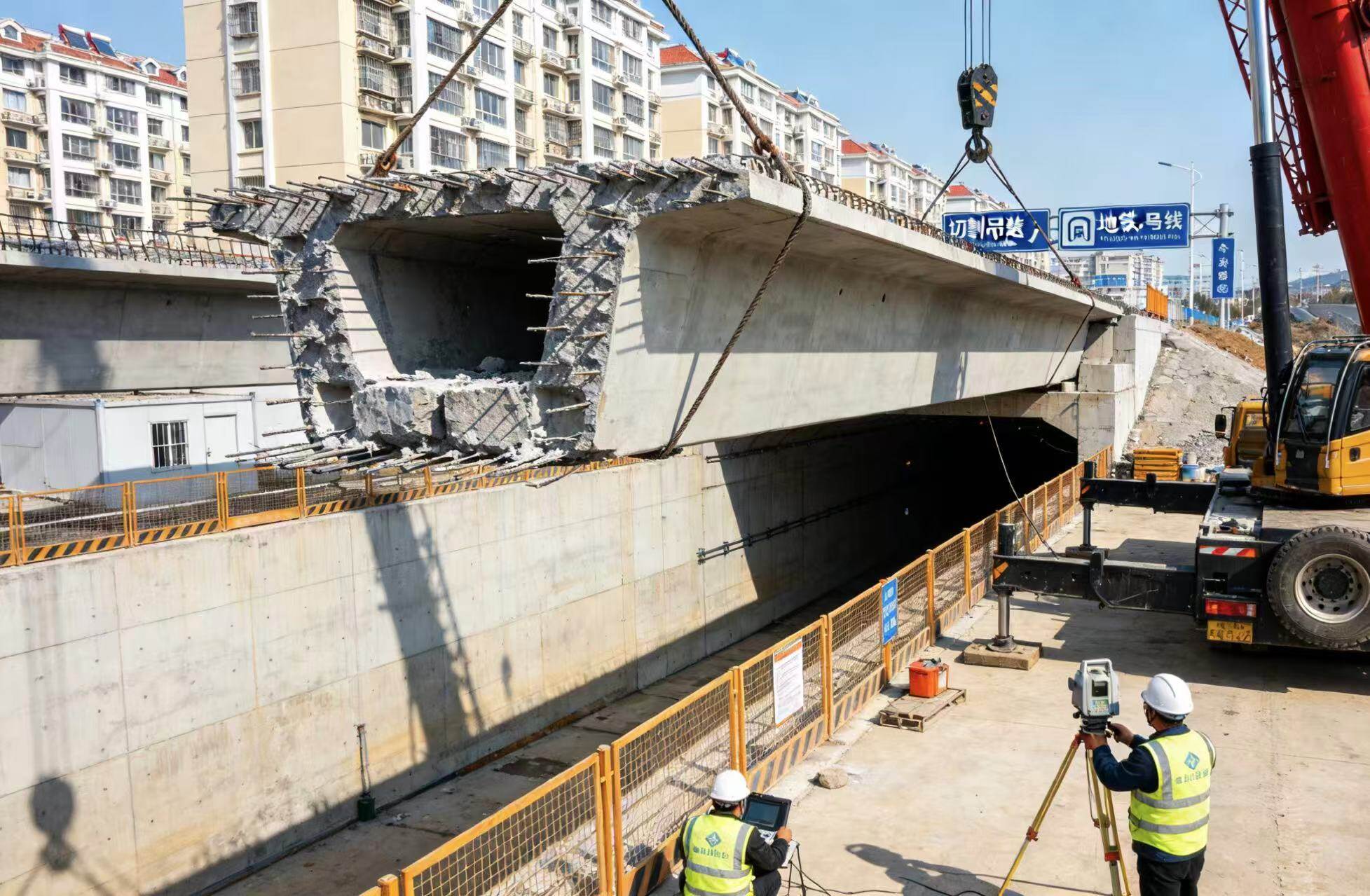
'Construction does not disturb the market' is the core principle of project construction. Faced with the complex environment of densely populated residential areas around Huaren Interchange and the passage of Metro Line 3, the construction team abandoned traditional blasting techniques and adopted the "cutting and hoisting" technology to divide the old bridge into more than 1000 components and transport them out one by one, minimizing noise and vibration. To ensure the travel of citizens, a diversion road will be specially built before construction to ensure that the core sections of Heilongjiang Road and Fuzhou Road always maintain a two-way six lane traffic capacity, and that buses and subways operate normally. At the technical level, the BIM digital platform simulates the entire construction process in advance, avoiding underground pipelines and subway lines; The unmanned aerial vehicle cruise and 24-hour monitoring equipment are linked to build a three-dimensional security prevention and control network, ensuring that engineering quality and residents' lives are balanced.
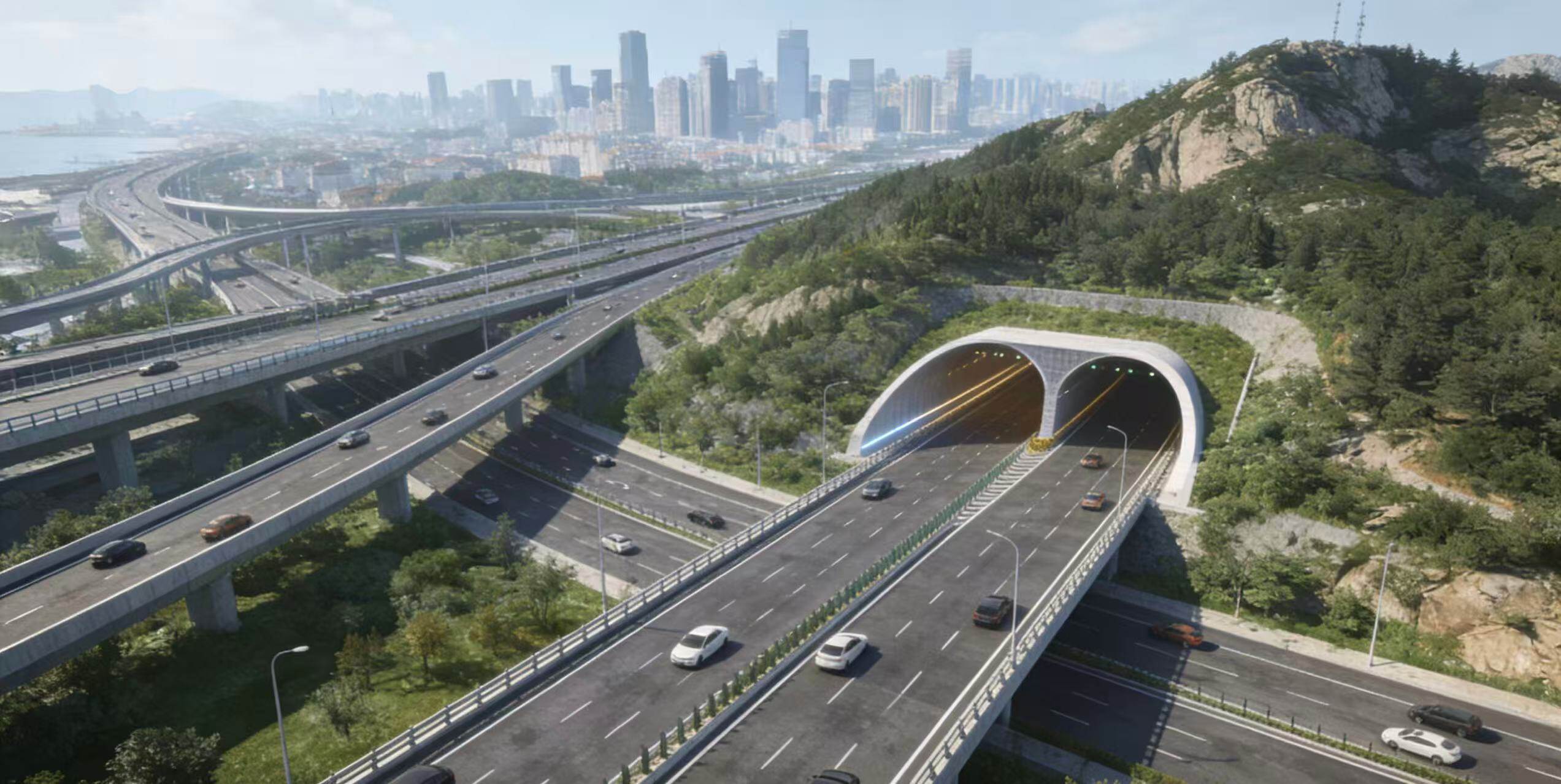
It is reported that the Huaren Interchange and Heilongjiang South Road Bridge are planned to be opened in September 2026, and the overall project will be completed and delivered in April 2027. At that time, the upgraded Sanlu Interchange will achieve rapid interchange in three directions, and the channelization renovation of five intersections on Fuzhou Road will also make traffic microcirculation more smooth. This tunnel that runs through Shuangshan is not only a key link in Qingdao's "seven horizontal and nine vertical multiple connections" road network system, but also writes the livelihood temperature of urban development with the speed of infrastructure construction.Editor/Bian Wenjun
Comment

 Praise
 Collect
 Comment

 Share
Share


Write something~