 Search


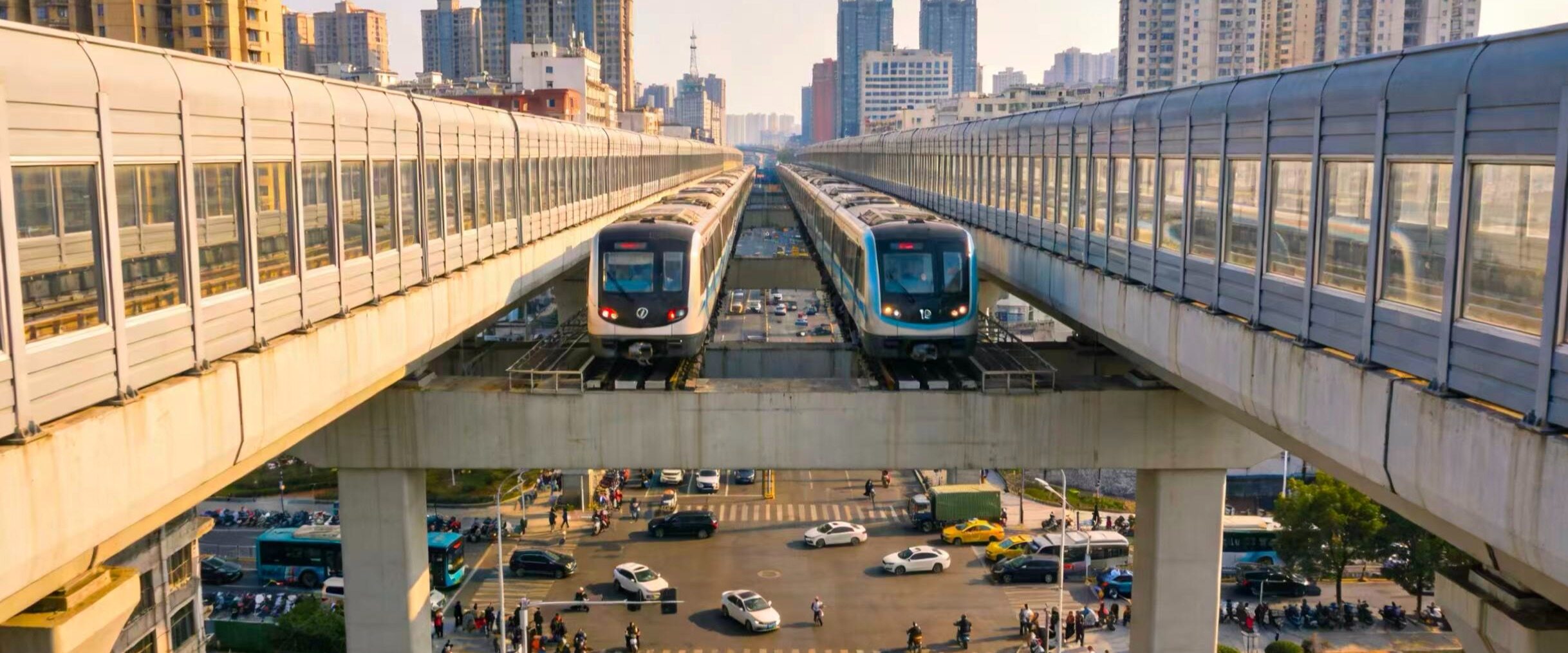
- Beijing has become the only city with a dual ring railway line, thanks to Line 2 and Line 10
- The unique geographical pattern of Wuhan's "two rivers and three towns" determines that its circular subway must possess the characteristics of "large coverage and strong connectivity"
In 2026, China's urban rail transit sector will usher in a milestone breakthrough. The 6th session of the 15th People's Congress of Wuhan officially announced that the longest subway loop in Asia, Wuhan Metro Line 12, will be fully connected this year. This 59.9-kilometer-long "super loop" that connects the "three towns" of Wuhan will not only break the record for the length of domestic loop subways and become the "world's second and Asia's longest" circular rail transit line, but also reshape the urban transportation framework of Wuhan and provide a new model for the planning of loop lines in mega cities across the country. At the same time, the planning of circular subway lines in cities such as Shanghai, Shenzhen, and Tianjin is accelerating, and the era of "interwoven ring network" in China's urban rail transit is fully approaching.
Breaking the record for the Asian Ring Road
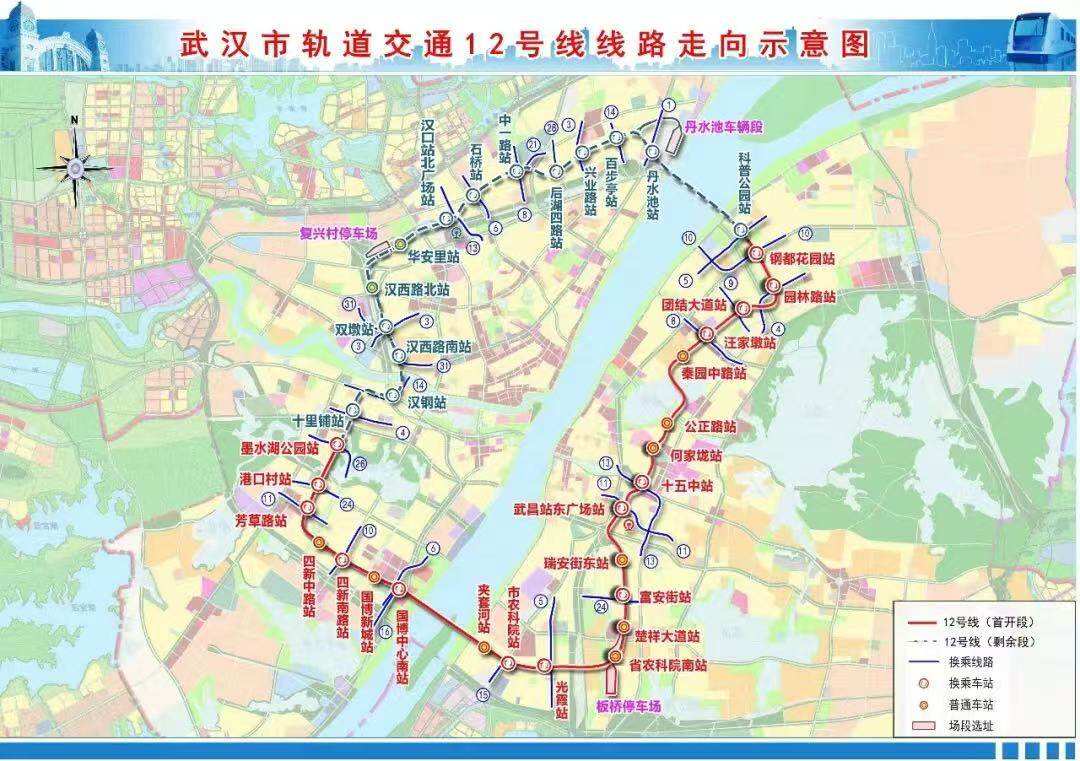
As the only circular line in the "ring+radiation" framework of Wuhan's rail transit network, the construction of Metro Line 12 carries the important mission of breaking down the geographical division of the city. Looking back at the end of 2018, the National Development and Reform Commission officially approved the project to be included in the "Wuhan Urban Rail Transit Phase IV Construction Plan (2019-2024)". The line starts and ends at Wuchang Railway Station, with a total length of 59.9 kilometers, 37 stations, and a total investment of 58.387 billion yuan. After 6 years of construction, the entire line is about to be completed.
Previously, a rail transit pattern of "eight cities and nine ring lines" had been formed in mainland China. Beijing became the only city with a double ring line with Line 2 and Line 10, while the Moscow Metro Grand Ring Line (about 70 kilometers) occupied the world's longest ring line throne. The completion of Wuhan Metro Line 12 will expand the inland circular subway to the "Nine Cities and Ten Circles". Its 59.9-kilometer length not only surpasses Beijing Metro Line 10 (57.1 kilometers), becoming the longest circular line in Asia, but also firmly ranks second in the world, marking a new high in China's urban rail transit construction level.
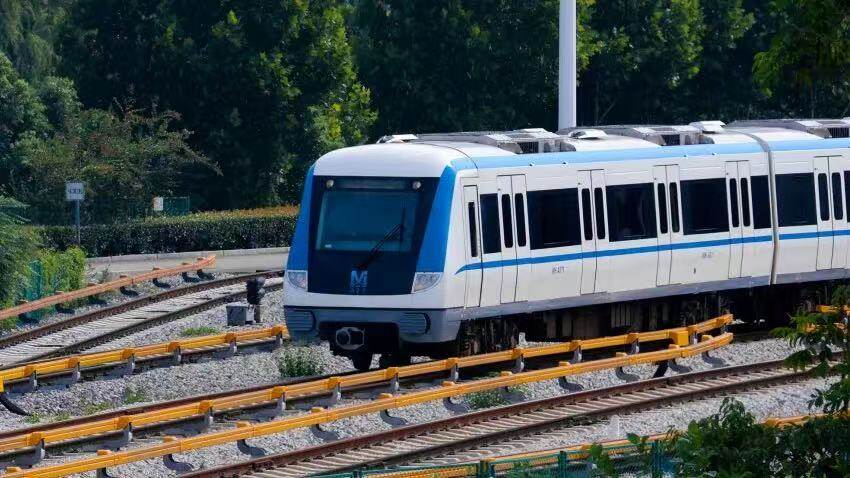
By the end of 2025, Wuhan Metro has opened 518 kilometers of operating lines, ranking among the top in the country. With the addition of Line 12, Wuhan will form a rail network with a "ring network interweaving" in the central urban area. About 70% of the 37 stations are transfer stations, which can seamlessly transfer with 18 rail transit lines, making it the "king of transfer". This layout will greatly enhance the accessibility of the network, effectively alleviate urban traffic congestion through the loop's interception and diversion functions, and provide more efficient choices for citizens' travel.
Wuhan needs a 59.9-kilometer-long ring road
The unique geographical pattern of Wuhan's "two rivers and three towns" determines that its circular subway must possess the characteristics of "large coverage and strong connectivity". The central urban area is naturally divided by the Yangtze River and Han River into seven major regions: Jiang'an, Jianghan, Qiaokou, Hanyang, Wuchang, Qingshan, and Hongshan. The "Overall Plan for Land and Space of Wuhan City (2021-2035)" clearly proposes to build a cross river passenger transportation pattern dominated by rail transit. The Metro Line 12 crosses the Yangtze River twice and the Han River once, becoming a key link connecting the seven central urban areas and fundamentally breaking down the spatial barriers of "three towns standing tall".
From the perspective of functional positioning, this super loop carries multiple missions. The line connects multiple key functional areas such as Sixin Sub Center, Nanhu Sub Center, Huazhong Financial City, Qingshan Binjiang Business District, Erqi Binjiang Business District, Wangjiadun CBD, and is adjacent to a large number of large residential communities. It not only meets the commuting needs of the core business district, but also covers the daily travel scenes of residents, forming a strong passenger flow attraction. As the core function of the circular subway, transfer and diversion are fully reflected in the design of Line 12- through dense transfer with 18 radiating lines, direct connection between different areas is achieved, reducing the number of passenger transfers. At the same time, alternative evacuation channels are provided in case of radiation failures, enhancing the safety and resilience of the entire rail network.
The person in charge of Wuhan Metro Group stated that the construction of Line 12 is not only a transportation project, but also an urban development project. Its sufficiently large coverage area not only adapts to Wuhan's "multi center, clustered" urban spatial structure, but also provides transportation support for the construction of key areas. It will promote the coordinated development of the central urban area and sub centers, accelerate the optimization of urban resources, and inject strong impetus into Wuhan's construction as a national central city.
The national ring road craze is on the rise
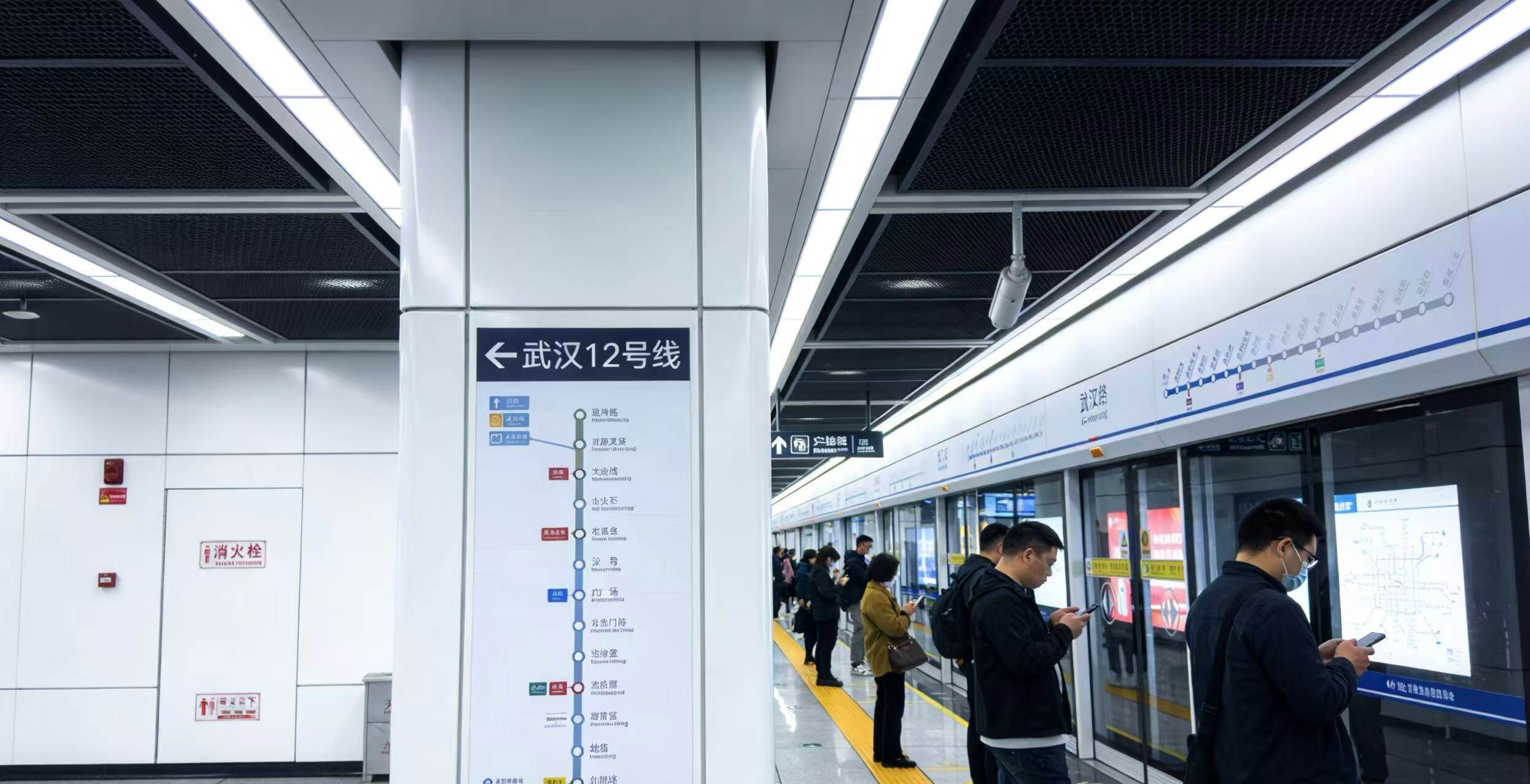
The upcoming completion of Wuhan Line 12 marks the beginning of the upgrade of the circular subway system in mega cities across the country. At present, many places have clearly defined the "ring line layout" in their rail transit planning, and a construction competition around the "super ring line" is underway.
The most highly anticipated is the planning of Shanghai's Second Ring Road. As the city with the longest domestic rail transit mileage, Shanghai currently only has one circular line (Line 4), which has a relatively small coverage area, resulting in a lack of direct connections between sub centers such as Jiangwan/Wujiaochang, Jinqiao, Zhangjiang, etc., and insufficient network security resilience. In 2025, the executive meeting of the Shanghai Municipal Government agreed in principle to the "Shanghai Rail Transit Network Plan (2025-2035)", proposing to optimize and form a network structure of "forming a ring and a network, with multiple projections and connections". In December of the same year, the Shanghai Government Procurement Network released the "Public Bidding Announcement for the Special Planning of the Central Ring Road and Along the Line Areas of Rail Transit", marking the substantial promotion stage of the construction of the Second Ring Road in Shanghai. According to the relevant planning diagram, the length of this new loop may be several times that of the existing Line 4, and it is expected to become a new benchmark for future "super loops".
Shenzhen is also accelerating its layout of circular lines, and the Shenzhen Metro Line 15, expected to be completed in 2028, will become the 11th circular subway line in mainland China. The total length of this line is 32.2 kilometers, with 24 stations. It is the first circular line connecting Qianhai, Nanshan, and Bao'an central areas, and will fill the gap in circular rail transit in the western core area of Shenzhen. In addition, the Tianjin Planning and Natural Resources Bureau clarified in response to netizens' suggestions that Binhai New Area will build a "central ring+radiating" urban rail network, and is currently carrying out a new round of rail transit network planning, with the possibility of adding an important ring road in the future.
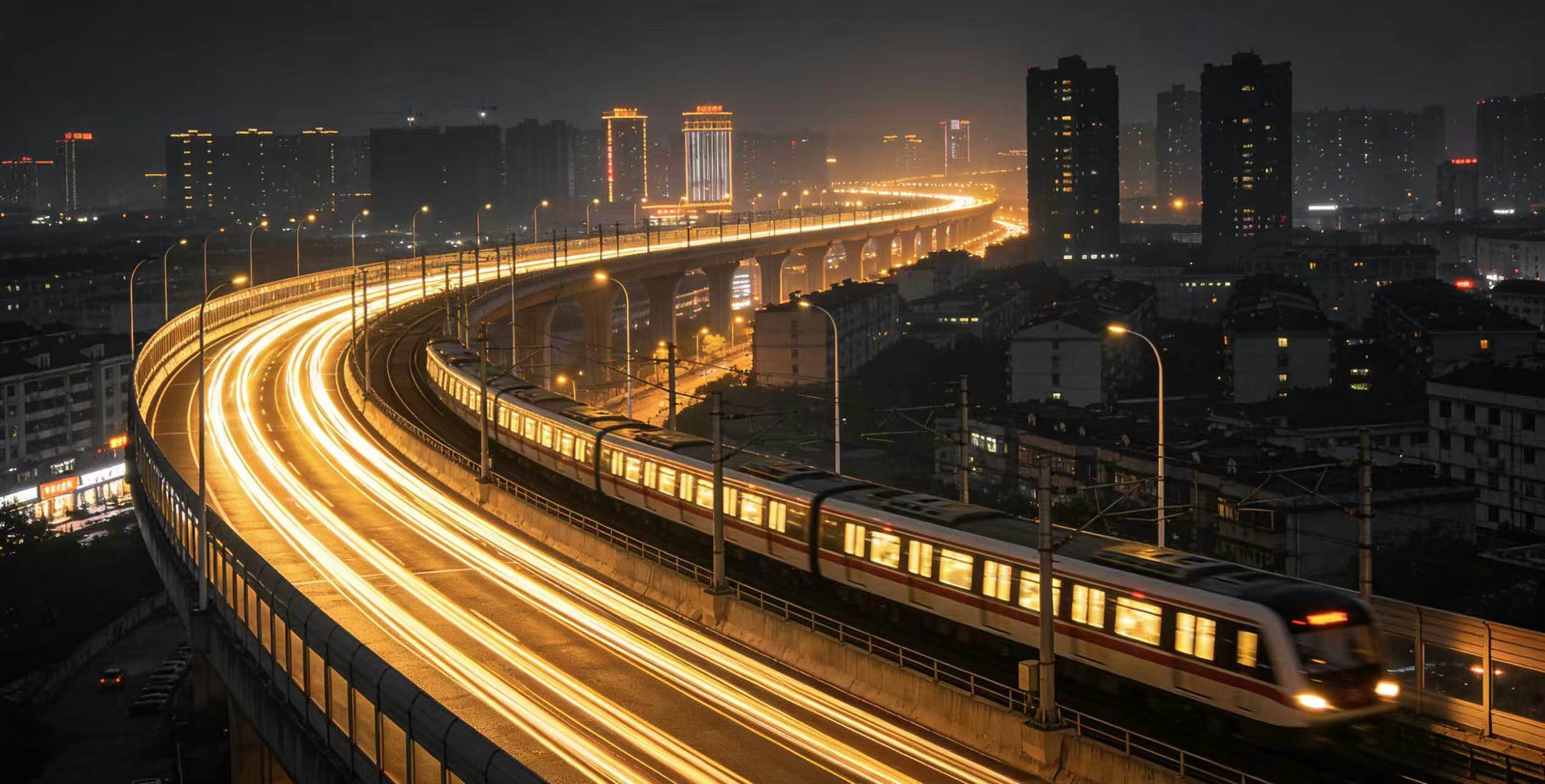
From the "Eight Cities and Nine Ring Roads" to the "Nine Cities and Ten Ring Roads", and then to the super ring roads planned in many places, China's urban rail transit is transforming from "radiating dominance" to "interwoven ring networks". The circular subway is not only a powerful tool to alleviate traffic congestion, but also an important support for optimizing urban spatial structure and promoting regional linkage development. With the first landing of Wuhan Metro Line 12, a circular revolution related to urban efficiency and quality is unfolding comprehensively in China's mega cities.Editor/Bian Wenjun
Comment

 Praise
 Collect
 Comment

 Share
Share


Write something~