 Search


- The first batch of zero carbon park pilot projects in China has officially started construction in Baotou, Inner Mongolia
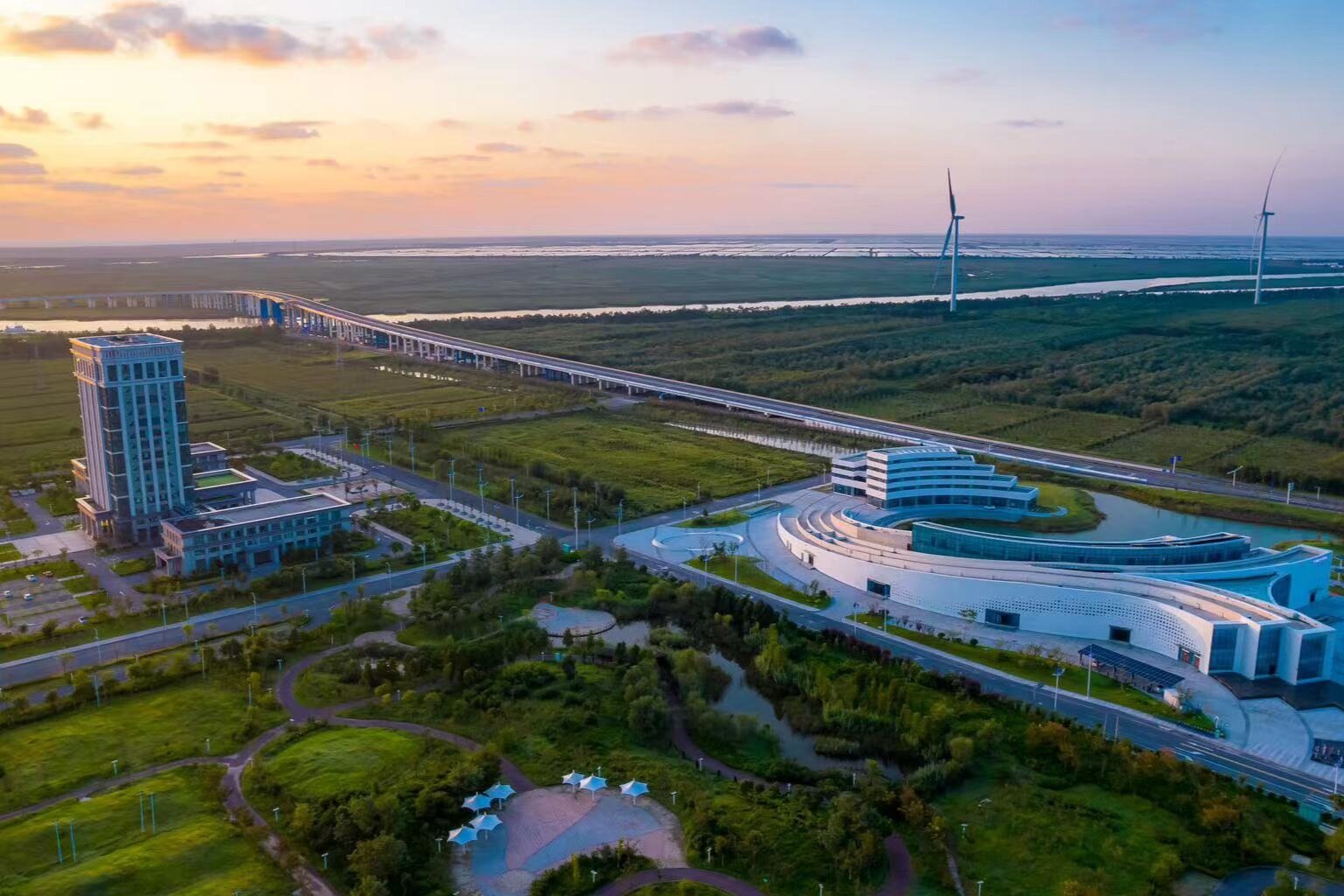
On January 20, 2026, with the official launch of the construction of the Baotou Rare Earth High tech Zone National Zero Carbon Park, the first batch of zero carbon park pilot projects in the country entered the construction stage from the blueprint. In just six months, from national top-level design to local specific plans, and then to project groundbreaking, China is promoting the transformation of its industrial system towards green and low-carbon at an unprecedented speed. This is not only a strategic measure to address climate change, but also a crucial step in reshaping the future industrial competition landscape.
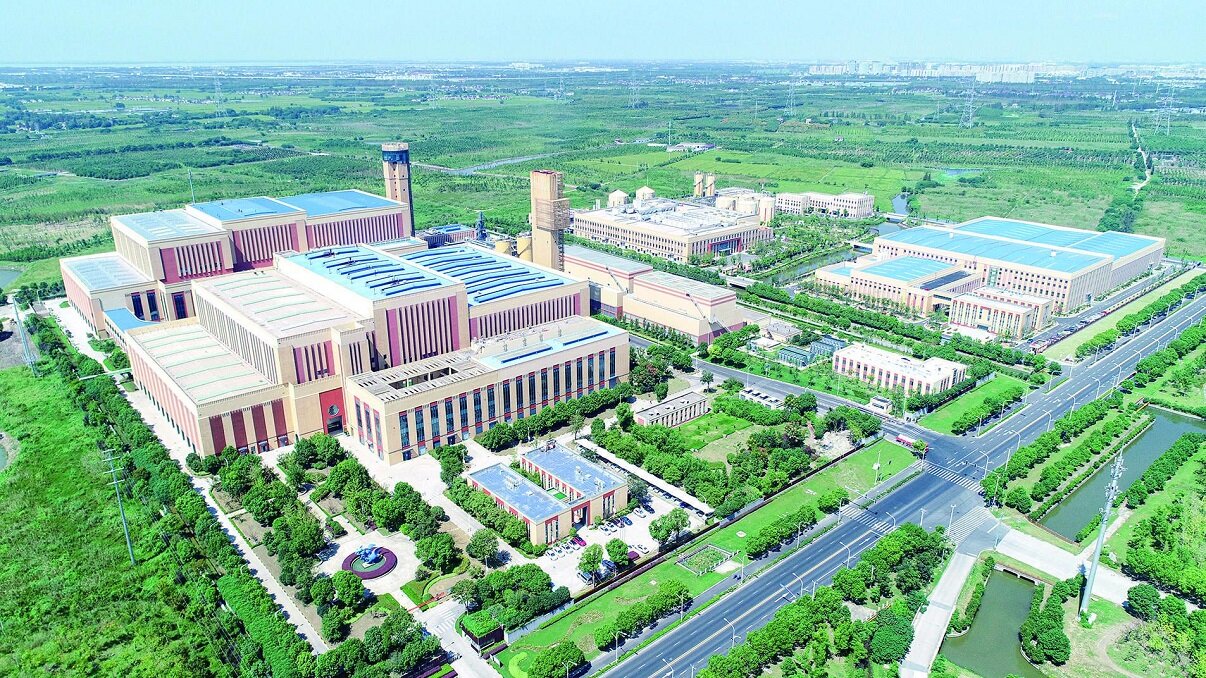
Complete the transition from design drawings to construction drawings within six months
The national horn for the construction of zero carbon parks will be sounded in mid-2025. The National Development and Reform Commission, Ministry of Industry and Information Technology, and National Energy Administration jointly issued the "Notice on Carrying out the Construction of Zero Carbon Parks", which clarifies eight key tasks. Just over a month later, Inner Mongolia Autonomous Region took the lead in issuing the "Inner Mongolia Autonomous Region Zero Carbon Park Cultivation and Construction Plan", refining the national blueprint into actionable local construction drawings. According to the plan, the application will be launched in 2025, the construction will be fully launched from 2026 to 2028, and more parks will be upgraded to national pilot projects by 2030, forming a clear three-step implementation path.
Practice of Green Transformation in Old Industrial Bases
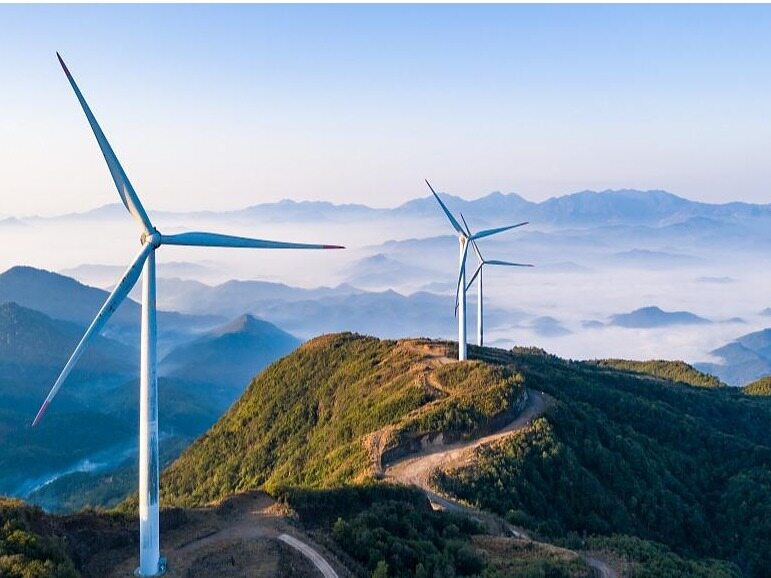
The launch of the zero carbon park in Baotou Rare Earth High tech Zone on January 17, 2026 is of landmark significance. The selection of this traditional heavy industry city as the first pilot reflects a strategic consideration of breaking through from the most difficult point. The park will rely on Baotou's abundant green energy resources and the foundation of coordinated development of source, grid, load, and storage, focusing on green power direct connection, new energy development, new power system construction, and hydrogen energy demonstration. This transformation is not simply the construction of new areas, but a systematic green reshaping of the existing massive industrial system, and its experience has important reference value for industrial cities across the country. Keywords: Latest News and Reports from Social Reviews
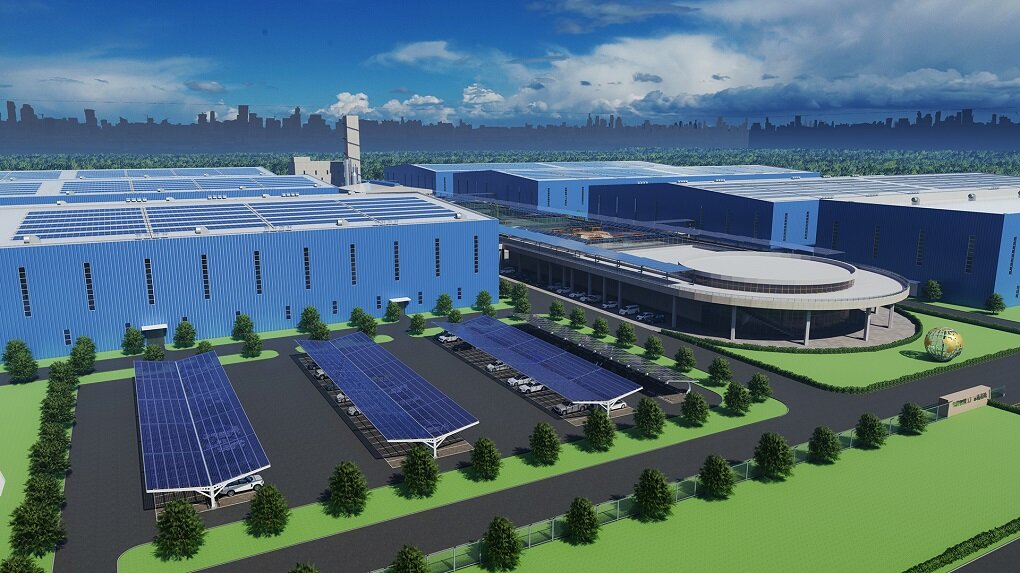
Building scientific quantitative evaluation and management capabilities
This zero carbon park construction innovatively introduces the core indicator of carbon emissions per unit energy consumption, which is the amount of carbon dioxide emitted per ton of standard coal consumed in the park. This transformative indicator no longer simply limits the total energy consumption, but achieves emission reduction through optimizing the energy structure and improving technological efficiency. A scientific evaluation system has been formed in conjunction with guiding indicators such as the proportion of clean energy consumption and the comprehensive utilization rate of industrial solid waste. At the same time, the park needs to build a system capability platform that covers planning, operation, service, and financing, including the planning capability to integrate carbon emission maps into overall design, the operational capability to establish a digital carbon management platform, the empowerment capability to provide carbon accounting certification and other services, and the financing capability to connect with green finance, truly realizing the transformation from landlords to sustainable development service providers.Editor/Gao Xue
Comment



 Praise
 Collect
 Comment

 Share
Share


Write something~