 Search


- Behind these massive numbers, a profound transformation is unfolding regarding energy security and green transformation
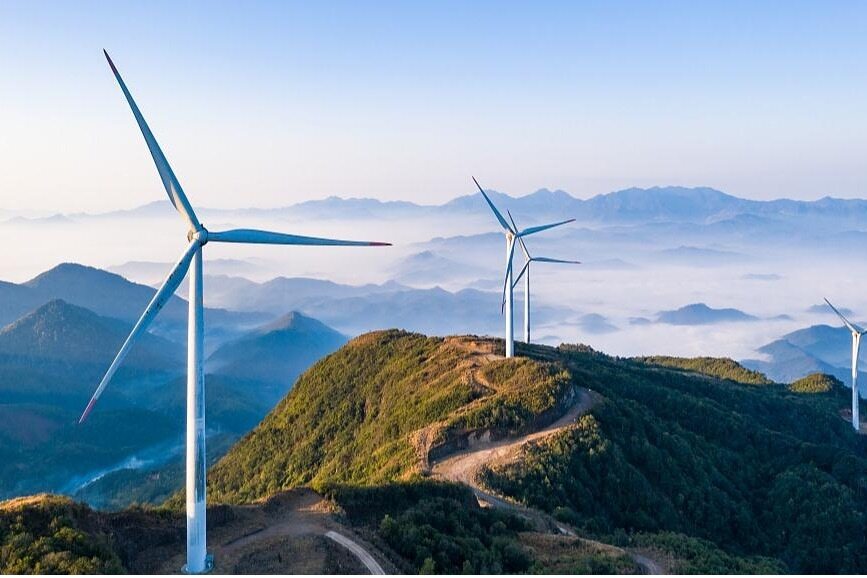
According to data released by the National Energy Administration today, China's total electricity consumption will exceed 10 trillion kilowatt hours for the first time in 2025. This figure not only ranks first in the world, but also exceeds the sum of the United States, the European Union, Russia, India, and Japan. Behind these massive numbers, a profound transformation is unfolding regarding energy security and green transformation.
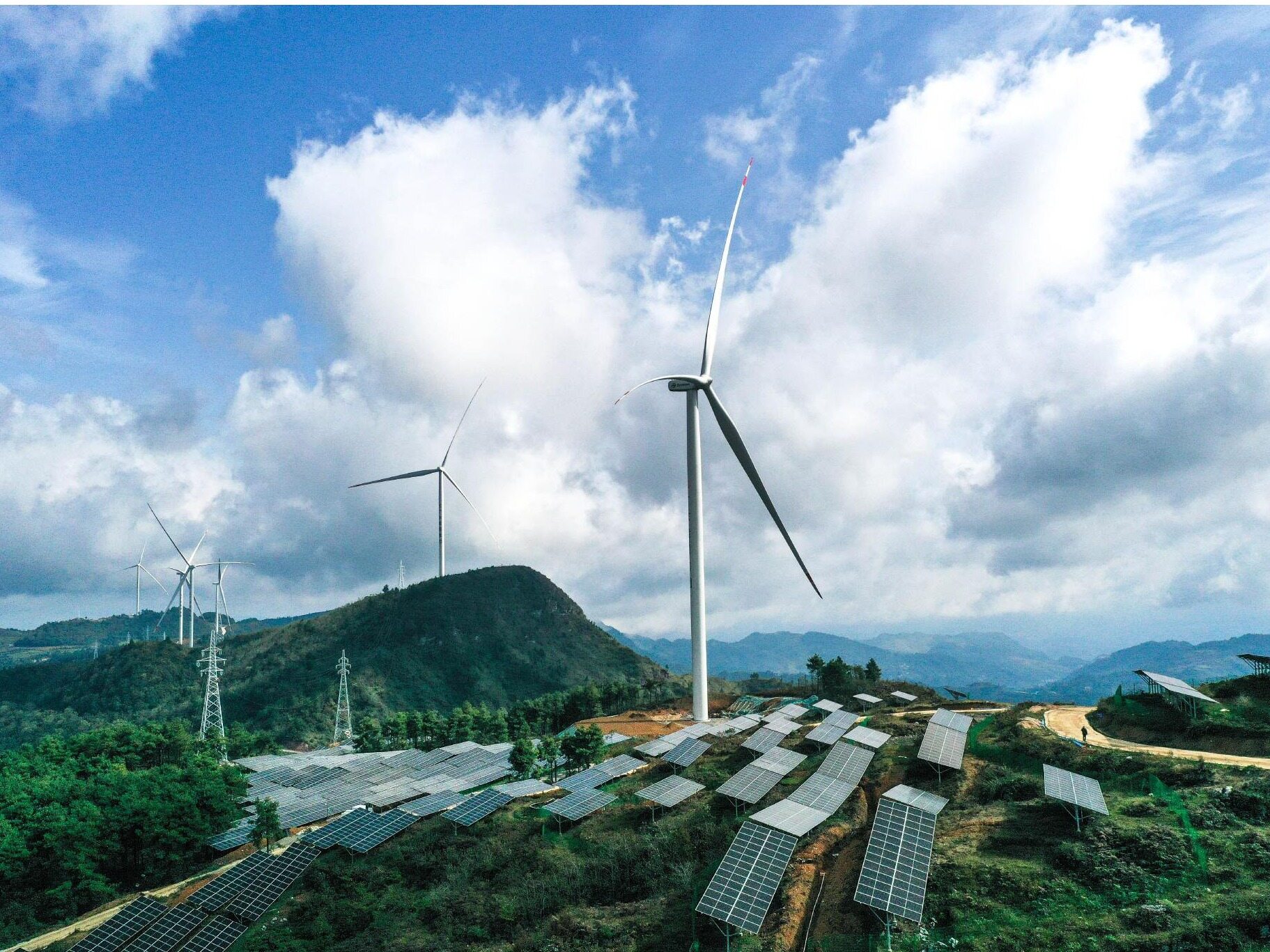
On the Gobi Desert in Zhangye, Gansu, huge wind turbine blades slowly rotate, converting wind energy into clean electricity, which is transmitted to eastern cities thousands of miles away through ultra-high voltage lines. This scene vividly depicts the transformation of China's power system from a "world factory" to a "green engine". In 2025, China's total electricity consumption will exceed 10 trillion kilowatt hours for the first time, not only ranking first in the world, but also surpassing the sum of the United States, the European Union, Russia, India, and Japan.
Hold the rice bowl firmly in your own hands
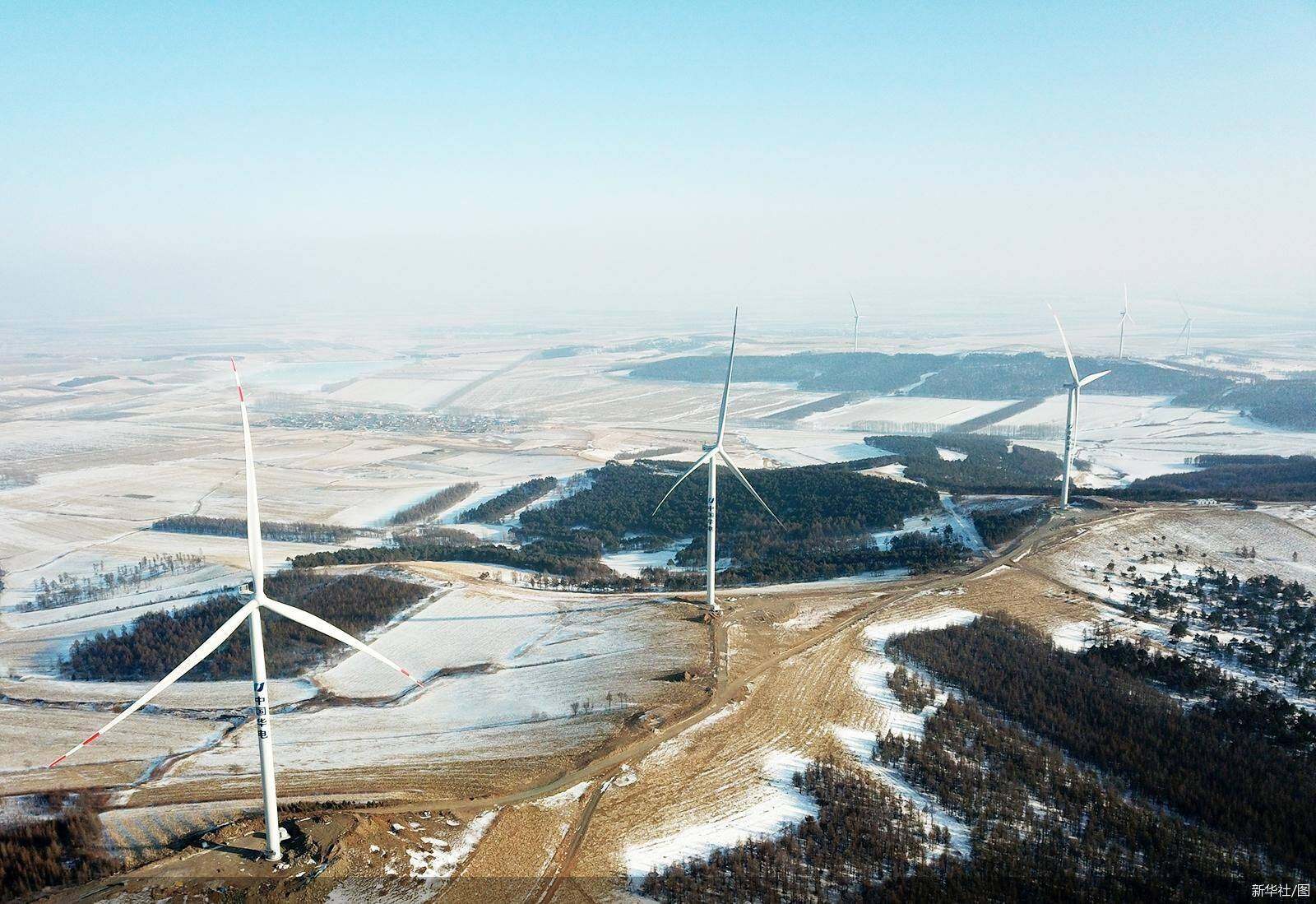
Unlike oil and natural gas, which are highly dependent on imports, China's power supply exhibits strong autonomy and controllability. By 2025, China's industrial power generation above designated size will reach 9.7 trillion kilowatt hours, a year-on-year increase of 2.2%. Although thermal power generation has slightly decreased, hydropower, nuclear power, wind power, and solar power have all maintained strong growth, and the proportion of clean energy generation has increased to 35.2%.
Although China is the world's largest producer of electricity, it will still import approximately 2.933 billion kilowatt hours of electricity by 2025. This is not due to power shortages, but a rational choice based on economic optimization. For example, the price of water and electricity imported from Myanmar is only 0.19 yuan/kWh, far lower than the cost of long-distance domestic transmission, mainly used for supplementary supply in border areas.
China's electricity trade shows a significant surplus pattern. In 2025, the export electricity will be 7.9 times that of imports, and the income will be 18.6 times that of import expenditures. This' buy low and sell high 'model not only ensures energy security, but also maximizes economic benefits.
The green background is becoming increasingly vivid
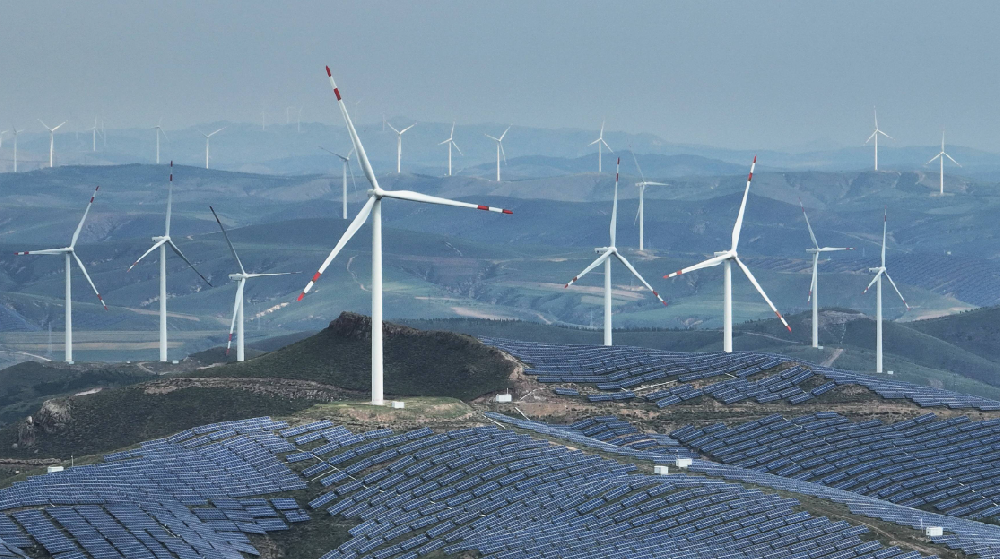
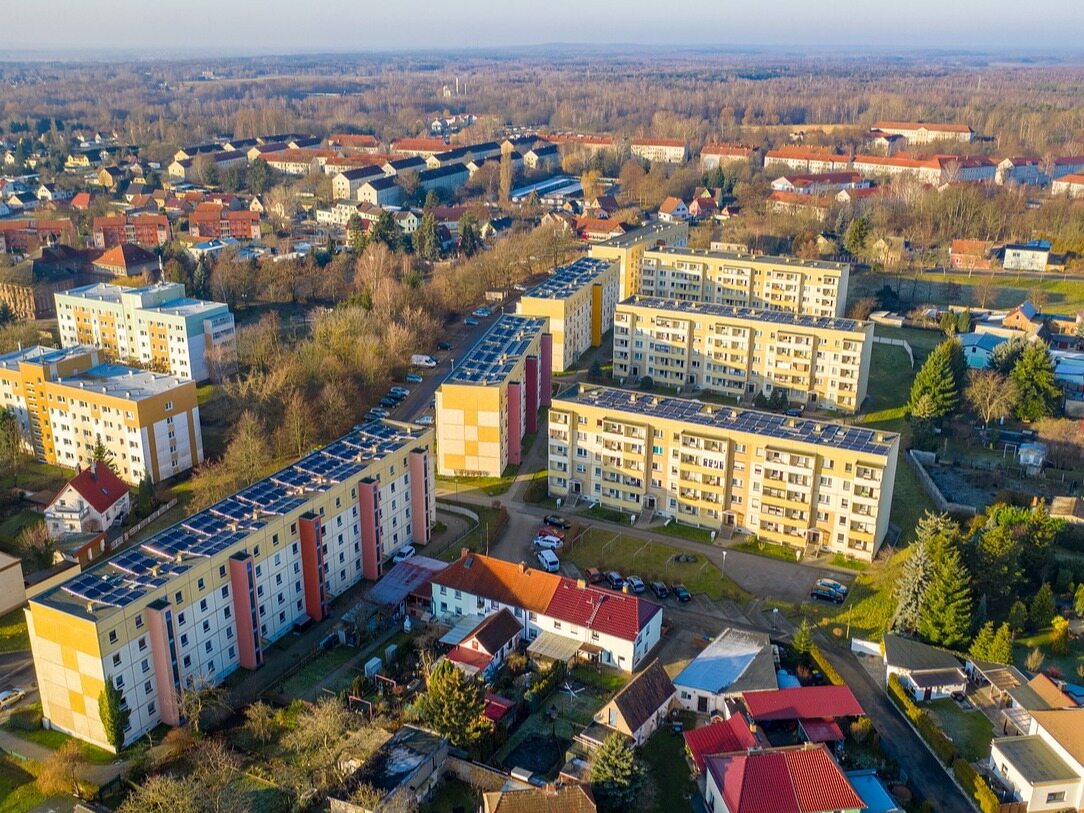
China's power structure is undergoing a historic restructuring, and green energy is moving from a supporting role to a leading role. By the end of 2025, the cumulative grid connected installed capacity of wind and photovoltaic power in China will reach 1.84 billion kilowatts, surpassing thermal power in history and accounting for 47%. The proportion of total installed renewable energy has exceeded 60%, becoming the absolute mainstay of power supply.
By 2025, renewable energy generation will reach 3.99 trillion kilowatt hours, accounting for 38.5% of the total electricity consumption in society. Among them, the total amount of wind and solar power generation is 2.3 trillion kilowatt hours, accounting for about 22% of the total electricity consumption in society. Clean energy is accelerating the replacement of traditional fossil fuels.
To cope with the volatility of new energy's dependence on the weather, China's new energy storage installed capacity has exceeded 130 million kilowatts, accounting for over 40% of the world's total installed capacity. These 'super power banks' effectively enhance the stability of the power grid and the ability to absorb green electricity.
Building a new type of power system
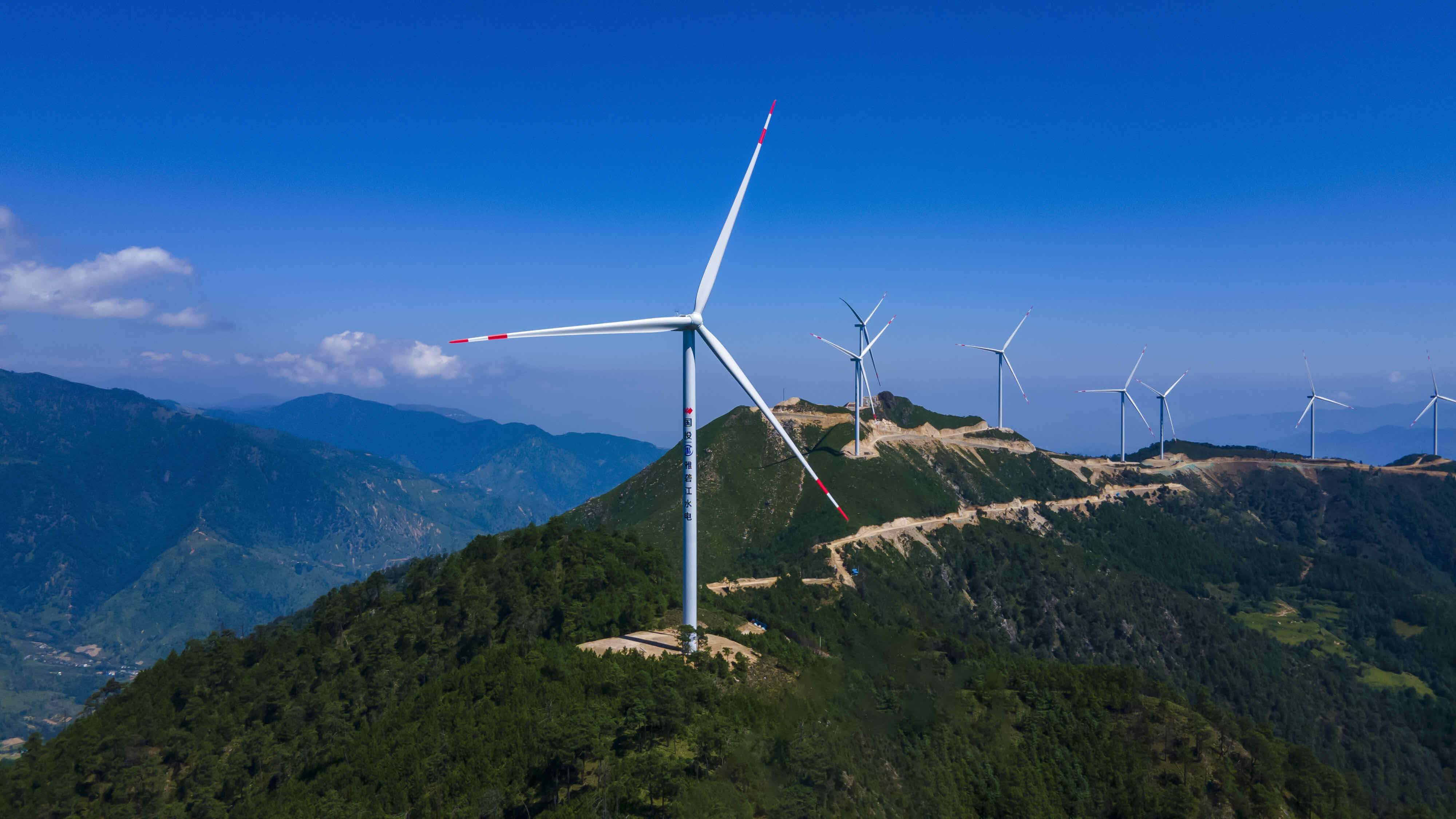
With the launch of the 15th Five Year Plan, the development direction of China's power energy has become clearer. The government work report proposes that by the end of the 15th Five Year Plan, the cumulative reduction of carbon dioxide emissions per unit of GDP will be 17%. This means that the power industry will continue to undergo a deep transformation towards low carbonization and zero carbonization.
The goal is to achieve a comprehensive energy production capacity of 5.8 billion tons of standard coal, which will further strengthen the foundation of energy security and ensure the stability and reliability of power supply. The average annual growth rate of R&D funding in the whole society is over 7%, with a focus on future industries such as hydrogen energy, green fuels, and computing power collaboration, promoting the deep integration of energy and electricity with cutting-edge technologies such as artificial intelligence and quantum technology.
From relying on coal to embracing beauty, from self-sufficiency to global trade, China's electricity is supporting sustainable economic and social development through a profound green revolution. This is not only related to energy security, but also to our common blue sky and white clouds.Editor/Yang Meiling
Comment


 Praise
 Collect
 Comment

 Share
Share


Write something~