 Search


- The artillery fire in the Strait of Hormuz is becoming the cruelest catalyst for the global energy transition

When international oil prices broke through $120, China maintained rare strategic composure in this storm with its strategic reserves of 1.4 billion barrels and 6% dependence on Middle Eastern natural gas.
1.4 billion barrels of reserves and 6% confidence
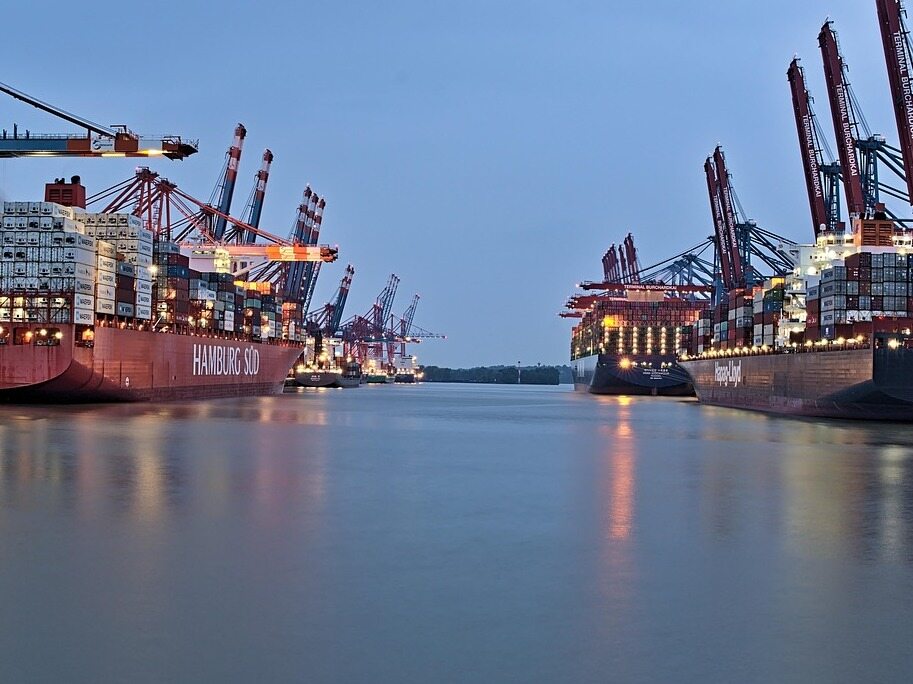
The artillery fire in the Strait of Hormuz instantly tensed the nerves of the global energy market. International oil prices once soared to around $120 per barrel, and European natural gas futures prices surged by over two-thirds last week. However, in sharp contrast to the anxiety in the West, China appears unusually calm.
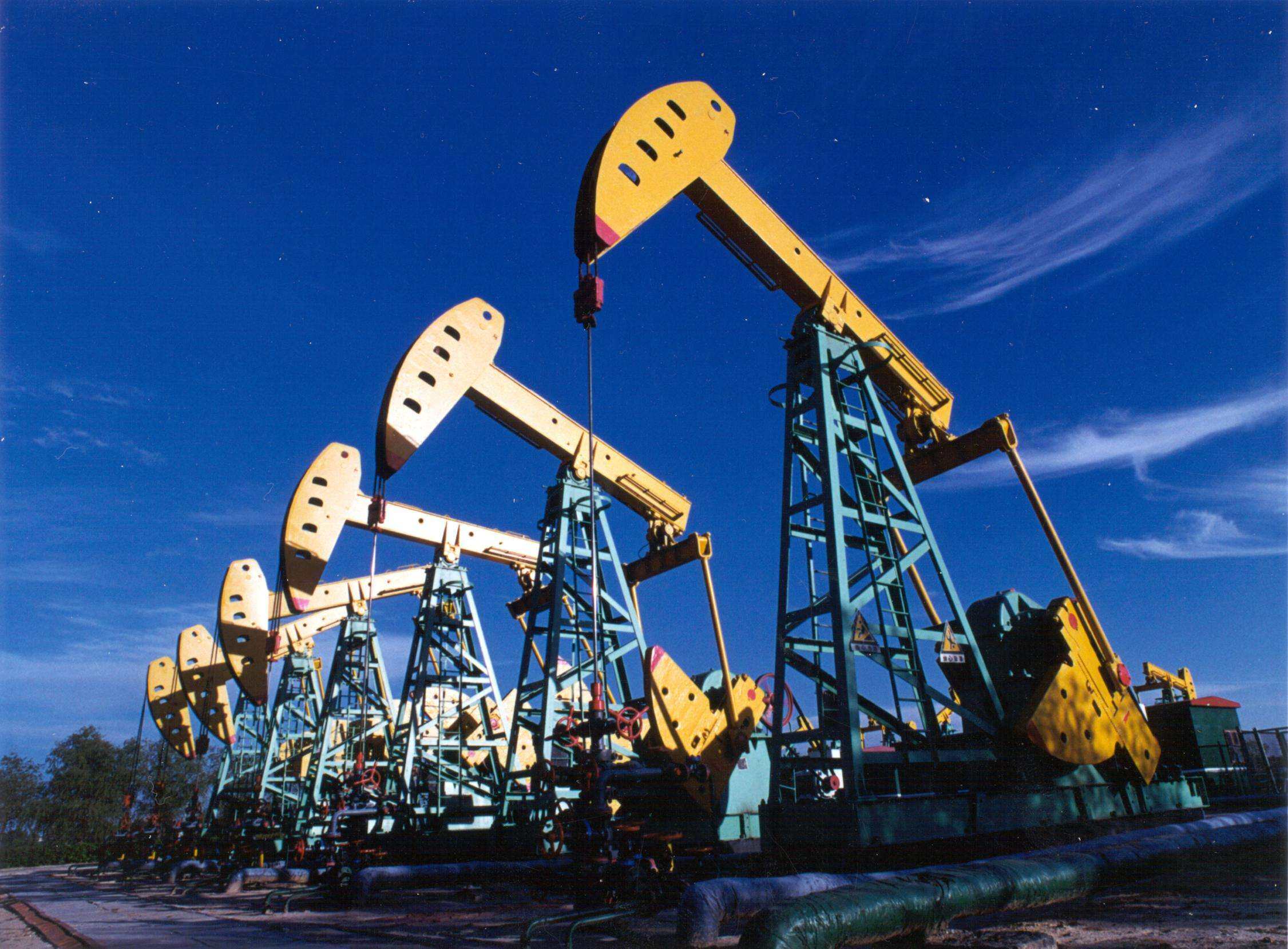
This composure stems from a heavy 'family background'. Bloomberg reported on March 9th that Erica Downs, a senior researcher at Columbia University's Center for Global Energy Policy, pointed out that China's strategic reserves contain about 1.4 billion barrels of crude oil. Even if all crude oil imports from the Middle East are completely cut off, these inventories are enough to make up for about six months of supply gap.
China has been continuously building and enriching its strategic oil reserves in the past 20 years, precisely to cope with times like now, "Tang Si said in an interview with Bloomberg TV.
In terms of natural gas, although its storage capacity is not as good as crude oil, only about 6% of China's supply comes from the Middle East. The steady growth of domestic production, as well as pipeline gas imports from Russia and Central Asia, have jointly constructed a diversified supply pattern, greatly reducing the risk of being affected by turbulence in a single region.

The accelerator key to electrification and clean energy
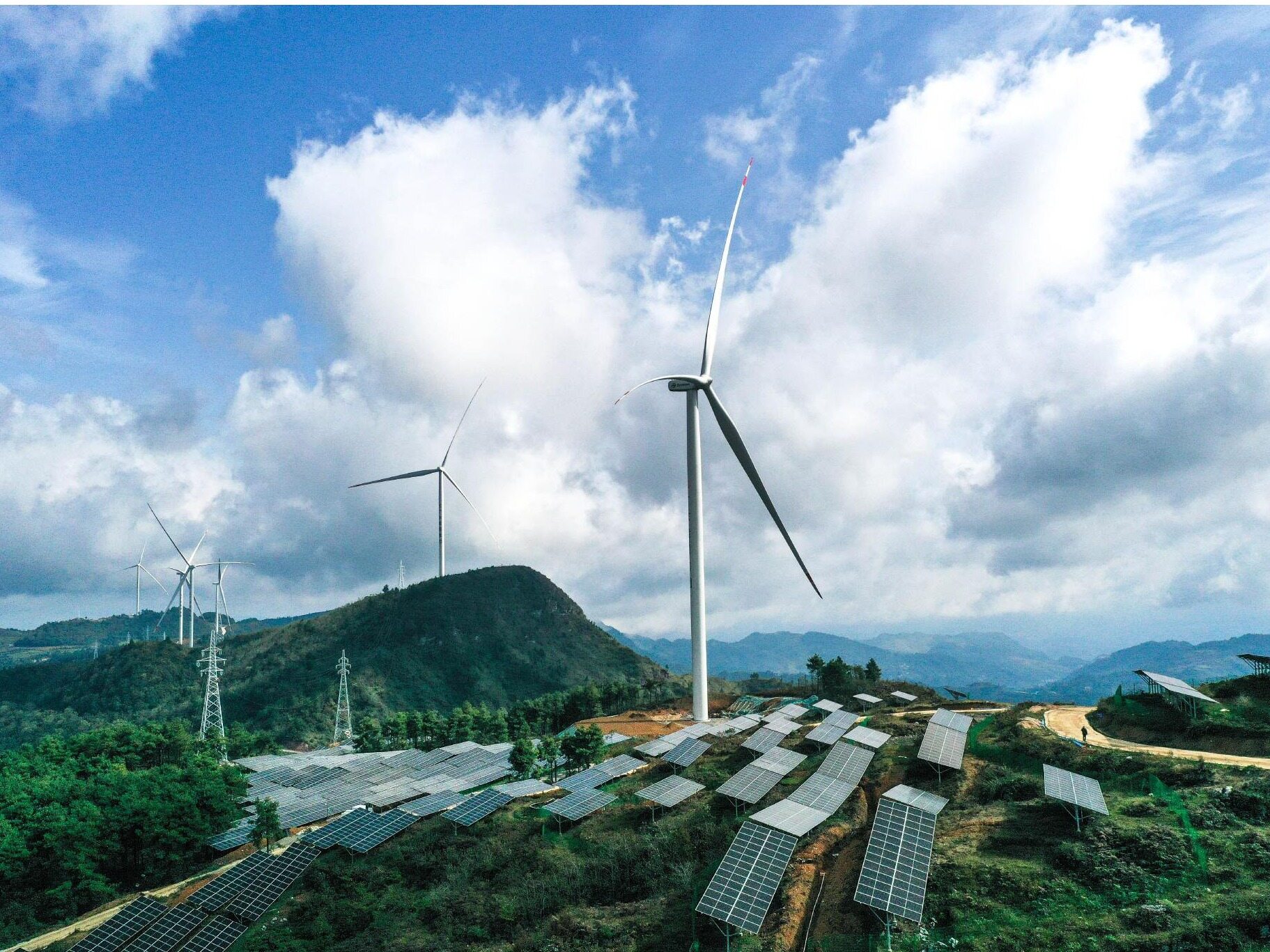
The turmoil in the Middle East, while bringing challenges, may also unexpectedly become a catalyst for accelerating transformation. Tang Si pointed out that China is promoting more industries to shift from oil to electricity, and electricity can be produced based on domestic coal, hydropower, wind power, and solar energy.
I wouldn't be surprised if the turbulence in the Middle East situation prompts China to make greater efforts and courage in promoting clean energy transformation and continuing to advance comprehensive electrification, "said Towns.
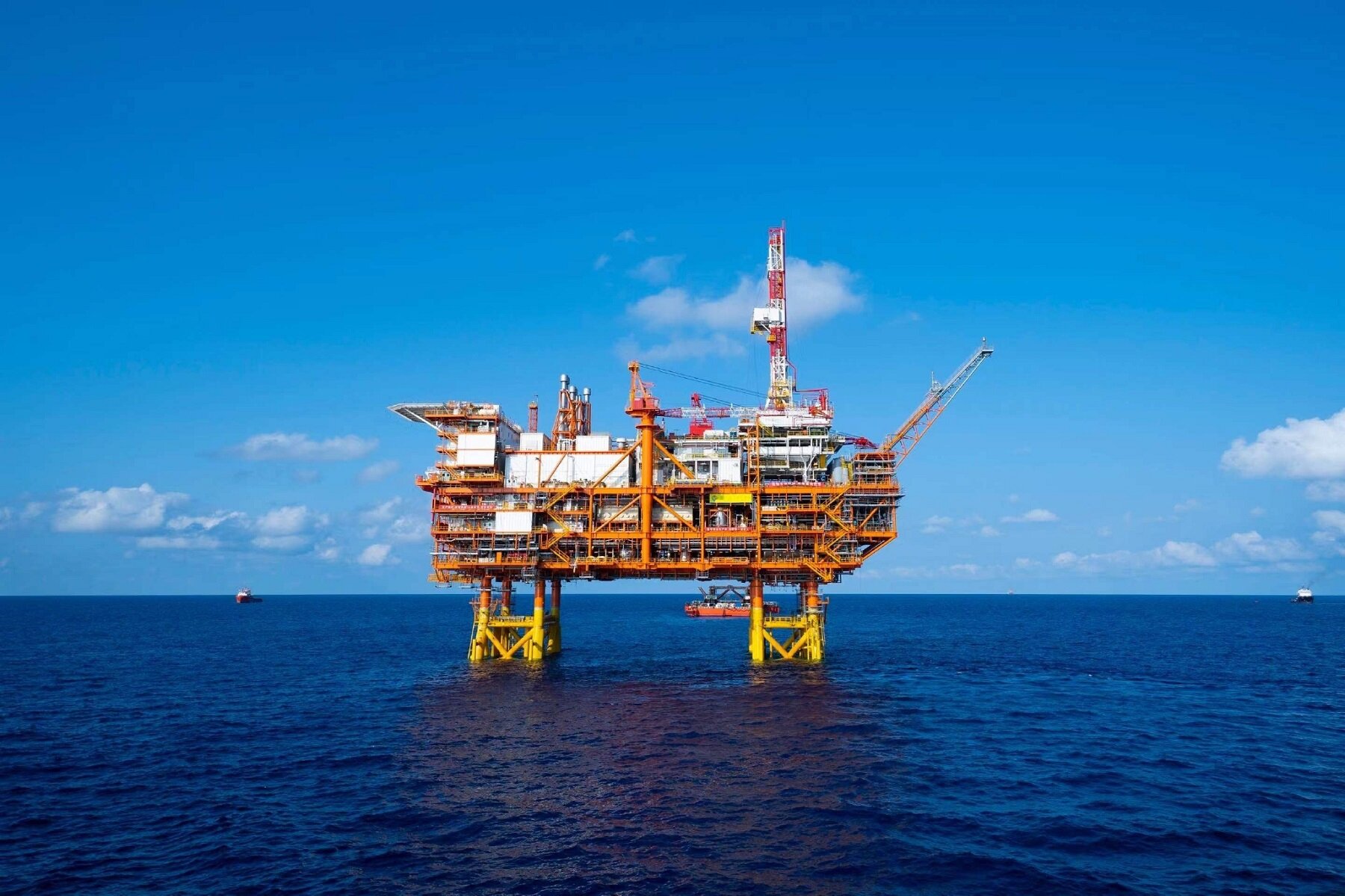
In fact, China is making a big move beyond the traditional energy game. While others are still struggling to compete for oil, China has already set its sights on a more sustainable future. This forward-looking approach is a reflection of the strategic determination of a great power.
The New Balance of Energy Structure in 2040
Despite the acceleration of transformation, oil and gas will still play an important role in the medium term. The China Petroleum Economic and Technological Research Institute predicts that the peak of China's oil demand is expected to occur in 2040, which is 10 years later than last year's forecast of 2030.

According to a report by AI Telegram in the financial industry, the China Petroleum Institute stated that by 2035, China's demand for fossil fuels will reach 12.7 billion tons of standard oil equivalent, an increase of 400 million tons from 2025. The peak demand for oil is expected to occur in 2040, while last year's forecast was for 2030, and the peak level will be higher than previously predicted.
This adjustment reflects China's practical consideration of seeking a balance between energy security and transformation. While ensuring energy supply, China is gradually reducing its dependence on fossil fuels and building a safer, cleaner, and more efficient energy system by vigorously developing renewable energy sources such as wind power and photovoltaics.Editor/Yang Meiling
Comment



 Praise
 Collect
 Comment

 Share
Share


Write something~