 Search


- Three key keywords: coal transportation from Xinjiang, cold chain sinking, and low altitude takeoff, outline a new picture
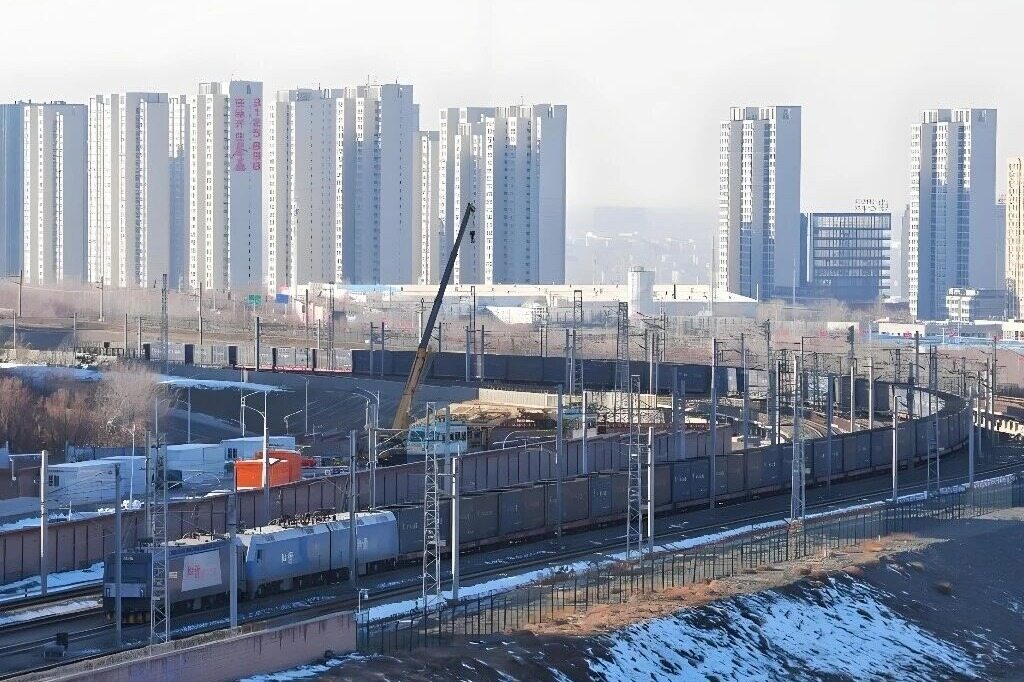
As the starting year of the 15th Five Year Plan, 2026 marks a critical turning point for the logistics industry. Looking back at the 14th Five Year Plan, the logistics system in the western region has undergone structural changes and a leap in energy levels. The infrastructure network centered on the western land sea new channel and national logistics hub has basically taken shape. Breakthroughs have been made in areas such as "coal transportation from Xinjiang", multimodal transport, and e-commerce cold chain, and new quality productivity such as digitization and low altitude logistics have accelerated their penetration. At the same time, challenges such as uneven regional development, technological bottlenecks, and inconsistent facility standards remain unresolved. In the future, we need to focus on greening, networking, intelligence, and globalization, strengthen strategic positioning, and serve the "dual circulation" pattern.
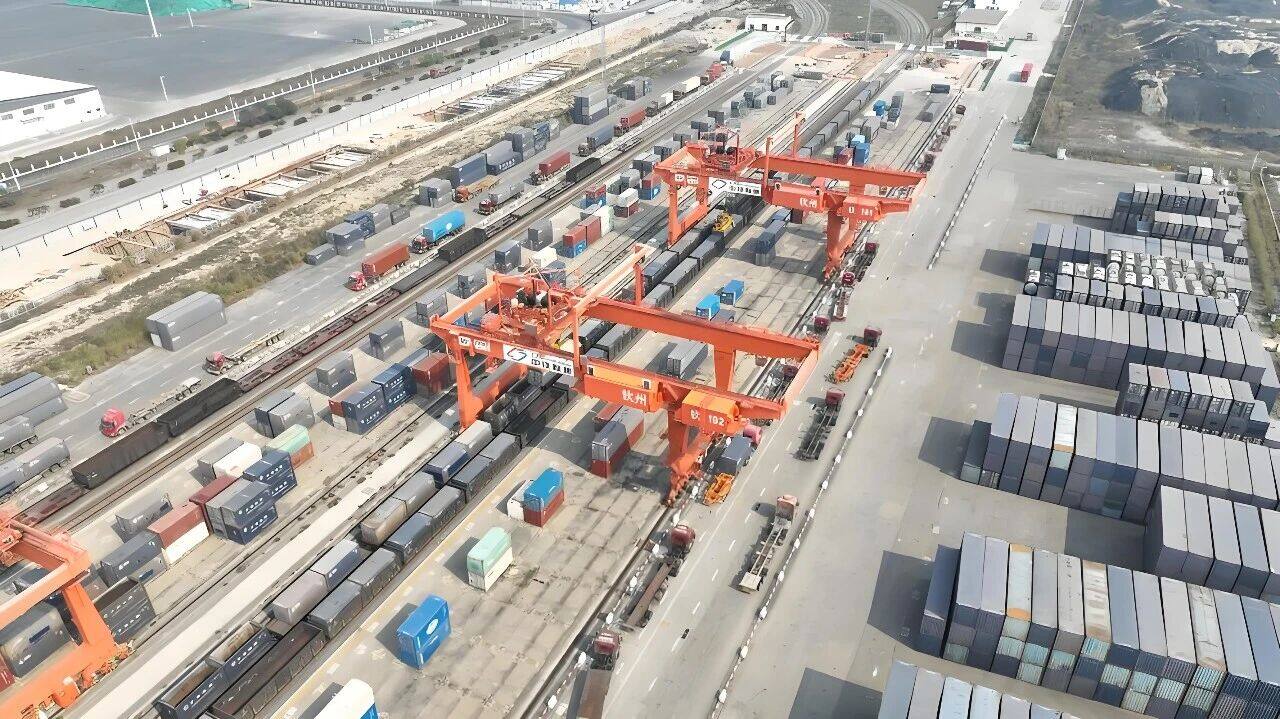
Strategic Channels and National Hub Infrastructure Architecture Industrial Pattern
In 2026, the strategic position of western logistics will achieve a fundamental leap, transforming from a single "transit channel" to a three-dimensional "network hub". After years of construction, the Western Land Sea New Corridor will focus on "ecological" development and upgrade to a "logistics+industry" ecosystem in 2026. It will form an integrated pattern of "transportation, trade, and industry" around provinces such as Sichuan, Chongqing, Guangxi, Yunnan, and Guizhou, and achieve deep binding between logistics and regional advantageous industries.
The radiation level of the three major national logistics hubs in Chengdu, Chongqing, and Xi'an continues to improve. The logistics coordination of the Chengdu Chongqing dual city economic circle has accelerated, and the "dual hub" linkage between the two airports has formed a freight network covering Europe, North America, and Southeast Asia. The China Europe freight train (Chengdu Chongqing) has consolidated its leading position; Xi'an relies on the International Port Area and the third phase expansion of Xianyang Airport to improve the "land air internal and external linkage" pattern and become an important inland commodity distribution center.
Innovation driven efficiency revolution in bulk logistics and multimodal transport models
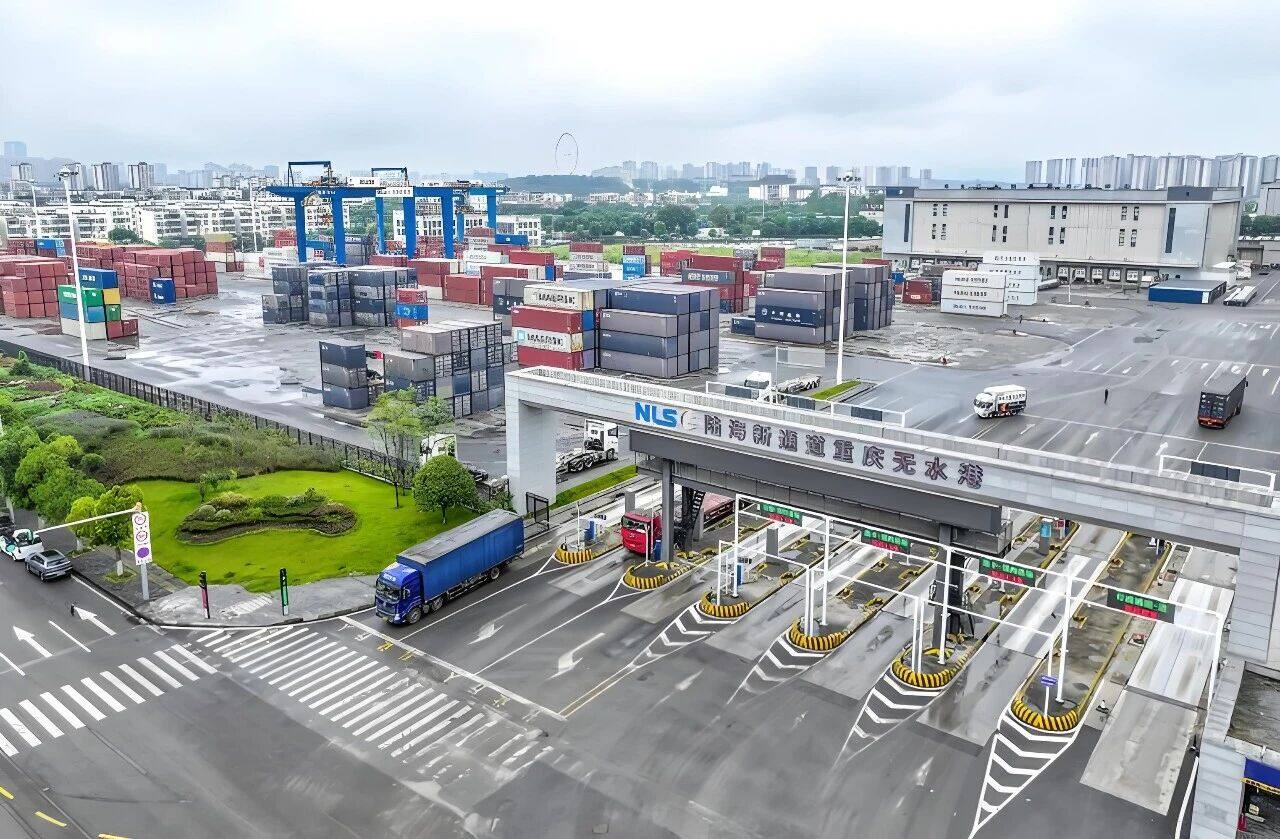
As the core of the national energy strategy, the transportation of coal from Xinjiang has achieved a leap from "quantity guarantee" to "quality improvement". By 2026, it will rely on the construction of dedicated channels and intelligent upgrades to overcome "road dependence". The specialized railway and logistics park for the eastern mining area of Zhundong, with a total investment of 2.08 billion yuan and a total length of 29.5 kilometers, will be completed by the end of the year. The annual transportation capacity will be 35.6 million tons, and the annual carbon emissions will be reduced by 7.06 million tons. The supporting smart logistics park will achieve the integration of "public rail intermodal transportation+intelligent warehousing+clean shipping", reducing costs by 680 million yuan annually.
The "Tianshan Snow Lotus" coal train in Xinjiang has opened 33 cross bureau lines, forming a green mainline channel after the operation of the Nao Railway double track, and achieving "dual carbon" coordination through the control of new energy heavy trucks. The terminal market has formed a "railway trunk line+waterway branch line" intermodal mode, connecting Xinjiang coal with the Yangtze River shipping and radiating to the middle and lower reaches through railways, enhancing the logistics system's ability to resist risks.
The sinking of e-commerce logistics and cold chain logistics to improve quality and activate the potential of domestic demand
In 2026, e-commerce and cold chain logistics in the western region will continue to sink, and "express delivery into villages" will be basically fully covered. Village level stations will be integrated into a comprehensive rural logistics service system that integrates receiving and dispatching, live streaming, and centralized procurement, helping western characteristic agricultural products directly reach the eastern market. At present, the cold storage capacity in the central and western regions is less than 30% of the national total, and the coverage of cold chain in counties is only 25%. "Government subsidies+enterprise operation+brand cultivation" has become the core model for facility sinking.
Accelerate the construction of global cold chain transit channels in western inland cities: Chengdu relies on air freight and land sea new channels to create a global fresh food supply chain center; Yinchuan has implemented a "one order system" through rail sea intermodal transportation, allowing Ningxia's agricultural products to directly reach the Middle East and Southeast Asia, achieving "whole process freshness locking".
The integration of data and intelligence and the definition of new quality productivity in low altitude economy define the future form
The development of logistics in the western region in 2026 highly depends on the ability to integrate new quality productivity. Digitization has shifted from "business dataization" to "data businessization", and logistics data has become a core resource to assist enterprises in optimizing their layout and governments in making scientific decisions. The global intelligent scheduling platform has solved the pain points of inefficient coordination in highway freight transportation.
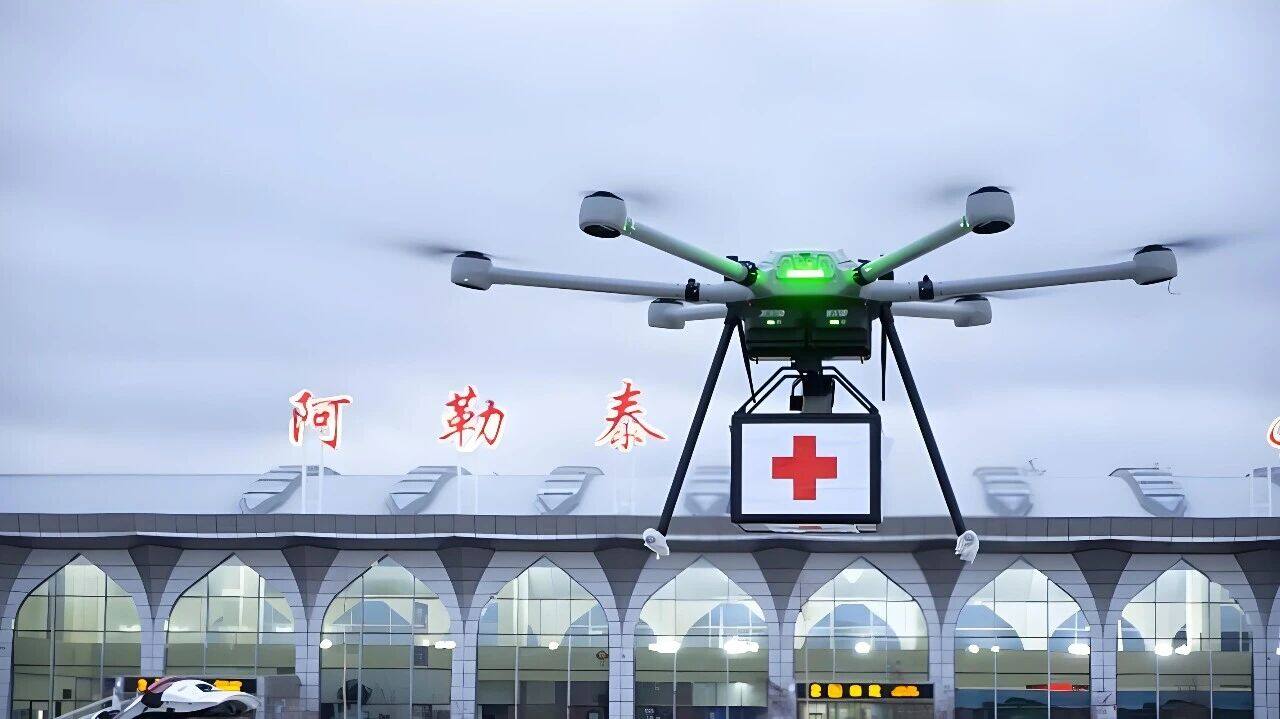
Low altitude logistics provides a revolutionary solution for end delivery in complex terrain in the western region. By 2026, with the improvement of airworthiness standards and airspace management, commercial operations will gradually be implemented. Pilot projects such as the transportation of matsutake mushrooms in western Sichuan and campus express delivery in Yinchuan will be promoted, and the integration of "unmanned aerial vehicles+mainline logistics" network will continue to be verified.
In 2026, western logistics will transition from "filling gaps" to "strengthening advantages" and from "regional support" to "key hubs". In the future, it is necessary to deepen the integration of "hard facilities+soft services+new technologies", improve policy coordination, cultivate professional talents, build an efficient, intelligent, and open modern logistics system, and inject momentum into the high-quality development of the national economy. (This article is from the official website of Jian Dao www.seetao.com. Reproduction without permission is prohibited, otherwise it will be prosecuted. Please indicate Jian Dao website+original link when reprinting.) Jian Dao website editorial column editor/Yin Jiahui
Comment



 Praise
 Collect
 Comment

 Share
Share


Write something~