 Search


- The full line connection of the East Coast Railway jointly built by China and Malaysia
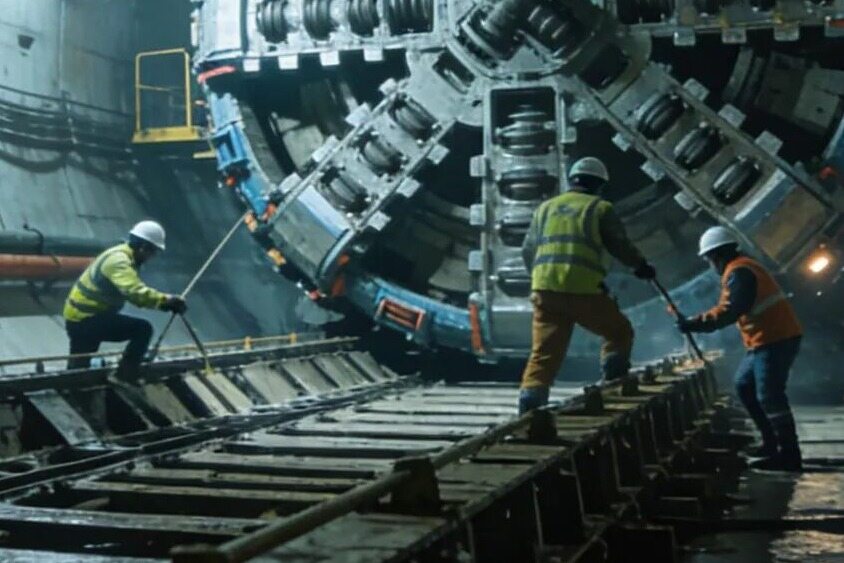
In March 2026, Malaysia will jointly build the flagship project of the the Belt and Road - the East Coast Railway of Malaysia. This major transportation artery that runs through the east coast of the Malay Peninsula will not only mark a milestone breakthrough in infrastructure cooperation between China and Malaysia, but also improve the framework of ASEAN land and sea connectivity, inject strong momentum into regional economic integration, and write a new chapter of cooperation through consultation, joint construction and sharing.
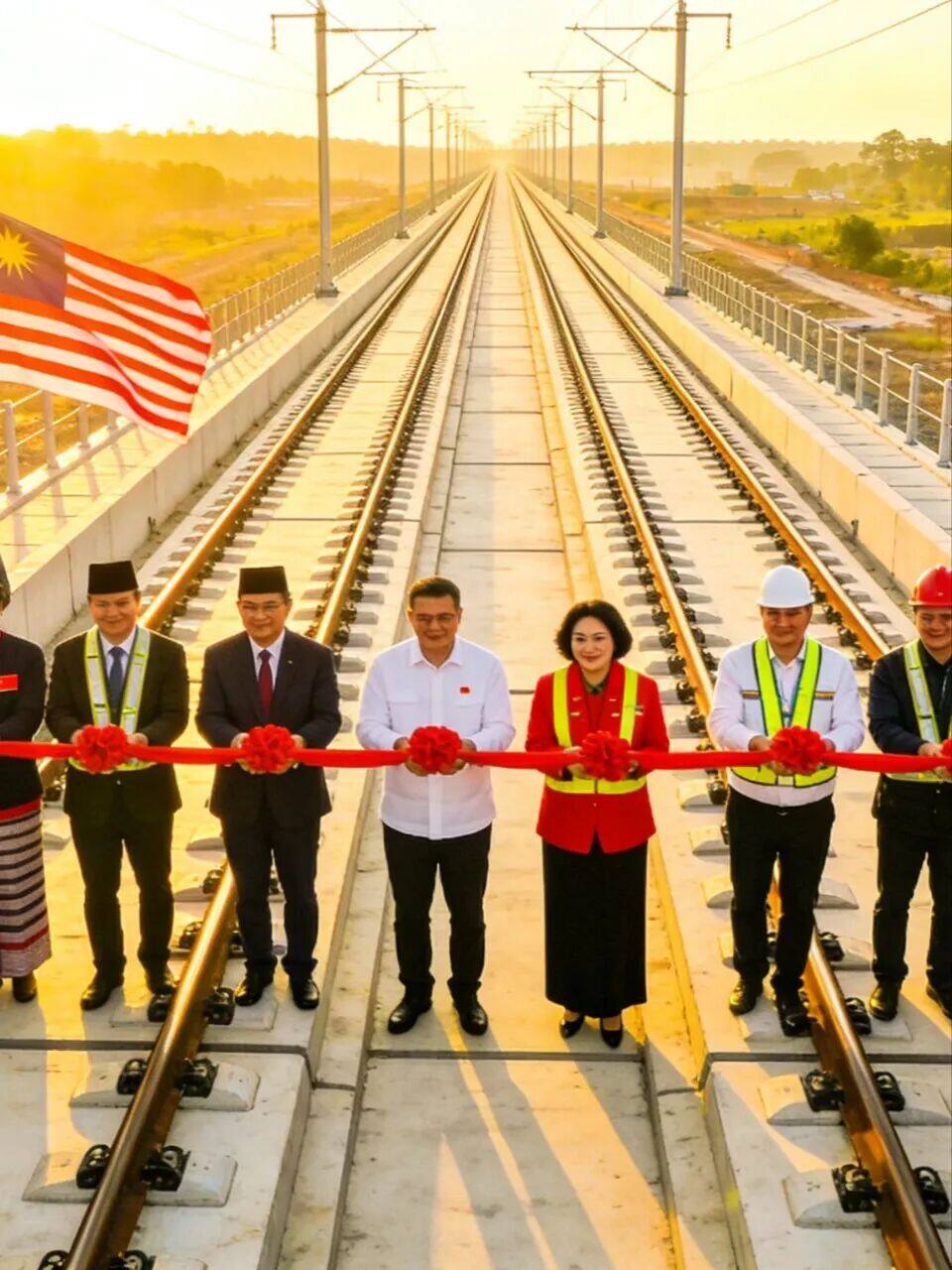
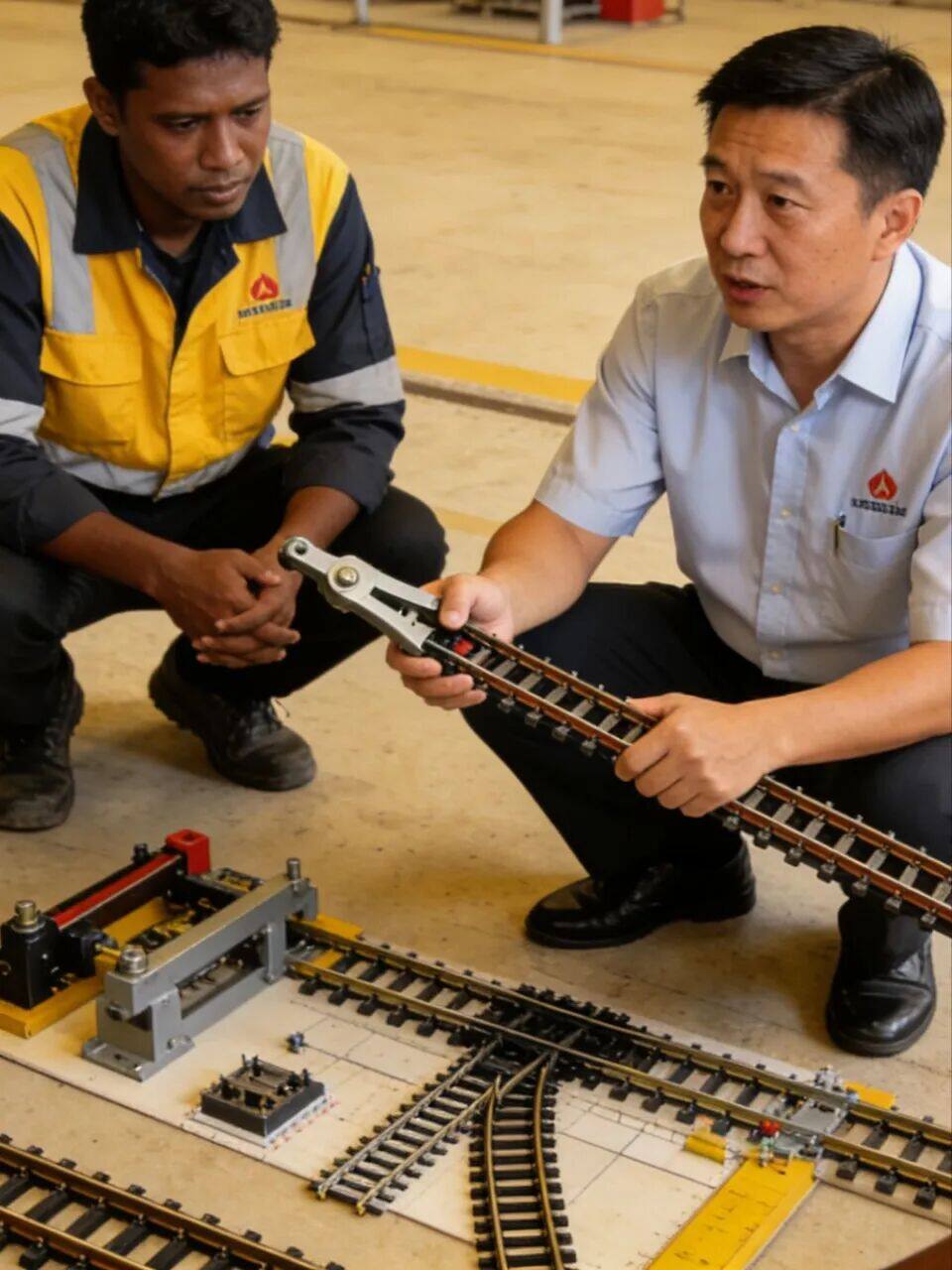
As Malaysia's largest infrastructure project to date, the completion of the East Coast Railway is not just a simple transportation project, but a vivid portrayal of China Malaysia's joint efforts to overcome difficulties and deepen practical cooperation. In the project construction, the teams from both countries faced multiple challenges such as complex terrain, variable climate, and the impact of the epidemic. They integrated advanced construction technology and ecological protection concepts, and while tackling difficult projects, minimized the impact on the surrounding natural environment, achieving the coordinated development of project quality and ecological benefits. What is more valuable is that the project adheres to the concept of localization, creates a large number of jobs for the local people, carries out tens of thousands of skills training, drives the upgrading of building materials, logistics and other related industries, truly realizes the win-win situation of "project construction+local development", and highlights the temperature and depth of the the Belt and Road cooperation.
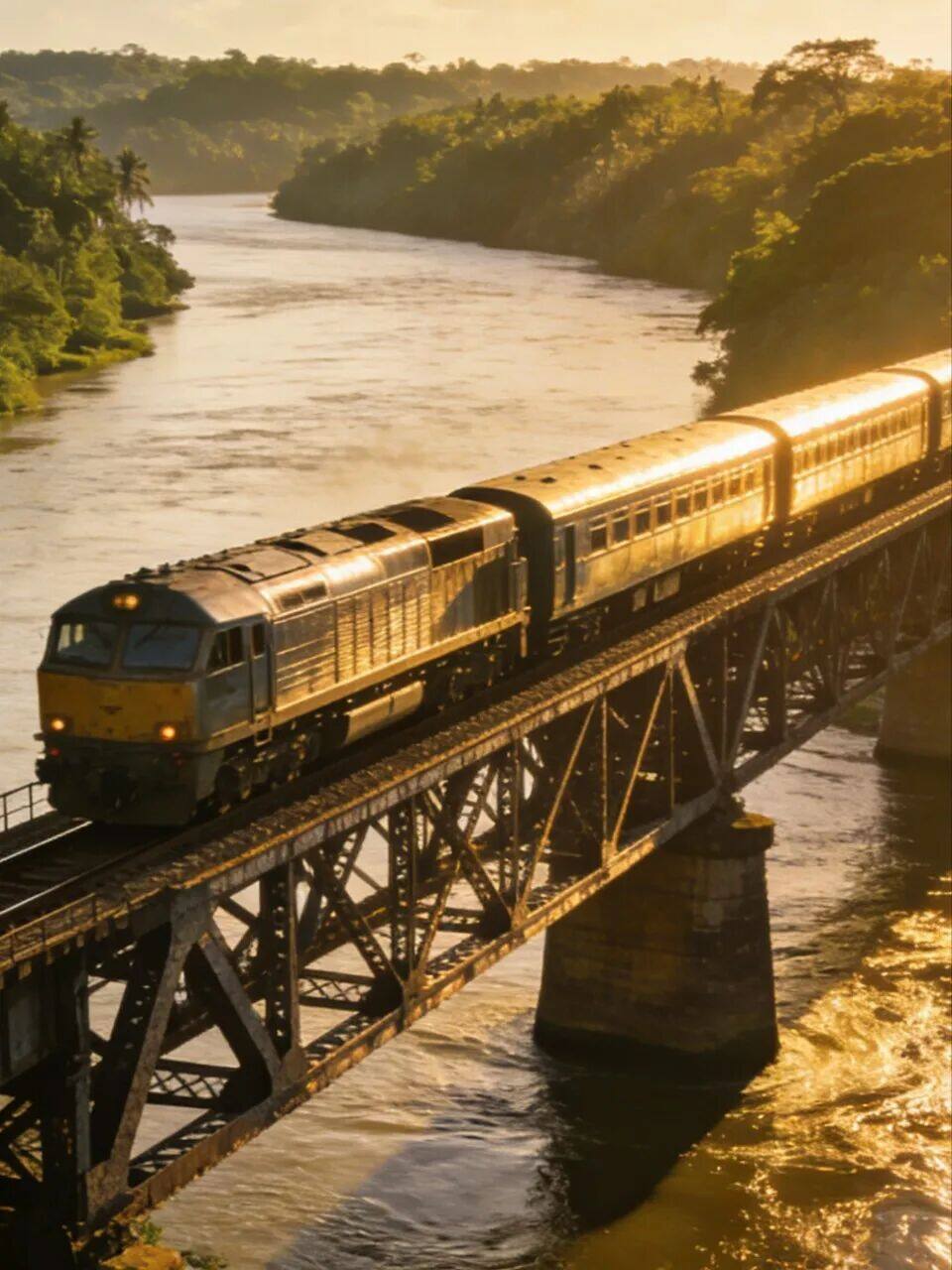
This double track electrified railway, with a total length of about 640 kilometers, has completely rewritten the pattern of lagging transportation on the east coast of the Malay Peninsula. Previously, cities in the region relied heavily on low-grade highways for connectivity, resulting in high freight costs and low traffic efficiency, which severely constrained economic development; After the completion of the railway, the travel time between the north and south has been significantly reduced, and the efficiency of passenger and freight transportation has been significantly improved. This not only facilitates people's travel and promotes personnel exchanges, but also creates favorable conditions for the development of industries along the line to reduce logistics costs and attract investment. It provides solid support for Malaysia to activate the economic potential of the East Coast and achieve regional balanced development.
The completion of the East Coast Railway has regional strategic value beyond bilateral cooperation. The railway connects the Thai railway network to the north and Johor Bahru, adjacent to Singapore, to the south. It connects multiple ports along the way, achieving a "railway+port" land sea linkage and becoming a key hub connecting the north and south of the Malay Peninsula, the Indochinese Peninsula, and the Malay Archipelago. This breakthrough not only improves Malaysia's own transportation network, but also fills the gaps in ASEAN land sea connectivity, promoting the efficiency of regional cargo intermodal transportation and trade facilitation, and building a convenient transportation bridge for ASEAN regional economic integration.
From the start of the project to the completion of the whole line, each step of the East Coast Railway has demonstrated the profound connotation of China Malaysia friendly cooperation, and also confirmed the strong vitality of the the Belt and Road Initiative. Currently, both China and Malaysia are making every effort to promote railway joint debugging, testing, and operation preparation, ensuring smooth operation by the end of 2026 and allowing this "golden railway" to release cooperation dividends as soon as possible.
The iron veins run through, and the great road stretches far. The completion of the East Coast Railway is a landmark achievement of the joint construction of the "the Belt and Road" between China and Malaysia, and an important witness to the deepening of practical cooperation between China and ASEAN. It not only connects the friendship and development between the two countries, but also provides a valuable model for building a closer China ASEAN community with a shared future and promoting solidarity and cooperation among countries in the global South. In the future, with the official operation of the railway, China Malaysia cooperation will deeply integrate in more fields, and this transportation artery will continue to empower regional development, making the Silk Road spirit shine brighter in the new era. (This article is from the official website of Jian Dao www.seetao.com. Reproduction without permission is prohibited, otherwise it will be prosecuted. Please indicate Jian Dao website+original link when reprinting.) Jian Dao website editorial column editor/Yin Jiahui
Comment



 Praise
 Collect
 Comment

 Share
Share


Write something~