 Search


- Energy consulting giant DNV releases latest report predicting renewable energy 'explosion' in the Middle East and North Africa region
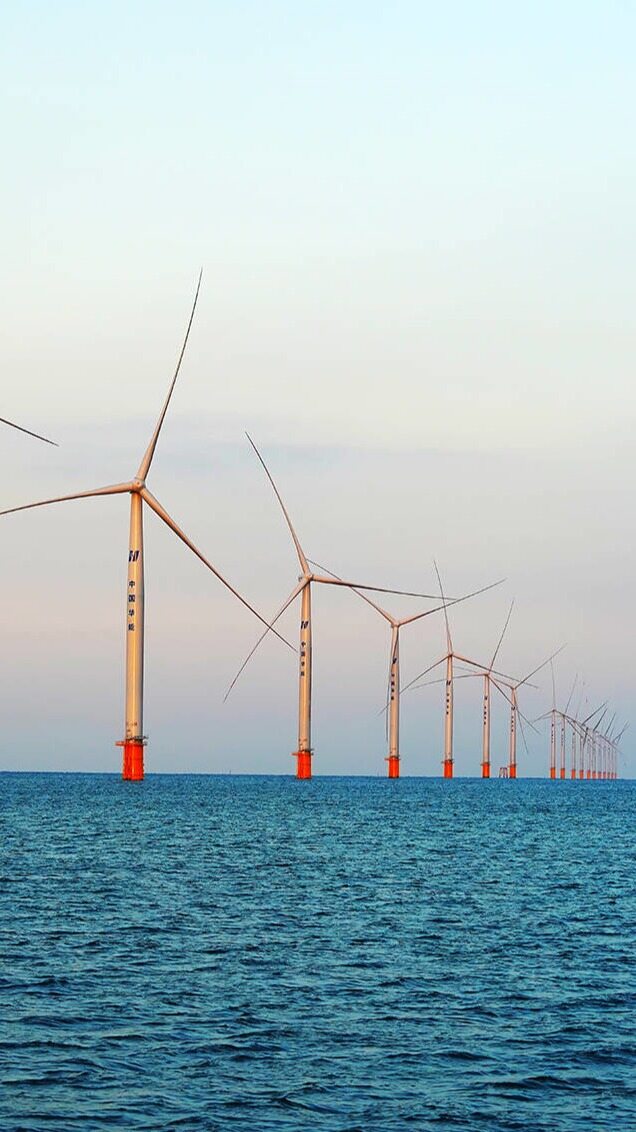
In the vast desert of the United Arab Emirates, an unprecedented mega project is under construction. An investment of up to 5.9 billion US dollars aims to integrate 5.2 gigawatts of solar photovoltaic panels and 19 gigawatt hours of giant battery energy storage systems. The project is led by UAE giant Masdar and will be able to deliver 1 gigawatt of clean electricity to the grid 24 hours a day after completion. This is not only the largest "photovoltaic+energy storage" project announced globally, but also a microcosm of the energy ambitions of the entire Middle East and North Africa (MENA) region.
The regional report "Energy Transition Outlook" recently released by DNV, an internationally renowned authoritative certification and consulting agency, has outlined a clear and grand blueprint for the booming "green power revolution". The report points out that economy has become the core driving force, and renewable energy can now provide the most cost competitive electricity, which is the cornerstone of industrial future and green hydrogen production.
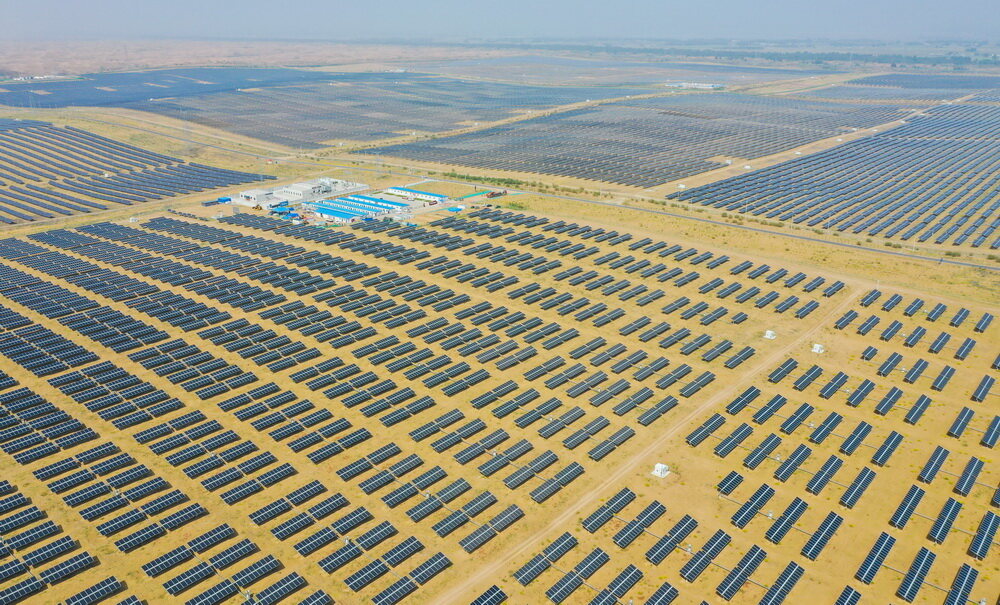
By 2040, the installed capacity will soar 12 times, and Fengguang will add 2.2 terawatts in the future
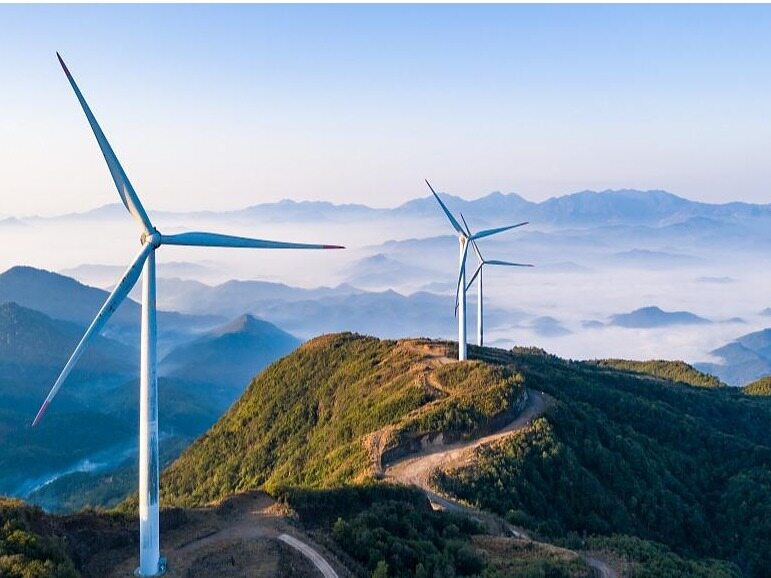
Solar photovoltaics are undoubtedly the "leader" of this transformation. DNV predicts that the installed capacity of solar photovoltaics in the MENA region will surge from 76 gigawatts in 2024 to 340 gigawatts in 2029. By 2040, the total installed capacity will increase 12 times compared to 2024 levels, reaching an astonishing 860 gigawatts.
Jan Tshomler, Regional Manager for the Middle East and Africa markets at DNV Energy Systems, stated, "The Gulf region is shifting from comprehensive discussions to deployment. Currently, utility level solar, wind, and energy storage projects are advancing at a game changing pace." Looking further ahead, between 2040 and 2060, solar and wind power will add a total of 2.2 terawatts (2200 gigawatts) of installed capacity. Tshomler emphasized that the model shows that after 2040, the growth rate of renewable energy will exceed the growth rate of electricity demand, and the transformation of the electricity structure will enter a comprehensive acceleration period.
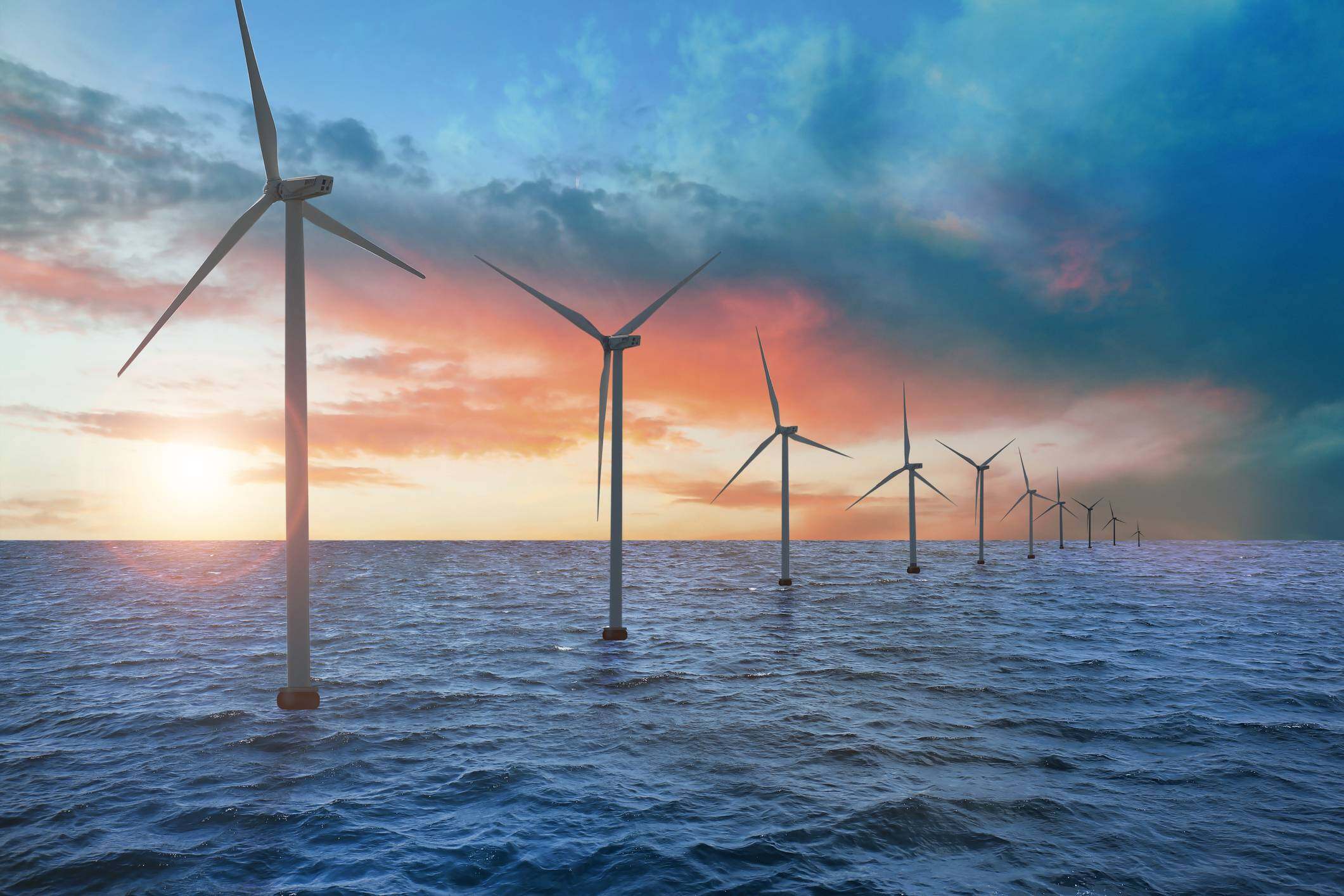
By 2030, it will increase tenfold, and by 2060, its capacity will account for 12% of the global total
The rapid development of renewable energy has directly driven the explosive growth of energy storage demand. At present, 36 gigawatt hours of energy storage facilities have been deployed in the MENA region. DNV predicts that by 2030, this number will increase tenfold; By 2045, it will increase 100 times; By 2060, the total energy storage capacity in the region will reach an astonishing 9.5 terawatt hours.
This means that by 2060, the MENA region will account for 12% of global energy storage installed capacity, a huge leap from the current 1.4% share. The report specifically points out that the coordinated deployment or integrated application of solar photovoltaics and battery energy storage systems (BESS) is the main mode to promote energy storage growth, and will make battery energy storage surpass traditional pumped storage and become the dominant technology. It is expected that by the end of 2024, lithium-ion batteries will account for 70% of all energy storage capacity.
Gas and electricity are difficult to replace in the short term, and diversified demand drives the future
Despite the rapid development of green electricity, DNV's report also makes a key judgment: the dominant position of natural gas power generation in the region will not be replaced before 2040. This is because the electricity demand in the region is growing rapidly, expected to double by 2060, and the growth rate will exceed the rate of new renewable energy installations for a period of time.
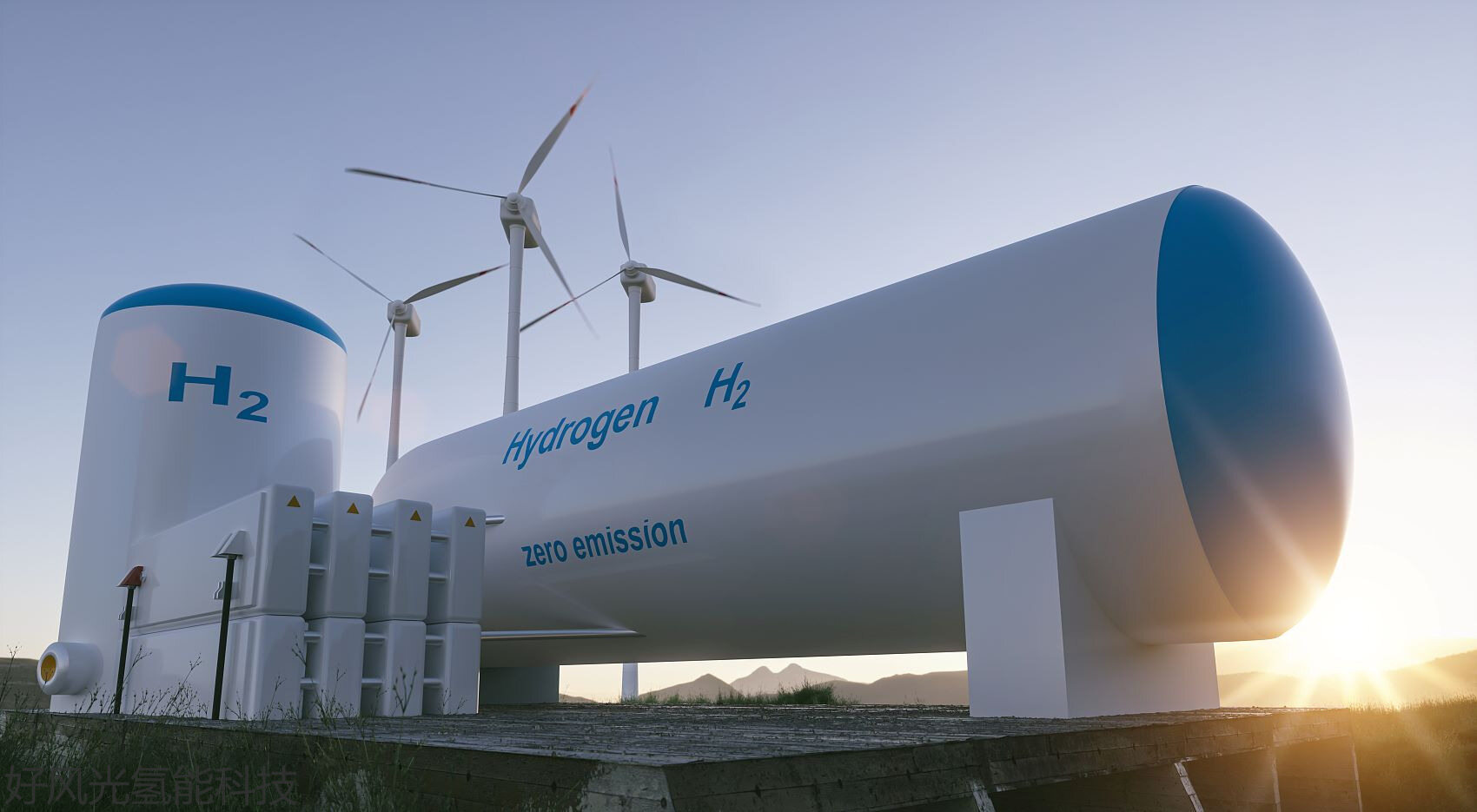
The driving force behind the growth of electricity demand is also evolving over time. In the next decade, the main growth points will come from the fields of construction and seawater desalination; From 2040 to 2060, the popularization of electric vehicles, the expansion of artificial intelligence data centers, and the large-scale production of green hydrogen will become new core driving forces.
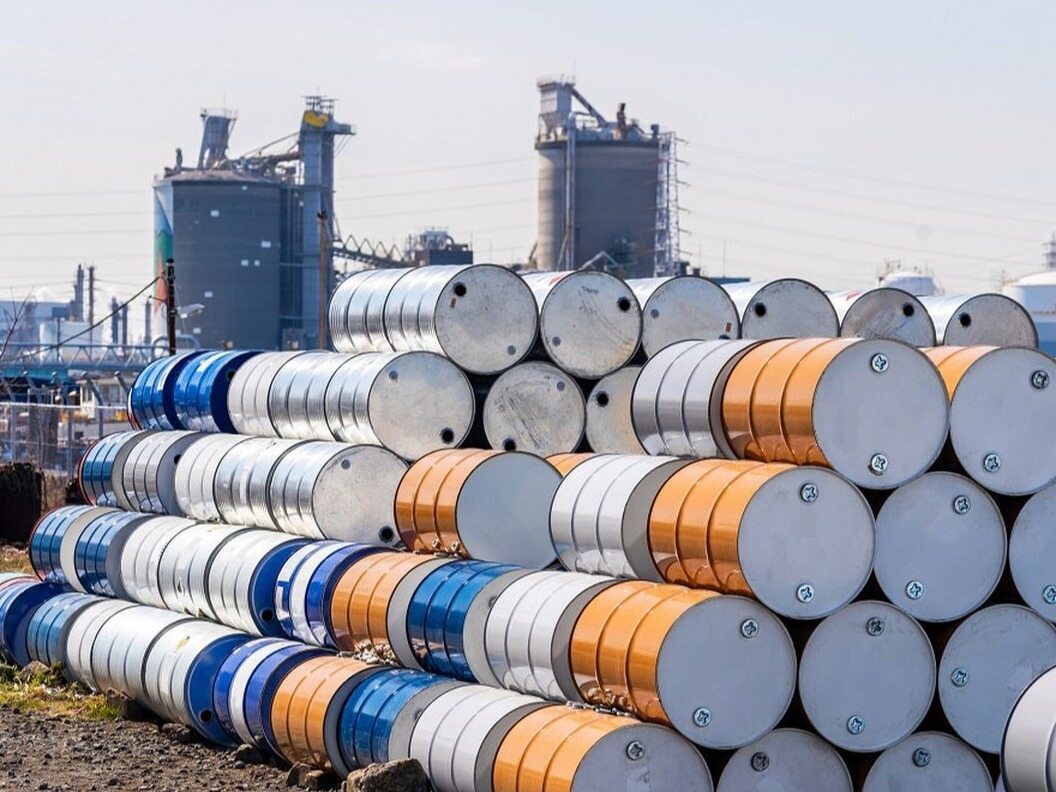
Dieter Engel, CEO of DNV Energy Systems, summarized: "The rapid development of renewable energy in the Gulf and even the entire Middle East and North Africa region, although not replacing fossil fuels in the short term, is profoundly reshaping the energy landscape. While Gulf Cooperation Council countries are building the world's largest solar and energy storage projects, they continue to supply energy to the global oil and gas market. This demonstrates their energy strategy that balances the present and the future
With the laying of photovoltaic panels and the completion of energy storage stations in the desert, the MENA region is writing a unique chapter in the global energy transition with its strong capital and strong willingness to transform. The evolution path from the "heart of oil" to the "oasis of photovoltaics" is already clearly visible.Editor/Yang Meiling
Comment



 Praise
 Collect
 Comment

 Share
Share


Write something~