 Search


- This is not a simple high-altitude infrastructure battle, but China's focus on a century long development
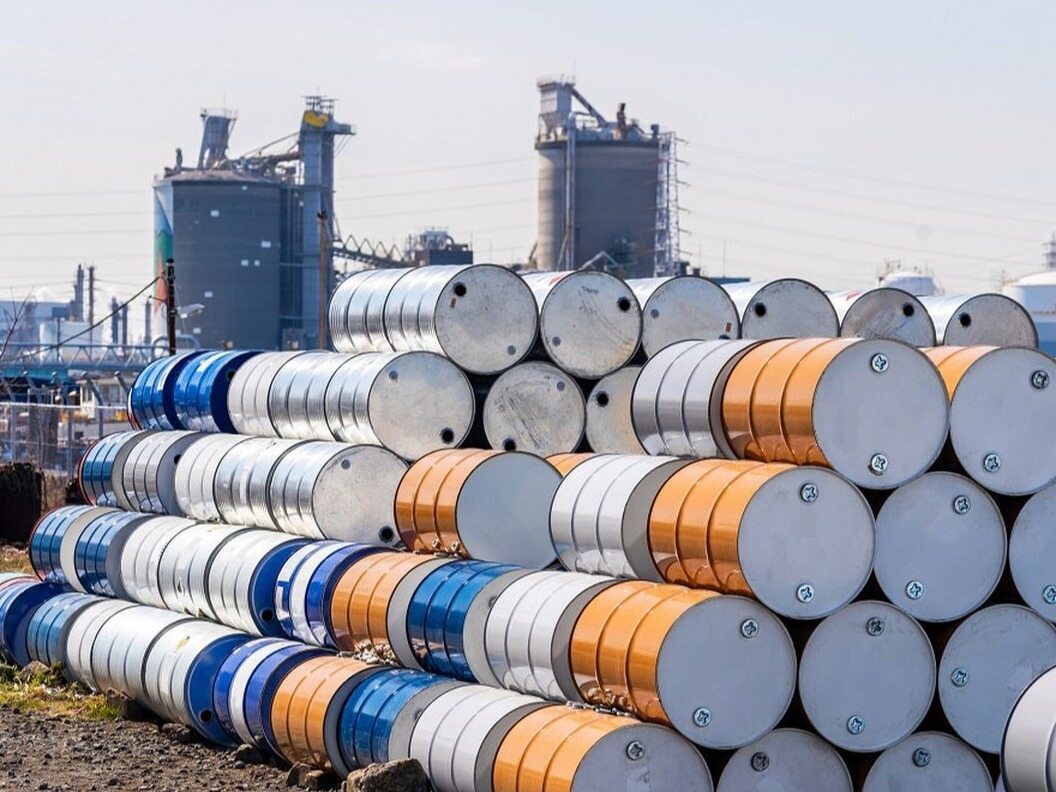
- As the world's largest industrial country, China consumes a huge amount of oil

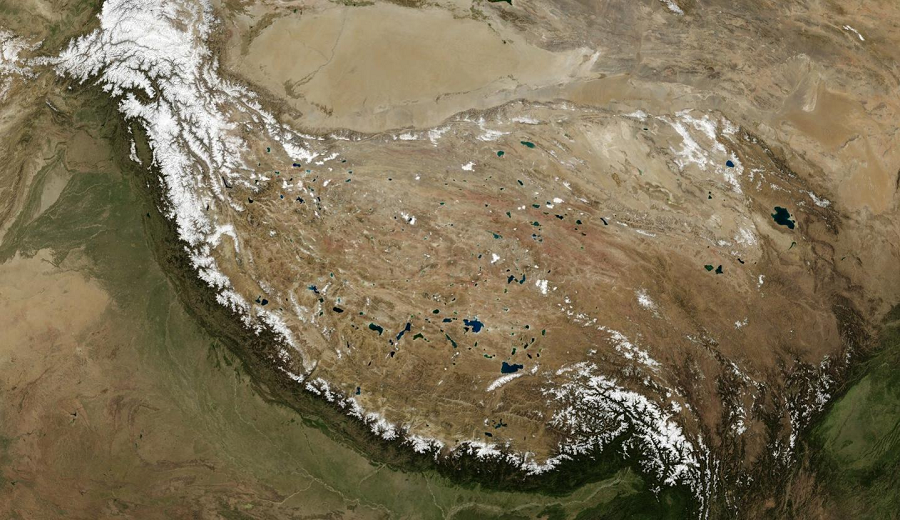
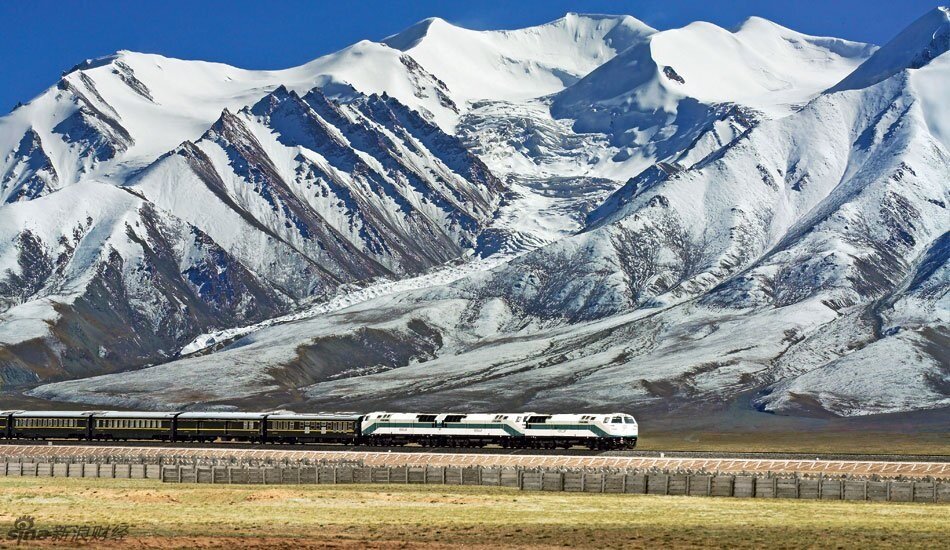
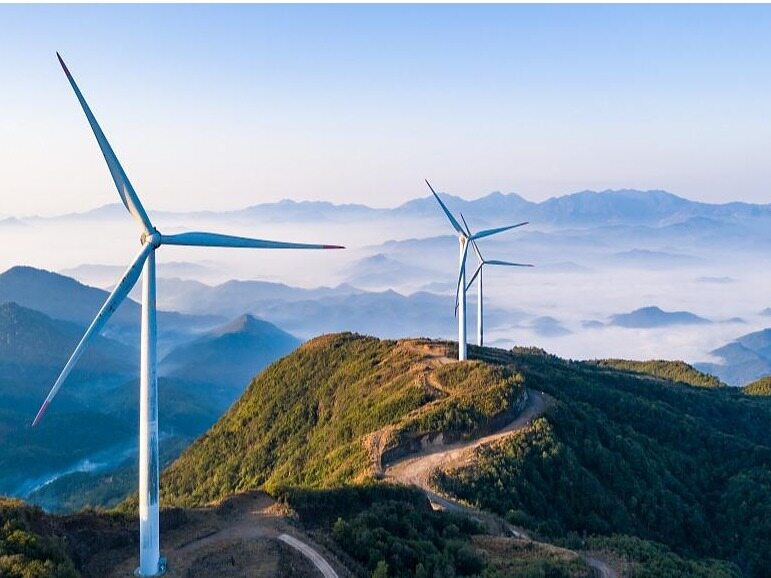
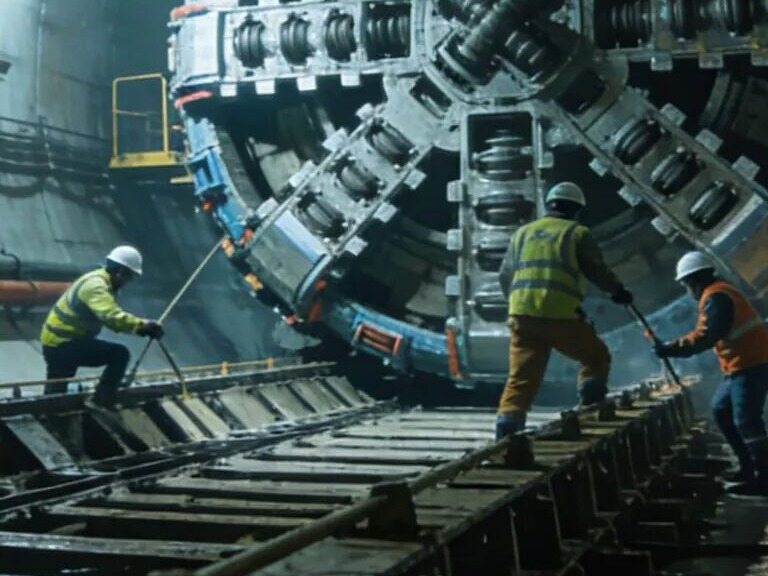
The Qinghai Tibet Plateau, known as the "forbidden zone for life", has three super projects, namely, the Yarlung Zangbo River Hydropower Station, the Sichuan Tibet Railway and the Xinjiang Tibet Railway, with a total investment of 2 trillion yuan. This is not a simple high-altitude infrastructure battle, but a strategic layout for China to focus on a century long development and solve the three core development problems. Each project carries the responsibility of breaking through the situation and laying the foundation for the future.
Currently facing three major challenges, China's three precise moves to break through the situation are all related to long-term development.
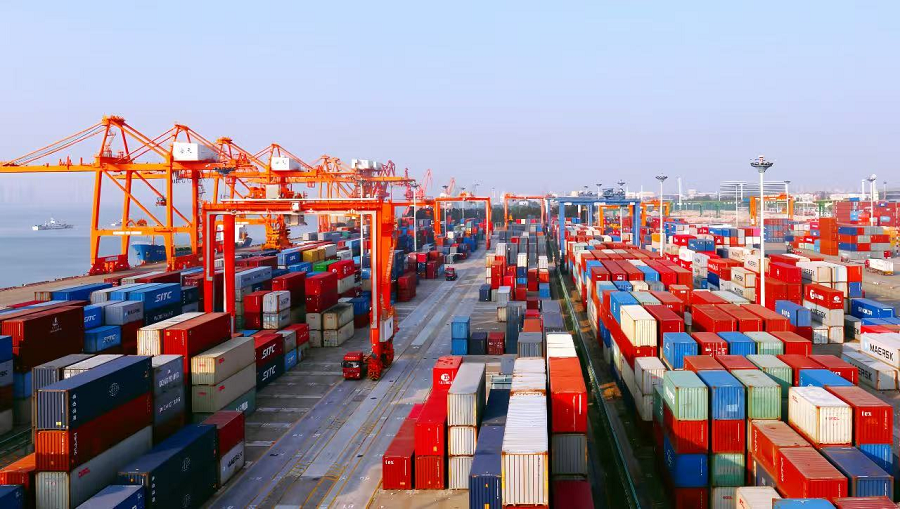
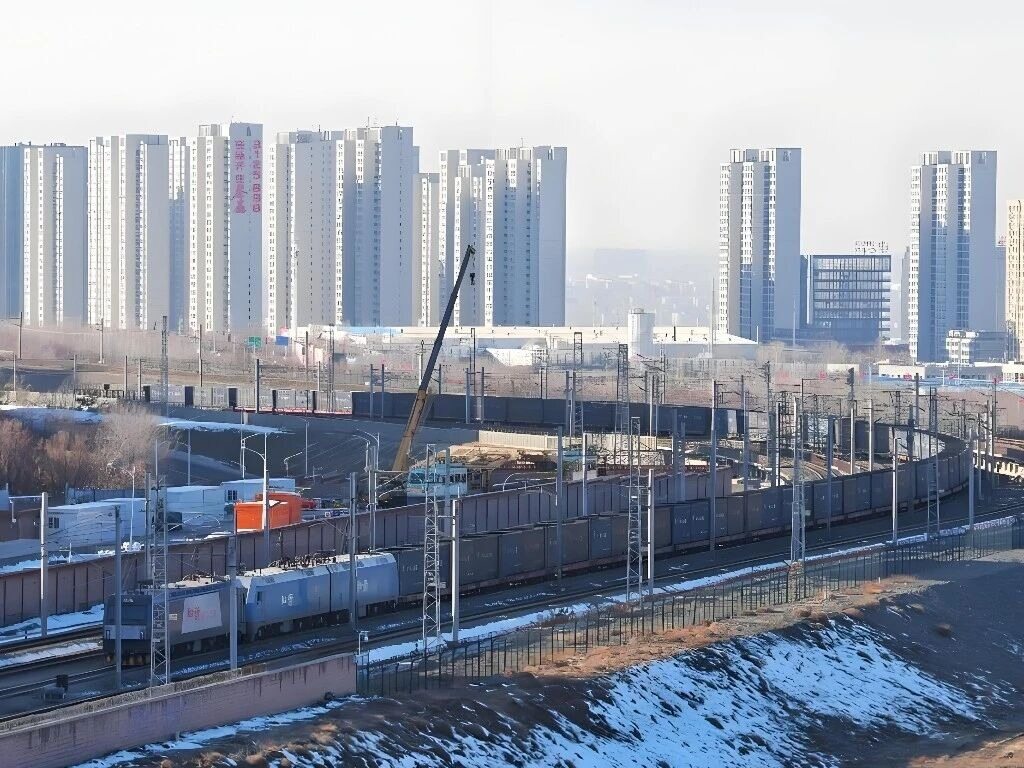
The first move is to open up land energy channels and break the dependence on Malacca. The risks of sea routes are high, so we have opened up new land shortcuts. The construction of the China Pakistan Railway and the Xinjiang Tibet Railway is accelerating. In the future, Middle Eastern oil can land through Pakistan and directly reach Xinjiang, China through railways, building a safe and stable land-based energy artery, completely eliminating dependence on a single sea route, and strengthening the energy security defense line.
The second move is to unlock the treasure trove of plateau resources and empower industrial upgrading. Xizang is rich in strategic resources, with copper reserves accounting for more than 50% of the country's total. As the core raw material of new energy, lithium ore can be called "white oil". Previously, due to traffic congestion, transportation costs were extremely high, and resources were difficult to develop and utilize. After the opening of the Sichuan Tibet Railway, transportation costs will significantly decrease, and these strategic resources will be efficiently developed, providing core support for the development of China's high-end manufacturing and new energy industries, and transforming into tangible industrial competitiveness.
The third strategy is to build a land-based transportation network and reshape the global economic and trade landscape. For centuries, maritime hegemony has dominated the world order, and China is breaking this traditional pattern with its railway network. China's railway network continues to connect with Europe to the west and radiate to Southeast Asia to the south, promoting interconnectivity between the Eurasian continent. Goods are transported from Chongqing to Europe by railway, which takes 33 days less than sea transportation and greatly improves efficiency. The land transportation network is not constrained by maritime military forces, and even if the US aircraft carrier is strong, it is powerless to intervene. This land transportation network will reshape global economic and trade rules and open up broader development space for China.
Only by examining history can we understand the profound meaning of today's layout. 150 years ago, Zuo Zongtang overcame public opinion and exerted all his national strength to recapture Xinjiang. Although criticized at the time, he defended China's vast territory and laid the foundation for future development. The current investment of 2 trillion yuan in the Qinghai Tibet Plateau may seem like an infrastructure project on the plateau, but it is actually a solution to the three core dilemmas of energy, resources, and geography, laying the foundation, building confidence, and planning for China's century long development. In the face of unprecedented changes, this is the pragmatic and far-reaching strategic answer provided by China.Editor/Bian Wenjun
Comment

 Praise
 Collect
 Comment

 Share
Share


Write something~