 Search


- Nine European countries sign agreement to jointly develop 100 gigawatts of offshore wind power in the North Sea
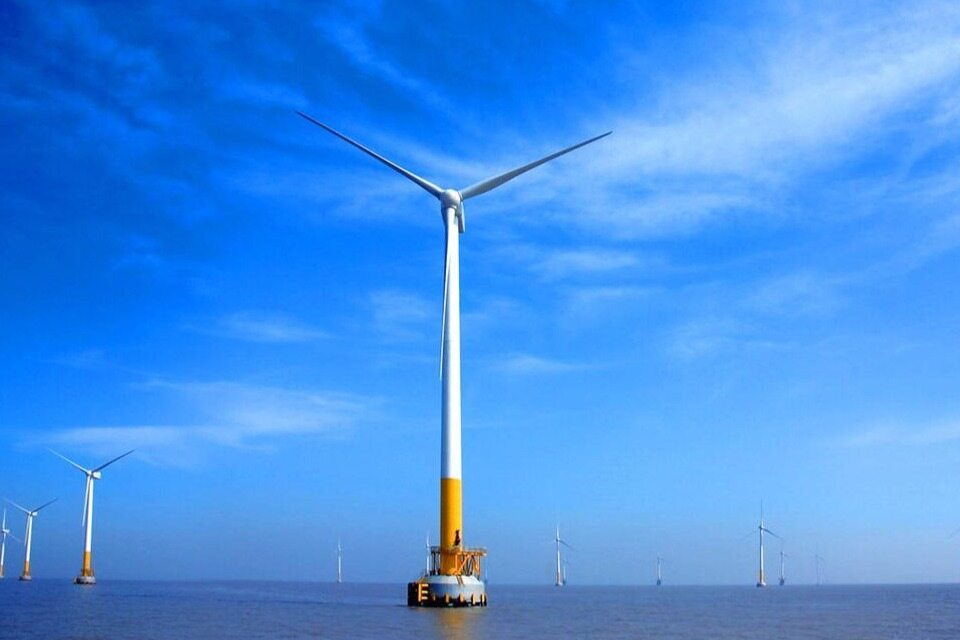
On January 26, 2026, a summit to determine the future energy landscape of Europe was held in Hamburg, Germany. Representatives from nine countries including the UK, Germany, and Denmark solemnly signed a historic clean energy agreement, jointly committing to deliver a total of 100 gigawatts of offshore wind power on the magnificent North Sea through large-scale joint projects. This is not only a substantial advancement of the grand blueprint of the Ostwald Declaration three years ago, but also marks an unprecedented determination and collaboration in Europe to anchor its energy security future in the howling sea breeze.
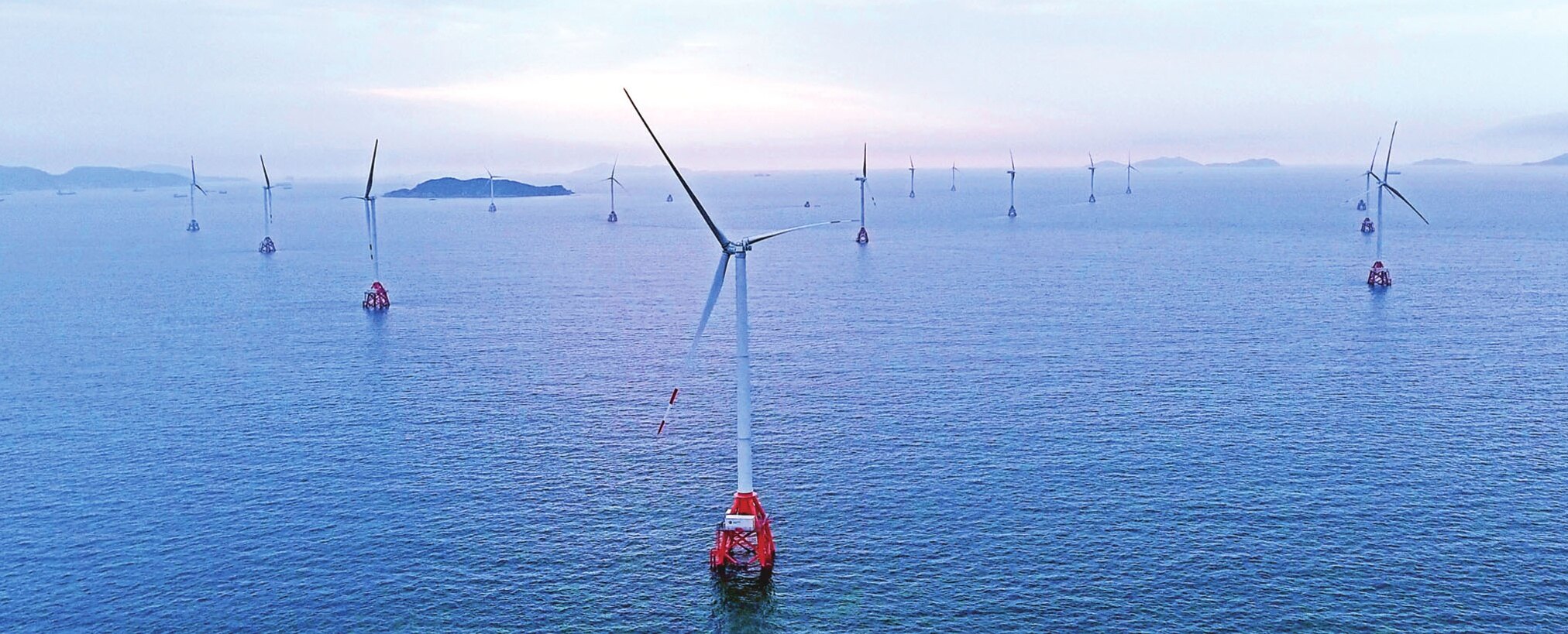
From goal to action
The 100 GW offshore wind power development agreement signed this time is a crucial step towards achieving Europe's 300 GW North Sea wind power vision by 2050. As early as 2023, relevant countries had established a phased goal of achieving at least 120 gigawatts of installed capacity by 2030. The core of this agreement is to transform the long-term vision into executable and accelerated large-scale joint projects for the next decade, and to support cross-border power grid planning and efficient collaboration mechanisms. The signing of the agreement directly responds to the harsh reality that the current rate of wind power installation in Europe (only about 12.9 gigawatts in 2024) lags far behind the average annual transformation demand of 30 gigawatts. It aims to break the development bottleneck through supranational cooperation and inject strong impetus into the carbon neutrality and energy independence goals of the entire Europe.
Safety, Climate, and Industry
The collective increase in offshore wind power in Europe is driven by the superposition of multiple strategic goals. The primary driving force is energy security. After the Russia-Ukraine conflict, Europe accelerated to get rid of dependence on external fossil energy, and the focus of energy policy clearly shifted to "equal emphasis on security and low-carbon". Beihai, which is rich in wind energy resources and close to the core consumption area, naturally becomes an ideal "local energy supply base". Secondly, achieving legally binding climate targets is the fundamental driving force. To achieve the goal of reducing emissions by 55% by 2030 and net zero emissions by 2050, offshore wind power is considered an indispensable pillar technology. In addition, the draft agreement clearly states the economic and industrial intentions: to drive the local industrial chain, create employment, enhance industrial competitiveness, and enhance strategic autonomy through this grand plan. To address recent financing and cost challenges such as project failure, countries have committed to increasing policy and financial support, including utilizing mechanisms such as EU budget guarantees and contracts for differences, to ensure the commercial feasibility of projects. Keywords: Wind Power Latest News, Wind Power News Latest News
Local dominance and Eastern ripples
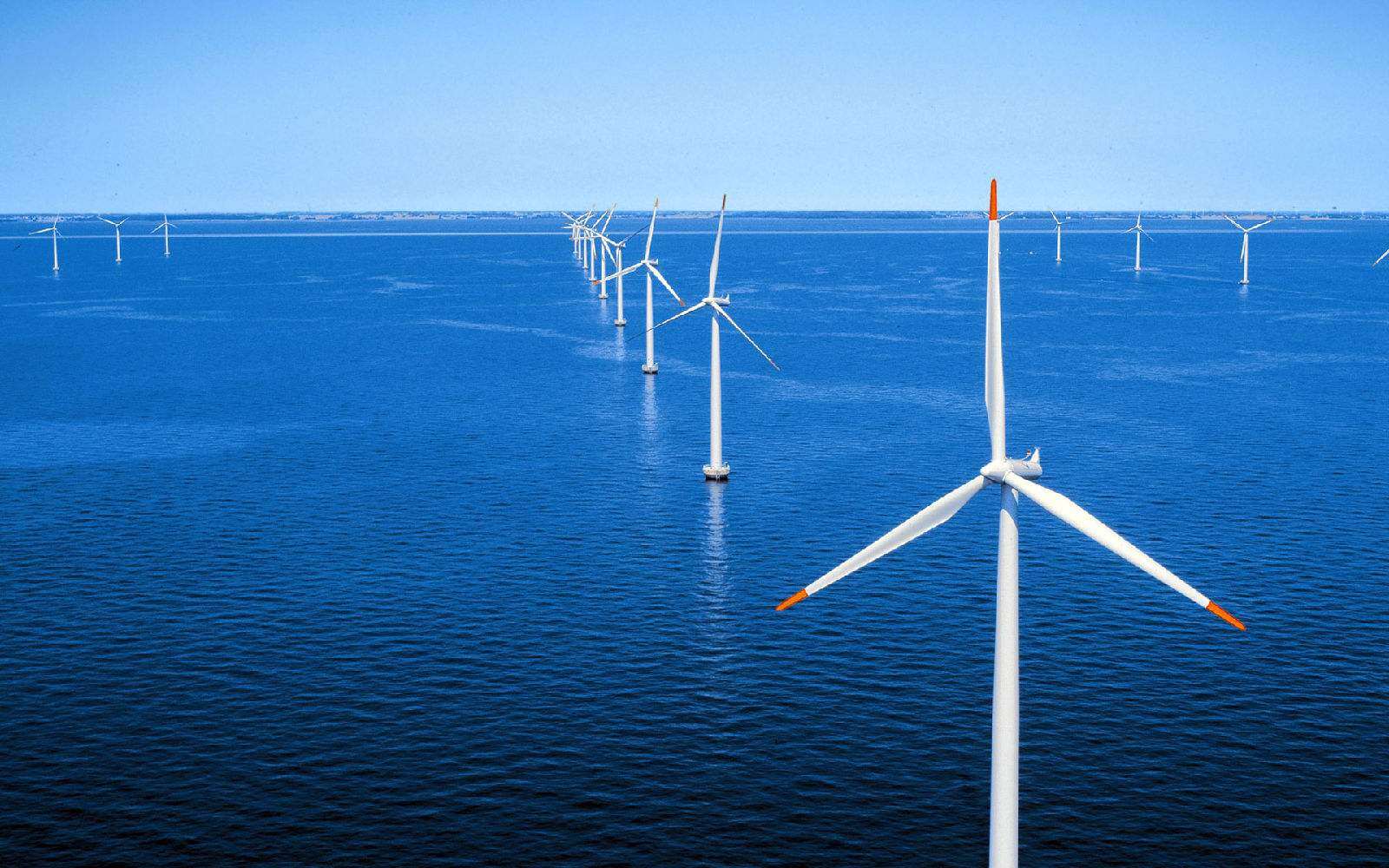
The investment expectation of up to 250 billion to 400 billion euros depicts a huge cake for the global wind power industry. At present, the European market is still dominated by local giants such as Vestas and Siemens Gamesa, with European manufacturers accounting for approximately 92% of the market share by 2024. However, local manufacturers also face growth concerns such as profit pressure and quality challenges. This grand plan has a profound impact on China's wind power industry. Although Chinese companies have global competitiveness in technology, cost, and supply chain, the high barriers to entry in the European market - including strategic scrutiny, industry protection, and geopolitical factors - pose challenges for direct participation in core projects. Currently, the strategy of Chinese enterprises has shifted towards more cautious localization cooperation and technology penetration. For example, Mingyang Intelligent has conducted preliminary cooperation with European developers on floating wind power, and Goldwind Technology has participated in local research and development manufacturing through shareholding. This indicates that China and Europe are forming a complex, non zero sum interactive relationship in the field of wind power, and Chinese power is gradually integrating into the wave of energy transformation in Europe.Editor/Gao Xue
Comment

 Praise
 Collect
 Comment

 Share
Share


Write something~