 Search


- A coalition of ten European countries has reached an agreement to build an offshore wind power network in the North Sea.
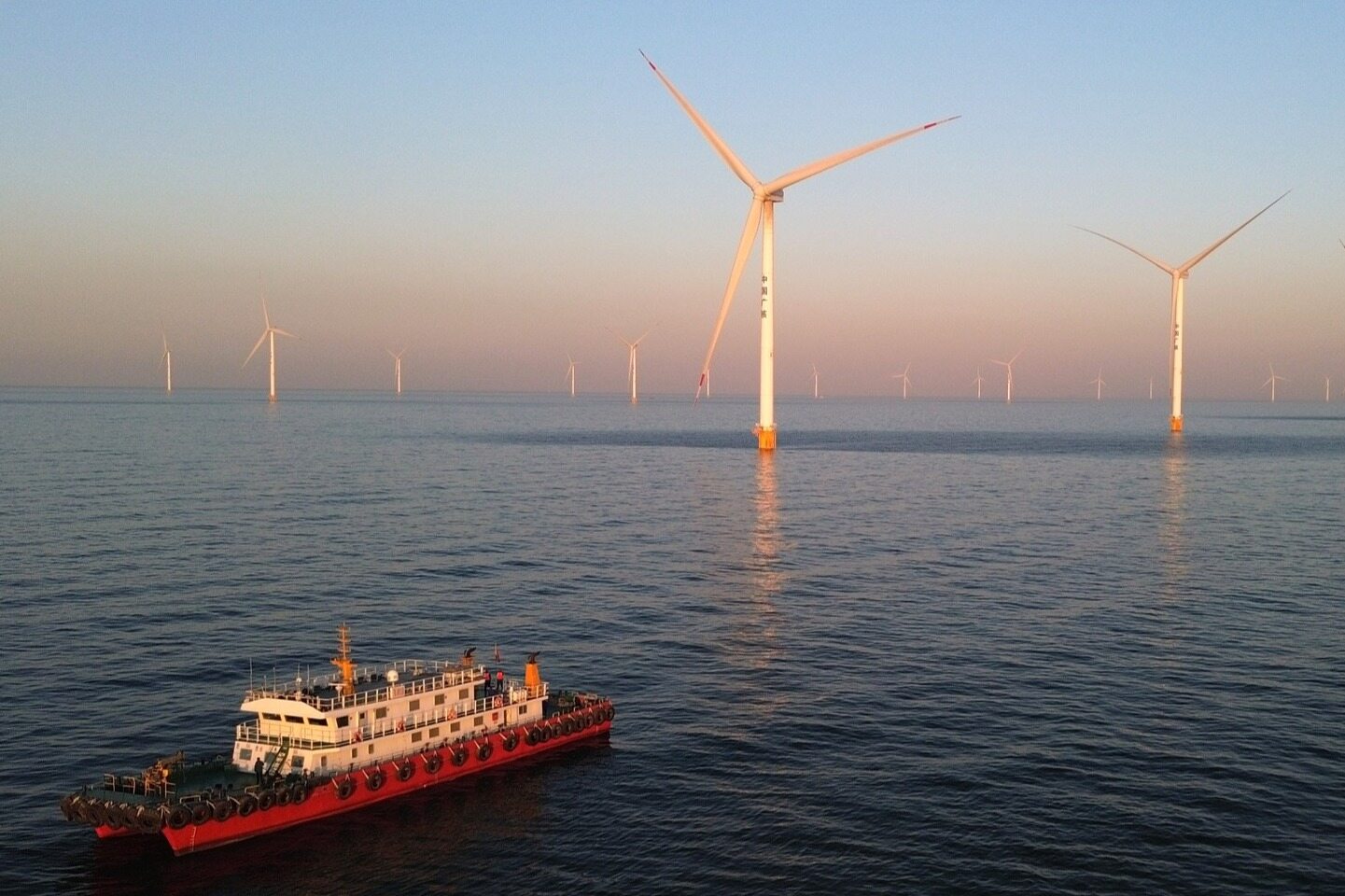
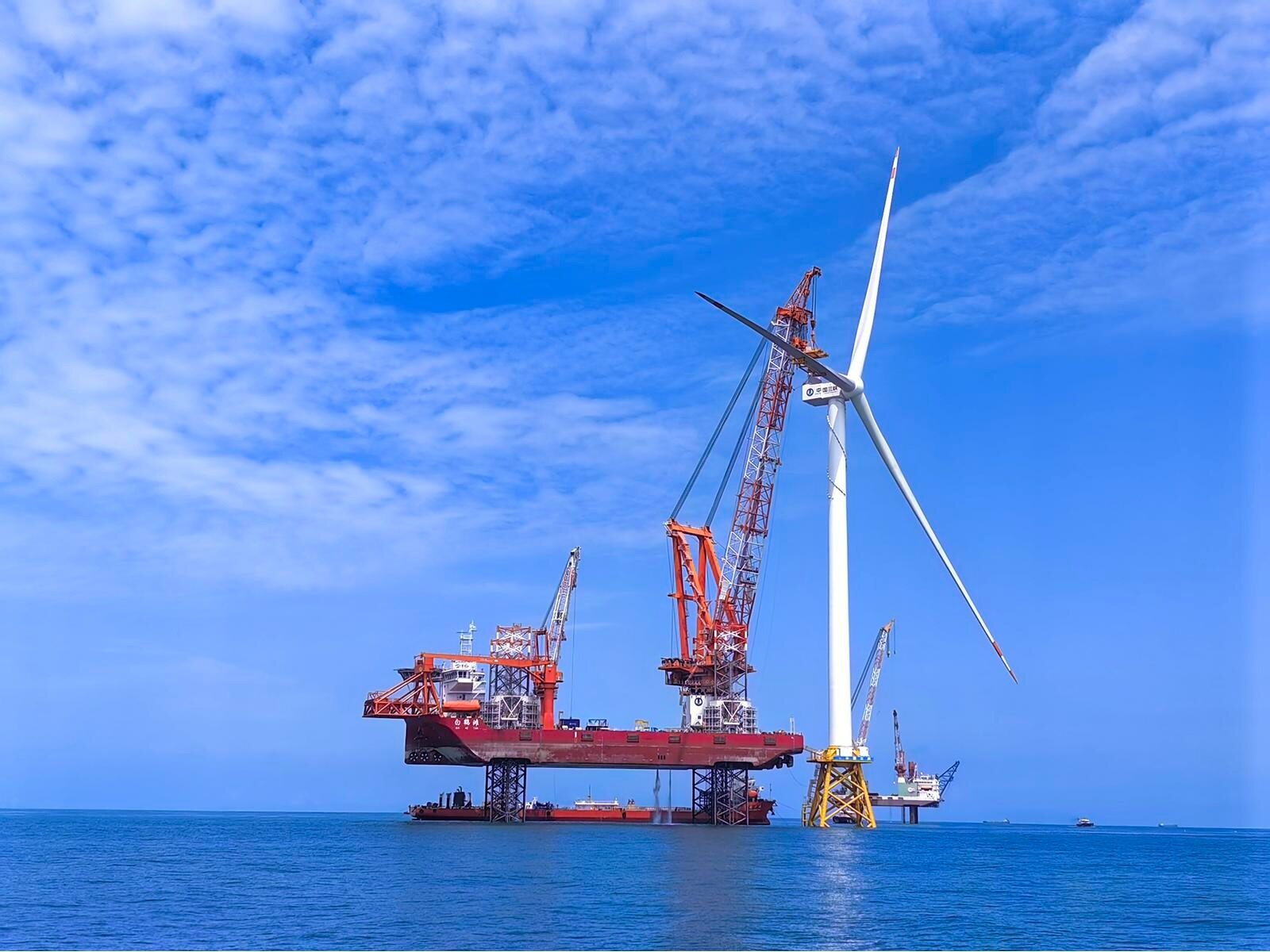
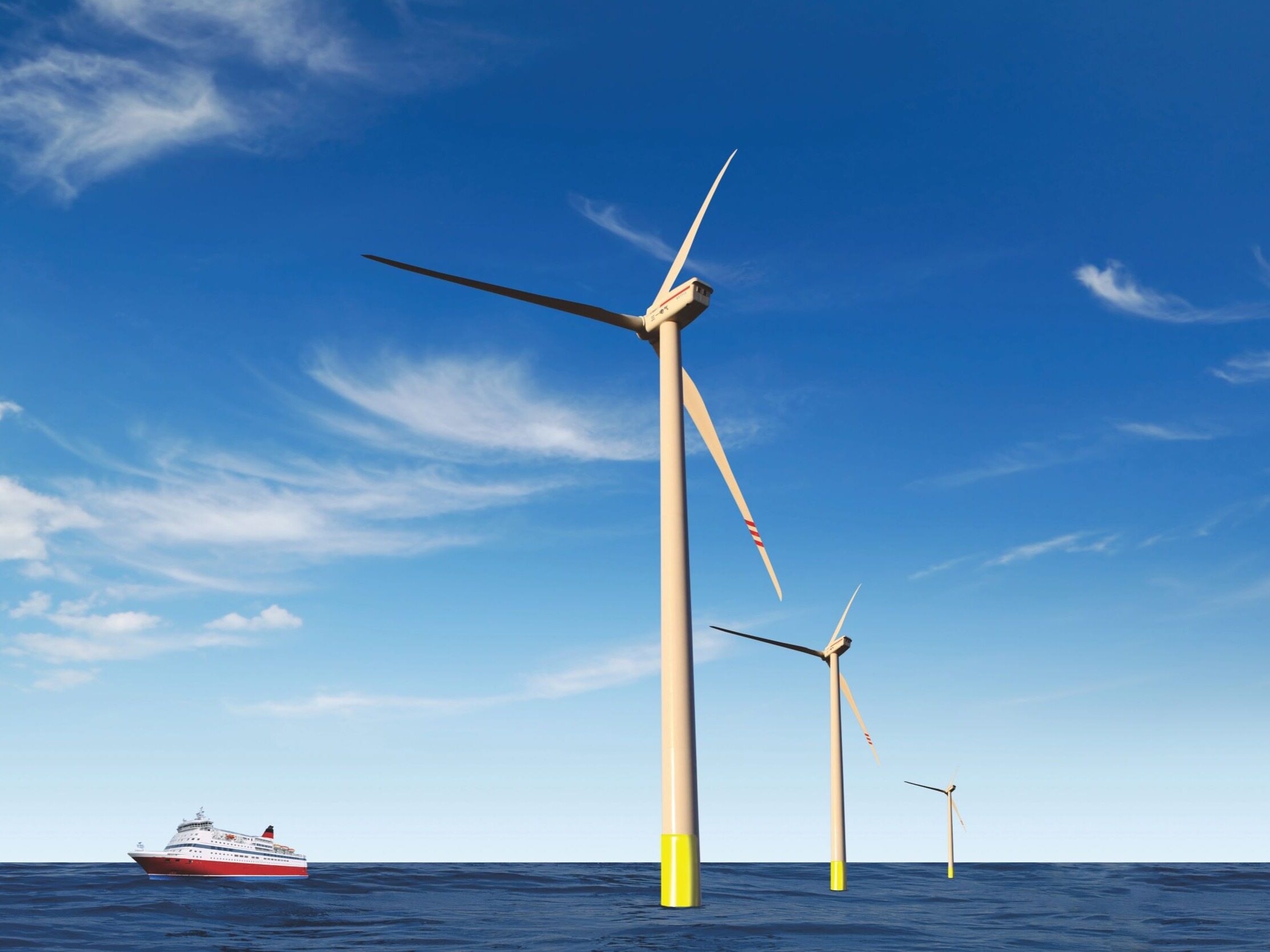
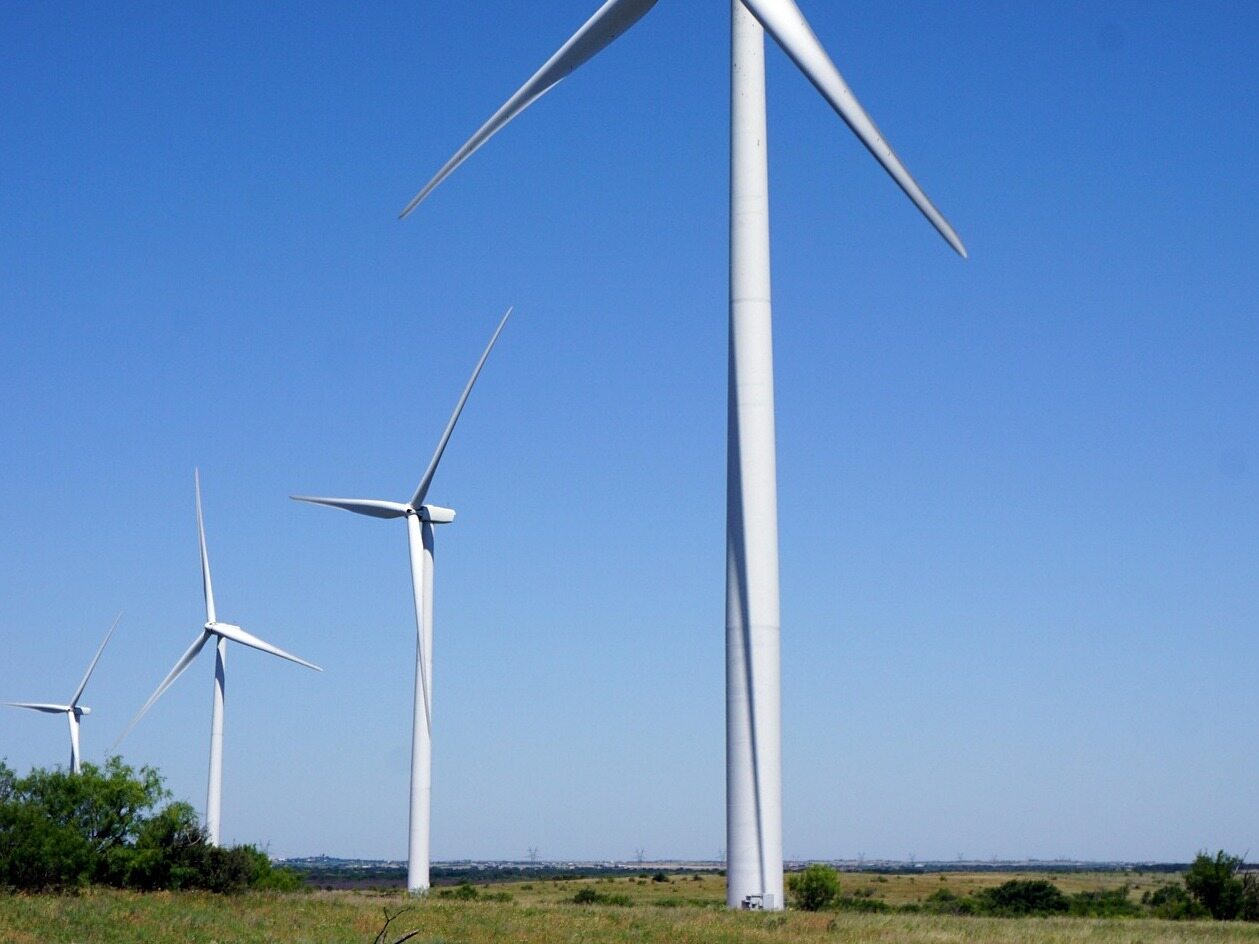
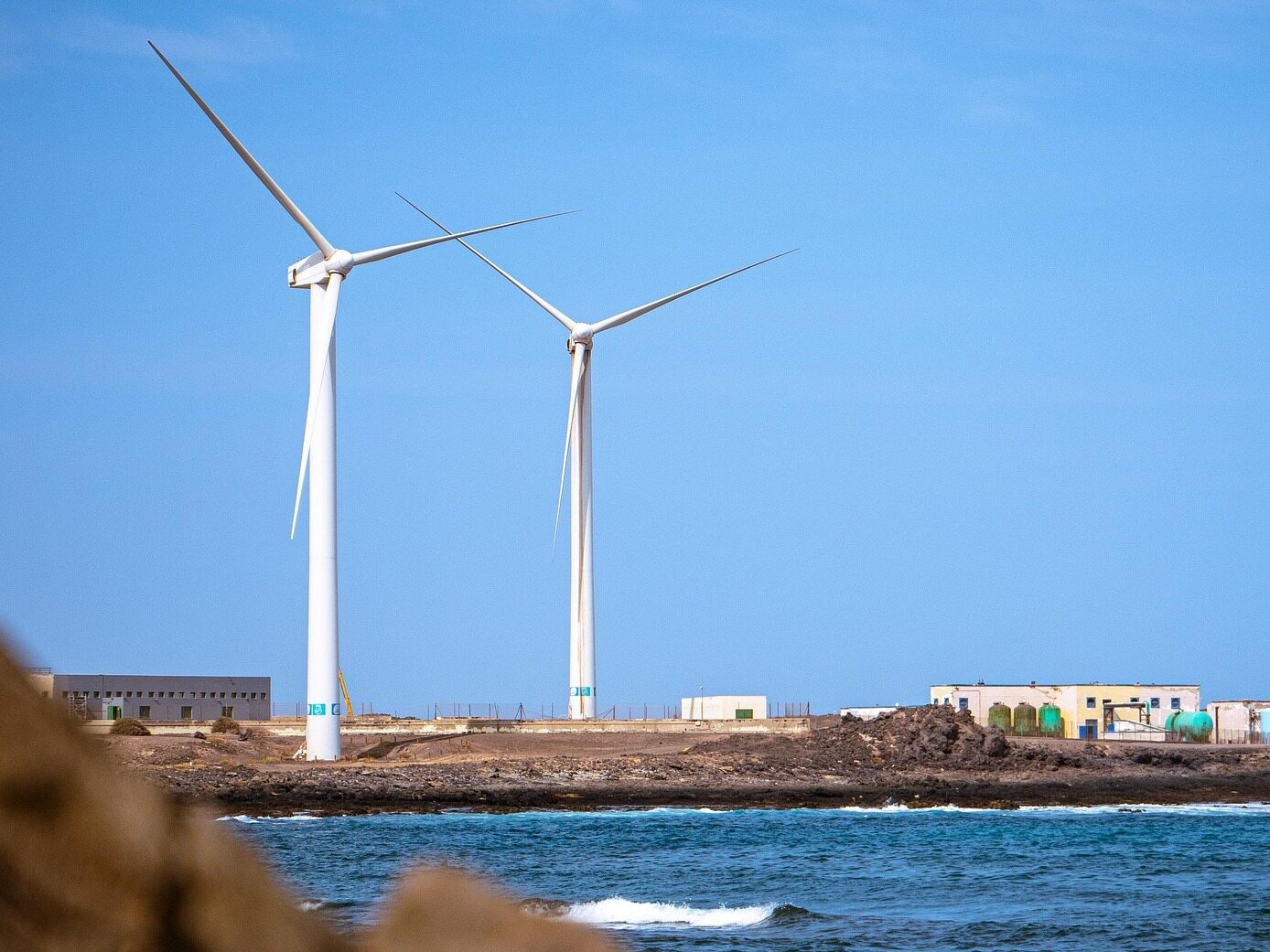
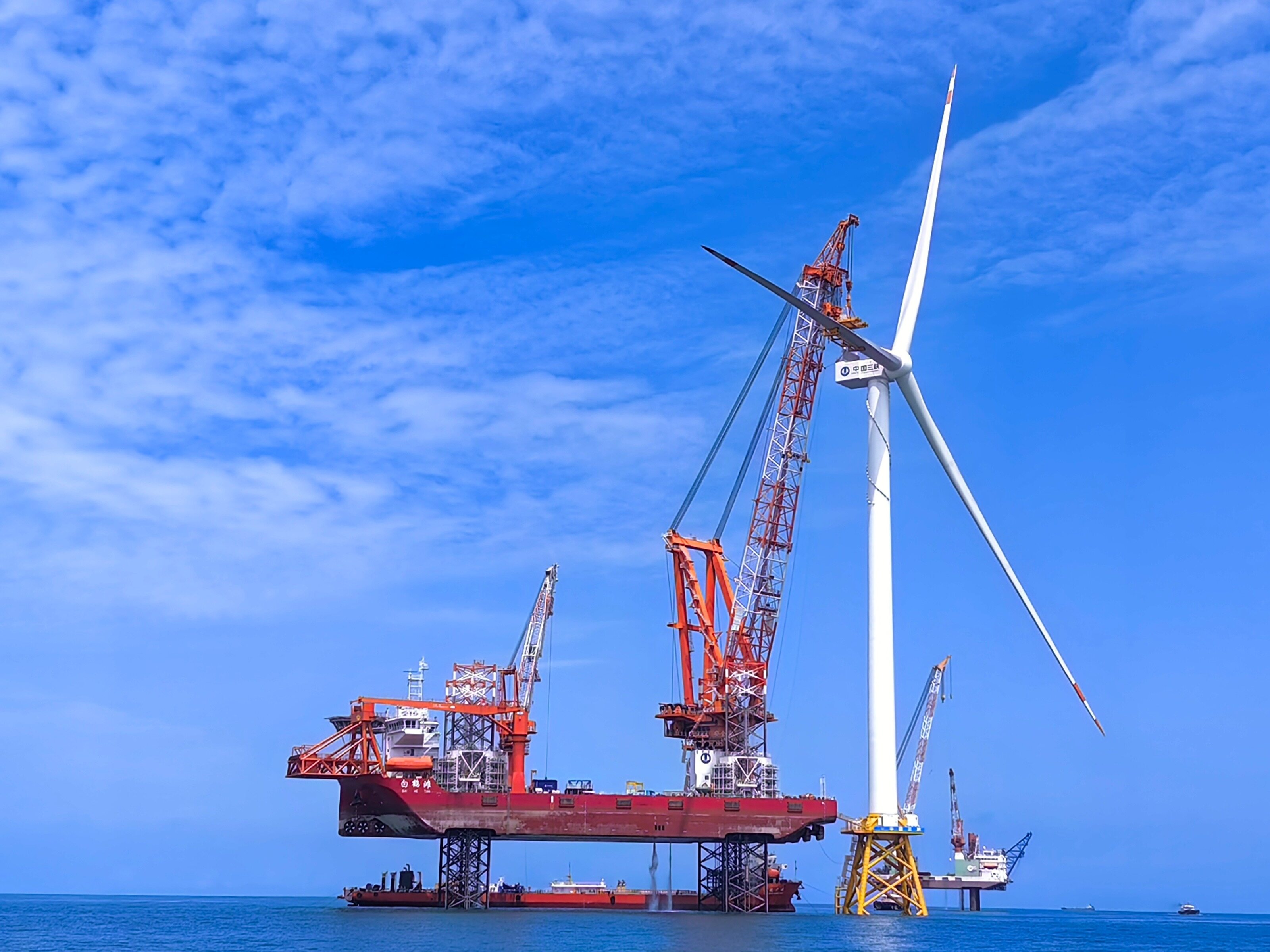
In an effort to repurpose one of the world's oldest oil and gas basins, ten European countries have reached an agreement to build a large offshore wind power network in the North Sea, aiming to enhance energy security and accelerate the transition away from fossil fuels.
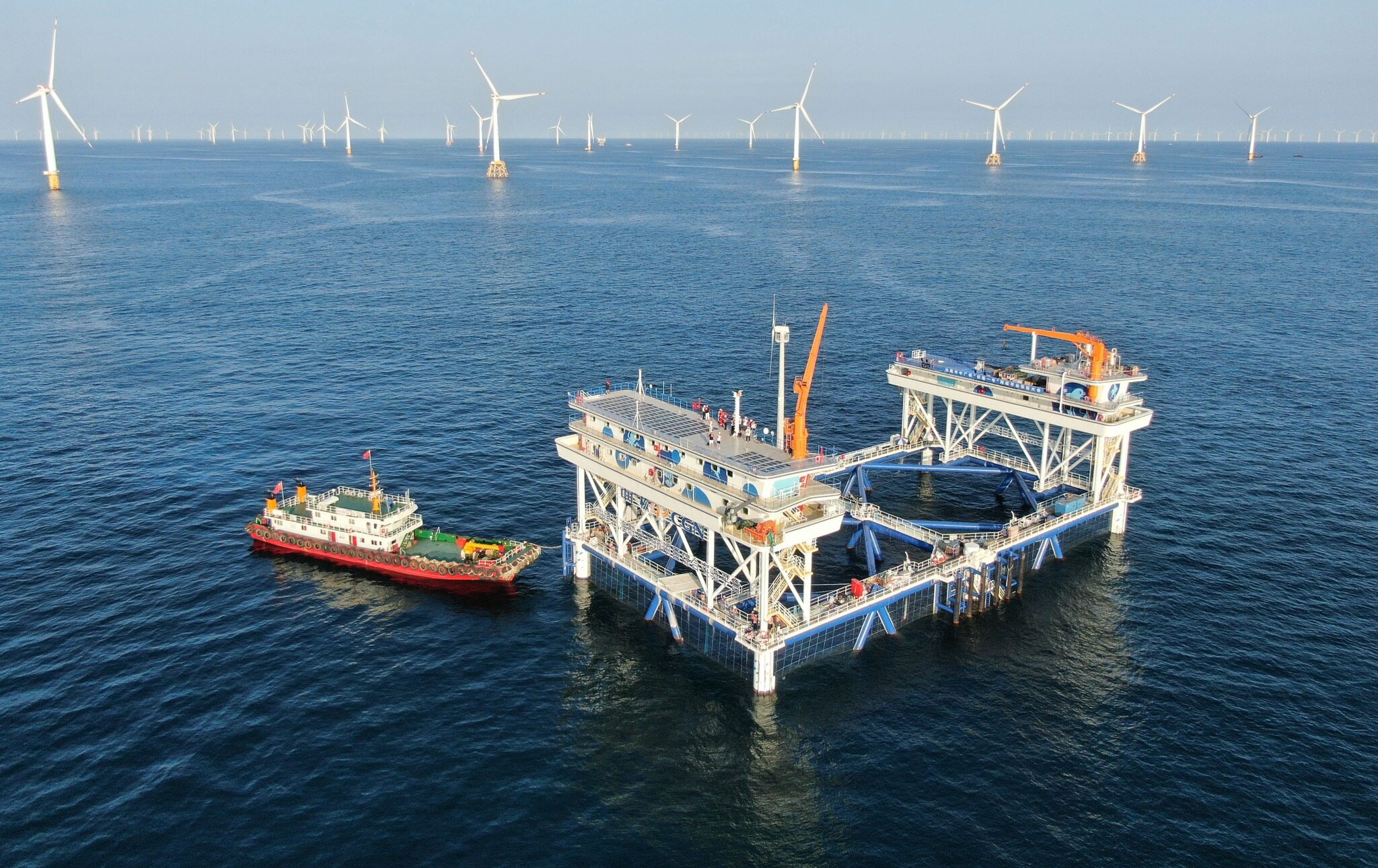
On January 16th, energy ministers from the UK, Germany, France, and seven other countries signed an agreement committing to developing an interconnected grid of wind farms linked by subsea cables. The project, dubbed the "North Sea Wind Power Hub," is expected to eventually provide up to 100 gigawatts of electricity—enough to power approximately 143 million homes—and transform the ocean into a shared clean energy reservoir.
UK Energy Secretary Ed Miliband described the agreement as advancing national interests by "getting off the fossil fuel rollercoaster." The agreement reinforces the broader goal of installing 300 gigawatts of offshore wind power in the region by 2050, despite recent criticism from Donald Trump. Trump, speaking at the Davos Forum, called European wind farms "losers" that would "kill" the economy.
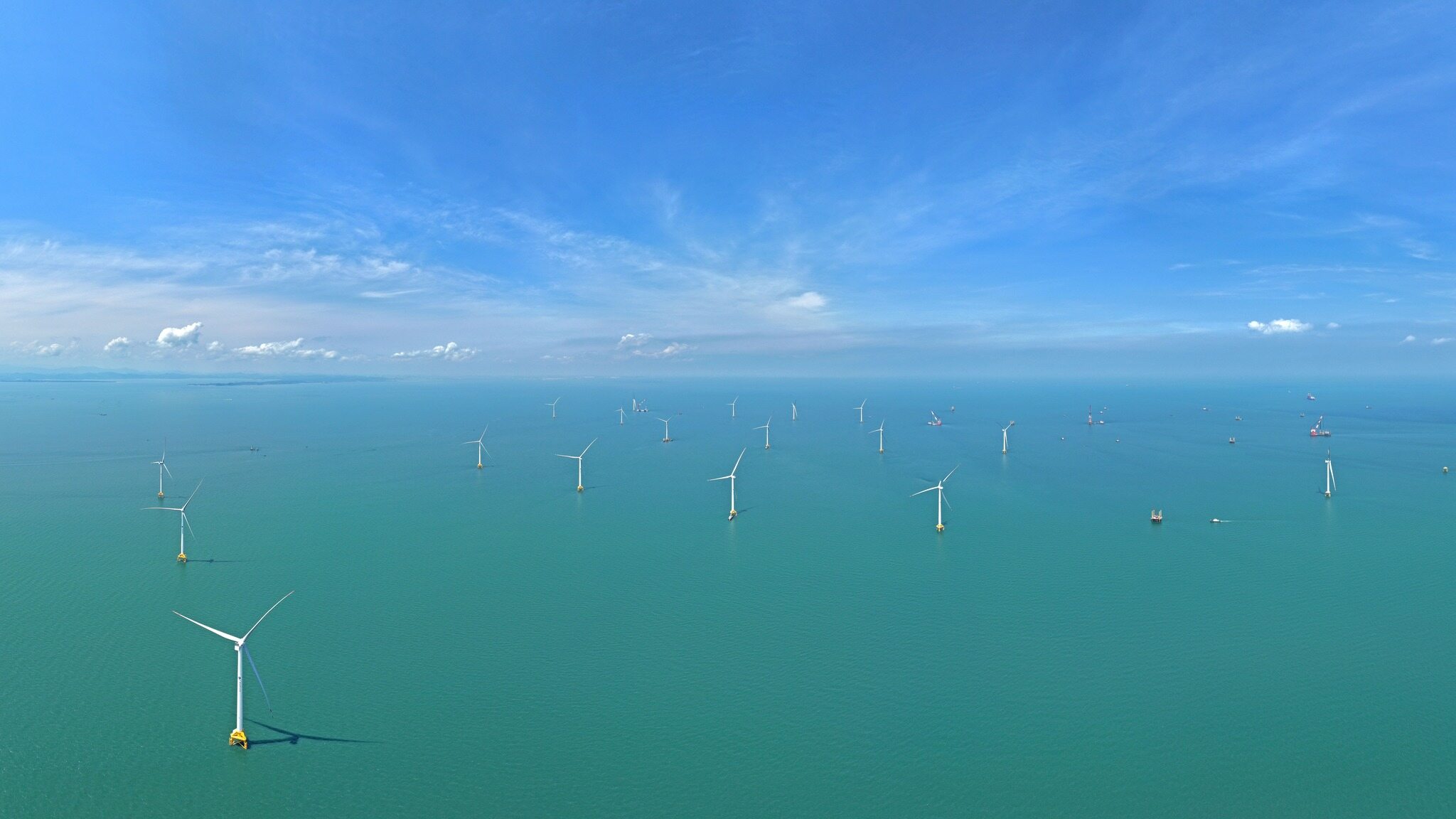
This collaborative plan includes joint project planning and cost-sharing, a strategy endorsed by the industry group Energy UK as the most effective way to lower consumer electricity bills and create high-value jobs. The agreement signals Europe's continued commitment to renewable energy. Despite geopolitical and economic headwinds challenging the green transition, renewable energy generation in the EU surpassed fossil fuels last year.Editor/Cao Tianyi
Comment

 Praise
 Collect
 Comment

 Share
Share


Write something~