 Search


- This crisis reshapes the economic and political landscape, with water rights competition becoming a strategic game point for the future
- The United Nations report warns that the world has entered an era of "water resource bankruptcy", with overdrafts exceeding ecological limits and strategic reserves such as deep groundwater being permanently depleted
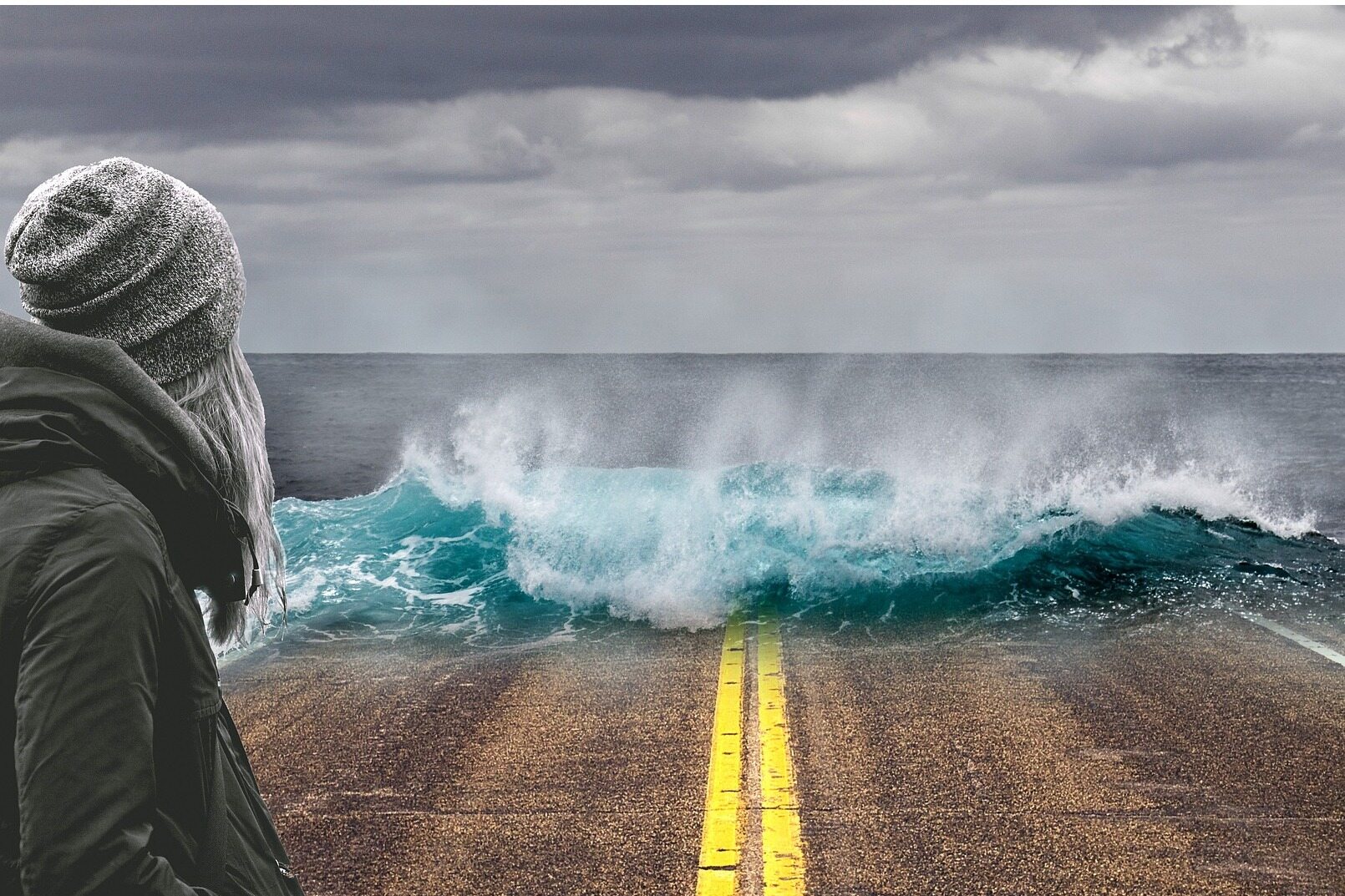
The latest report from the United Nations reveals a harsh reality: the world has entered an era of 'water bankruptcy'. This concept goes far beyond the traditional scope of the 'water crisis' and signifies that humanity's depletion of water resources has exceeded the limit of the Earth's ecosystem. When strategic reserves such as deep groundwater and glaciers are permanently depleted, and 70% of major aquifers are in long-term decline, humanity is standing at a crossroads for the survival of civilization. This crisis is not only related to the environment, but will also reshape the competitive landscape of the global economy, politics, and society, and the competition for water rights will become the most critical strategic game point in the next decade.
From Environmental Crisis to Civilization Challenge
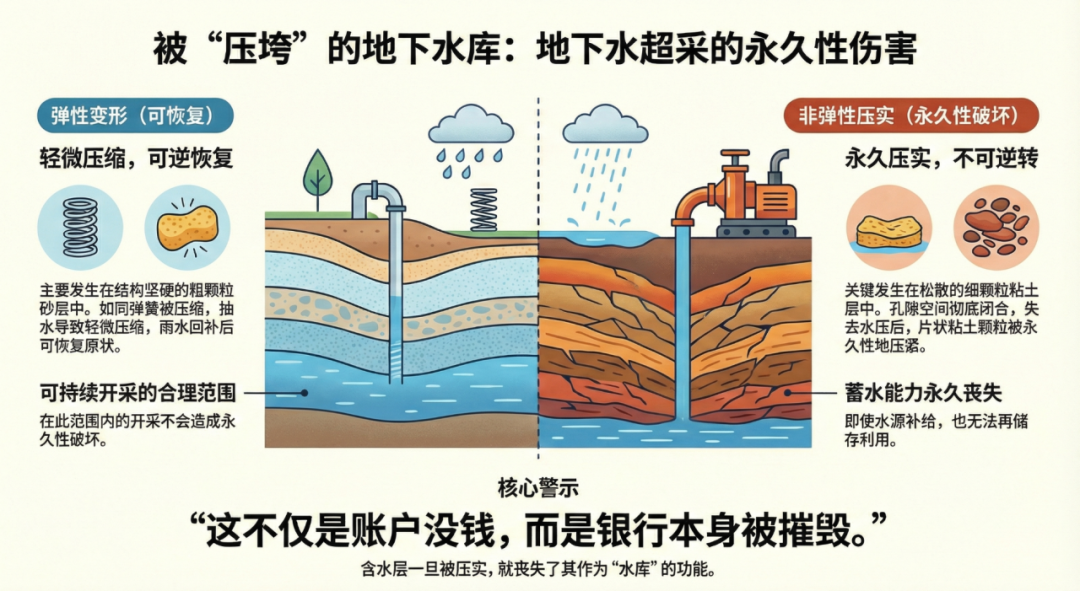
The core characteristic of 'water bankruptcy' is its irreversibility. According to a United Nations report, since the 1990s, over half of the world's large lakes have shrunk in size, 35% of natural wetlands have permanently disappeared, and 70% of major aquifers are in an overdrawn state. This physical damage is similar in nature to financial bankruptcy - when expenses continue to exceed income, when assets are permanently consumed, the system loses its ability to recover. Due to excessive extraction of groundwater in Mexico City, the foundation settles by 20-25 centimeters annually. After the collapse of the water supply system, the water truck network controlled by the "water mafia" transformed clean water into violently distributed commodities, revealing how water bankruptcy evolved from a geological crisis to a social governance crisis.
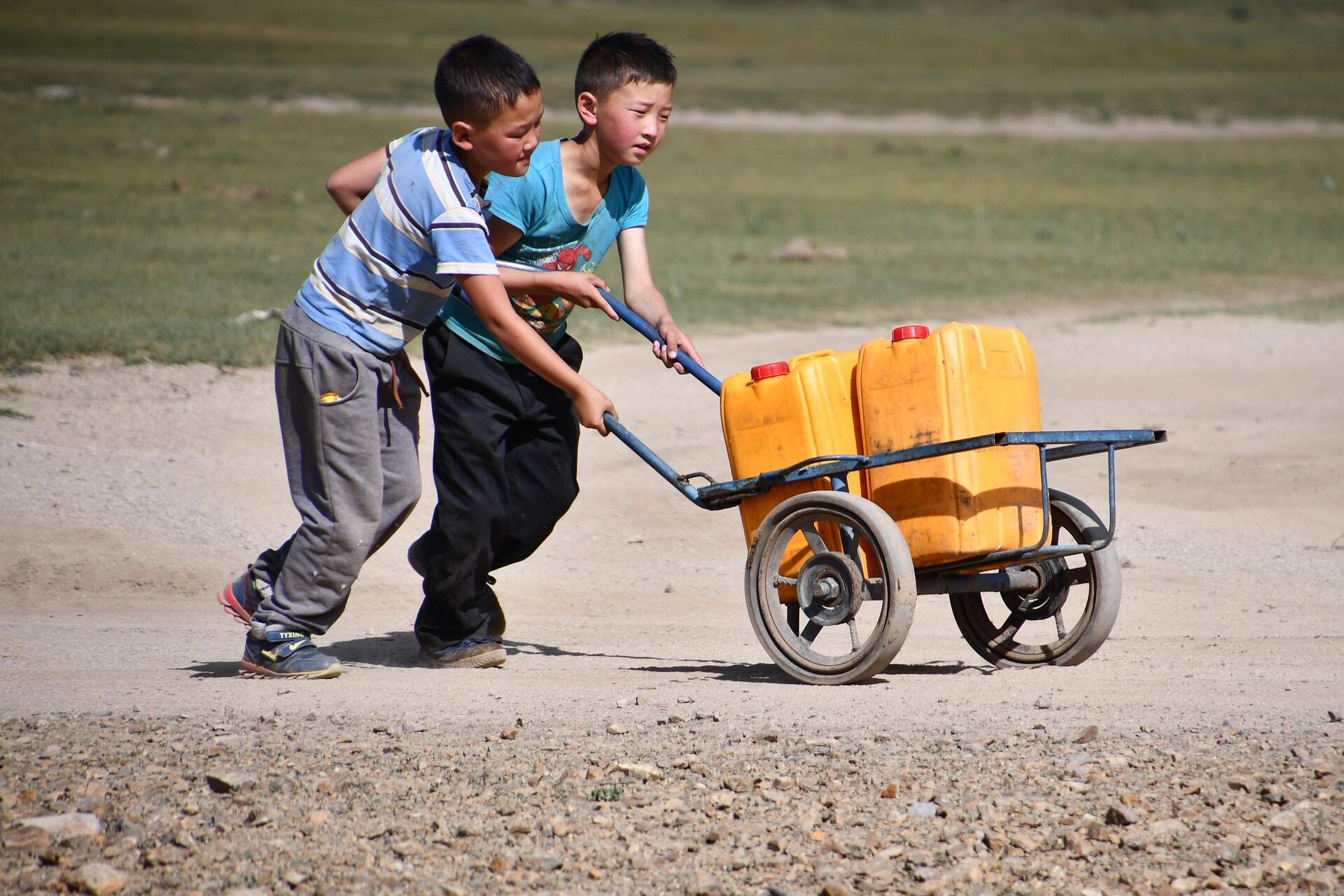
The case of Iran is more cautionary. This country, which has a millennium long water civilization, has experienced a land subsidence rate of 30 centimeters per year in the surrounding areas of Tehran due to policy mistakes and physical damage, resulting in building cracks and bridge distortions. The government, in pursuit of self-sufficiency in food, provides long-term subsidies for energy and encourages the extraction of deep groundwater, ultimately forming a bankruptcy model of "using non renewable resources to maintain short-term prosperity". The displacement of millions of climate refugees proves that water bankruptcy is shaking the foundation of national survival.

From industrial layout to financial risk
Water resource constraints are no longer an environmental issue, but have become a core factor determining the survival of industries. Although high-tech industries such as chip manufacturing have high added value, TSMC and Intel's wafer fabs in Arizona still consume millions of gallons of ultrapure water per day. When the Colorado River continues to suffer from water shortages, these expensive factories may become 'desert scrap metal'. Global investors have included "water rights protection capability" as a core indicator for corporate due diligence, and the asset valuation logic of high water consuming industries has been thoroughly restructured.
This risk is being transmitted through the financial system. Moody's, S&P and other rating agencies have incorporated water risk into their credit models. The unreliable urban water supply has led to real estate depreciation, shrinking local tax bases, and companies have had their credit ratings downgraded due to water resource reduction risks. The default of "water debt" caused by water bankruptcy may replicate the path of the subprime mortgage crisis and form a global financial chain risk. When the stability of water resources becomes a core consideration for financial security, the strategic value of water rights has surpassed traditional production factors.
From virtual water trade to geopolitical games
Global trade essentially implies' virtual water trade ', with water scarce countries such as India consuming deep groundwater on a large scale to produce rice for export, which is equivalent to' selling ancestral property to maintain short-term liquidity '. With the awakening of awareness of water bankruptcy, "water protectionism" is on the rise, and countries will restrict the export of high water consuming products, prioritizing the protection of local water resources security. This restructuring will intensify global competition for water resources, making cross-border river allocation and cross-border groundwater exploitation control the core issues of national games.

In the next decade, there will be a fundamental shift in the dimension of global competition. The national strength evaluation indicators will shift from GDP to "hydrological solvency" - total water resources reserves, recycling efficiency, and water rights control capacity. Countries that can complete the bankruptcy reorganization of water resources will take the initiative by reducing high water consumption demand and establishing a circular water economy. And those countries that continue to overdraw water resources will eventually face a dual collapse of their physical environment and social systems. Keywords: water resources
In this game of civilization survival, water rights are no longer simply a matter of resource allocation, but have become a strategic hub that determines the rise and fall of countries and the survival of industries. When deep groundwater becomes non renewable "oil" and the efficiency of each drop of water determines the life and death of chip factories, humanity must redefine its relationship with water - not as conquerors, but as guardians; Not overdrafters, but managers. This silent water resource revolution is reshaping the underlying logic of global competition in the 21st century.Editor/Cheng Liting
Comment



 Praise
 Collect
 Comment

 Share
Share


Write something~