 Search


- The diversified resonance on the demand side further expands the market space of the energy storage industry
- The model of spot arbitrage+capacity compensation+auxiliary services has formed replicable experience in many parts of China
As the global energy transition enters a deep-water zone, energy storage, as the core hub linking clean energy and low-carbon development, is ushering in a critical turning point from scale expansion to value leap. The heavyweight signing of the 73.1 billion yuan hydrogen storage new energy and aerospace economy integration project in Liangshan Prefecture, Sichuan Province, has become a new footnote to the scenario based and ecological development of China's energy storage industry; The influx of over trillions of dollars of funds into the sustainable climate field worldwide further confirms that the underlying logic of the low-carbon track has shifted from policy driven to financial driven. Under the triple resonance of technological iteration, capital restructuring, and demand upgrading, the energy storage industry is driving the deep reshaping of the global low-carbon economy value pattern as a core infrastructure.
Green Energy+Aerospace Industry Ecology
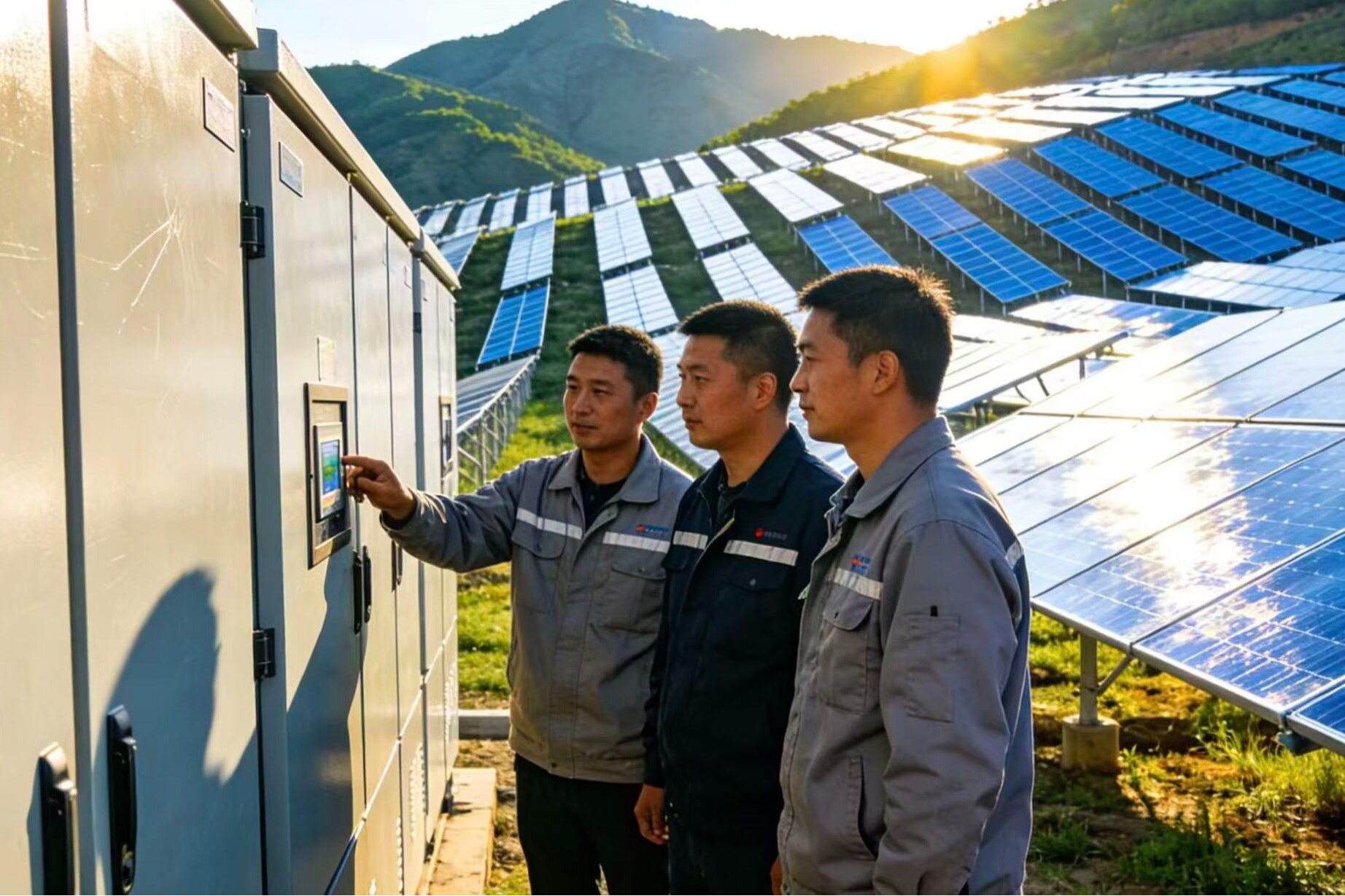
With 220 million kilowatts of exploitable clean energy resources, Liangshan Prefecture has become a typical example of the integrated development of clean energy and strategic emerging industries in western China. At the press conference of the "Aerospace Economy and Hydrogen Storage New Energy" industry scene in Liangshan Prefecture, 11 key projects have completed centralized signing, with 73.1 billion yuan of funds accurately anchoring the three major tracks of hydrogen energy storage, commercial aerospace, and low altitude economy. Among them, 7 hydrogen storage new energy projects entered the market by leading enterprises such as National Energy Group Hydrogen Energy Technology, becoming the core focus of this signing. This industry layout guided by the government and linked by scenarios is not just a simple project landing, but a deep practice of Liangshan Prefecture's development model of "green electricity foundation, industry empowerment, and scenario integration" - relying on the Panxi hydrogen energy pilot foundation, accurately matching clean energy resources with the high energy consumption demand of the air economy, and through the direct connection of green electricity to hydrogen production and the construction of large-scale energy storage facilities, creating a hydrogen energy comprehensive application demonstration zone, and realizing the fundamental transformation of resource advantages into industrial advantages.
Low carbon differentiation track
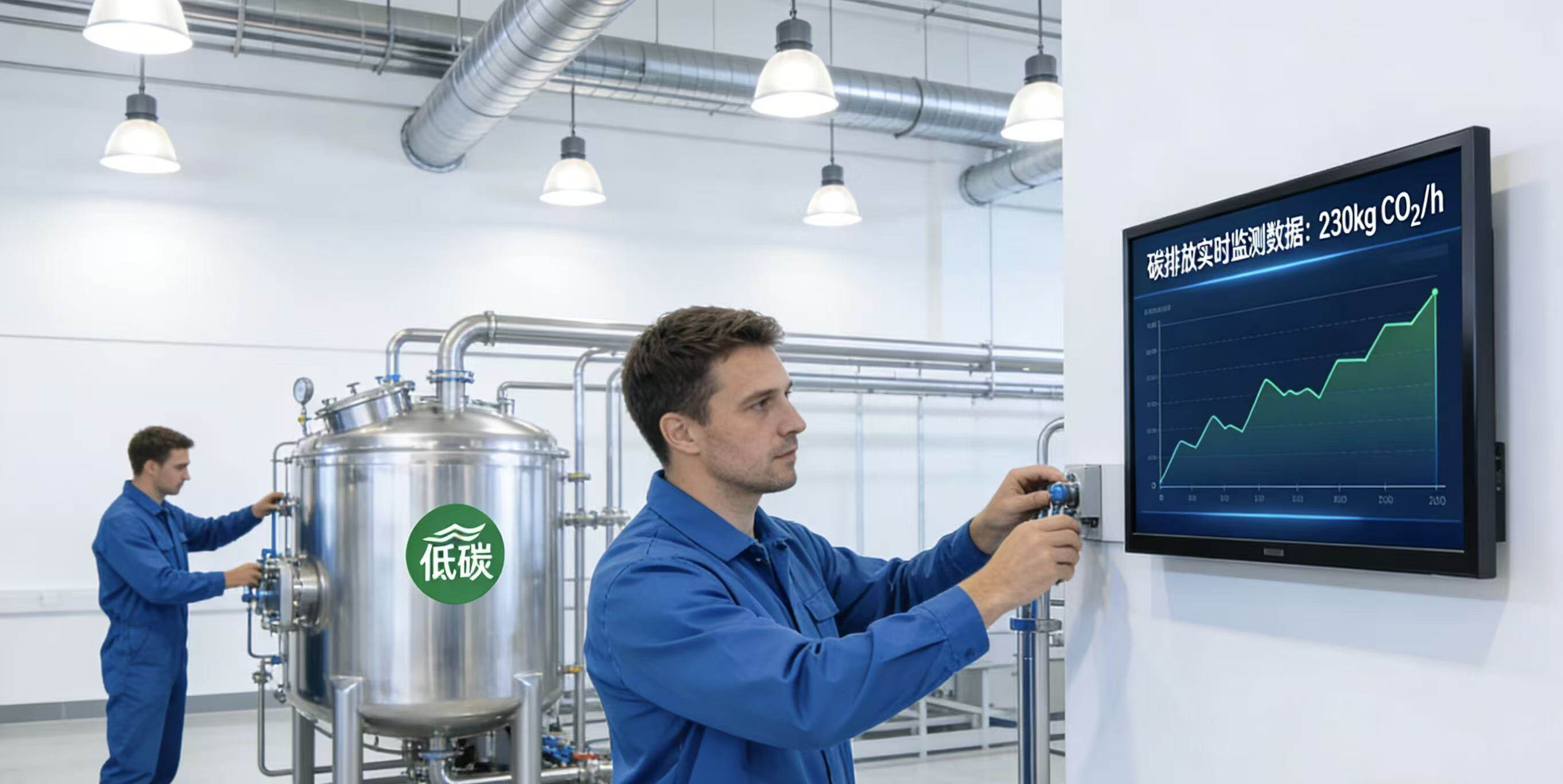
From a global perspective, the investment heat in the low-carbon track continues to rise, but different regions show distinct differentiation logic, reflecting the stage characteristics and core needs of energy transformation in various countries. Europe focuses on vertical areas of deep emission reduction, with investment emphasis on sub sectors such as low-carbon transformation of built environments, industrial systems, and sustainable aviation fuels. The special fundraising of venture capital firm 2150 and the layout of SAFFA fund for sustainable aviation fuel all point to the deep emission reduction needs of "filling gaps and improving efficiency"; The investment in the United States has a passive characteristic of climate response. LanzaTech's carbon utilization financing and HEN Technologies' technology research and development for extreme wildfires reflect its demand for climate disaster response and restoration; Emerging markets such as India are closely following the industrialization trend of energy storage and battery recycling, seeking to occupy a place in the global low-carbon industry chain.
Refactoring core infrastructure projects
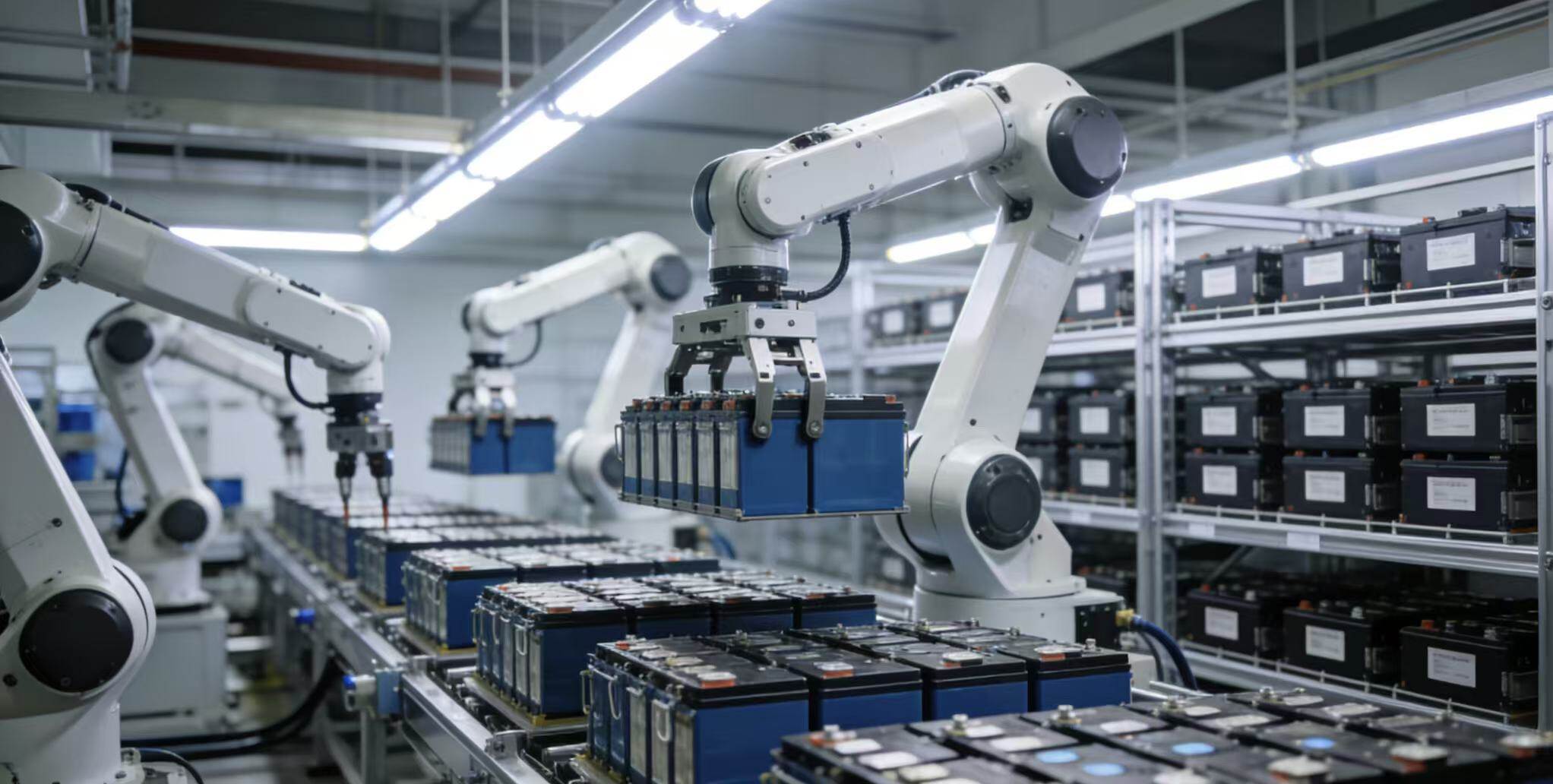
The global trillion dollar fund is betting on the low-carbon track, and the energy storage industry is undoubtedly the core driver. Its development logic is undergoing fundamental changes - upgrading from a single "peak shaving and frequency regulation tool" to a core infrastructure that supports energy structure transformation and adapts to new electricity demand. The industry's development is also shifting from capacity competition to comprehensive competition in technology innovation, scenario solutions, and global ecology. Technological iteration has become the core engine for enhancing industrial value, and the development trend of "large battery cells, liquid cooling, long-term use, and coexistence of multiple technology routes" in the energy storage industry by 2026 has become industry consensus: Ningde Times' 587Ah large battery cells are being shipped on a large scale, BYD's 2710Ah energy storage dedicated blade battery cells have achieved capacity breakthroughs, Haichen Energy Storage's 1300Ah long-term energy storage battery cells are directly targeting the "era of 1 cent per kilowatt hour cost", and technological breakthroughs in large battery cells and laminated processes are breaking through the development bottleneck of the energy storage industry from the three dimensions of cost, performance, and reliability.
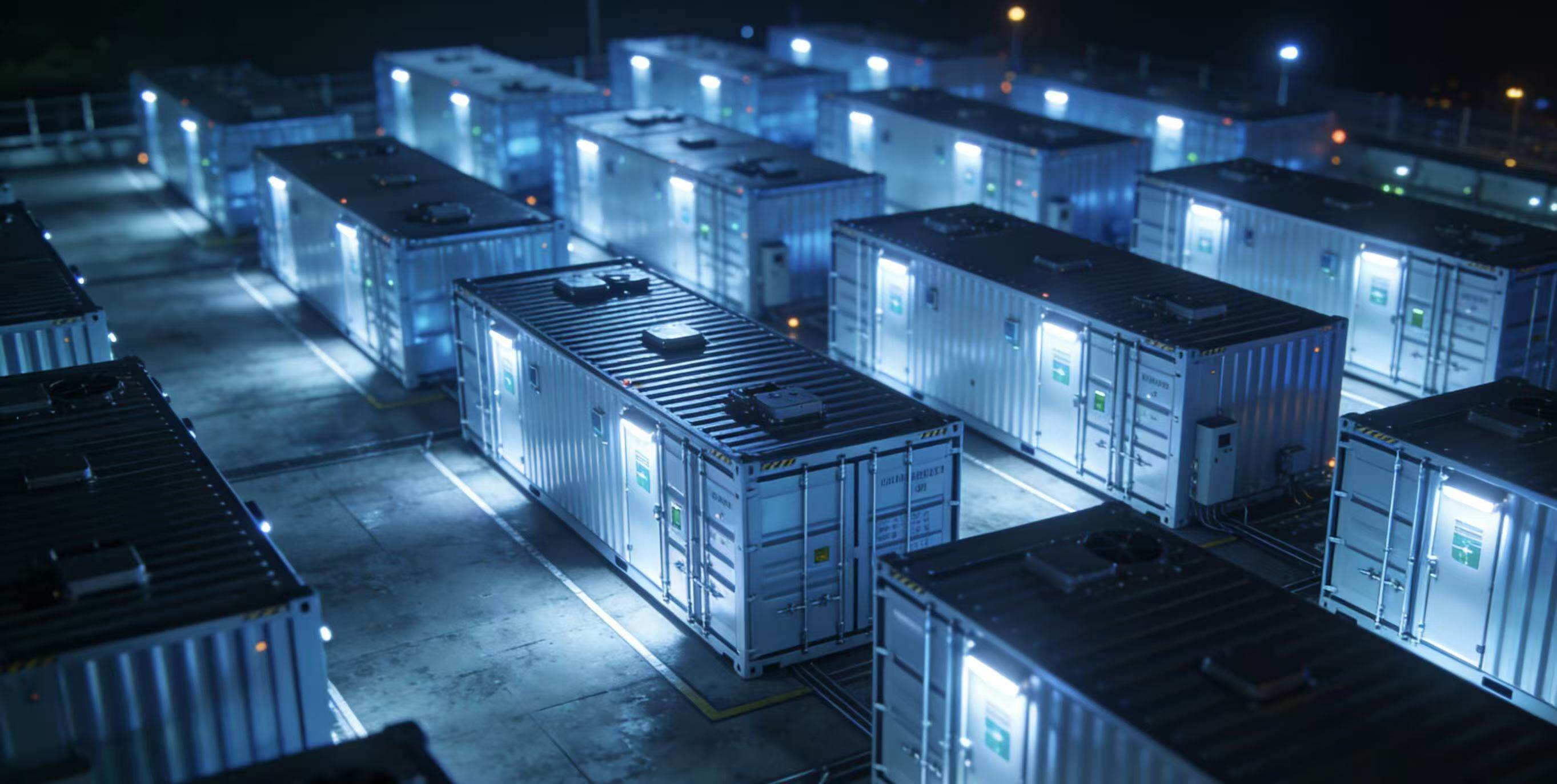
The diversified resonance on the demand side further expands the market space of the energy storage industry. China's new energy storage installed capacity is expected to reach 203GWh by 2026, and the global installed capacity is expected to exceed 1.17TWh by 2030. AI computing infrastructure has become a new growth engine - with an average annual power consumption of about 7000GWh for 1GW computing infrastructure, it has generated rigid demand for green power matching and energy storage frequency regulation, bringing new application scenarios of "high threshold and high viscosity" to the energy storage industry. At the same time, the business model of energy storage continues to be optimized, and the model of "spot arbitrage+capacity compensation+auxiliary services" has formed replicable experience in many parts of China. The internal rate of return of independent energy storage projects has increased to 8% -12%, providing economic security for the sustainable development of the industry.Editor/Bian Wenjun
Comment


 Praise
 Collect
 Comment

 Share
Share


Write something~