 Search


- China's export data reveals actual installed capacity exceeding expectations by 1.75 times
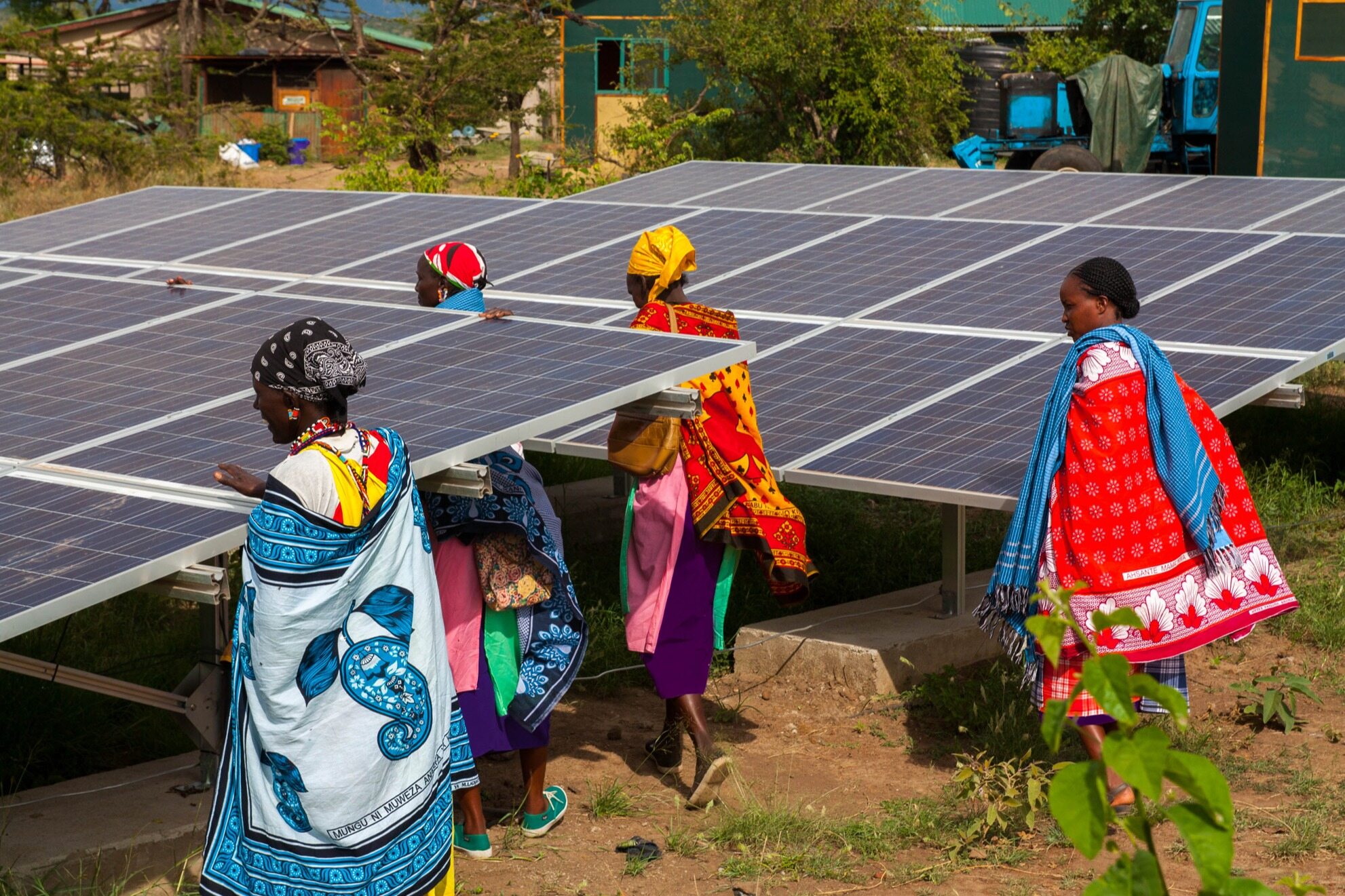
For a long time, Africa has been seen as a peripheral player in the global energy landscape, but a recent report has shocked this stereotype.
The African Solar Industry Association (AFSIA) has released a shocking set of data in its "2026 African Solar Outlook": the actual installed capacity of photovoltaics in Africa may have reached 63.9 GW, which is 2.75 times the industry's general estimate. This is not only a revision of statistical standards, but also a thorough reassessment of Africa's clean energy potential, revealing that this continent is quietly brewing an outbreak of distributed energy.
Data "Rashomon": China's export volume reveals hidden installations
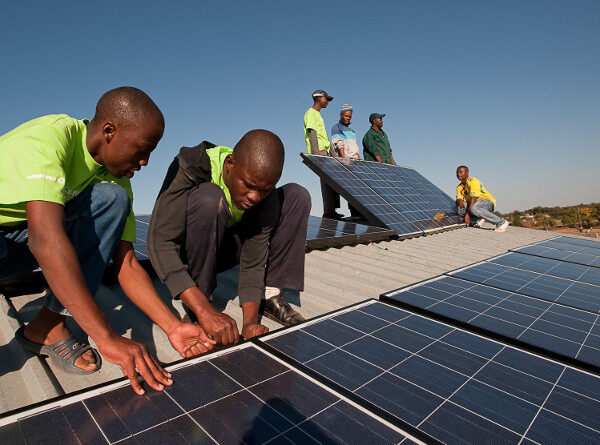
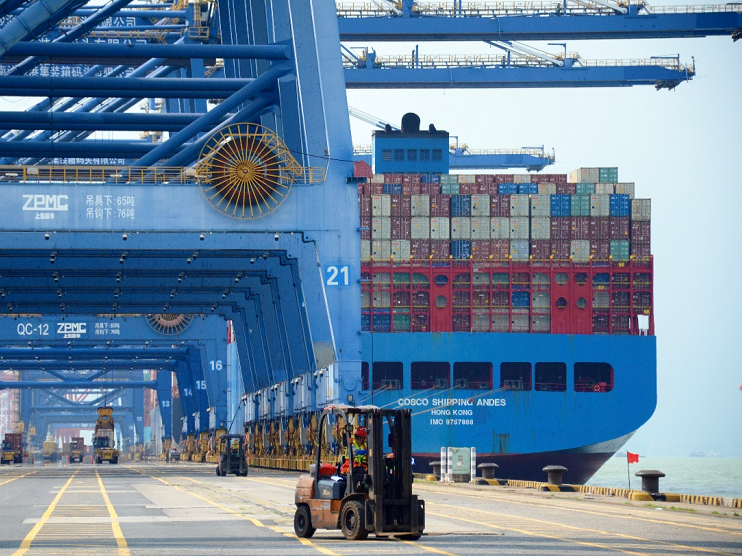
This huge data contrast stems from differences in statistical dimensions. If only the large-scale projects confirmed to be in operation by the end of 2025 are counted, the cumulative installed capacity in Africa is about 24GW, which is also the main basis for industry recognition in the past. However, AFSIA discovered an "invisible" installed capacity by tracking China's exports of non solar modules. Since 2017, China has exported 58.1 GW of modules to Africa, reaching 16.1 GW in 2025 alone. If the stock before 2017 is included, the actual installed capacity directly points to 63.9 GW. The report points out that the "data gap" of nearly 40 GW is mainly hidden in the industrial, commercial, and household photovoltaic fields, with a ratio of about 85:15, while large ground power stations have already been included in statistics due to complete records.
Cognitive reversal from the periphery to the growth pole
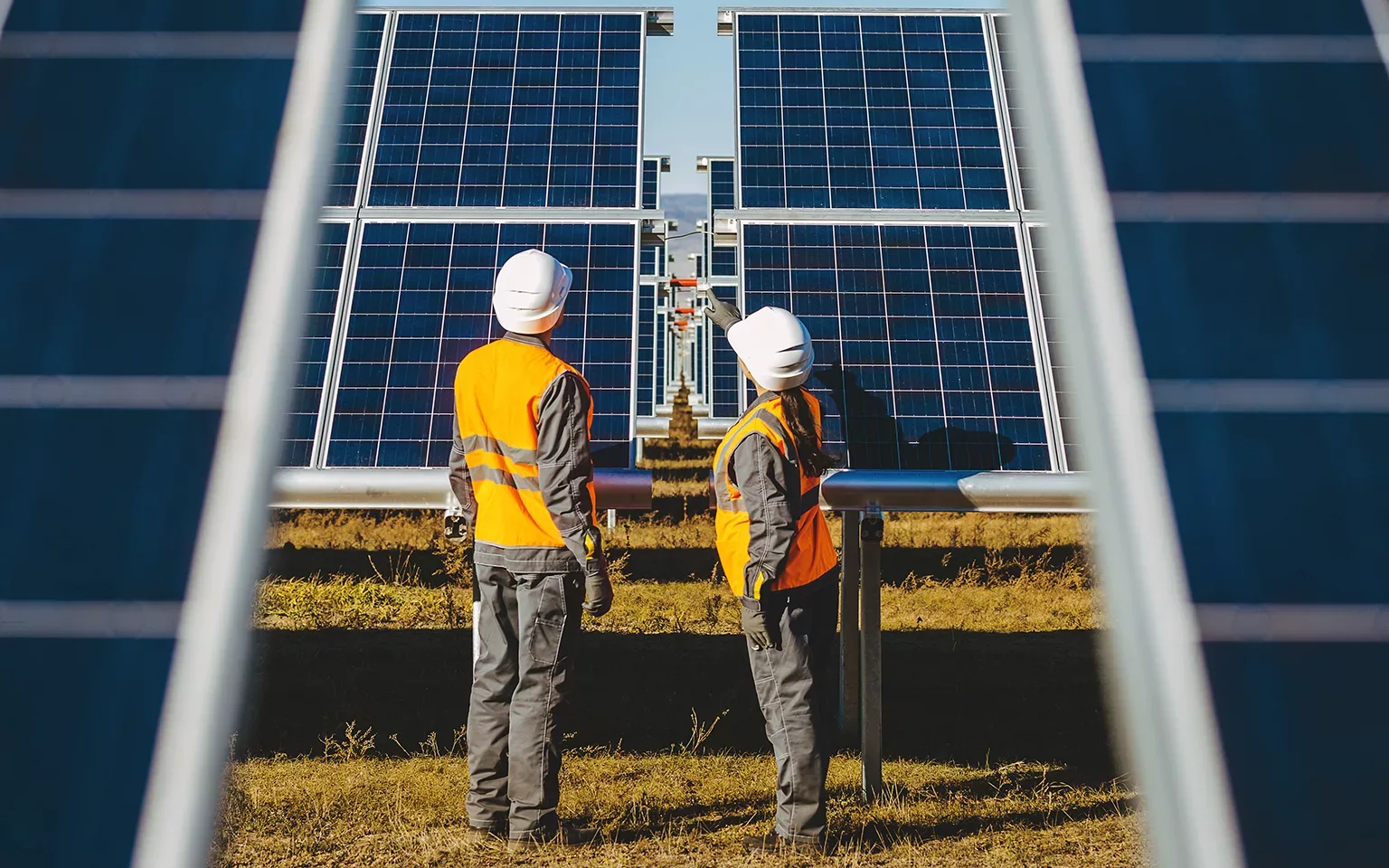
This discovery completely reversed the external perception of the African solar energy market. AFSIA CEO John van Zuylen bluntly stated, "In the past decade, Africa has often been seen as one of the slowest growing regions for solar energy, with a global market share of only 0.5% -1%." However, new data proves that Africa has now become one of the fastest-growing solar energy markets in the world. This growth is not solely based on large-scale infrastructure, but is a "ant army" composed of countless rooftop photovoltaics and enterprise microgrids. With the exposure of real demand, Africa is attracting active layout of the global industrial chain, and the massive export of Chinese photovoltaic products is the most direct footnote to this wave. Keywords: photovoltaics,、Africa、Energy storage cluster
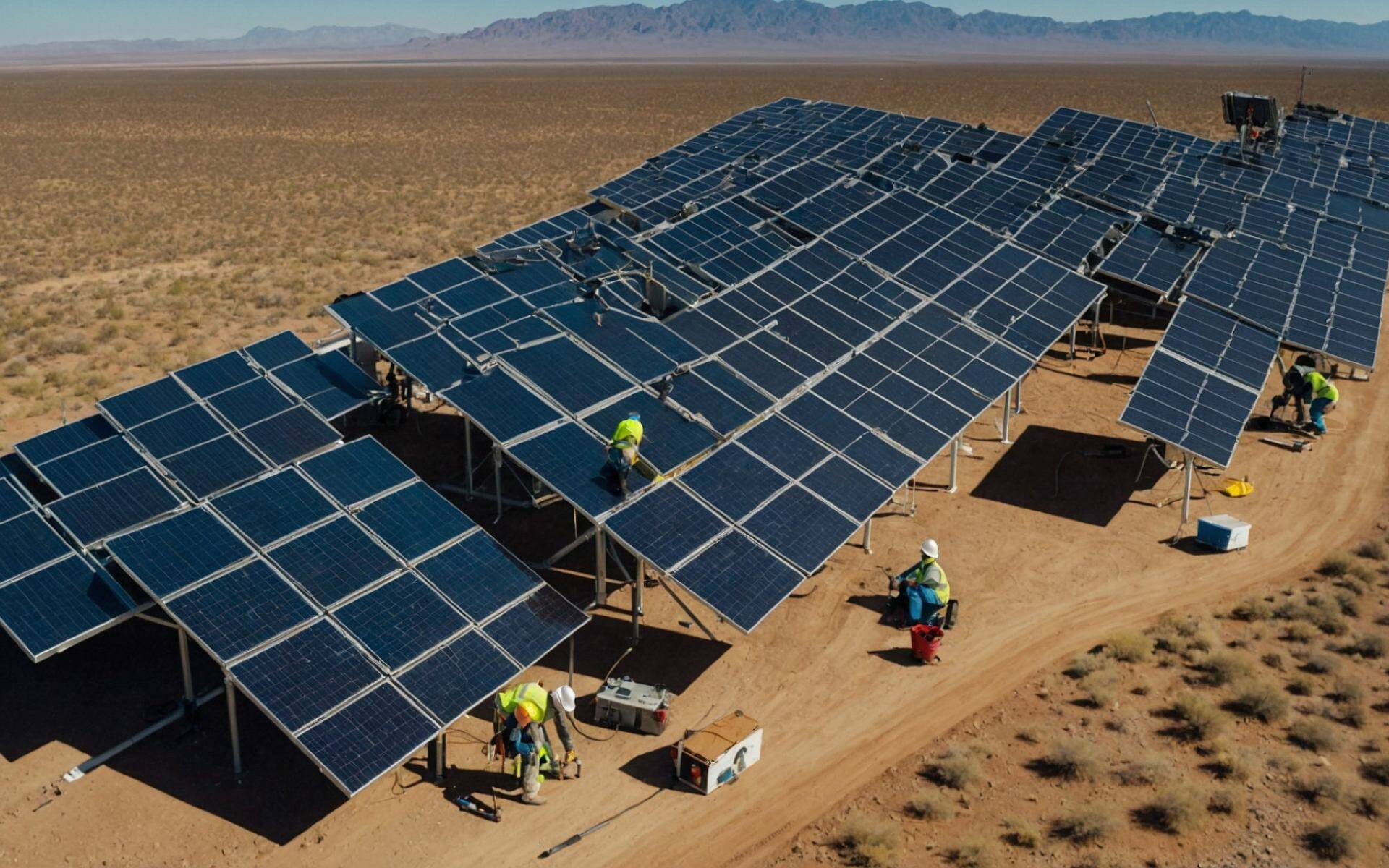
The installation forecast of 63.9GW is not only a filling of past statistical blind spots, but also a warning for the future. When commercial and household photovoltaics become the main force, the underlying logic of Africa's energy transformation has shifted from "centralized development" to "distributed and inclusive". In the global energy transition game, Africa is no longer a forgotten corner, but a awakening giant market. For Chinese companies, this not only means sustained growth in component exports, but also heralds a deep advancement from selling products to exporting microgrid solutions.Editor/Cheng Liting
Comment


 Praise
 Collect
 Comment

 Share
Share


Write something~